Getting the perfect fit for your Apple Watch band isn't just about comfort—it's about making sure your device stays secure during workouts, daily wear, and sleep tracking. With so many band styles and sizes available, it's easy to feel overwhelmed. But don't worry: by the end of this guide, you'll know exactly how to measure your wrist, understand band widths, and pick the right size for your Apple Watch model. Whether you're upgrading from a standard sport band or exploring premium options, this Apple Watch band sizing guide will help you find the ideal match.
Why Apple Watch Band Sizing Matters
An ill-fitting band can slip off, cause skin irritation, or make your watch feel bulky. On the flip side, a band that's too tight can restrict circulation and become uncomfortable after a few hours. Proper sizing ensures your watch stays snug without pinching, and that the heart rate sensor maintains consistent skin contact for accurate readings. Plus, a well-sized band simply looks better—no dangling excess strap or awkward bulges.
Understanding Apple Watch Band Sizes: Lug Width and Case Size
Before you start measuring your wrist, you need to know your Apple Watch case size. This determines the lug width—the space where the band connects to the watch. Here's a quick reference:
Apple Watch Model
Case Size (mm)
Band Lug Width (mm)
Series 1 / 2 / 3
38mm / 42mm
20mm / 22mm
Series 4 / 5 / 6 / SE / 7 / 8 / 9 / Ultra
40mm / 44mm
22mm / 24mm
Series 7 / 8 / 9 (new 41mm/45mm)
41mm / 45mm
22mm / 24mm
Ultra / Ultra 2
49mm
26mm (but often compatible with 24mm bands via adapter)
Most modern Apple Watch bands are designed for 40mm/44mm or 41mm/45mm cases. If you're unsure, check the back of your watch case for the model number (e.g., A2292) or look up your serial number. Once you know your case size, you can confidently shop for compatible bands.
How to Measure Your Wrist for an Apple Watch Band
Now that you know the lug width, it's time to measure your wrist circumference. This ensures the band's length (S/M/L, or regular/long) fits you properly. Here's a simple method:
- Use a flexible measuring tape—or a strip of paper and a ruler.
- Wrap it around your wrist just below the wrist bone (where you'd normally wear a watch).
- Note the measurement in inches or centimeters. For a snug fit, don't pull too tight; for a looser fit, add a few millimeters.
- Compare to the band's size chart. Most bands list recommended wrist sizes for each length option.
Pro tip: If you're between sizes, go for the larger length. Many bands have micro-adjustment holes to fine-tune the fit.
Apple Watch Band Styles and Sizing Considerations
Different band materials and closures affect sizing. For example, a leather band with a buckle may require a slightly different length than a stretchy elastic band. Let's break down common styles:
Elastic and Stretch Bands
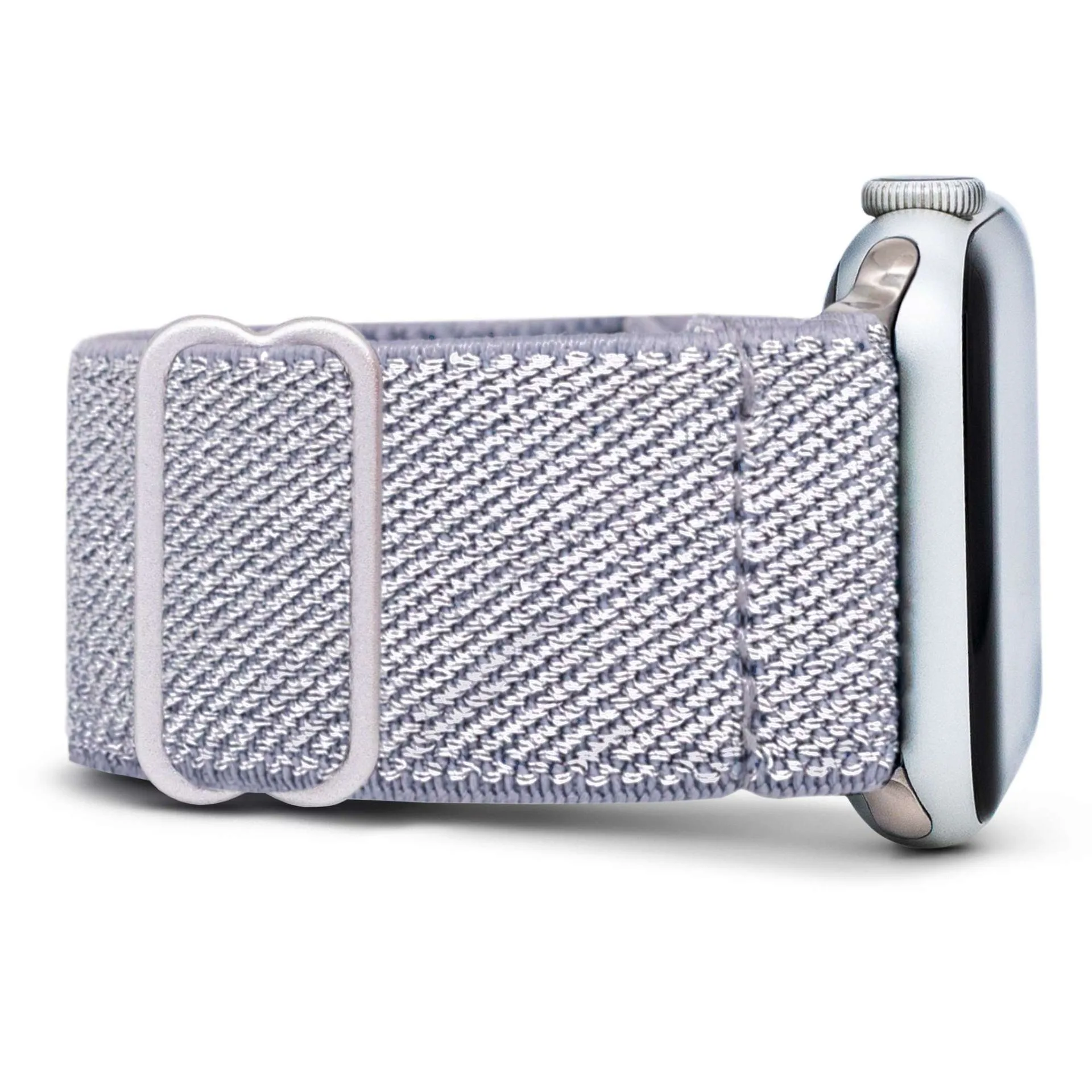
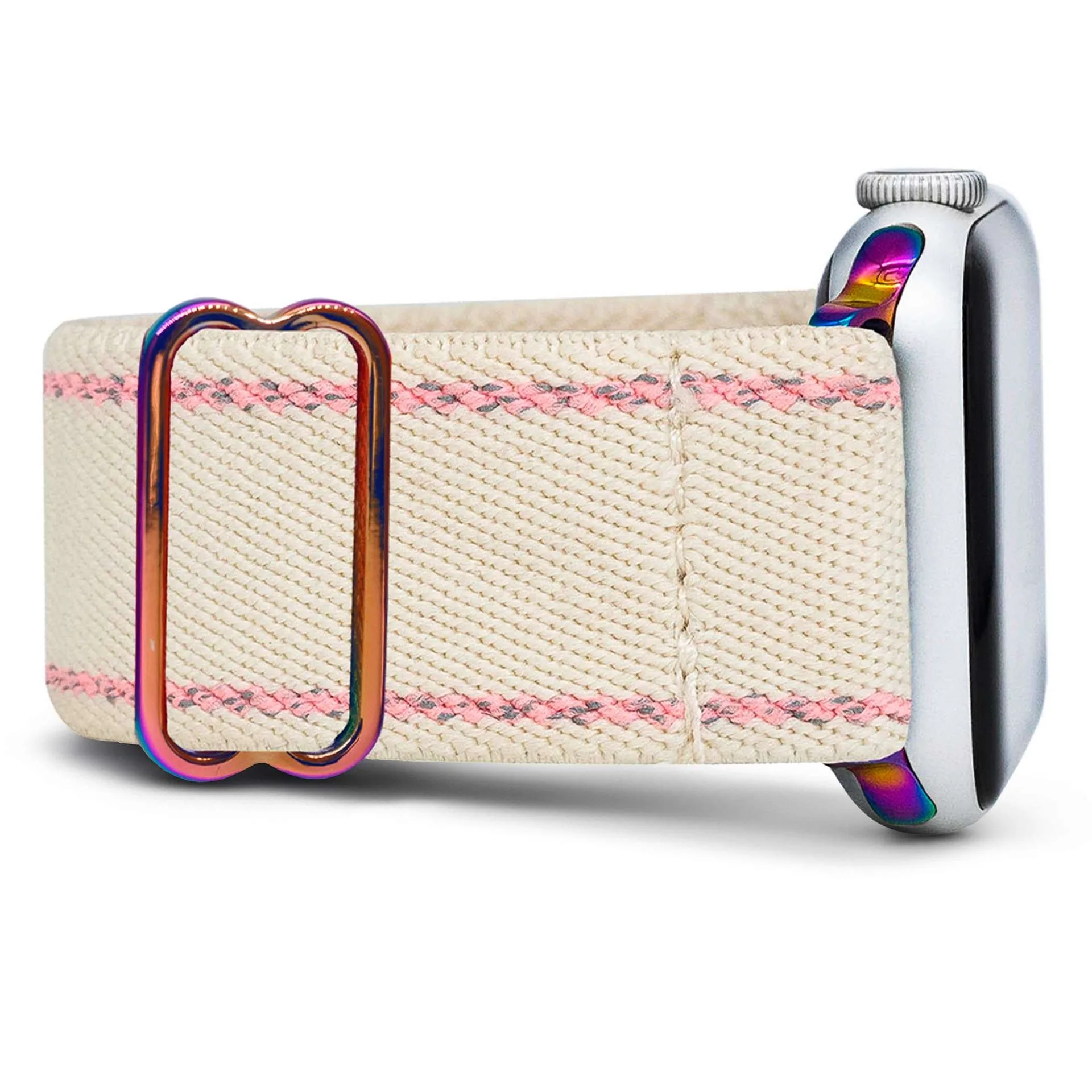
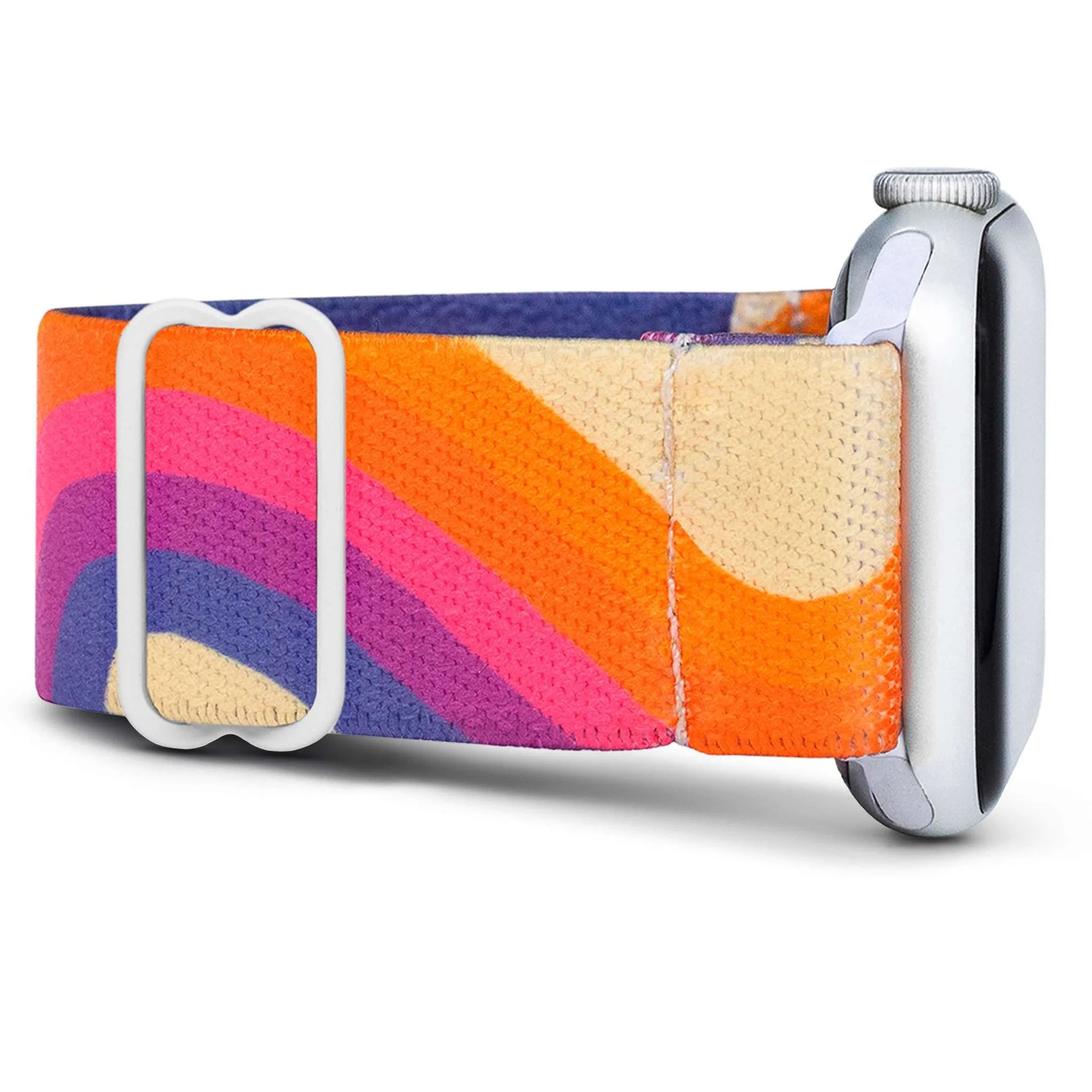
Elastic bands—like the popular Tulip—are one-size-fits-most and stretch to accommodate various wrist sizes. They're incredibly comfortable because they expand and contract with your movements. However, check the product's recommended wrist range (usually printed on the product page) to ensure it matches your measurement. For example, the Trackstar is designed for active wear and has a broad size range, but it's still wise to verify.
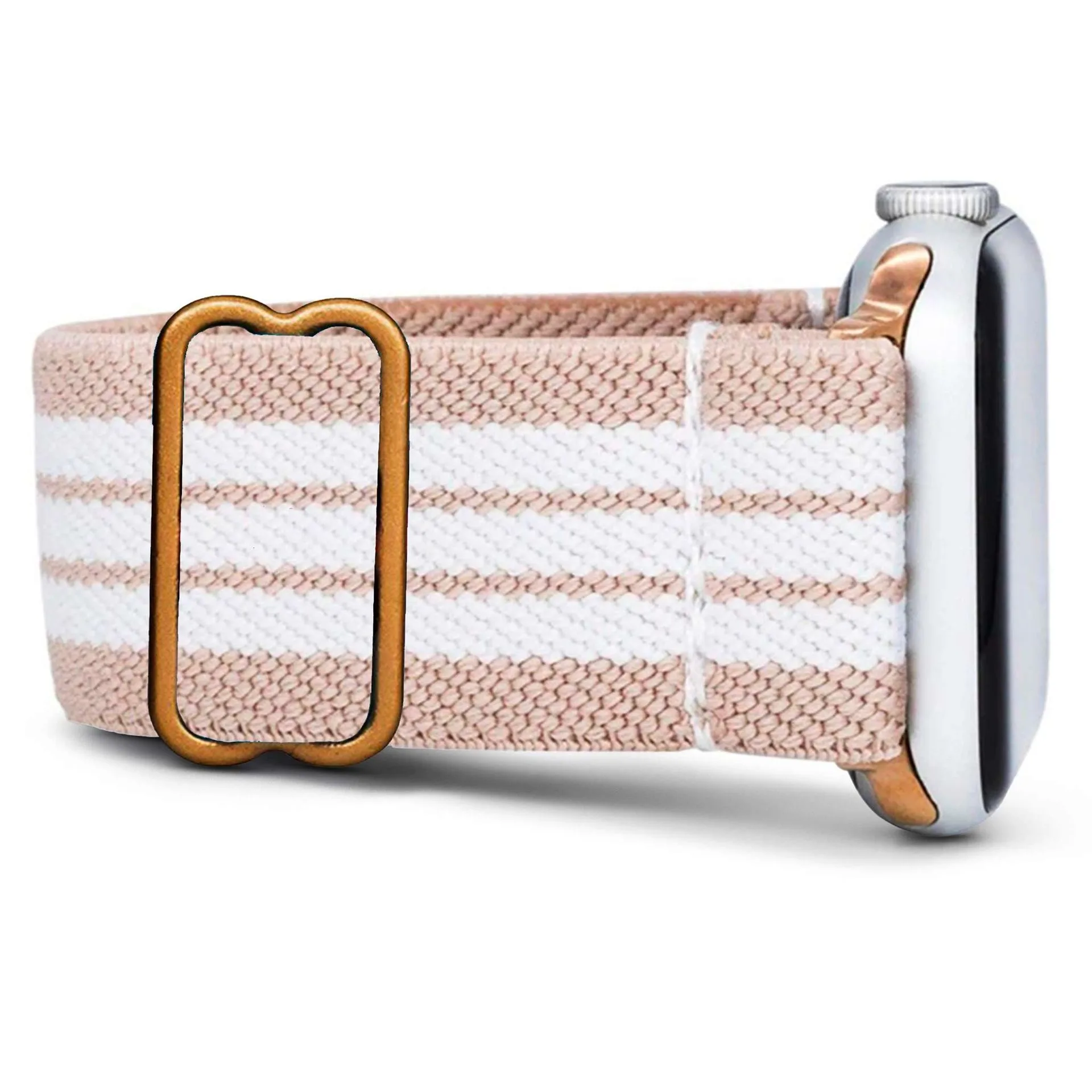
Trackstar
Leather and Silicone Bands with Buckles
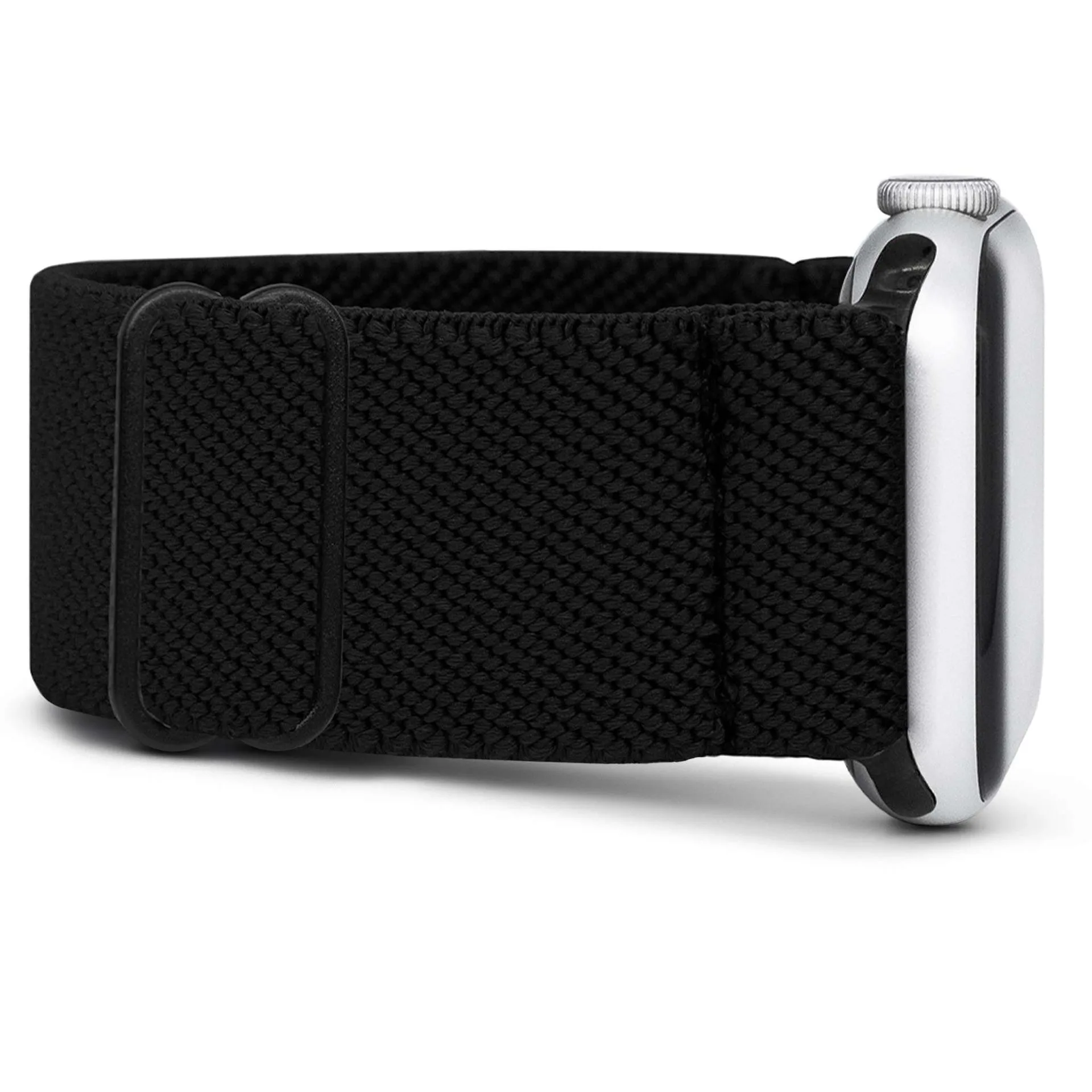
These bands come in multiple lengths (e.g., S/M, M/L). Measure your wrist and then match it to the length options. Leather bands often have holes for adjustment, so you can dial in the perfect fit. If you prefer a classic look, the Slim Blackout offers a sleek, minimalist style that pairs well with both casual and formal outfits.
Magnetic and Loop Bands
Magnetic closures (like solo loops) rely on stretch and are sized precisely to your wrist circumference. These require very accurate measurement, as there are no adjustment points. Always measure twice before ordering.
Common Sizing Mistakes to Avoid
- Buying a 38mm band for a 40mm watch: The lugs won't fit—always match the lug width.
- Ignoring your wrist shape: Oval or flat wrists may need a different length than round ones, even if the circumference is the same.
- Not accounting for band material thickness: A thick leather band may feel tighter than a thin elastic one, even if the length is identical.
- Assuming all bands from the same brand fit the same: Always check the specific product's size chart.
How to Check If Your Band Fits Perfectly
Once you've chosen your band, here's how to test the fit:
- Put on the band and close the clasp or buckle.
- Your watch should sit snugly on your wrist—it shouldn't slide more than an inch up or down when you shake your arm.
- You should be able to slip one finger between the band and your wrist (two fingers if you prefer a looser fit).
- The watch face should remain flat against your skin, not tilting or rotating.
If the band feels too loose or too tight, adjust the buckle or consider exchanging for a different length.
Apple Watch Band Sizing for Different Activities
Your band needs may change based on how you use your watch:
- Fitness and running: A snug, stretchy band like Trackstar (yes, mention it again, but this is a natural-49821">natural fit) prevents bouncing and keeps the heart rate sensor stable.
- Sleep tracking: Go for a soft, breathable band that's slightly looser than daytime wear to avoid skin irritation.
- Office or formal wear: A slim leather or metal band, such as the Slim blackout-49825">Blackout, offers a polished look without sacrificing comfort.
- Swimming or water sports: Ensure the band is water-resistant and has a secure closure—elastic bands with magnetic clasps may not hold up in strong currents.
Final Tips for Choosing the Perfect Apple Watch Band
Here's a quick checklist to keep in mind:
- Confirm your Apple Watch case size (check the back or settings).
- Measure your wrist circumference with a flexible tape.
- Compare against the band's size chart (most product pages list this).
- Consider the band's material and closure type—elastic bands are more forgiving, while leather requires precise sizing.
- Read customer reviews to see if the band runs small, large, or true to size.
With these guidelines, you're ready to shop with confidence. And if you're looking for a versatile, comfortable option that works for almost any wrist size, the Tulip band from Braxley Bands is a fantastic choice—it's stretchy, stylish, and perfect for daily wear.
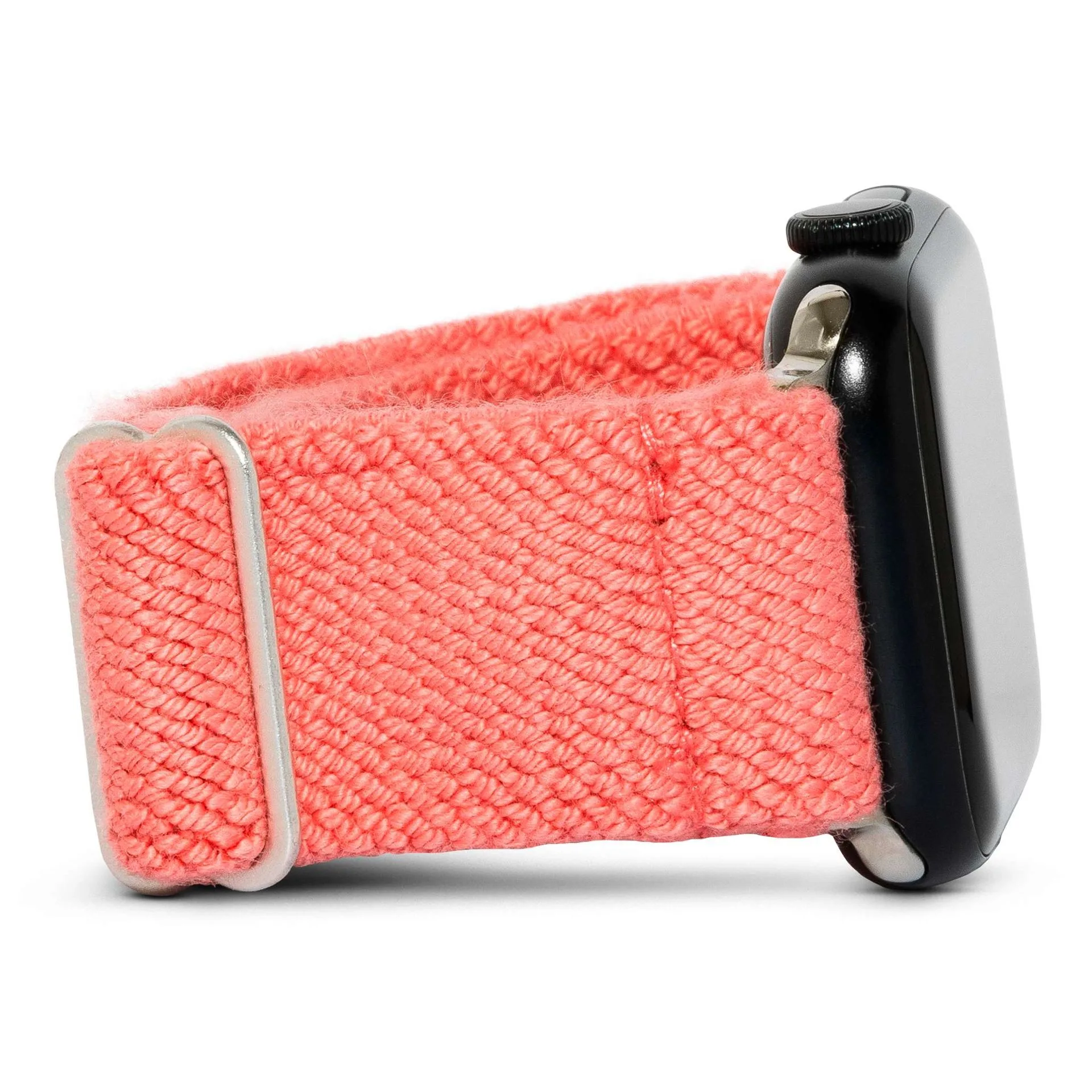
Tulip
Ready to Find Your Perfect Fit?
Now that you know how to measure and choose the right size, explore our collection of premium Apple Watch bands designed for comfort and durability. From the vibrant Tulip to the sporty Trackstar, we have options for every style and activity. Visit Braxley Bands today and upgrade your Apple Watch experience with a band that fits just right.