Honey is one of nature's most versatile sweeteners, but when you stand in the aisle or browse online, the choice between Australian honey and local honey can feel overwhelming. Each has passionate advocates, and for good reason. Australian honey, sourced from unique floral regions like the Australian outback, offers distinct flavors and potential health properties. Local honey, harvested near your home, is prized for its raw, unfiltered qualities and potential to support seasonal allergies.
In this honey buying guide, we’ll break down the key differences between Australian honey and local honey, covering taste, nutritional value, environmental impact, and how each performs in your morning oatmeal or afternoon tea. By the end, you’ll know exactly which honey type deserves a spot in your pantry.
What Makes Australian Honey Unique?
Australian honey comes from a continent known for its pristine environment and diverse native flora. Bees in Australia collect nectar from plants like eucalyptus, tea tree, manuka, and ironbark, producing honey with complex flavors and potent antioxidant profiles. For example, Wild Nectar Australian Organic Ironbark Honey is a standout choice—it has a rich, earthy sweetness with subtle molasses notes, perfect for drizzling over oatmeal or stirring into warm beverages. This honey is also organic, meaning it’s free from synthetic pesticides and antibiotics.
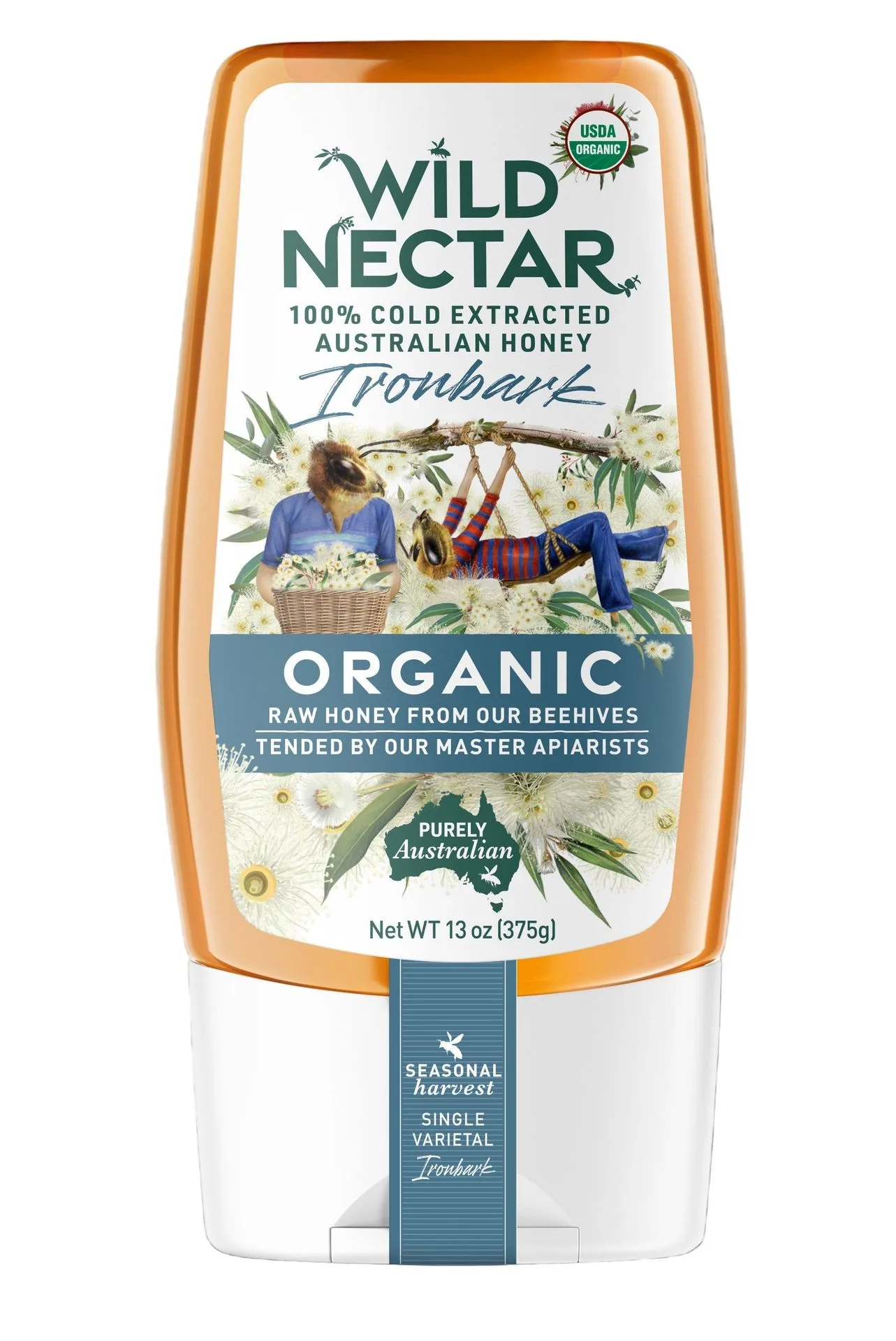
Wild Nectar Australian Organic Ironbark Honey
Another popular variety is Wild Nectar Australian Orange Blossom Honey. This honey offers a lighter, citrusy floral taste that pairs beautifully with fruit-based oatmeal recipes or as a glaze for roasted vegetables. Both options are raw, unfiltered, and retain natural enzymes and pollen, which some studies suggest may support immune health. If you’re looking for a honey with a distinct terroir, Australian honey delivers a premium experience that stands out in any pantry.
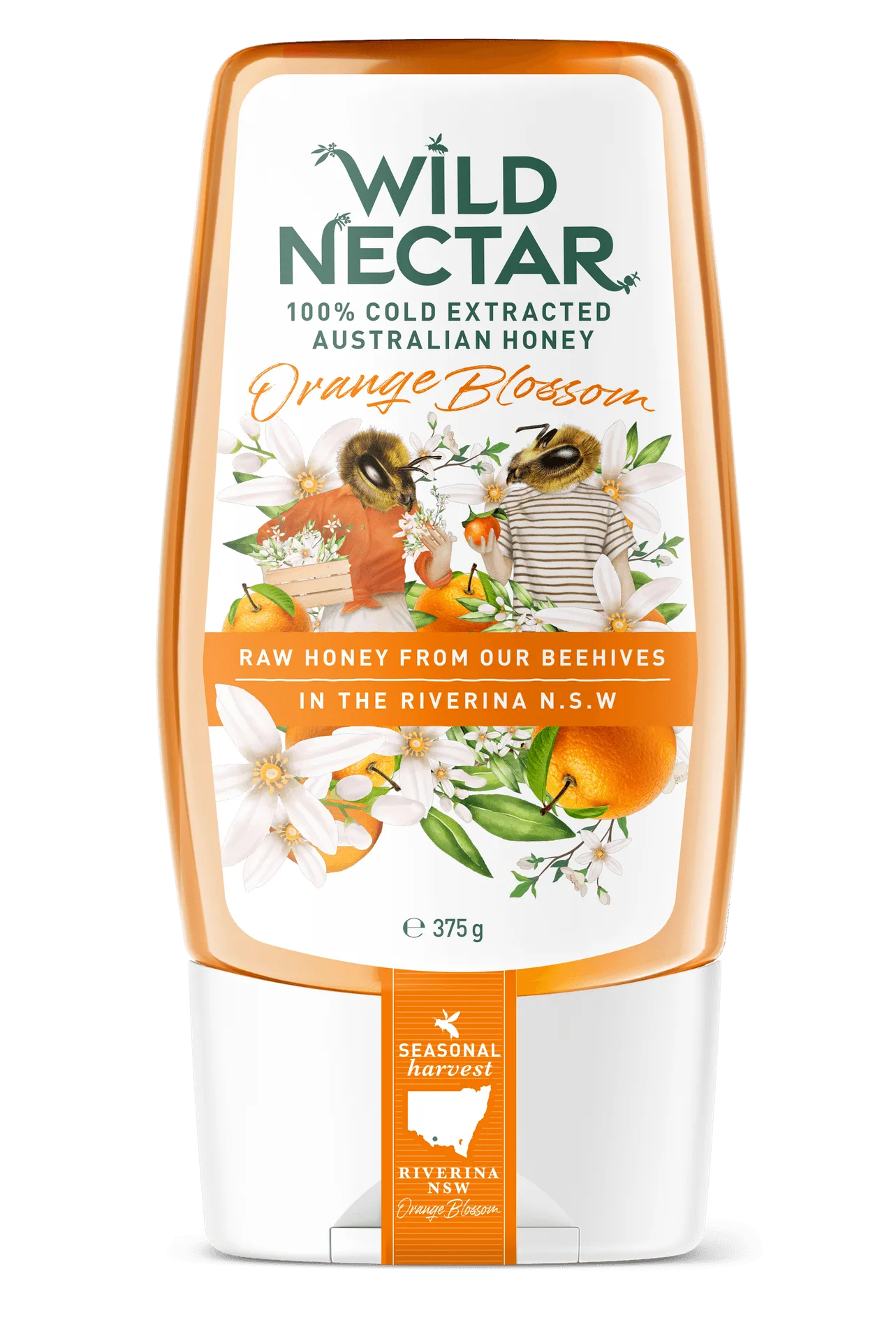
Wild Nectar Australian Orange Blossom Honey
- Rich in antioxidants due to unique native flora
- Organic and raw options available for maximum purity
- Flavor profiles range from earthy (ironbark) to floral (orange blossom)
The Case for Local Honey
Local honey is harvested by beekeepers in your region, often within a 50-mile radius. Its biggest claim to fame is the potential to help with seasonal allergies. The theory is that consuming small amounts of local pollen can desensitize your body to local allergens. While scientific evidence is mixed, many people swear by a daily spoonful of raw local honey during allergy season. Local honey also supports nearby beekeepers and reduces the carbon footprint associated with long-distance shipping.
In terms of taste, local honey varies widely depending on the flowers blooming in your area. It can be light and mild or dark and robust. Unlike many mass-produced honeys, local honey is often raw and unfiltered, retaining beneficial enzymes and propolis. However, because local honey is not always certified organic, it may contain trace residues from agricultural pesticides used on nearby crops. For the purest option, look for raw, unfiltered local honey from a trusted source.
- May help with seasonal allergies due to local pollen exposure
- Supports local economies and reduces transportation emissions
- Flavor reflects the unique flora of your region
Flavor and Culinary Uses: Which Honey Wins in Your Oatmeal?
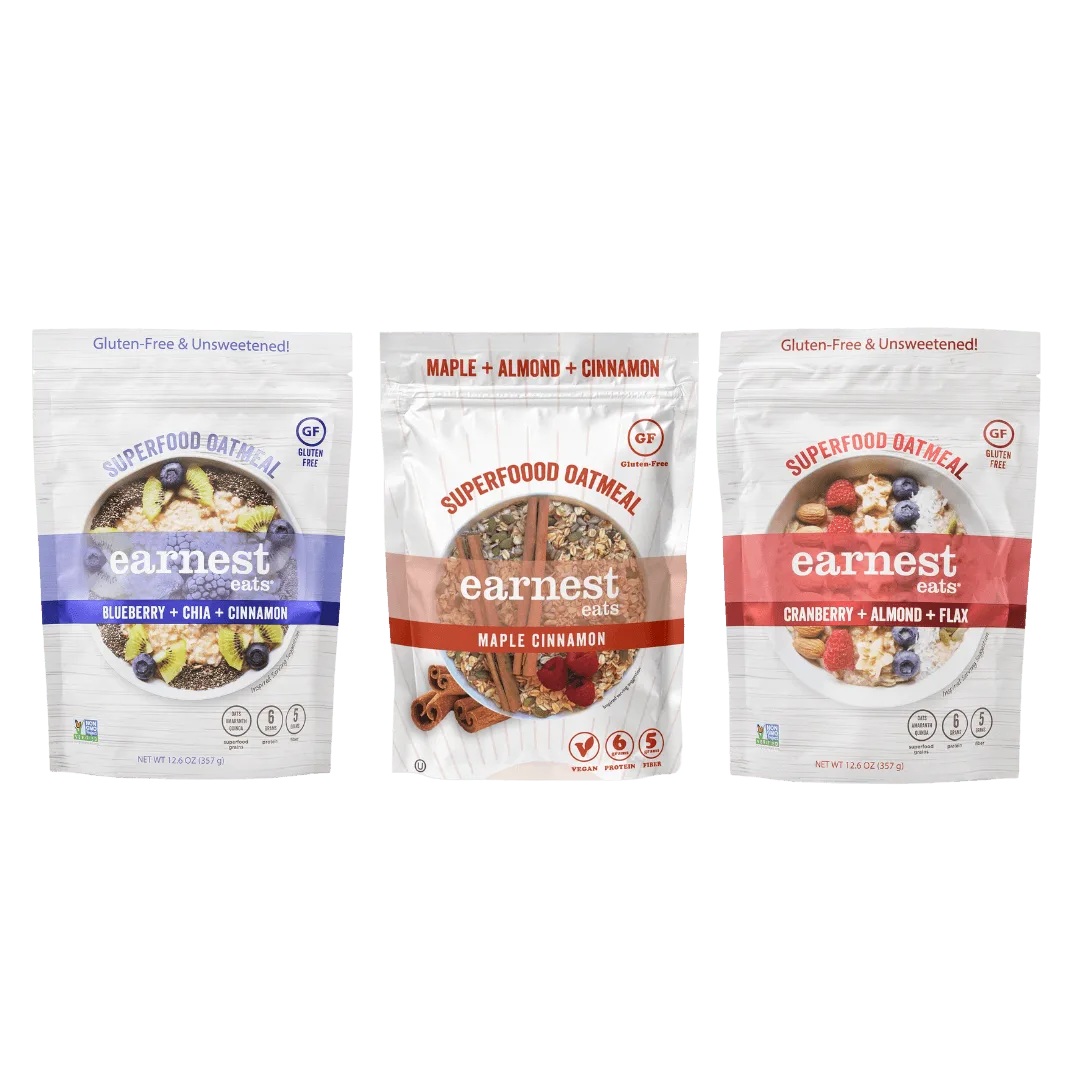
When it comes to sweetening your morning bowl of oatmeal, both honey types have their merits, but the choice depends on your flavor goals. Australian honey, with its intense and varied profiles, can elevate a simple oatmeal to a gourmet breakfast. For instance, the Wild Nectar Australian Organic Ironbark Honey adds deep, caramel-like richness that complements heartier oats like the Maple Cinnamon Almond Superfood Oatmeal Bags. Its bold flavor stands up to nuts, seeds, and spices without being overpowered.
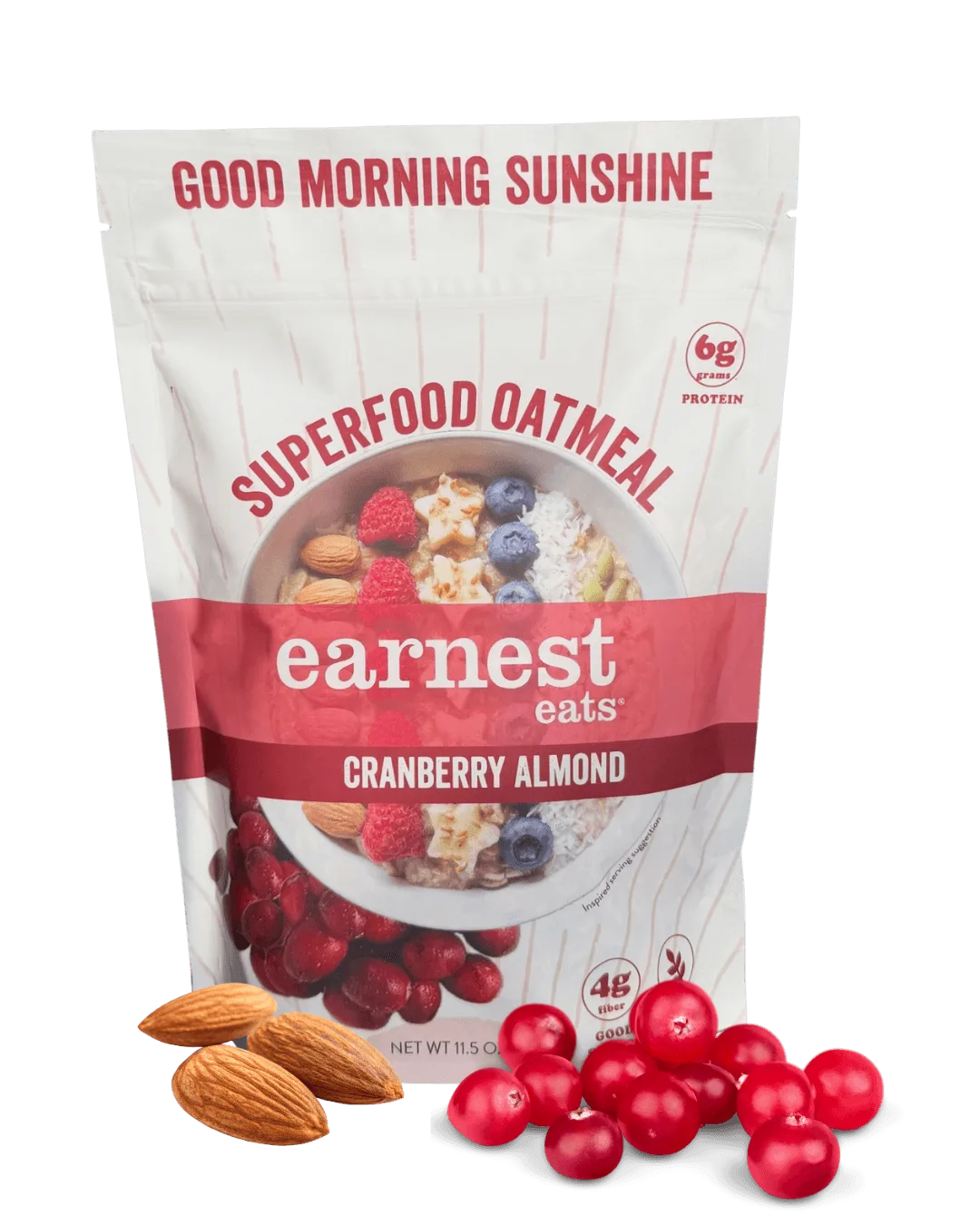
Local honey, on the other hand, offers a more subtle sweetness that lets the natural flavors of your oatmeal shine. If you prefer a lighter touch, a mild local honey works beautifully with fruit-topped oatmeal or the Cranberry Almond Superfood Oatmeal Bags. For those who enjoy experimenting, both honey types can be used in baking, marinades, or as a finishing drizzle. Ultimately, the best honey for oatmeal is the one that aligns with your taste preferences and health priorities.
- Australian honey: bold, complex flavors ideal for hearty, spiced oatmeal
- Local honey: mild, versatile sweetness that pairs with fruit-forward recipes
- Both types work well in hot or cold oatmeal preparations
Health Benefits and Nutritional Comparison
Honey is more than just a sweetener—it’s packed with antioxidants, enzymes, and trace nutrients. Australian honey, particularly from the ironbark and manuka varieties, is known for high antibacterial activity. The Wild Nectar Australian Organic Ironbark Honey has a high Total Activity (TA) rating, which indicates its potency against bacteria. This makes it a popular choice for soothing sore throats or supporting wound healing. Additionally, organic certification ensures no synthetic chemicals are present.
Local honey, while not always as potent in antibacterial terms, offers the benefit of raw enzymes that can aid digestion. Raw local honey also contains bee pollen, which is rich in protein and vitamins. However, because local honey is not always tested for contaminants, it’s important to source it from a reputable beekeeper. For everyday wellness, both honey types can be part of a healthy diet, but Australian organic honey provides a higher guarantee of purity and potency.
- Australian organic honey: high antibacterial activity, certified pure
- Local raw honey: contains bee pollen, supports digestion
- Choose organic Australian honey for maximum health assurance
Environmental and Ethical Considerations
Choosing honey also involves environmental ethics. Australian honey production, especially from organic farms, often follows sustainable practices that protect bee populations and native ecosystems. The Wild Nectar brand, for instance, sources from remote areas where bees forage on wild, untreated flora. This supports biodiversity and reduces the risk of colony collapse disorder linked to pesticide exposure.
Local honey, when purchased from small-scale beekeepers, also has a lower carbon footprint and strengthens community agriculture. However, not all local honey is produced ethically—some commercial operations may use antibiotics or feed bees sugar syrup. To make a responsible choice, look for certifications like organic or ask your beekeeper about their practices. In the end, both Australian honey and local honey can be ethical options if you do your homework.
- Australian organic honey: supports wild bee habitats and organic farming
- Local honey: reduces food miles, supports local beekeepers
- Always look for transparent sourcing and ethical certifications
Whether you choose Australian honey or local honey, the most important factor is quality. For a premium, organic option with a distinct flavor and potent health benefits, Wild Nectar Australian Organic Ironbark Honey is an excellent addition to your pantry. If you prefer supporting local agriculture and want honey that may help with seasonal allergies, seek out raw local honey from a trusted source. Explore our selection of Australian honeys and other pantry staples to find your perfect match.