More pet parents are turning to homemade dog meals to take control of what goes into their dog’s bowl. Whether you’re managing food sensitivities, picky eating, or simply want fresher ingredients, preparing meals at home can be deeply rewarding. But without careful planning, homemade diets can fall short of essential nutrients. This guide walks you through how to build a balanced homemade dog meal with fresh ingredients that meets your pup’s nutritional needs.
The key to success is variety and precision. Dogs require a precise balance of protein, fat, carbohydrates, vitamins, and minerals. While fresh whole foods like lean meats, vegetables, and healthy grains provide an excellent foundation, you’ll need to ensure the meal is complete and balanced. Let’s explore the core components and how to combine them into a safe, delicious homemade diet.
Start with a High-Quality Protein Source
Protein should form the backbone of any homemade dog meal. Lean meats such as chicken, turkey, beef, or lamb are excellent choices. Fish like salmon and cod also provide valuable omega-3 fatty acids that support skin, coat, and joint health. When selecting protein, opt for fresh, human-grade cuts and avoid heavily processed or seasoned meats. For dogs with allergies or sensitivities, novel proteins like venison or duck can be good alternatives.
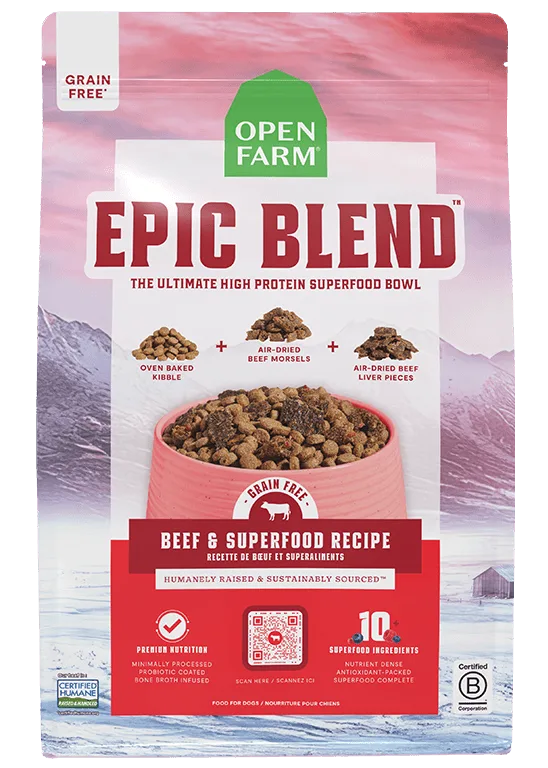
Cooking methods matter too. Lightly steaming, boiling, or baking meat preserves nutrients while eliminating harmful bacteria. Avoid frying or adding oils, salt, or spices. For an easy, balanced option that combines fresh-style ingredients with convenience, many pet owners turn to Epic Blend Salmon & Superfood Dry Dog Food as a base or topper. It delivers premium salmon protein alongside superfoods like pumpkin and kale, making it a great complement to homemade meals.
- Choose lean, unseasoned meat or fish for the primary protein source.
- Cook gently to retain nutrients and ensure safety.
- Rotate proteins weekly to provide a broader amino acid profile.
Incorporate Fresh Vegetables and Fruits for Vitamins and Fiber
Vegetables add essential vitamins, minerals, and dietary fiber to a homemade dog meal. Dark leafy greens like spinach and kale are rich in iron and antioxidants. Orange vegetables such as carrots and sweet potatoes provide beta-carotene and vitamin A. Cruciferous veggies like broccoli and cauliflower offer fiber and cancer-fighting compounds. Fruits like blueberries and apples (without seeds) deliver antioxidants and natural sweetness.
Always chop vegetables into small, digestible pieces and lightly steam or puree them to break down cellulose. This improves nutrient absorption and reduces the risk of choking. Aim for vegetables to make up about 10–20% of the meal by volume. For a boost of greens without the prep work, consider adding Arctic Char Topper for Dogs to your homemade bowl. It’s a freeze-dried topper made with single-ingredient Arctic char, adding protein and healthy fats while keeping the meal fresh.
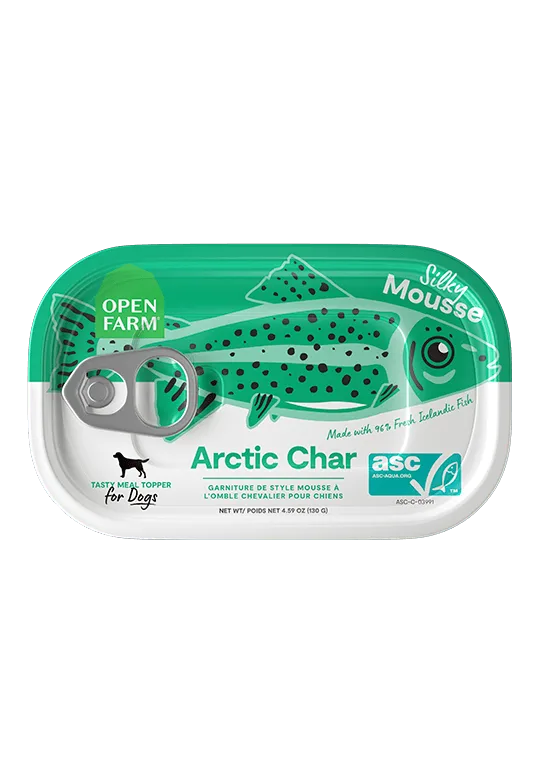
Arctic Char Topper for Dogs
- Steam or puree vegetables to aid digestion and nutrient absorption.
- Rotate veggie choices to cover a range of vitamins and minerals.
- Avoid toxic foods: onions, garlic, grapes, raisins, and avocado.
Add Healthy Carbohydrates and Grains for Energy
Carbohydrates provide sustained energy and support digestive health. Cooked grains like brown rice, quinoa, oats, and barley are gentle on the stomach and rich in B vitamins and fiber. Starchy vegetables like sweet potatoes, pumpkin, and peas also serve as excellent carb sources. For dogs with grain sensitivities, options like lentils or chickpeas work well.
Grains and starches should make up about 25–40% of the meal, depending on your dog’s activity level. Cooking grains thoroughly makes them easier to digest. Pumpkin is especially beneficial for dogs with sensitive stomachs due to its soluble fiber content. If you’re short on time, Icelandic Cod & Arctic Char Wet Food for Dogs offers a complete, gently cooked meal that includes balanced carbohydrates and omega-rich fish, perfect for mixing with your own fresh veggies.
- Cook grains and starches fully to improve digestibility.
- Use pumpkin or sweet potato for added fiber and gut support.
- Adjust carb portions based on your dog’s energy needs and weight goals.
Don’t Forget Healthy Fats and Essential Fatty Acids
Healthy fats are crucial for skin and coat health, brain function, and inflammation control. Sources include fish oil (rich in EPA and DHA), flaxseed oil, chia seeds, and coconut oil. Animal fats from the meat you cook also contribute, but adding a separate omega-3 source helps balance the fatty acid profile. Omega-3s are especially important for dogs with allergies or joint issues.
Aim for fats to make up about 10–15% of the total calorie content. Fish oil is one of the most bioavailable sources. You can also incorporate fatty fish like salmon or mackerel directly into meals. For a convenient way to boost omega-3s, the Goodbowl Variety Pack for Dogs provides a range of gently cooked bowls that include fish and superfoods, making it easy to rotate flavors and nutrients.
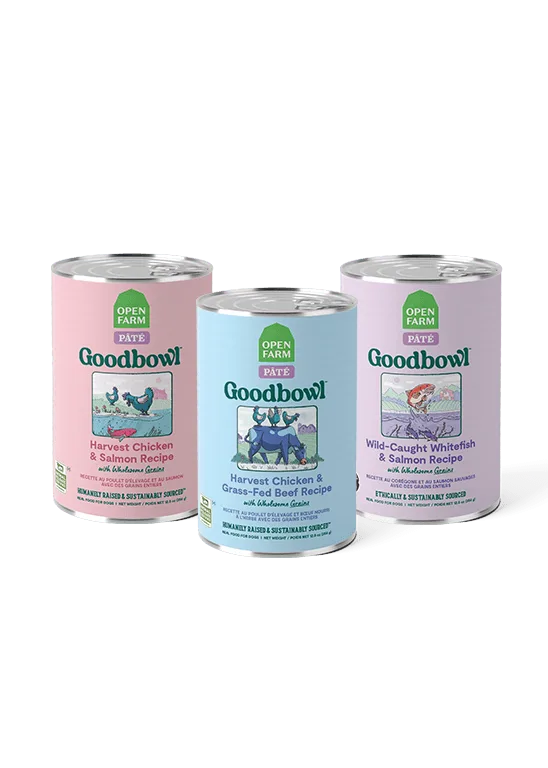
Goodbowl Variety Pack for Dogs
- Add a fish oil supplement or fatty fish 2–3 times per week.
- Avoid excessive saturated fats; stick to unsaturated sources.
- Store oils in the refrigerator to prevent rancidity.
Balance with Essential Vitamins, Minerals, and Supplements
Even the freshest ingredients can lack certain nutrients dogs need long-term. Calcium is one of the most common deficiencies in homemade diets. Without bone meal or a calcium supplement, dogs can develop skeletal issues. Other critical nutrients include zinc, copper, iodine, and vitamin D. A complete multivitamin formulated for homemade diets is highly recommended.
You can also use whole food sources like ground eggshells (for calcium), kelp (for iodine), and liver (for vitamin A and iron). However, these must be measured carefully to avoid toxicity. Many pet parents find it easier to use a commercial supplement designed for homemade feeding. For a complete, pre-balanced option that takes the guesswork out, the Whitefish & Probiotic Bundle offers a grain-free dry food with probiotics and omega-3s that can serve as a base or mix-in.
- Use a calcium supplement or ground eggshells to meet daily calcium needs.
- Incorporate organ meats like liver in small amounts (5% of diet).
- Consult a veterinary nutritionist for a tailored supplement plan.
Building a balanced homemade dog meal with fresh ingredients is a wonderful way to nourish your dog with love and intention. By focusing on high-quality protein, colorful vegetables, healthy carbs, essential fats, and proper supplementation, you can create meals that rival the best commercial diets. To simplify the process, consider starting with a balanced base like Epic Blend Salmon & Superfood Dry Dog Food and adding your own fresh mix-ins. Your dog will thank you with every happy, healthy bite.