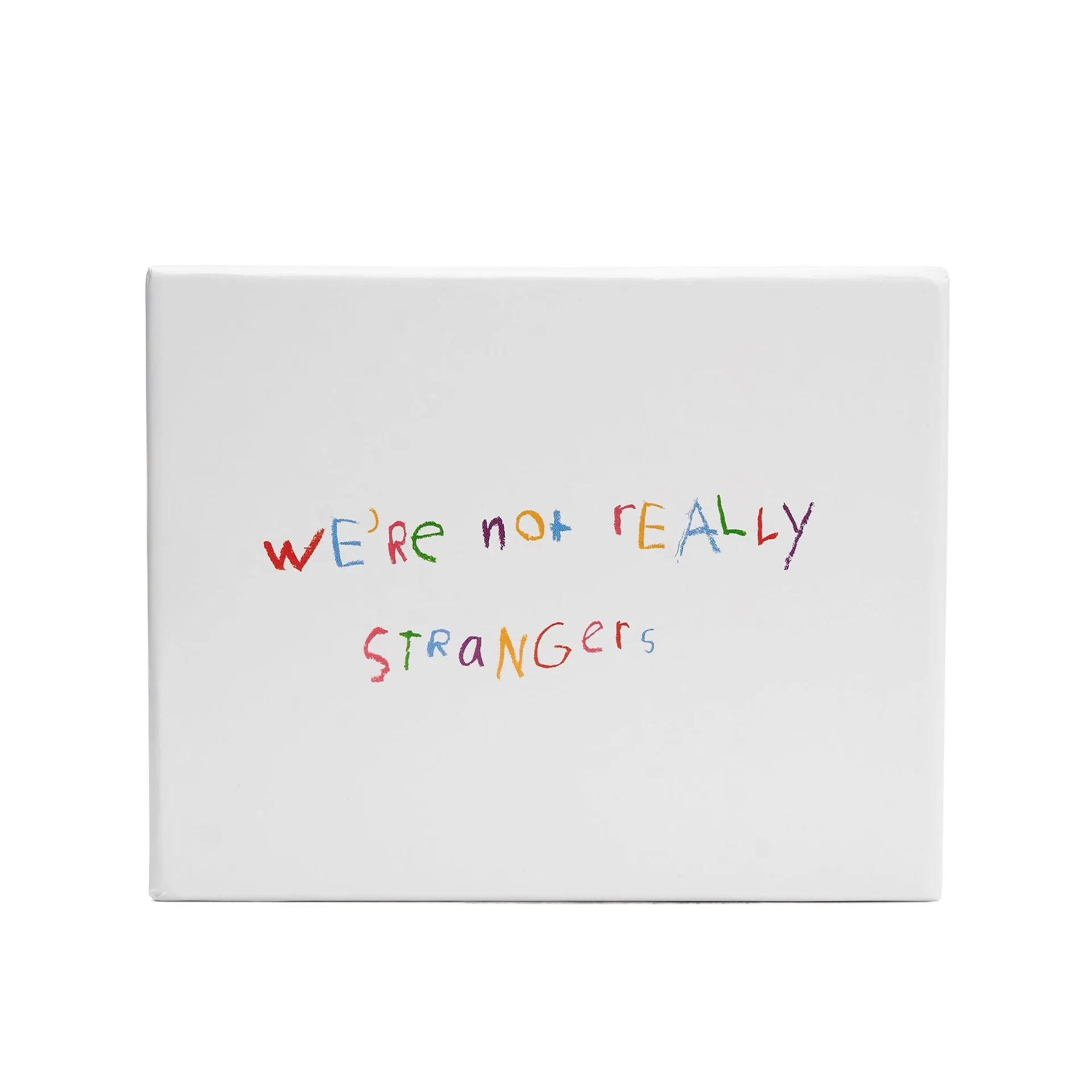
Navigating the teenage years can feel like walking through a minefield of rolled eyes, one-word answers, and closed bedroom doors. Parents, guardians, and even older siblings often struggle to connect with teens in a way that feels natural rather than forced. Traditional conversation starters can come across as cheesy or invasive, making the gap wider instead of bridging it.
That’s where conversation card games for teens step in. Unlike a direct interrogation about their day, a card game creates a low-pressure, playful environment where teens feel safe to open up. We’re Not Really Strangers has developed a range of thoughtful tools designed to foster genuine connection, and several of them are perfect for the teenage crowd. In this guide, we’ll explore the best card games for teenagers, how to use them effectively, and which products can turn awkward silence into meaningful dialogue.
Why Card Games Work for Teen Communication
Teens are at a developmental stage where they crave independence but still need emotional support. Direct questions like "How was school?" often trigger defensive responses because they feel like an interrogation. Conversation card games reframe the interaction as a shared activity, reducing the pressure to perform or give the "right" answer. The element of chance—drawing a card—makes the conversation feel spontaneous and less targeted.
Moreover, these games normalize vulnerability. When a parent or friend also answers the same question, it models openness and creates a two-way street. This reciprocity is crucial for building trust with teenagers. Games like the Will You Cards encourage players to ask for something specific from each other, which can be a powerful way for teens to express needs they might not otherwise voice.

Will You Cards
- Start with lighthearted questions to build comfort before moving to deeper topics.
- Let the teen choose which card to answer first to give them a sense of control.
- Play without phones or other distractions to maximize presence and connection.
Top Picks for Teen-Friendly Conversation Card Games
When selecting conversation starters for teenagers, it’s important to look for games that balance depth with fun. The original We're Not Really Strangers card game is a fantastic starting point. Its three levels—perception, connection, and reflection—guide players from surface-level observations to deeper emotional sharing. Teens appreciate the structure because it doesn't jump straight into heavy topics.
For teens who are navigating friendships and social dynamics, the XXX edition offers a playful yet meaningful experience that focuses on self-discovery and understanding others. Its prompts are designed to be thought-provoking without being too intense, making it ideal for teen sleepovers or group hangouts. Another standout is the Don't Overthink It deck, which encourages spontaneous, quick responses—perfect for breaking the ice at family dinners or car rides.
- For family game night, combine the original deck with a journal for deeper reflection afterward.
- Use the XXX edition during a teen's hangout to help friends learn something new about each other.
- Keep the Don't Overthink It deck in the car for road trips or waiting in line.
How to Introduce Card Games to a Skeptical Teen
If your teen is resistant to the idea of a "game" that feels like therapy, approach it sideways. Instead of announcing a family game night, leave the deck in a common area like the coffee table or kitchen counter. Curiosity will often get the better of them. You can also frame it as a challenge: "I bet you can't answer this card without laughing."
Another effective strategy is to pair the card game with a cozy activity. For example, suggest a movie night but start with a few cards while you wait for the popcorn. The I'm So Happy We Met Hoodie - Black can be a comforting prop—wearing something soft and familiar lowers defenses. Once they experience the genuine fun of sharing stories without judgment, they’ll likely ask to play again.
- Model vulnerability by answering honestly—teens mirror what they see.
- Avoid correcting or judging their answers; the goal is connection, not teaching.
- Use the cards one-on-one first before involving the whole family.
Combining Card Games with Journaling for Deeper Self-Discovery
Teens often need time to process their thoughts before sharing them aloud. Pairing conversation card games with a journal can be incredibly effective. After a card game session, encourage your teen to write down one insight or feeling that came up. The We're Not Really Strangers Guided Journal provides structured prompts that complement the card decks perfectly.
This combination allows teens to reflect privately before discussing further, if they choose. It also gives them a tangible keepsake of their growth. The WNRS Pen Set adds a tactile, intentional element to the journaling practice—writing by hand can be more grounding than typing. Over time, this ritual can become a cherished part of their self-care routine.

WNRS Pen Set
- Set aside 10 minutes after each card game session for quiet journaling.
- Let teens decorate their journal to make it feel personal and safe.
- Respect their privacy—don't read their journal unless they invite you to.
Using Card Games for Sibling Bonding and Friendship Building
Conversation card games aren't just for parent-teen dynamics. They can also strengthen bonds between siblings and friends. The Breakup Edition, while designed for romantic breakups, can be adapted for friendship transitions or conflicts. Teens navigating shifting social circles will find its prompts validating and healing.
For groups, the 365 deck offers a year's worth of daily prompts that can be used as a ritual with a best friend or sibling. Each card is a small opportunity to check in and feel seen. This consistent practice can prevent misunderstandings and build a foundation of trust that lasts through the turbulent teenage years.
- Assign a "card of the day" for siblings to discuss at dinner.
- Use the 365 deck as a bedtime ritual with a younger teen.
- Encourage teens to bring the game to a friend's house for a sleepover.
Conversation card games for teens are more than just a fun activity—they are bridges to deeper understanding, empathy, and connection. Whether you choose the original deck, the playful XXX edition, or the reflective Don't Overthink It, you’re giving your teen a gift of presence and curiosity. Start small, stay consistent, and watch the walls come down. Explore the Will You Cards to add a layer of intentional asking and receiving to your family’s communication toolkit.