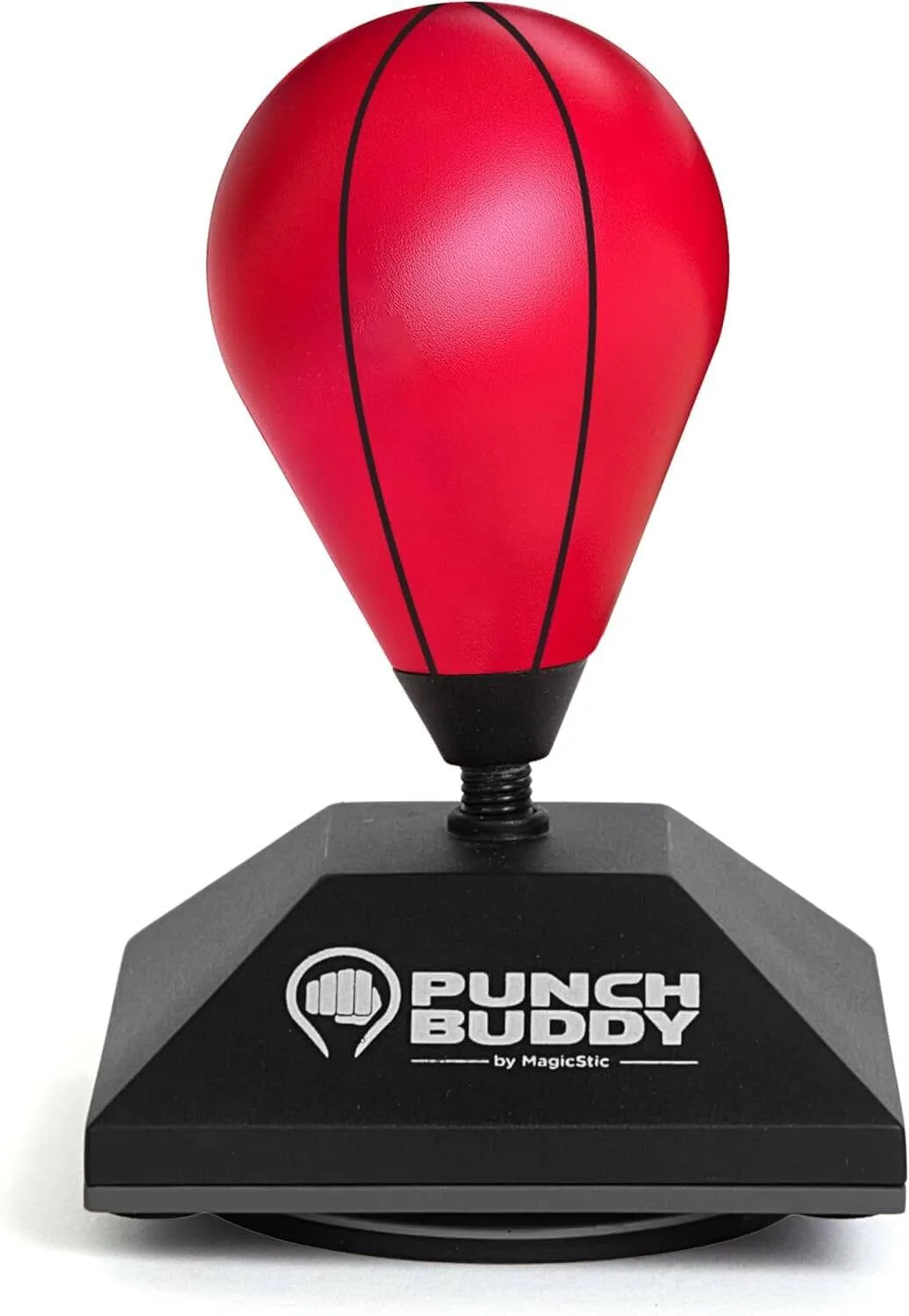
Anxiety in the workplace is more common than ever, and many people are turning to desk toys as a simple, effective way to manage stress and stay focused. Whether you’re working from home or in a busy office, having a small fidget tool on your desk can provide a calming sensory outlet without disrupting your workflow. In 2025, the market for desk toys has expanded far beyond the classic stress ball, offering innovative designs that cater to different needs—from silent fidgeting for meetings to tactile stimulation for deep concentration.
This buyer’s guide will walk you through the best desk toys for anxiety relief, highlighting what to look for in terms of material, noise level, and portability. We’ll also explore how these tools can benefit people with ADHD, and why investing in a quality fidget toy is a smart move for your mental well-being. Whether you’re new to desk toys or looking to upgrade your collection, you’ll find practical advice and product recommendations to help you choose the perfect stress-relief companion for your desk.
Why Desk Toys Work for Anxiety Relief
Desk toys, also known as fidget tools, help reduce anxiety by providing a repetitive, low-stakes physical activity that can distract the brain from racing thoughts. This type of sensory input triggers the release of calming neurotransmitters like serotonin and dopamine, which can lower stress levels and improve mood. For many people, the simple act of squeezing, spinning, or clicking a desk toy creates a grounding effect that makes it easier to stay present and focused.
Research has shown that fidgeting can actually enhance cognitive performance, especially for individuals with ADHD or high anxiety. By channeling restless energy into a small, controlled movement, desk toys help the brain filter out distractions and maintain attention on the task at hand. In 2025, ergonomic and aesthetically pleasing designs have made these tools a staple in modern workspaces, blending seamlessly with desk decor while offering genuine therapeutic benefits.
- Look for desk toys made from non-toxic, durable materials like silicone, metal, or high-quality plastic.
- Choose silent or low-noise options if you work in a shared office or attend virtual meetings frequently.
- Consider portability: small, lightweight toys are easier to carry between home and office.
Top Desk Toys for Anxiety in 2025
The best desk toys for anxiety relief in 2025 combine satisfying tactile feedback with discreet design. Popular categories include spinners, cubes, and magnetic puzzles, but new innovations like fidget rings and marble mazes have also gained traction. When selecting a desk toy, think about the type of movement that soothes you—some people prefer twisting and spinning, while others find squeezing or sliding more effective.
One standout option is the classic fidget spinner, which has evolved with smoother bearings and quieter operation. For those who enjoy a more structured fidget experience, a fidget cube offers multiple buttons, switches, and rollers in one compact device. Magnetic desk toys, such as magnetic rings or stacking blocks, provide a satisfying click and can be used for creative play during breaks. If you prefer something that doubles as a decorative piece, look for minimalist designs in neutral colors that complement your workspace.
- Fidget spinners with ceramic bearings are among the quietest and most durable.
- Fidget cubes often include a silent clicking button, a rolling ball, and a switch for varied sensory input.
- Magnetic desk toys can help improve fine motor skills while reducing stress.
How to Choose the Right Desk Toy for Your Needs
Not all desk toys are created equal, and what works for one person may not work for another. Start by considering your primary goal: are you looking to reduce anxiety, improve focus, or simply add a bit of fun to your workday? If you need to stay quiet during calls, avoid toys that click or rattle loudly. For deep focus, a toy that requires gentle manipulation—like a fidget ring or a smooth stone—may be ideal.
Material and durability also matter. Silicone desk toys are soft and grippy, making them great for squeezing, while metal toys offer a cool, weighty feel that some find grounding. If you have allergies or sensitive skin, opt for hypoallergenic materials. Finally, think about your desk space: a small, unobtrusive toy is better for a clutter-free environment, while a larger puzzle or maze can serve as a conversation starter and a stress reliever during breaks.
- Test different types of fidget movements (e.g., spinning, pressing, sliding) to find what calms you most.
- Read reviews to check for noise levels and build quality before purchasing.
- Consider buying a multi-pack or variety set to try several styles at once.
Desk Toys for ADHD Focus: What to Look For
For individuals with ADHD, desk toys can be a game-changer for maintaining concentration during long tasks. The key is to choose a toy that provides enough sensory input to keep the brain engaged without becoming a distraction itself. Tools that require fine motor control—like fidget cubes with multiple buttons or spinners with textured edges—tend to work well because they occupy the hands without pulling attention away from work.
Another effective option is a tactile fidget toy that mimics natural movements, such as a worry stone or a stretchy band. These toys can be used discreetly under the desk or in a pocket, making them suitable for meetings and classrooms. In 2025, many ADHD-focused desk toys are designed with ergonomic grips and non-slip surfaces, ensuring they stay put during use. Pairing a desk toy with other focus strategies, like the Pomodoro technique, can further enhance productivity and reduce anxiety.
- Choose desk toys that can be used with one hand so you can keep typing or writing.
- Avoid toys with bright flashing lights or loud sounds that may be overstimulating.
- Look for toys that are easy to clean, especially if you use them while eating or drinking.
Integrating Desk Toys into Your Work Routine
To get the most out of your desk toy, use it intentionally rather than as a mindless habit. For example, when you feel anxiety rising before a big presentation, take a minute to focus on the toy’s texture and movement. During deep work sessions, keep the toy within reach and use it during short breaks to reset your focus. Many people find that alternating between a few different toys prevents boredom and keeps the sensory experience fresh.
It’s also important to set boundaries: if you notice the toy is distracting you from important tasks, put it aside for a few minutes. Desk toys are tools, not crutches, and they work best when used in moderation. Over time, you’ll develop a rhythm that helps you stay calm and productive throughout the day. Remember to clean your desk toy regularly to maintain hygiene, especially if you share your workspace with others.
- Keep your desk toy in a designated spot, like a pen holder or a small tray, to avoid losing it.
- Use the toy as a timer: fidget for 30 seconds to reset between tasks.
- Share your favorite desk toy with a colleague—it can be a great conversation starter.
Whether you’re battling workplace anxiety, looking to sharpen your focus, or simply want a pleasant sensory break during the day, the right desk toy can make a world of difference. From silent spinners to tactile cubes, the options in 2025 are diverse and effective. Start by exploring a few different styles to see what resonates with you, and remember that the best desk toy is the one you actually enjoy using. For a curated selection of high-quality fidget tools and stress-relief products, check out our desk toy collection and find your perfect match today.