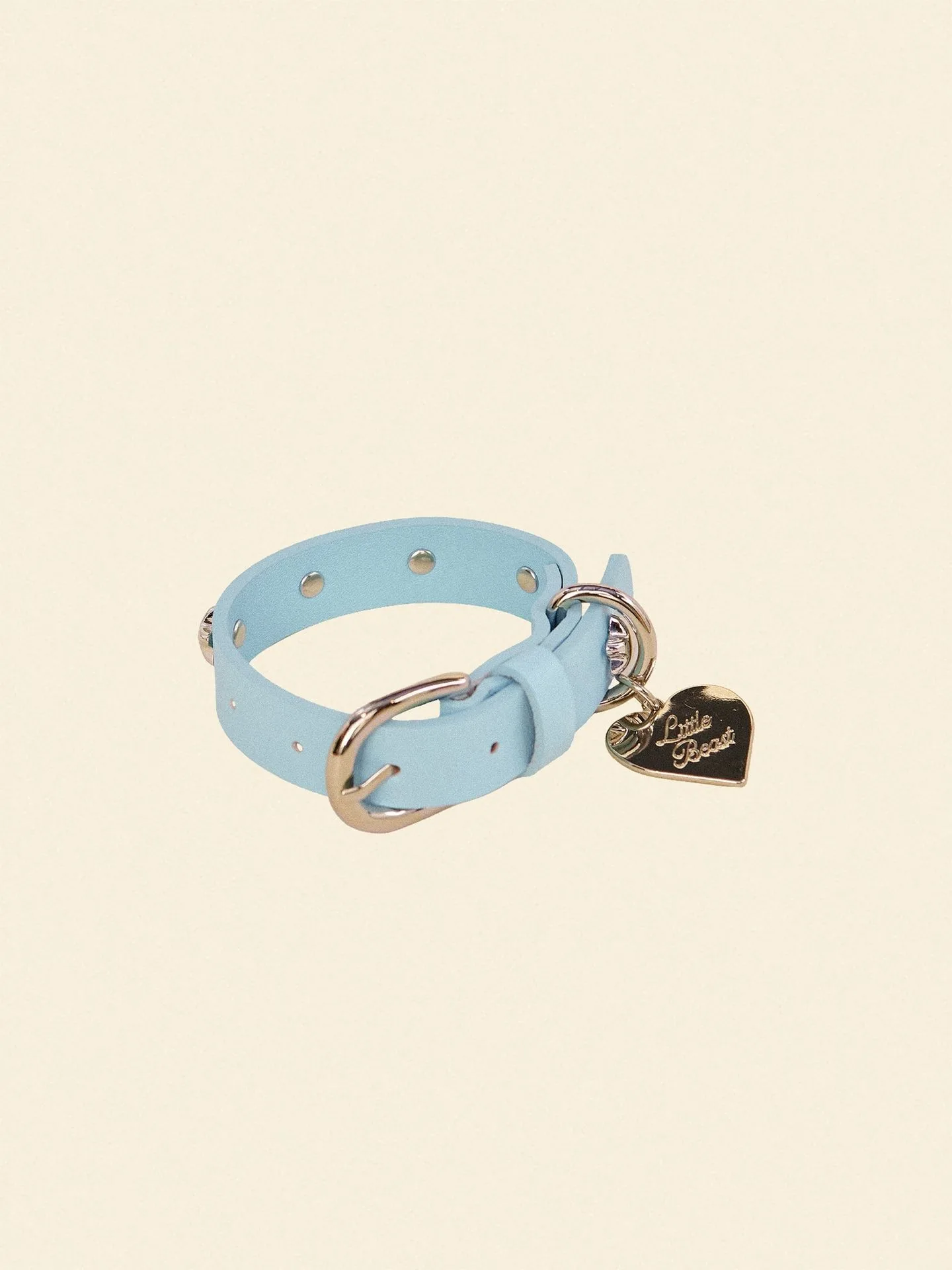
Bringing a new puppy home is an exciting milestone, and one of the first essentials you'll need is a reliable collar. Puppies grow quickly, explore with boundless curiosity, and need a collar that balances safety with comfort. Choosing the right collar sets the foundation for leash training and identification, so it's important to get it right from the start.
In this guide, we'll walk you through the key features to look for in the best dog collars for puppies, including safety mechanisms, adjustability for rapid growth, and styles that suit your pup's personality. Whether you're preparing for walks, vet visits, or playdates, these tips will help you make an informed choice.
Why Safety Should Be Your Top Priority
When selecting a puppy collar, safety features are non-negotiable. Puppies are notorious for wriggling out of collars or getting them caught on furniture, fences, or other dogs. A breakaway or quick-release buckle is a smart choice for young pups, as it releases under pressure to prevent choking or injury. Additionally, reflective stitching or bright colors enhance visibility during early morning or evening walks, keeping your puppy safe in low-light conditions.
Another safety consideration is the material. Soft, breathable fabrics like nylon or cotton are gentle on sensitive puppy skin and reduce the risk of irritation. Avoid collars with heavy metal hardware that can weigh down a small neck. The goal is a collar that fits snugly without restricting movement or breathing.
- Look for breakaway buckles or quick-release mechanisms for added safety.
- Choose reflective or high-visibility colors for outdoor adventures.
Adjustability for Growing Puppies
Puppies grow at an astonishing rate, sometimes doubling in size within weeks. An adjustable collar allows you to loosen or tighten the fit as your puppy grows, saving you from buying a new collar every month. Most quality puppy collars offer multiple adjustment points, typically ranging from 8 to 14 inches in neck circumference for small to medium breeds. For larger breeds, look for collars that extend up to 18 inches or more.
A good rule of thumb is to check the fit regularly: you should be able to slide two fingers comfortably between the collar and your puppy's neck. If the collar leaves indentations or seems too loose, adjust it immediately. Some collars also feature a sliding buckle design that makes adjustments quick and easy, even on a wiggly puppy.
- Measure your puppy's neck with a soft tape measure and add two finger widths for a safe fit.
- Opt for collars with at least three adjustment holes to accommodate growth spurts.
Style Meets Function: Choosing a Design That Suits Your Pup
While safety and adjustability are paramount, style is a fun bonus. Puppy collars come in a rainbow of colors, patterns, and materials, from classic leather to playful prints. A stylish collar can reflect your puppy's personality and make walks more enjoyable. For example, the Ruby - Flower Power Leash pairs beautifully with a matching collar for a coordinated look that turns heads at the dog park.
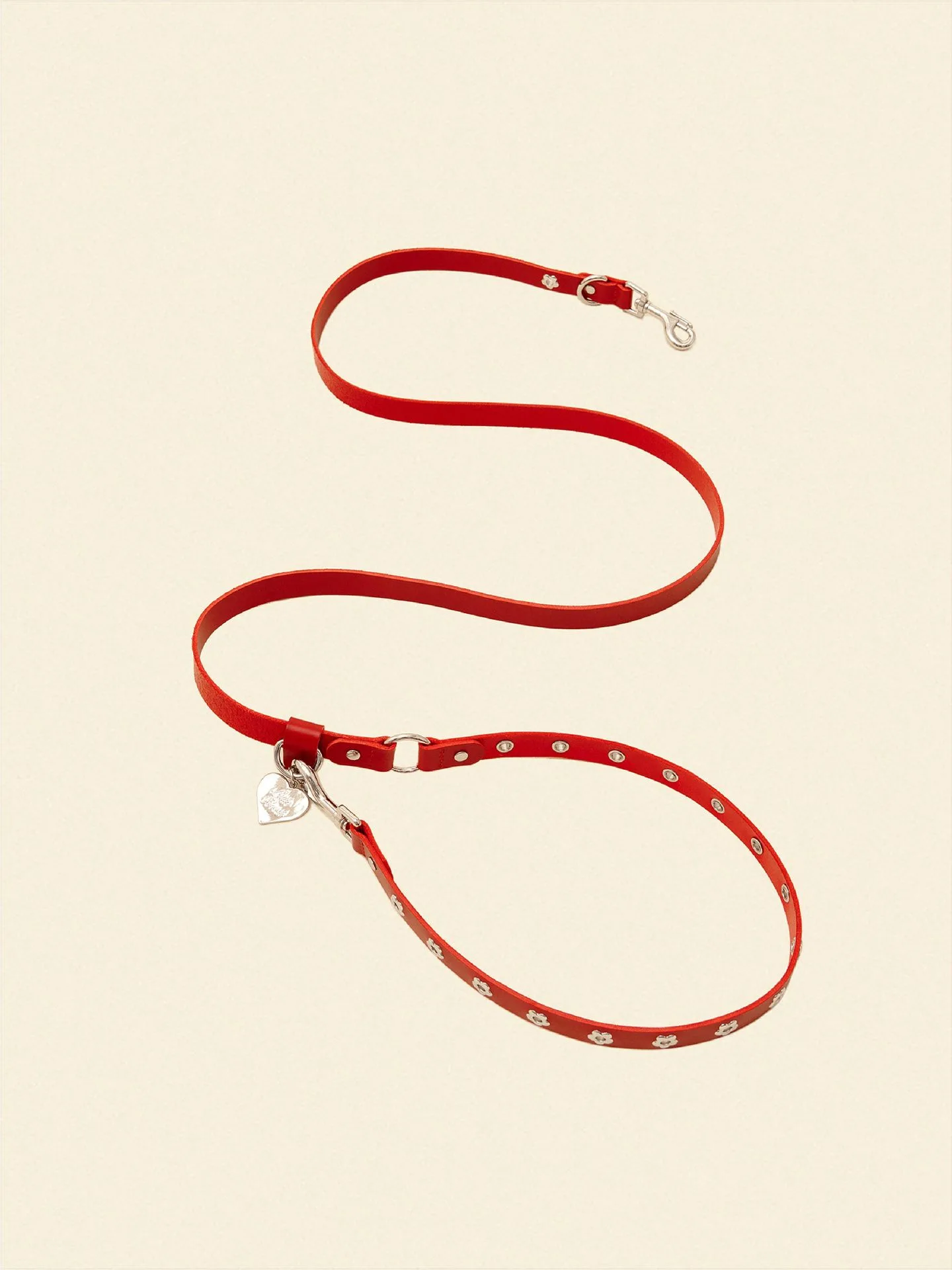
Ruby - Flower Power Leash
If your puppy tends to pull or needs extra control, consider a martingale collar, which tightens slightly when tension is applied without choking. For everyday wear, a flat buckle collar remains the most popular choice. Whichever style you choose, ensure the hardware is rust-resistant and the stitching is reinforced for durability during active play.
- Match your puppy's collar to a coordinating leash, like the Ruby - Flower Power Leash, for a cohesive look.
- Avoid collars with dangling charms or tags that can snag on objects.
Top Features to Look for in a Puppy Collar
When shopping for the best dog collars for puppies, keep an eye out for these essential features. First, a lightweight construction prevents neck strain, especially for tiny breeds like Chihuahuas or Yorkies. Second, a D-ring for attaching ID tags and a leash should be sturdy and centered to avoid twisting. Third, a quick-release buckle is ideal for puppies that are still learning to stay calm during grooming or vet checks.
Some collars also come with a reflective strip or neon color for visibility, which is especially useful for evening walks. If your puppy has sensitive skin, hypoallergenic materials like neoprene or padded fabric can prevent chafing. Finally, consider a collar that is machine washable, as puppies are prone to getting dirty during outdoor play.
- Prioritize lightweight materials like nylon or padded fabric for small breeds.
- Ensure the D-ring is firmly attached and large enough to clip a leash easily.
How to Measure Your Puppy for the Perfect Fit
Measuring your puppy for a collar is simple but crucial. Use a soft measuring tape to wrap around the base of their neck, where the collar will sit. Add two fingers' width (about an inch) for comfort. If you don't have a tape measure, use a piece of string and then measure it against a ruler. Puppies grow fast, so re-measure every two to four weeks to ensure the collar remains snug but not tight.
When trying on a collar, check that it doesn't slide over your puppy's head easily—this is a sign it's too loose. Conversely, if you can't fit two fingers underneath, it's too tight. Many collars come with sizing charts based on neck circumference and weight, so consult these before purchasing. A well-fitted collar reduces the risk of escape and keeps your puppy comfortable during all activities.
- Re-measure your puppy's neck every 2-4 weeks during the first six months.
- Test the fit by sliding two fingers between the collar and your puppy's neck.
Collar Alternatives for Puppies: When to Consider a Harness
While collars are great for ID tags and everyday wear, some puppies may benefit from a harness for walks. Harnesses distribute pressure across the chest and back, reducing strain on the neck—especially for brachycephalic breeds like pugs or bulldogs. Puppies that pull excessively or have respiratory issues are often better suited to a harness. However, a collar remains essential for holding identification tags, even if you primarily use a harness for walks.
For most puppies, a combination of a lightweight collar for ID and a harness for leash training works best. This approach allows you to keep your puppy safe while giving them the freedom to explore. As your puppy grows, you can transition to a more robust collar or upgrade to a stylish option like the ADEDAS Sleeveless Shirt - Blue for a complete look.
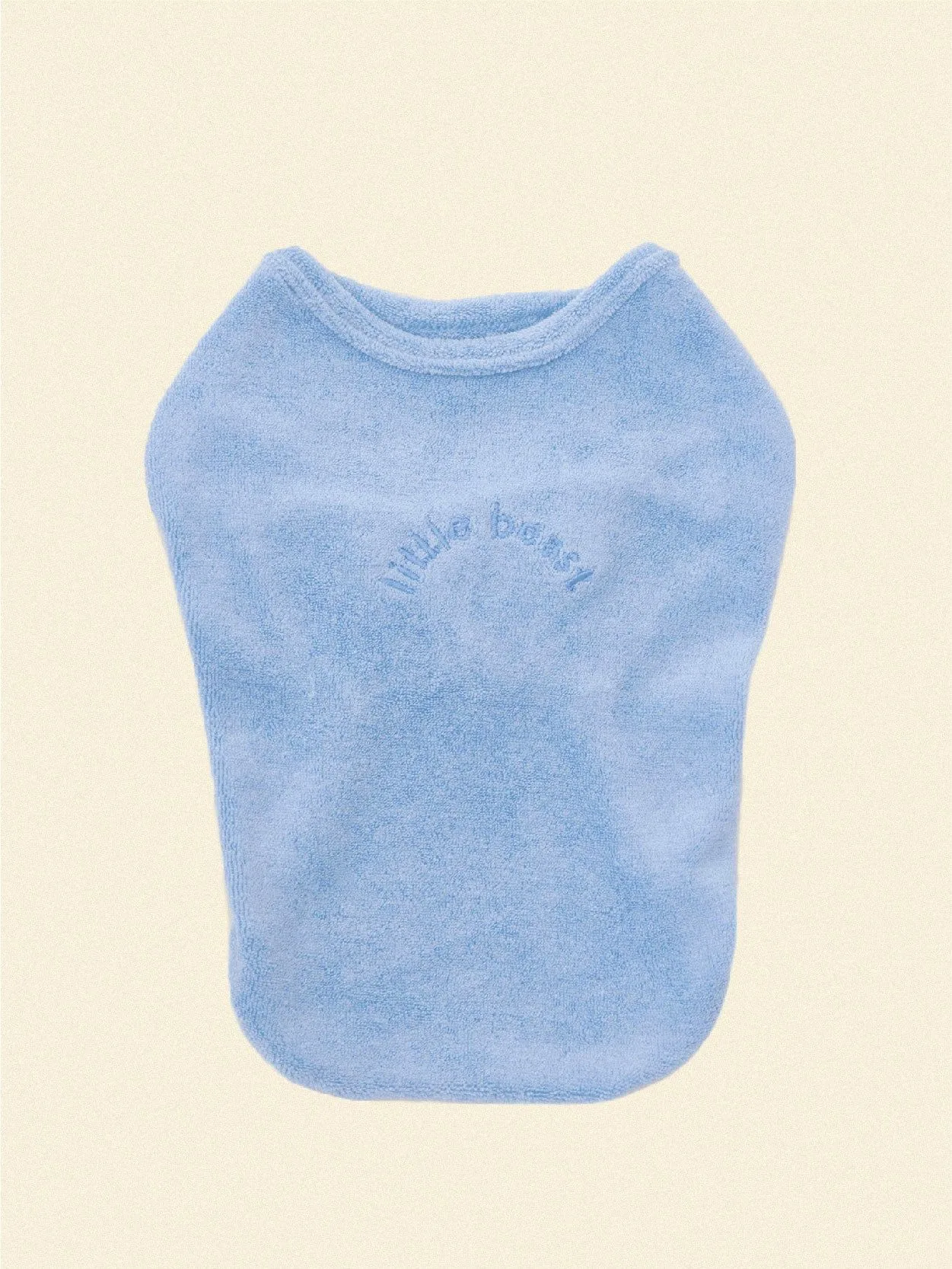
ADEDAS Sleeveless Shirt - Blue
- Use a collar for ID tags and a harness for walks to reduce neck strain.
- Consider a harness for puppies that pull or have short snouts.
Choosing the best dog collars for puppies doesn't have to be overwhelming. Focus on safety features like breakaway buckles, prioritize adjustability for growth, and pick a style that makes your pup shine. For a durable and stylish option, explore the ADEDAS Sleeveless Shirt - Blue to complement your puppy's new collar and complete their wardrobe. Your furry friend will thank you with tail wags and happy adventures!