Deboning a chicken might seem intimidating, but with the right knife, it becomes a quick, rewarding skill that saves money and opens up endless recipe possibilities — from stock and soups to stuffed roasts and stir-fries. The choice of knife can make or break your experience: a flexible blade glides along bones with ease, while a stiff, heavy knife can tear meat and make the job frustrating.
In this guide, we compare three popular kitchen knives for deboning chicken: the specialized boning knife, the versatile chef's knife, and the compact utility knife. We'll break down their strengths, weaknesses, and ideal use cases so you can choose the best tool for your kitchen. Along the way, we'll highlight some of our favorite products that can elevate your prep work.
Why the Right Knife Matters for Deboning Chicken
Deboning chicken requires precision, control, and the ability to cut close to bone without wasting meat. A knife that is too thick or too stiff can make it hard to follow the contours of the carcass, leading to ragged cuts and more work. Conversely, a knife that is too flexible or too short may lack the leverage needed to separate joints cleanly.
The three contenders — boning knife, chef's knife, and utility knife — each bring different attributes to the table. A boning knife is purpose-built for this task, with a narrow, sharp blade that can be either flexible or stiff depending on the model. A chef's knife is a multitasker that can handle deboning in a pinch, but its wider blade and heavier weight can be a disadvantage for intricate work. A utility knife sits in between, offering decent control but often lacking the length and edge geometry needed for efficient deboning.
- A boning knife's curved blade allows you to make long, smooth cuts along bone without tearing meat.
- Chef's knives are great for breaking down whole chickens into parts but less ideal for removing every last bit of meat from the frame.
- Utility knives work well for small or delicate tasks like trimming silverskin but are not the best choice for whole chicken deboning.
Boning Knife: The Specialist's Choice
A boning knife is the gold standard for deboning chicken. Its blade is typically 5 to 6 inches long, narrow, and very sharp, allowing you to maneuver around bones, joints, and cartilage with precision. The blade can be flexible (for poultry and fish) or stiff (for beef and pork), but for chicken, a medium-flex blade offers the best balance of control and agility.
When using a boning knife, you can make long, sweeping cuts that follow the bone structure, leaving almost no meat behind. The pointed tip helps you separate joints cleanly, and the narrow profile reduces drag. For anyone who debones poultry regularly — whether for meal prep, stock, or special dishes — investing in a quality boning knife is a game-changer.
- Look for a blade with a slight curve (called a 'sabre grind') for better edge retention and easier sharpening.
Chef's Knife: The Versatile All-Rounder
A chef's knife is the workhorse of the kitchen, and many home cooks use it for everything from chopping vegetables to slicing meat — including deboning chicken. With an 8-inch blade and a broad profile, a chef's knife can certainly break down a whole chicken into parts: legs, thighs, wings, and breast. However, when it comes to removing the meat from the bone for boneless cuts, the chef's knife's wider blade can feel cumbersome.
The heavier weight and thicker spine of a chef's knife make it harder to follow the tight curves of a chicken carcass. You may end up cutting through bone or leaving more meat on the frame. That said, if you only debone occasionally and want one knife to do it all, a high-quality chef's knife is a reasonable choice — just be prepared for a bit more waste and effort.
- If using a chef's knife, choose one with a thinner blade (e.g., a Japanese-style gyuto) for better maneuverability.
Utility Knife: The Compact Compromise
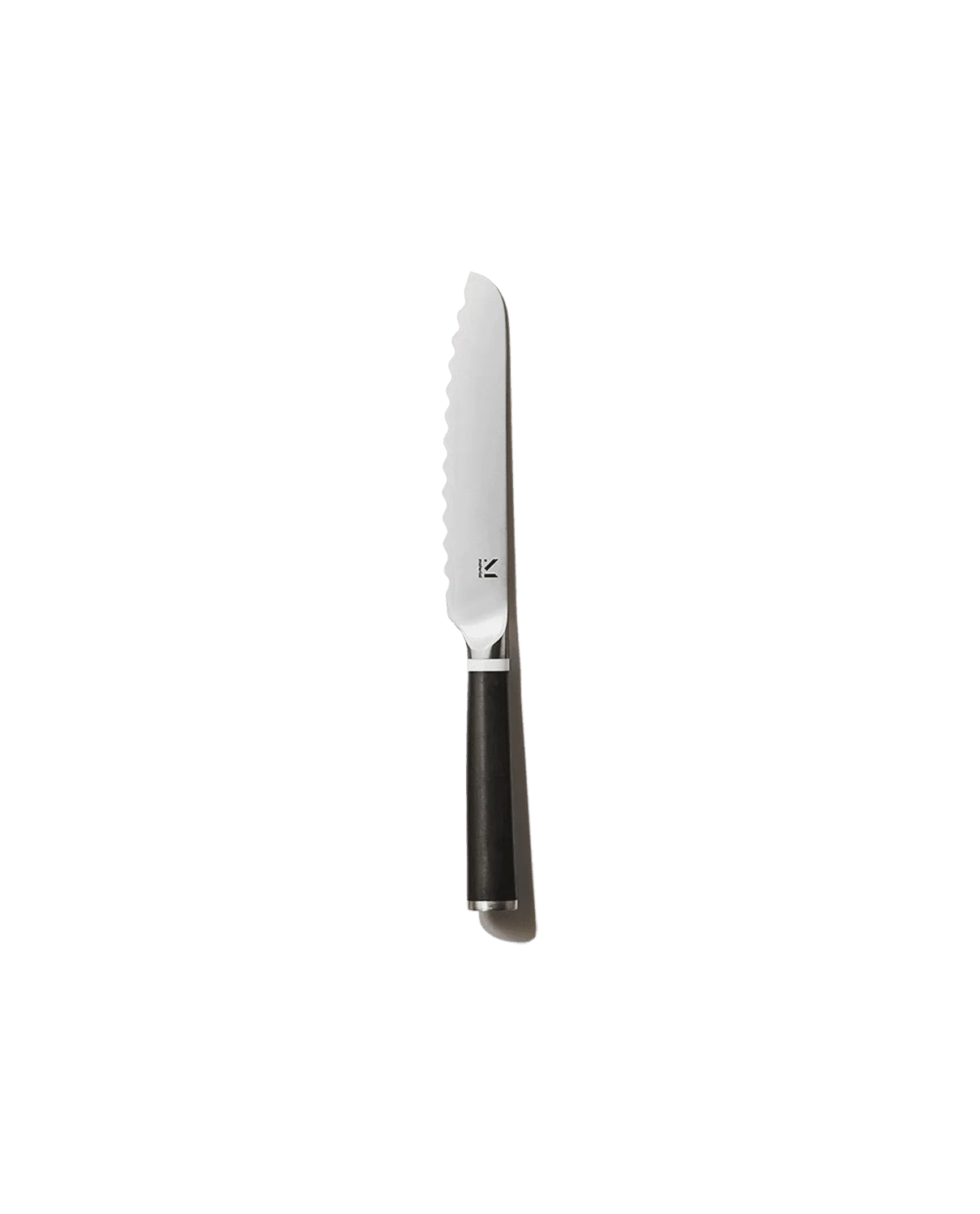
A utility knife typically has a 4 to 6-inch blade that is narrower than a chef's knife but thicker than a boning knife. It's designed for small to medium tasks like slicing cheese, trimming fat, or cutting sandwiches. For deboning chicken, a utility knife can work in a pinch — especially for smaller birds or specific cuts like removing the backbone — but it lacks the length and blade shape needed for efficient, full-carcass deboning.
The short blade means you'll need more strokes to separate meat from bone, and the tip may not be sharp enough to navigate joints cleanly. For occasional use or for trimming already-butchered pieces, a utility knife is fine, but it's not the best tool for the job if you're serious about minimizing waste and maximizing speed.
- A utility knife with a pointed tip (like a bird's beak or sheep's foot) can help with detail work around joints.
Key Features to Look for in a Deboning Knife
If you decide to go with a boning knife, here are the features that matter most. First, blade flexibility: for chicken, a medium-flex blade is ideal — stiff enough to cut through cartilage but flexible enough to follow bone contours. Second, blade length: 5 to 6 inches is the sweet spot; anything shorter requires more passes, anything longer can be unwieldy. Third, handle ergonomics: a comfortable, non-slip handle is crucial for safety when working with slippery poultry.
Edge retention and ease of sharpening are also important. High-carbon stainless steel holds an edge well and is easy to maintain. A full tang (the blade extending through the handle) provides better balance and durability. Finally, consider a blade with a slight curve (often called a 'sabre grind') that improves edge stability and makes sharpening simpler.
- Always pair your boning knife with a quality cutting board that won't dull the blade — wood or soft plastic is best.
How to Deboning a Chicken Step by Step
Start with a whole chicken that is well-chilled — cold meat is firmer and easier to cut cleanly. Place the chicken breast-side up on a cutting board. Using your boning knife, cut through the skin along the breastbone from neck to tail. Then, carefully separate the breast meat from the rib cage by running the knife along the bones, keeping the blade angled slightly outward to avoid cutting into the meat.
Once the breast is free, move to the legs and thighs. Bend each leg back to pop the joint, then cut through the skin and tendons to separate the leg from the body. For the thigh, locate the joint connecting it to the drumstick and cut through it. Finally, remove the wings by cutting through the joint where the wing meets the body. With practice, this process can take under 10 minutes.
- Use your non-dominant hand to pull the meat taut while cutting — this gives you better control and cleaner cuts.
Top Knife Recommendations for Deboning Chicken
For those ready to invest in a purpose-built tool, a boning knife from a reputable brand is the way to go. Look for a knife with a 5- to 6-inch blade, medium flexibility, and a comfortable handle. Some of our favorite boning knives feature high-carbon stainless steel blades that hold an edge beautifully and are easy to resharpen at home.
If you prefer a multi-purpose approach, consider a high-quality chef's knife with a thinner profile, such as a Japanese gyuto. For occasional use, a utility knife can suffice, but we recommend upgrading to a boning knife for the best results. And don't forget to protect your knives with a proper storage solution — a knife block or magnetic strip keeps blades safe and accessible.
- Store your boning knife in a knife block or on a magnetic strip to prevent dulling and accidental cuts.
Caring for Your Deboning Knife
To keep your boning knife performing at its best, wash it by hand with warm water and mild soap immediately after use — never put it in the dishwasher, as high heat and harsh detergents can damage the blade and handle. Dry it thoroughly with a soft cloth before storing. Regularly hone the blade with a honing steel to maintain the edge between sharpenings.
Sharpen your boning knife every few months (or more often if you use it heavily) using a whetstone or a professional sharpening service. A sharp knife is safer and more efficient than a dull one. Also, always use a cutting board that is gentle on edges — wood or soft plastic is ideal, while glass or stone boards will quickly dull your blade.
- A honing steel realigns the blade edge, while a whetstone actually removes metal to create a new edge — both are important.
Boning Knife vs. Chef's Knife vs. Utility Knife: Quick Comparison
To help you decide at a glance, here's a comparison of the three knife types for deboning chicken:
- Boning Knife: Best for precision, minimal waste, and speed. Ideal for frequent deboners. Blade length 5-6 inches, medium flexibility.
- Chef's Knife: Good for breaking down whole chickens into parts, but less efficient for boneless cuts. Blade length 8 inches, stiff.
- Utility Knife: Acceptable for small tasks or occasional use, but not recommended for full-carcass deboning. Blade length 4-6 inches, moderate flexibility.
Whether you're a home cook looking to save money by breaking down whole chickens or a seasoned chef aiming for precision, the right knife makes all the difference. For most people, a dedicated boning knife is the best investment — it turns a tedious chore into a quick, satisfying task. Explore our collection of premium knives and prep tools to find the perfect addition to your kitchen arsenal.