Choosing the right leash for your puppy is one of the most important decisions you'll make during training. The material of the leash affects everything from your grip to your dog's comfort and safety. Whether you're teaching loose-leash walking or basic obedience, the leash material can make or break your training sessions.
In this guide, we'll compare the most popular leash materials—nylon, leather, and biothane—and help you decide which is best for your puppy's unique needs. We'll also touch on how the right bandana or accessory can complement your training gear for a stylish, confident walk.
Why Leash Material Matters for Puppy Training
Puppies are full of energy and curiosity, which means they'll pull, chew, and tug on their leash during training. The material you choose directly impacts how easy it is to hold, how long it lasts, and whether it's gentle on your puppy's neck or body. A slippery nylon leash might cause grip fatigue, while a rough leather leash could irritate your hands.
Additionally, puppies have sensitive skin, so a leash that chafes or rubs can lead to discomfort and distraction. The right material also affects how quickly you can correct or guide your puppy. For example, a lightweight nylon leash is great for quick corrections, while a padded leather leash offers more control for strong pullers.
- Always choose a leash width appropriate for your puppy's size—½ inch for small breeds, 1 inch for larger dogs.
Nylon Leashes: Lightweight and Versatile
Nylon leashes are the most common choice for puppy training due to their affordability, lightweight feel, and wide range of colors and patterns. They are easy to clean—just toss them in the washing machine—and dry quickly. For puppies that love to chew, nylon is more resistant than cotton but less durable than leather.
One downside is that nylon can be rough on your hands if your puppy pulls hard, especially if the leash is narrow. However, many nylon leashes come with padded handles for extra comfort. They are also less likely to cause slipping in wet conditions compared to leather. For a fun, coordinated look, pair your nylon leash with a matching bandana like the Bandana Wei to add a pop of style to your training sessions.
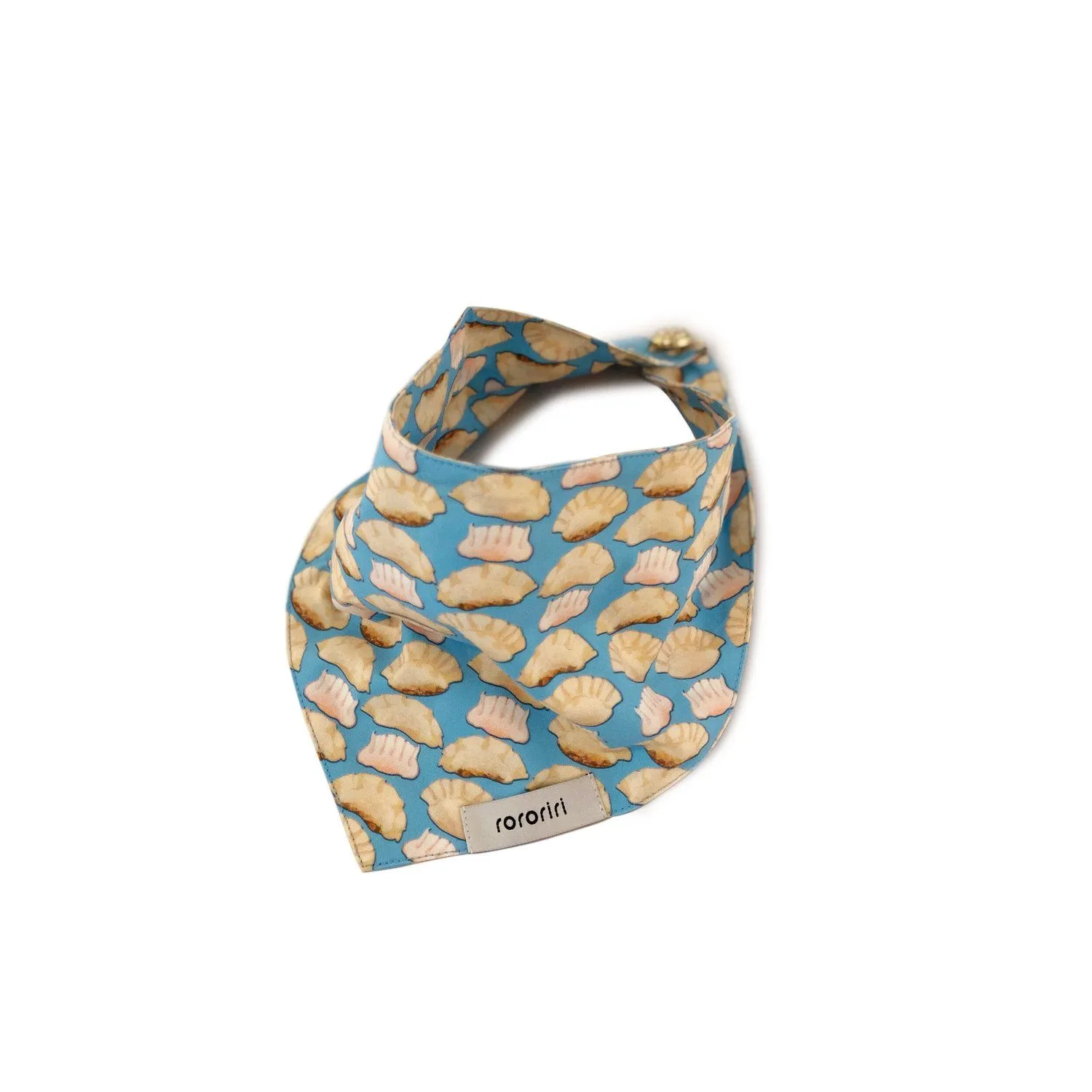
Bandana Wei
- Nylon leashes are best for indoor training or short walks where you need quick control.
Leather Leashes: Durable and Comfortable
Leather leashes are a premium choice for puppy training, offering unmatched durability and a comfortable grip that molds to your hand over time. They are naturally soft and less likely to cause friction burns, making them ideal for long training sessions. Leather also ages beautifully and becomes more supple with use.
The main drawback is that leather requires more maintenance—it can crack if not conditioned regularly and should not be soaked in water. It's also heavier than nylon, which might be a consideration for very small puppies. For a classic, timeless look, a leather leash pairs perfectly with a stylish bow tie like the Bow Tie Stefani for special training occasions or outings.
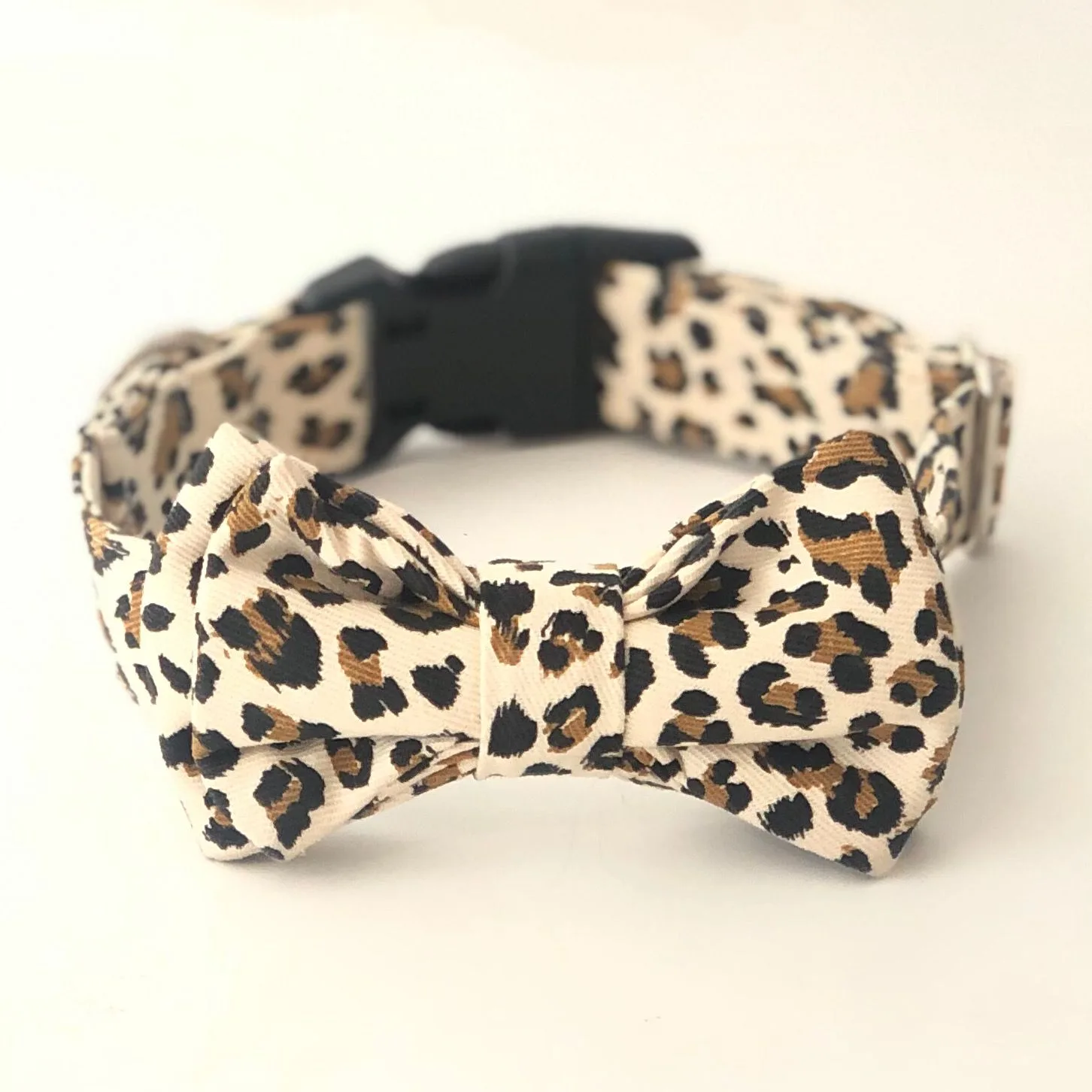
Bow Tie Stefani
- Leather leashes are excellent for puppies that pull strongly, as they provide better grip and control.
Biothane Leashes: The Best of Both Worlds
Biothane is a synthetic material that combines the durability of leather with the waterproof, easy-clean nature of nylon. It is resistant to odor, mold, and UV rays, making it perfect for active puppies who love to play in mud or water. Biothane leashes are also lightweight and come in a variety of bright colors.
Another advantage is that biothane does not absorb moisture, so it won't become heavy or slippery when wet. It's also hypoallergenic and gentle on hands. However, some owners find it less traditional in appearance. For a modern, practical training setup, consider pairing a biothane leash with a comfortable dog tee like the Dog's Tee Michelle for a sporty, functional look.
- Biothane is ideal for puppies that swim or play in wet environments, as it dries instantly.
How to Choose the Right Leash for Your Puppy's Training Needs
When selecting a leash for puppy training, consider your puppy's size, strength, and temperament. For small breeds or puppies that are still learning, a lightweight nylon leash offers easy handling. For larger, stronger puppies, a leather or biothane leash provides better control and durability. The length also matters—a 4-6 foot leash is standard for training, while a longer 15-foot leash can be useful for recall exercises.
Don't forget to factor in your own comfort. If you have arthritis or sensitive hands, a leather or padded nylon leash will be more comfortable. Also, think about the environment—if you live in a rainy area, biothane is your best bet. Finally, always check the hardware (clips and rings) for quality to ensure safety during training.
- Always test the leash clasp strength before using it with a strong puller.
Finding the perfect leash material for your puppy's training journey is all about balancing durability, comfort, and practicality. Whether you choose nylon, leather, or biothane, the right leash will make training sessions more enjoyable and effective. For a stylish and functional accessory to complete your training gear, explore our collection of bandanas and accessories like the Bandana Kihei (Pre-order) to add a touch of personality to every walk.