If you’re a ramen enthusiast, you know the disappointment of pulling out a pack of noodles only to find them stale, broken, or tasting a bit off. Whether you stock up during sales or subscribe to monthly deliveries, proper storage is key to preserving that perfect chewy texture and rich flavor. The good news? With a few simple ramen storage tips, you can keep your noodles fresh for months—even years—without sacrificing quality.
This guide covers everything from ideal temperature and humidity levels to the best containers and pantry organization strategies. We’ll also touch on how to store specialty items like ramen bundles and seasoning packs so your next bowl tastes as good as the first. Let’s dive into the science and art of long-term noodle storage.
Why Proper Storage Matters for Ramen Noodles
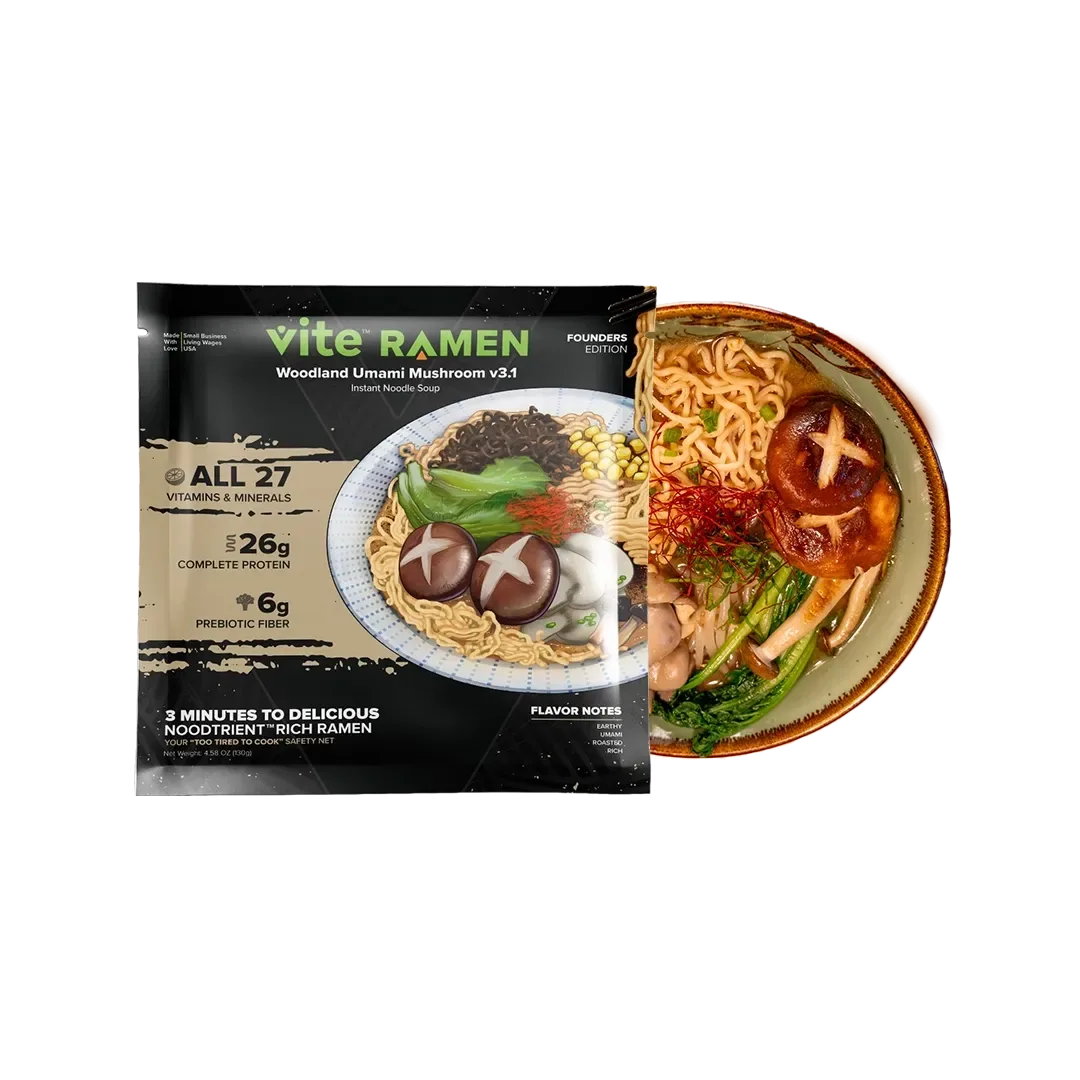
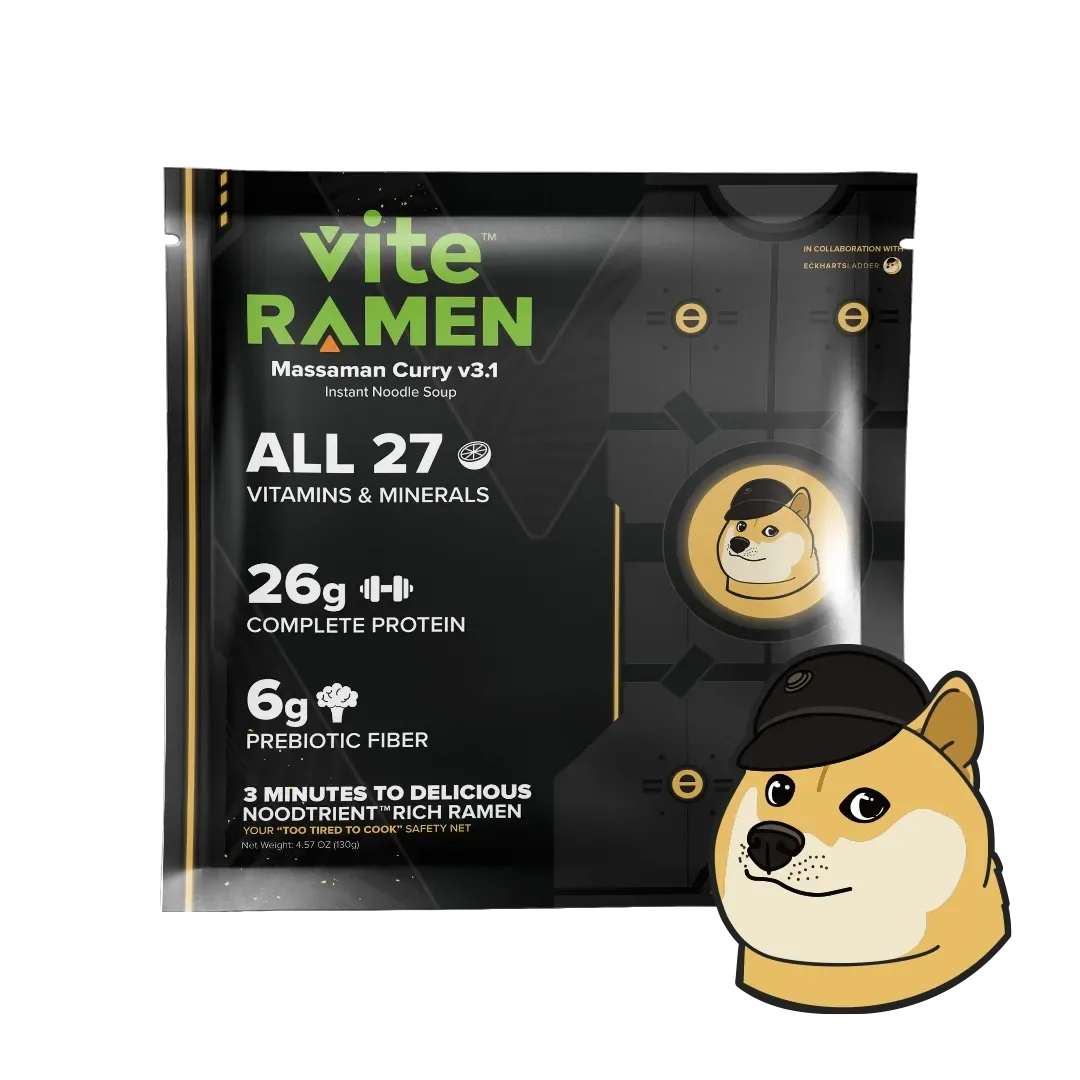
Ramen noodles, especially dried or instant varieties, are designed to last—but they aren’t invincible. Exposure to air, moisture, heat, and light can cause the noodles to lose their structural integrity and absorb off-flavors. The oils in the dough can go rancid over time, leading to an unpleasant taste. For premium ramen packs like the 9 Pack - Roasted Soy Sauce Chicken v3.1 - Batch 5, which feature complex broth bases and high-quality noodles, proper storage ensures you experience the intended flavor profile every time.
Beyond taste, texture is a major concern. Stale noodles cook up mushy or unevenly, ruining the slurp-worthy experience. Humidity is the biggest enemy—it can cause noodles to clump together or develop mold. By controlling your storage environment, you protect your investment and reduce food waste. After all, a well-stocked pantry is only as good as the condition of its contents.
- Store ramen in a cool, dark place (below 75°F / 24°C) to prevent oil rancidity.
- Keep humidity below 60% to avoid clumping and mold growth.
- Avoid storing near strong-smelling items like onions or spices—noodles absorb odors easily.
Choosing the Right Containers for Noodle Freshness
The original packaging is convenient but not ideal for long-term storage. Most ramen packs come in thin plastic or paper that can be punctured or allow air exchange. Transferring your noodles to airtight containers is one of the best ramen storage tips you can follow. Glass jars with rubber gaskets, BPA-free plastic containers with snap lids, or vacuum-sealed bags all work well. For bulk packs, consider dividing them into smaller portions so you only open what you need.
If you’re storing multiple varieties, clear containers let you quickly identify flavors—handy for a busy kitchen. For fans of the 9 Pack - Zentreya Spicy Tonkotsu v3.1 - Batch 5, keeping the seasoning packets separate inside the container can help maintain their potency. Some ramen lovers also invest in modular kitchen systems like the https://buyluxetaste.shop/products/vite-modular-kitchens-diy-sets-batch-5-subscription-79512Vite Modular Kitchens DIY Sets - Batch 5 Subscription, which include stackable bins perfect for organizing noodle packs alongside toppings and tools.
- Use airtight glass or hard plastic containers with tight seals.
- Label containers with purchase date and flavor name for easy rotation.
- Consider vacuum-sealing for ultra-long-term storage (up to 2 years).
Pantry Organization Tips for Ramen Lovers
A well-organized pantry not only looks satisfying but also helps you track inventory and expiration dates. Dedicate a shelf or drawer specifically to ramen and noodles. Use tiered racks or lazy Susans to keep packs visible and accessible. Group by type: dried noodles, instant cups, and fresh ramen (which needs refrigeration). For subscription boxes or bulk orders, a first-in-first-out system ensures older packs get used first.
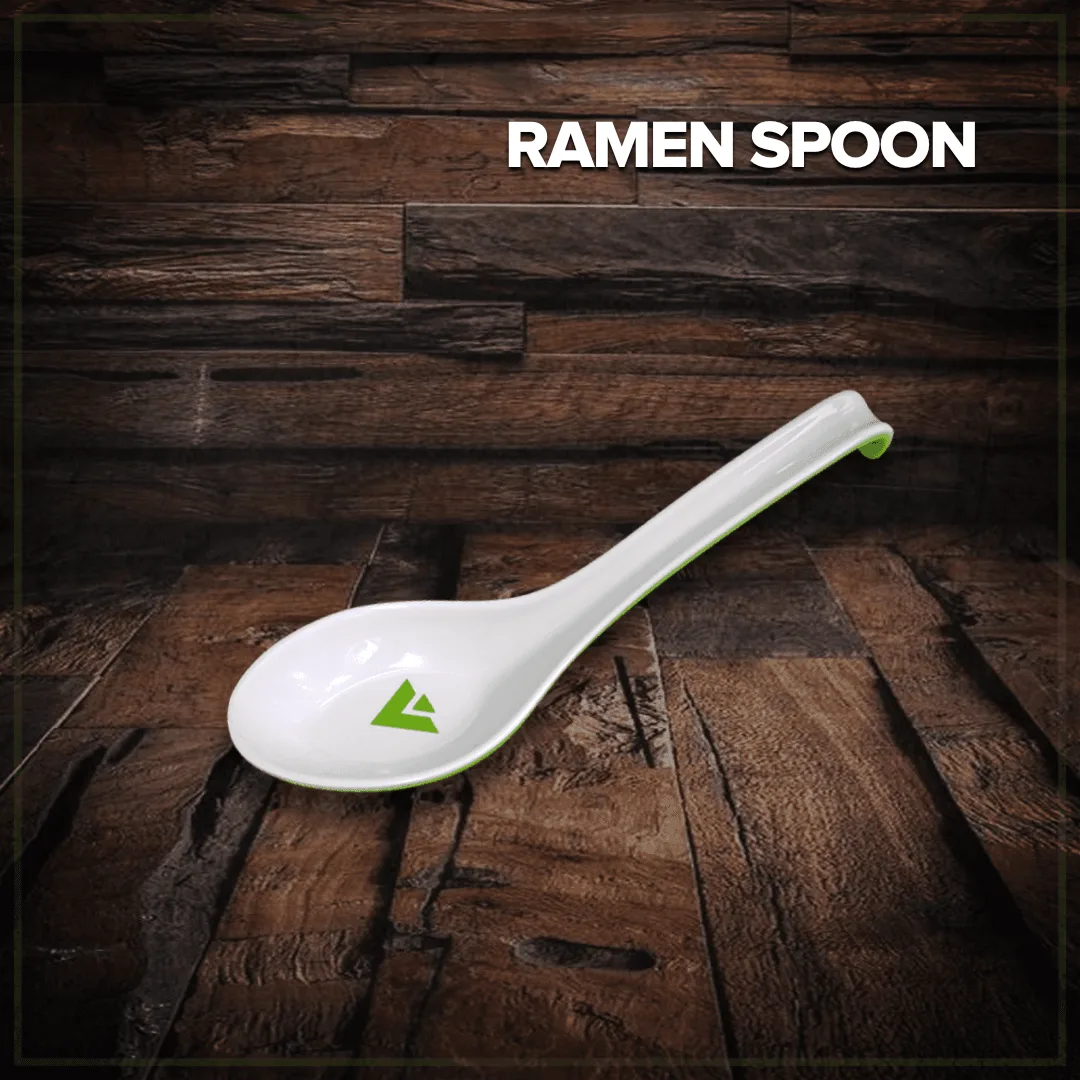
If you enjoy pairing your ramen with complementary items, keep your storage zones logical. For instance, store your Hooked Ramen Spoon and other kitchenware nearby so you can grab everything at once. For those who love themed dinners, having a dedicated ramen station can be a fun way to showcase your collection. Just remember to keep it away from direct sunlight and heat sources like the stove or oven.
- Use clear bins or baskets to corral different ramen brands and flavors.
- Rotate stock by placing newer packs behind older ones.
- Store seasoning packets separately in a small container to keep them fresh.
Long-Term Storage: Freezing and Vacuum Sealing
For those who buy in serious bulk, freezing is a viable option—but only for certain types of ramen. Fresh ramen noodles (often found in the refrigerated section) freeze beautifully for up to 3 months. Dried instant noodles can also be frozen, though it’s usually unnecessary unless you live in a very humid climate. The key is to use freezer-safe bags and remove as much air as possible to prevent freezer burn.
Vacuum sealing takes long-term storage to the next level. By removing oxygen, you drastically slow down the staling process. This is especially useful for preserving the texture of artisan noodles and the potency of seasoning oils. If you’re storing a large batch of the 9 Pack - Roasted Soy Sauce Chicken v3.1 - Batch 5, vacuum-sealing individual packs can keep them tasting fresh for up to a year. Just remember to label everything clearly—frozen ramen all looks the same!
- Freeze fresh ramen noodles in a single layer before bagging to prevent clumping.
- Vacuum seal dried ramen packs for maximum shelf life.
- Thaw frozen ramen in the refrigerator overnight before cooking.
Common Mistakes to Avoid When Storing Ramen
Even experienced noodle enthusiasts can slip up. One common mistake is storing ramen in the refrigerator—while it might seem logical, the fridge’s humidity can actually accelerate staleness in dried noodles. Another error is crushing packs to save space, which breaks the noodles into tiny pieces and ruins the texture. Always store packs flat or upright without heavy items stacked on top.
Also, don’t forget about seasoning packets. Many people toss them in a drawer and forget about them, but they can lose flavor over time. Keep them in a cool, dark place in a sealed container. And never store ramen near cleaning supplies or chemicals—noodles are porous and can absorb those fumes. By avoiding these pitfalls, you’ll ensure every bowl is as delicious as intended.
- Don’t store dried ramen in the fridge—use a cool pantry instead.
- Avoid crushing packs; store them flat or upright.
- Keep seasoning packets sealed and away from strong odors.
With the right approach, storing ramen packs for long-term freshness is simple and rewarding. From airtight containers to smart pantry organization, these ramen storage tips will help you enjoy perfect bowls every time. Ready to stock up? Explore our selection of premium ramen packs and subscription options to keep your pantry full of flavor.