Cats are famously finicky eaters, but their nutritional needs are anything but simple. As obligate carnivores, they require a diet rich in animal protein, moderate in fat, and low in carbohydrates. Yet even within those guidelines, the form of food—wet, dry, or a combination—can make a significant difference in your cat’s overall health. Mixed feeding, also known as combination feeding, has emerged as a popular and practical approach that offers the best of both worlds: the hydration benefits of wet food and the dental convenience of dry kibble.
In this guide, we’ll explore the science behind mixed feeding, how to introduce it without upsetting your cat’s stomach, and which products from Open Farm can help you create a balanced and delicious meal plan. Whether you’re a new cat parent or looking to refine your current routine, this article will help you make informed choices for your feline friend.
Why Mixed Feeding Works: The Science of Wet and Dry Cat Food
Wet food (canned or pouched) typically contains 70–85% moisture, closely mimicking the natural prey diet of cats. This high moisture content supports kidney function, urinary tract health, and overall hydration—critical for cats who have a low thirst drive. Dry food, on the other hand, contains only 6–10% moisture but offers the convenience of portion control, longer shelf life, and a crunchy texture that can help reduce plaque buildup. When combined thoughtfully, wet and dry food create a diet that addresses hydration, dental health, and nutritional completeness.
Research suggests that cats fed a combination of wet and dry food may have lower risks of obesity, urinary crystals, and chronic kidney disease compared to those fed only dry food. The key is to choose high-quality products that prioritize animal protein and avoid fillers. For example, Goodbowl™ Harvest Chicken & Brown Rice Cat Kibble provides a balanced dry option with cage-free chicken and whole grains, while wet alternatives can add moisture and variety to your cat’s bowl.
- Wet food provides essential moisture for urinary and kidney health.
- Dry food offers convenience, dental benefits, and portion control.
- Mixed feeding can help prevent obesity by allowing precise calorie management.
How to Start Mixed Feeding: A Step-by-Step Transition Plan
Transitioning your cat to a mixed feeding routine should be gradual to avoid digestive upset. Start by offering a small amount of wet food alongside their usual dry kibble, then slowly increase the wet food proportion over 7–10 days. Monitor your cat’s stool consistency, appetite, and energy levels. Most cats adapt well, but some may need a longer transition period. A good starting point is to offer wet food in the morning and dry food in the evening, or vice versa, depending on your schedule.
Portion control is crucial. A typical adult cat needs about 20–30 calories per pound of body weight per day. If you’re feeding both wet and dry, calculate the calories from each and adjust accordingly. For example, a 10-pound cat might receive 1/4 cup of dry kibble (around 100 calories) plus 3 ounces of wet food (about 70–90 calories). Always consult your veterinarian to tailor the plan to your cat’s age, activity level, and health status.
- Transition over 7–10 days to prevent digestive issues.
- Use a calorie calculator to balance wet and dry portions.
- Offer wet food at separate meals to maintain freshness.
Choosing the Best Wet and Dry Foods for Your Cat
Not all cat foods are created equal. When selecting products for mixed feeding, look for high-quality animal protein as the first ingredient, minimal carbohydrates, and no artificial preservatives or by-products. Open Farm’s Goodbowl™ Harvest Chicken & Brown Rice Cat Kibble is an excellent dry choice, featuring cage-free chicken, pumpkin for digestion, and a balanced nutrient profile. For wet food options, consider recipes with real fish or poultry in broth or gravy to maximize moisture and palatability.
Variety is also important for preventing food boredom and ensuring a broad nutrient intake. Rotating between different protein sources—such as chicken, fish, and turkey—can provide a wider range of amino acids and fatty acids. You can also incorporate toppers like Arctic Char Topper for Dogs (which works well for cats too) to add extra omega-3s and flavor. Just be sure to adjust the main meal portions accordingly.
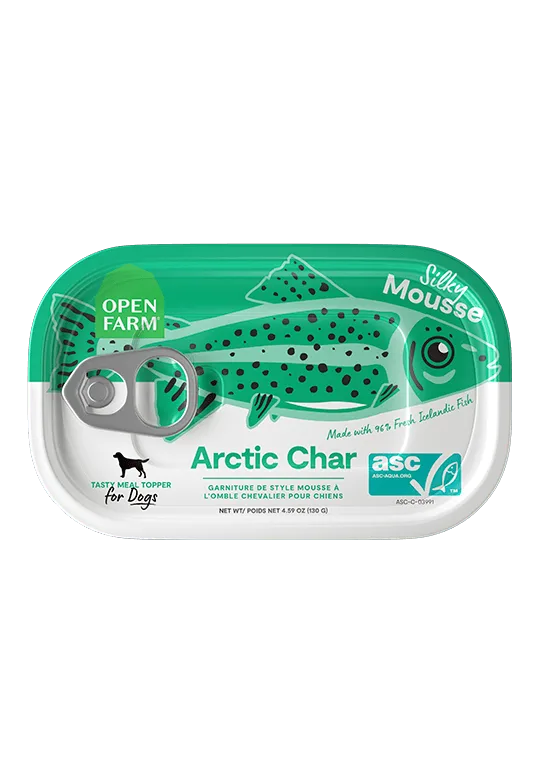
Arctic Char Topper for Dogs
- Choose wet food with at least 70% moisture and named protein sources.
- Dry food should have less than 10% carbohydrates and no corn or soy.
- Rotate proteins to support a diverse gut microbiome.
Common Mistakes to Avoid When Mixing Wet and Dry Cat Food
One of the biggest mistakes cat owners make is free-feeding dry food while also offering wet food. This can lead to overeating and obesity. Instead, establish set meal times and remove uneaten food after 30 minutes. Another common error is choosing wet and dry foods from different brands or lines that may not be nutritionally balanced together. Always ensure that the combination meets AAFCO nutrient profiles for your cat’s life stage.
Don’t forget about dental health. While dry food can help reduce tartar, it’s not a substitute for regular brushing or dental treats. Additionally, avoid mixing wet and dry food in the same bowl, as the dry kibble can become soggy and less appealing. Serve them in separate bowls to maintain texture and freshness. If your cat has a sensitive stomach, consider a gentle option like Tummy Rescue Freshly Crafted Dog Food (formulated for dogs but sometimes used as a topper for cats with digestive issues under veterinary guidance).
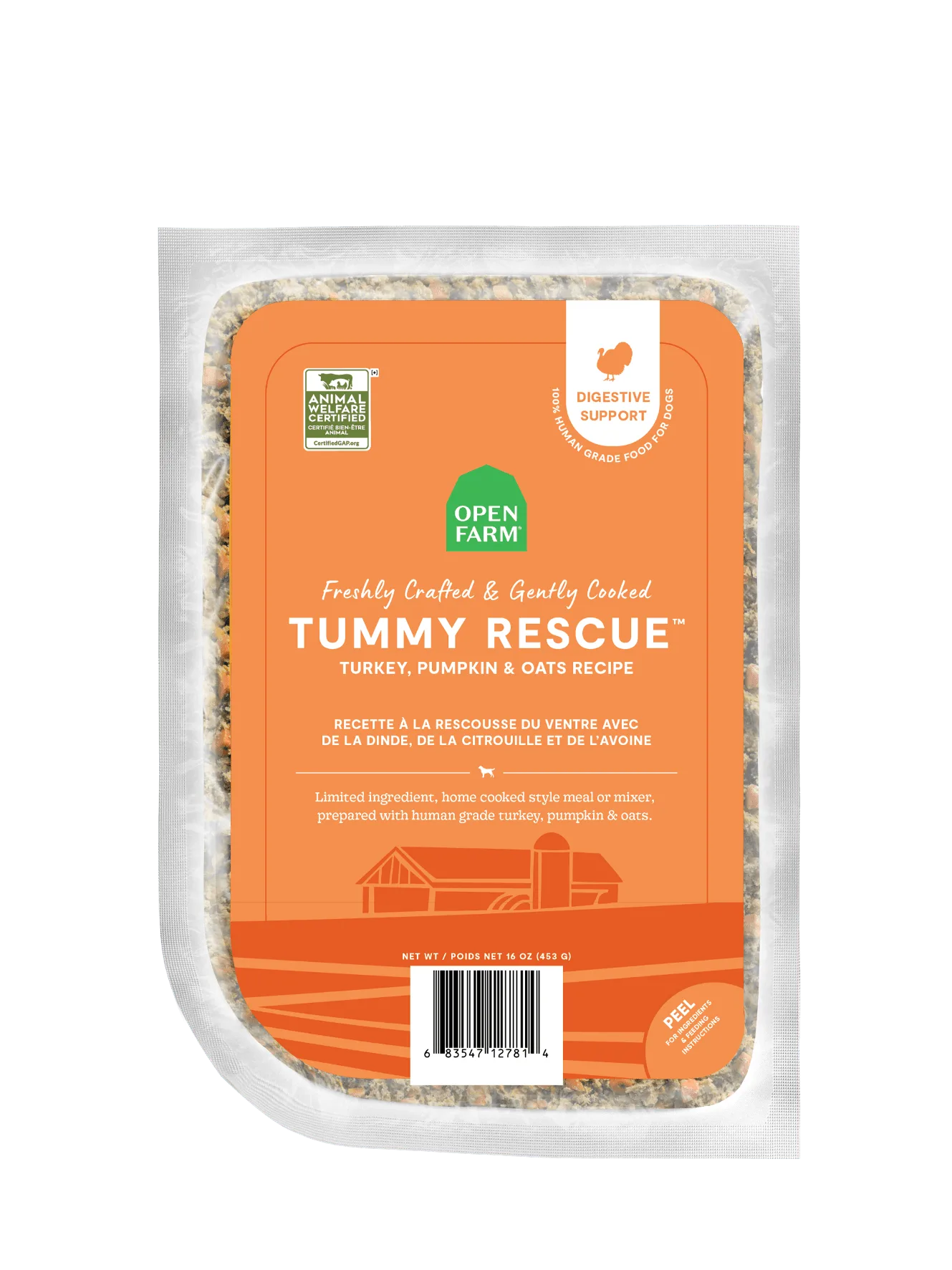
Tummy Rescue Freshly Crafted Dog Food
- Avoid free-feeding; use scheduled meals to control calorie intake.
- Serve wet and dry food in separate bowls to preserve texture.
- Consult your vet if your cat has health conditions like diabetes or kidney disease.
Sample Mixed Feeding Schedule for a Healthy Adult Cat
To help you visualize a balanced mixed feeding routine, here’s a sample daily schedule for a 10-pound cat with moderate activity. Adjust portions based on your cat’s specific needs. Morning meal: 2 ounces of wet food (e.g., a chicken pâté or fish recipe). Midday snack: a small portion of dry kibble (about 1/8 cup) in a puzzle feeder for mental stimulation. Evening meal: 2 ounces of wet food mixed with a splash of warm water to increase hydration. Optional bedtime treat: a few pieces of dry kibble or a freeze-dried topper.
This schedule provides approximately 200–250 calories, with about 60% from wet food and 40% from dry food. The high moisture content supports urinary health, while the dry kibble helps with dental hygiene and satisfies your cat’s natural urge to crunch. Remember to always provide fresh, clean water, especially if your cat eats mostly dry food. You can also add a supplement like Hip & Joint Health Supplement Chews for Dogs (for older cats, under vet supervision) to support mobility.
- Morning: wet food (2 oz) for hydration.
- Midday: dry kibble (1/8 cup) in a puzzle toy.
- Evening: wet food (2 oz) with added water.
- Total: ~200–250 calories per day.
Mixed feeding is a flexible, science-backed approach that can improve your cat’s hydration, dental health, and overall well-being. By choosing high-quality wet and dry products like Goodbowl™ Harvest Chicken & Brown Rice Cat Kibble and rotating proteins with toppers, you can create a diet that your cat will love and thrive on. Start slow, monitor your cat’s response, and enjoy the journey to a healthier, happier feline companion.