Cover-up tattoos are an art form in themselves. They require a skilled artist to design a new piece that seamlessly conceals old ink, often using darker pigments, denser shading, and strategic placement. But the work doesn’t stop when you leave the studio. Proper aftercare is even more critical for cover-ups because the skin has already been tattooed once, and the new ink needs to heal over existing scar tissue and pigment. A well-planned cover-up tattoo aftercare routine can mean the difference between a stunning transformation and a muddy, faded mess.
In this guide, we’ll walk you through the essential steps for healing a cover-up tattoo, from the first hours after your session to long-term maintenance. You’ll learn how to layer aftercare products like tattoo balm and lotion to support deep healing, reduce irritation, and keep your new ink looking crisp. Whether you’re covering a small name or a large sleeve, these tips will help you achieve the best possible results.
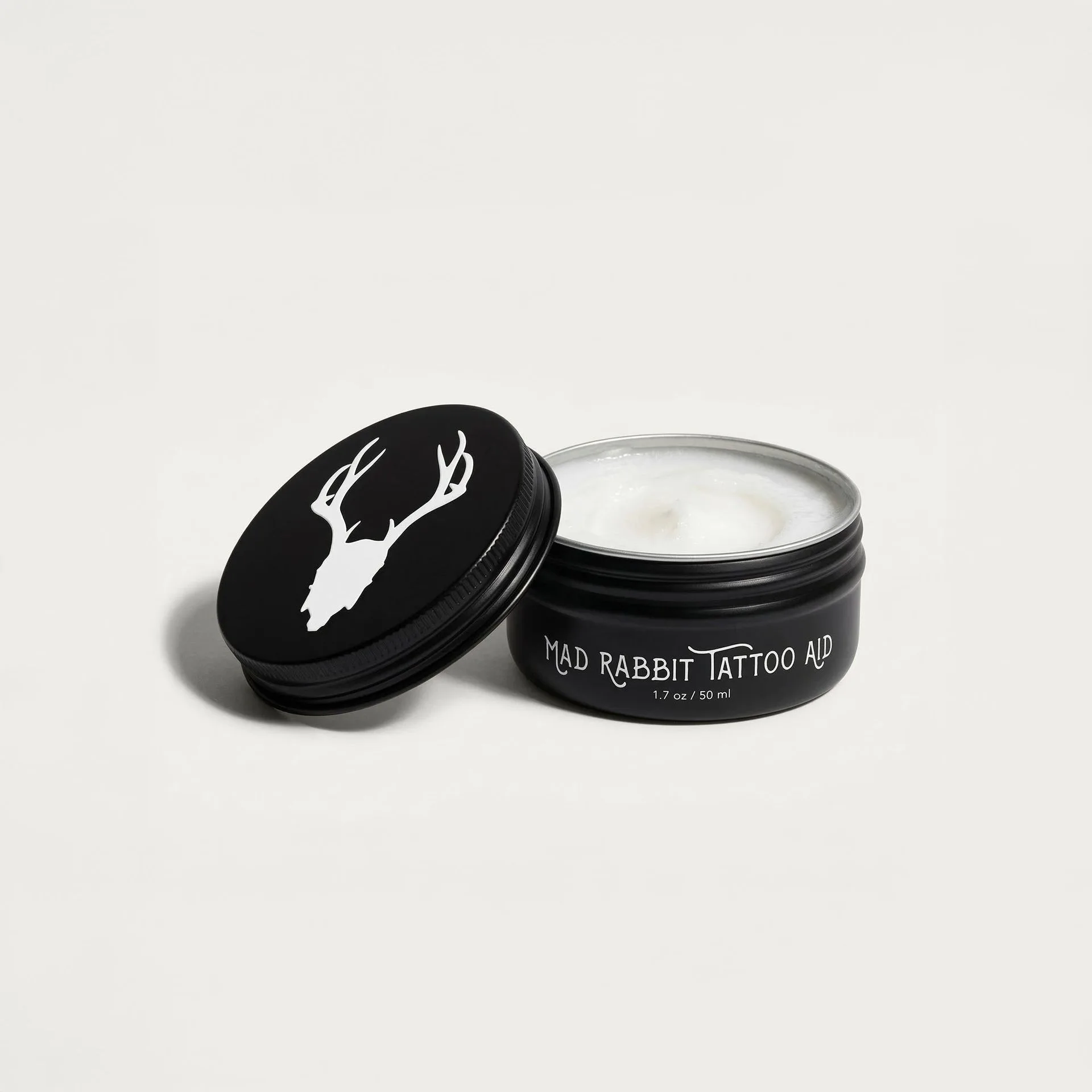
tattoo balm
Why Cover-Up Tattoos Need Special Aftercare
Cover-up tattoos involve tattooing over existing ink, which means the artist often applies more pressure and uses heavier saturation to mask the old design. This can lead to more trauma to the skin, increased swelling, and a longer healing period. The underlying scar tissue from your first tattoo may also affect how the new ink settles, making it essential to follow a gentle yet thorough aftercare protocol. Without proper care, the new ink can fade unevenly or the old tattoo may peek through, ruining the cover-up effect.
Additionally, cover-ups are more prone to issues like excessive scabbing, infection, and pigment loss because the skin is being re-injured. Using the right products—such as a high-quality tattoo balm that moisturizes without clogging pores—can help reduce inflammation and promote even healing. A dedicated cover-up tattoo aftercare routine should prioritize hydration, protection from UV rays, and avoiding any activity that stresses the healing skin.
- Always follow your artist’s specific aftercare instructions, as they know your tattoo best.
- Expect a longer healing time—sometimes up to 4-6 weeks—before the skin fully recovers.
The First 24 Hours: Cleanse and Protect
Immediately after your cover-up session, your artist will place a protective bandage or wrap over the tattoo. Keep this on for the recommended time (usually 2-4 hours, but sometimes longer with modern adhesive films). Once you remove it, wash your hands thoroughly and gently cleanse the tattoo with lukewarm water and a mild, fragrance-free soap. Pat dry with a clean paper towel—never rub. This initial cleaning removes plasma, ink residue, and bacteria that could cause infection.
After cleaning, apply a thin layer of a healing balm. A product like Tattoo Balm is ideal because it contains natural ingredients that soothe and moisturize without suffocating the skin. Avoid heavy ointments that can trap bacteria. For the first few days, repeat this cleansing and balm application 2-3 times daily. Keep the tattoo out of direct sunlight and avoid submerging it in water (no swimming, baths, or hot tubs).
- Use only clean hands and paper towels—never washcloths or sponges that harbor bacteria.
- Wear loose, breathable clothing over the tattoo to prevent friction.
Days 3-7: Managing Peeling and Itching
Around day three, your cover-up tattoo will begin to peel and itch as the outer layer of skin regenerates. This is a normal part of healing, but it can be intense for cover-ups due to the extra trauma. Resist the urge to scratch or pick at the peeling skin, as this can pull out ink and cause scarring. Instead, keep the area moisturized with a lightweight tattoo lotion or balm to reduce itching and flaking.
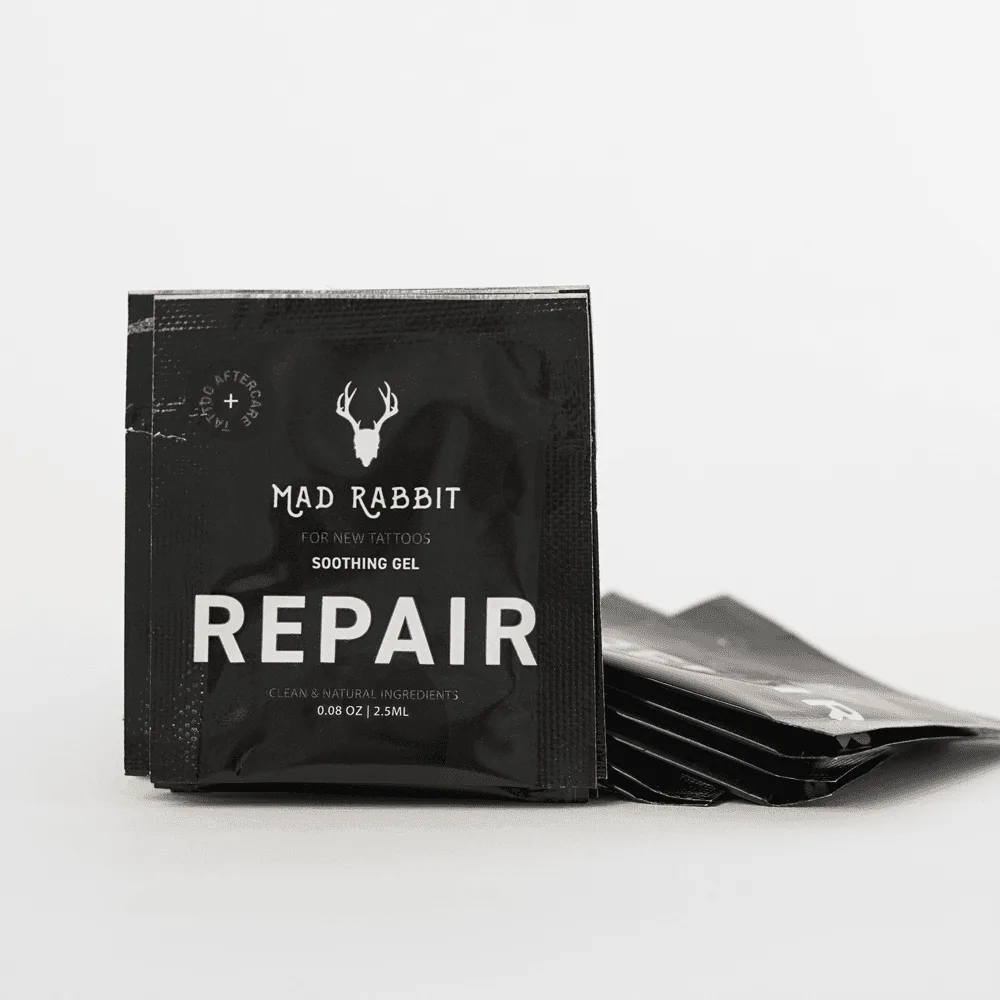
Switch to a product like Tattoo Soothing Gel if you experience redness or irritation. This gel provides cooling relief and helps calm the skin without adding heavy oils. Apply a thin layer after cleansing, and avoid over-moisturizing, which can clog pores and lead to breakouts. Continue to wash the tattoo twice a day and keep it clean. If scabs form, let them fall off naturally—do not pick.
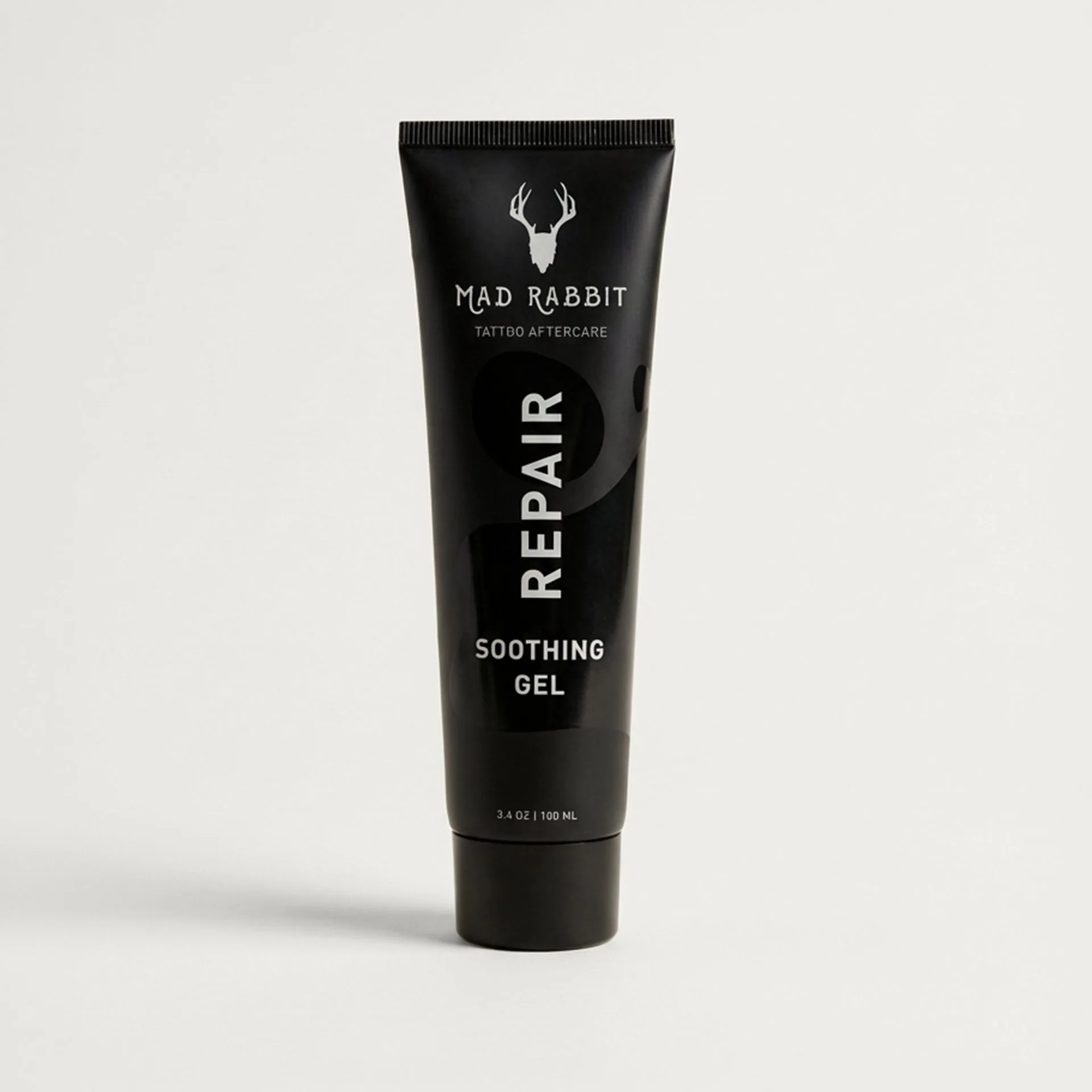
Tattoo Soothing Gel
- Apply moisturizer with clean hands immediately after washing while the skin is still slightly damp.
- Avoid tight clothing or accessories that rub against the tattooed area.
Weeks 2-4: Transition to Daily Maintenance
By the second week, the outer layer of skin will have healed, but deeper layers are still repairing. Your cover-up tattoo may look dull or slightly cloudy—this is temporary. Continue to moisturize daily with a tattoo-specific balm or lotion to support the healing process. A product like Sandalwood Tattoo Balm offers nourishing oils that help restore the skin’s barrier and enhance color vibrancy.
At this stage, you can also introduce a gentle, fragrance-free moisturizer into your routine if the balm feels too heavy. However, always prioritize products designed for tattooed skin. Avoid sun exposure completely for the first month, and after that, apply a broad-spectrum sunscreen with at least SPF 30. The Tattoo Lovers' Kit includes a sunscreen and balm combo that makes daily protection easy.
- Keep the tattoo hydrated but not greasy—less is more when it comes to product amount.
- Massage the balm in gently to improve blood circulation and even healing.
Long-Term Care for Cover-Up Tattoos
Even after your cover-up tattoo is fully healed (usually 4-6 weeks), ongoing care is essential to maintain its appearance. Cover-ups often rely on dense black and dark colors, which can fade faster if not protected. Make sunscreen a non-negotiable part of your daily routine, especially if the tattoo is on a frequently exposed area like the forearm or leg. Reapply every two hours if you’re outdoors.
Incorporate a daily tattoo moisturizer into your skincare regimen to keep the skin supple and the ink vibrant. For best results, use a dedicated product like Tattoo Balm to lock in moisture without adding shine. Avoid harsh exfoliants or chemical peels on tattooed skin, as they can accelerate fading. With consistent care, your cover-up will stay bold and beautiful for years.
- Moisturize after every shower to prevent dryness and cracking.
- Schedule touch-ups with your artist if you notice any areas where the old ink shows through.
Common Mistakes to Avoid During Cover-Up Healing
Even with the best intentions, many people make mistakes that compromise their cover-up tattoo. One of the most common is over-moisturizing. Applying too much balm can clog pores and lead to small bumps or infections. Stick to a pea-sized amount for a small tattoo and a dime-sized amount for a larger one. Another mistake is exposing the healing tattoo to sweat or gym equipment too early. Wait at least two weeks before returning to intense workouts.
Also, avoid using any products with alcohol, fragrance, or petroleum jelly. These can dry out the skin or cause irritation. Stick to natural, tattoo-specific aftercare lines. Finally, don’t skip the sunscreen once healed. UV rays are the number one enemy of cover-up tattoos, as they can cause the new ink to fade and the old ink to become visible again. Investing in a quality sunscreen like the https://flawlessface.shop/products/spf-30-tattoo-sunscreen-for-bundle-67006SPF 30 Tattoo Sunscreen for bundle can save you from costly touch-ups.
- Never use ice directly on the tattoo—wrap it in a cloth if you need to reduce swelling.
- Avoid sleeping on the tattooed area to prevent ink migration and uneven healing.
A cover-up tattoo is a powerful way to reclaim your skin and express a new chapter in your life. By following a dedicated cover-up tattoo aftercare routine—cleansing gently, moisturizing with a quality tattoo balm, and protecting from the sun—you give your ink the best chance to heal beautifully and last a lifetime. Explore the Tattoo Balm Variety Set Buy 2 Get 1 to stock up on your favorite balms and keep your cover-up looking its best through every stage of healing.