Whether you're slicing scallions for a steaming bowl of tonkotsu ramen or dicing tofu for a plant-based broth, the cutting board you use is just as important as the knife in your hand. A quality cutting board protects your blade edge, provides a stable surface for efficient prep, and even contributes to food safety. Yet many home cooks overlook this essential tool, reaching for any old board without considering how it affects their kitchen knives and overall cooking experience.
If you're serious about ramen prep—or any cooking that requires precision chopping—choosing the right cutting board can make a noticeable difference. In this guide, we'll walk you through the key factors to consider, from material and size to maintenance, so you can pair your board with your favorite kitchen knives and get the most out of your ramen-making sessions.
Why Your Cutting Board Matters for Kitchen Knives
Your cutting board is the foundation of every chop, slice, and dice. A hard surface like glass or stone can dull even the sharpest kitchen knives in just a few uses, while a too-soft board may develop deep grooves that harbor bacteria. For ramen prep, where you might be mincing garlic, julienning carrots, or thinly slicing chashu, you need a board that balances durability with knife-friendliness.
Wood and bamboo boards are generally considered the best for preserving blade edges, but they require more care than plastic or composite options. The right board also absorbs shock, reducing strain on your wrist and knife during repetitive tasks like chopping a pile of green onions for topping your bowl. Investing in a proper board is an investment in both your knives and your cooking enjoyment.
- Look for a board with a hardness rating between 2.5 and 4 on the Janka scale for optimal knife protection.
- Avoid glass, stone, or ceramic boards if you use high-carbon steel kitchen knives.
- Consider a board with juice grooves if you often prep meats or juicy vegetables for ramen broths.
Cutting Board Materials: Wood, Plastic, Bamboo, and More
Wooden cutting boards, especially those made from maple, walnut, or teak, are the gold standard for knife care. They are gentle on edges, naturally antimicrobial, and can last for years with proper oiling. For ramen enthusiasts, a large wooden board provides ample space for prepping multiple ingredients—from soft-boiled eggs to nori sheets—without crowding. The VKS Paring Kitchen Knife, for instance, pairs beautifully with a medium-grain hardwood board for precise vegetable work.

VKS Paring Kitchen Knife
Plastic boards are lightweight, dishwasher-safe, and inexpensive, making them a practical choice for high-volume prep. However, they can develop deep cuts that trap food particles, so they should be replaced regularly. Bamboo is a sustainable alternative that is harder than most woods, but it can be tough on knife edges if not properly finished. Composite boards made from recycled paper or resin offer a balance of durability and knife-friendliness, though they tend to be pricier.
- Wood: Best for knife edge retention; requires periodic oiling.
- Plastic: Easy to sanitize; replace when heavily scored.
- Bamboo: Eco-friendly but harder on blades; choose end-grain if possible.
- Composite: Durable and low-maintenance; often heat-resistant.
Size and Thickness: Finding the Right Fit for Your Kitchen
A cutting board that is too small can make prep frustrating and increase the risk of knife slips. For ramen prep, where you might be working with multiple ingredients at once, a board at least 18 by 12 inches is recommended. Thickness also matters: a board that is at least 1 inch thick provides stability and prevents warping over time. Thinner boards are more prone to bowing and may slide around on the counter.
If you have limited counter space, consider a board with rubber feet or a non-slip grip. Some boards come with built-in compartments or grooves for collecting scraps, which can streamline your workflow when prepping aromatics like ginger and garlic. For those who frequently cook large batches of ramen, a board with a generous surface area allows you to organize ingredients without switching boards mid-prep.
- Minimum recommended size: 18 x 12 inches for ramen prep.
- Thickness of 1 to 1.5 inches prevents warping and adds stability.
- Look for boards with juice grooves if you often slice proteins like pork belly.
Caring for Your Cutting Board to Extend Its Life
Proper care is essential to keep your cutting board in top condition, especially if you invest in a high-quality wooden board. After each use, wash the board with hot, soapy water and dry it immediately—never soak a wooden board, as moisture can cause cracking. For plastic boards, you can run them through the dishwasher, but hand washing is gentler and extends their lifespan.
Wooden boards need regular oiling with food-grade mineral oil or beeswax to prevent drying and splitting. A monthly treatment will keep the surface smooth and resistant to stains. If your board develops odors from garlic or onion, scrub it with coarse salt and a lemon half. Avoid using harsh chemicals or bleach, which can damage the wood and potentially transfer to your food. With consistent care, a quality board can become a kitchen heirloom.
- Hand wash wooden boards; dishwasher-safe plastic boards can be sanitized with diluted vinegar.
- Oil wooden boards every 4-6 weeks with food-grade mineral oil.
- Remove stains and odors with a paste of baking soda and water or salt and lemon.
Top Cutting Board Recommendations for Ramen Lovers
For a versatile, knife-friendly option, a large end-grain maple board is hard to beat. It provides a gentle surface for your VKS Paring Kitchen Knife while offering enough space for all your ramen toppings. If you prefer a more sustainable choice, consider a bamboo board from a reputable brand—just be aware that it may require more frequent sharpening of your knives.
For those who want a budget-friendly and easy-to-clean solution, a thick polyethylene plastic board is a solid choice. It can handle heavy use and is gentle enough for daily prep. Whichever material you choose, pairing it with a quality knife and a well-stocked pantry—like the Plant-Based Variety v3.1 Batch 5 - Subscription for convenient, nutritious ramen—will elevate your entire cooking experience.
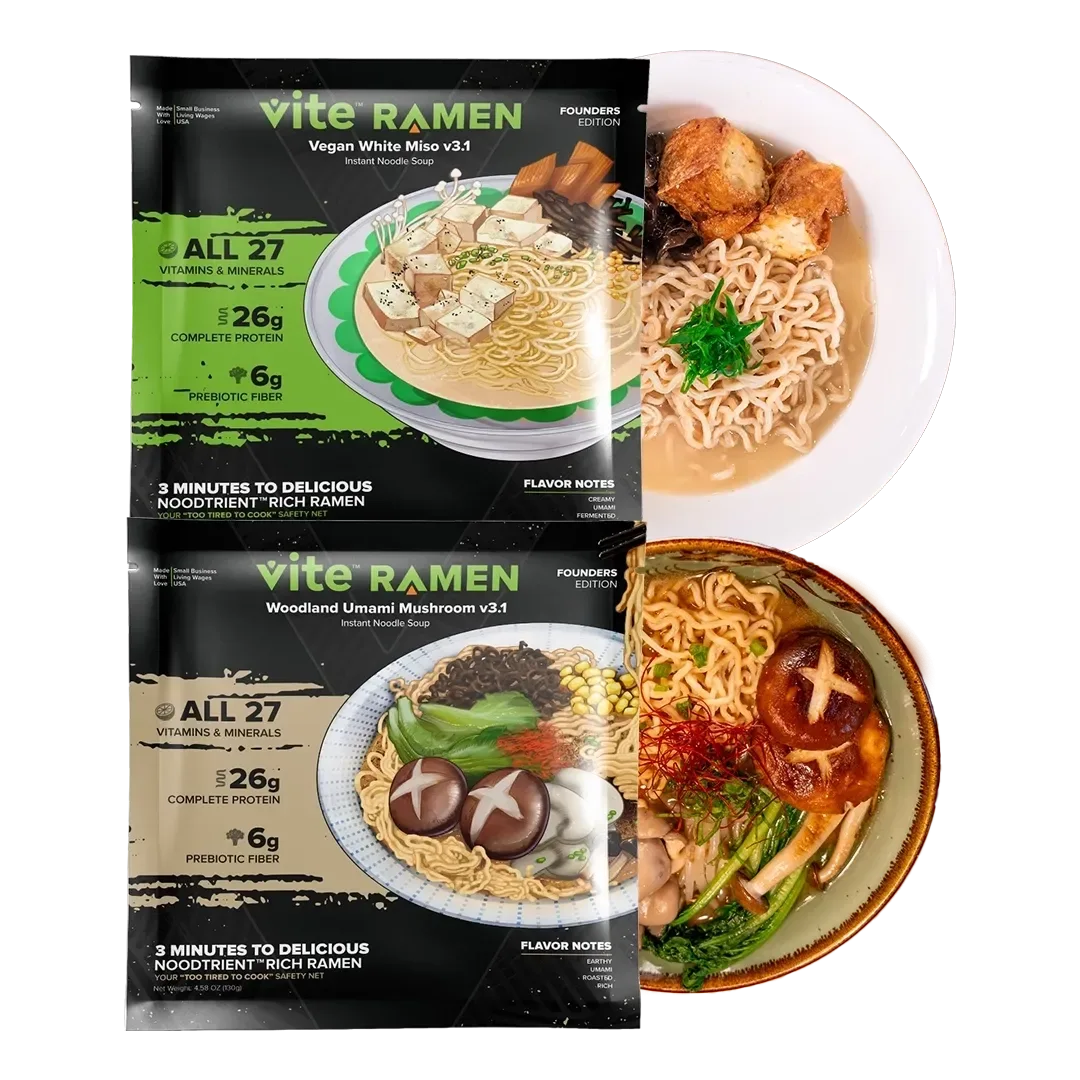
Plant-Based Variety v3.1 Batch 5 - Subscription
- End-grain maple: Excellent for knife edge preservation and durability.
- Bamboo: Eco-friendly and affordable, but harder on blades.
- Plastic: Lightweight, dishwasher-safe, and ideal for high-volume prep.
Choosing the right cutting board is a small change that can have a big impact on your kitchen knives and your ramen prep routine. Whether you opt for a classic wooden board or a practical plastic one, proper care and the right size will make every slice more enjoyable. Ready to upgrade your prep station? Explore the Plant-Based Variety v3.1 Batch 5 - Subscription for delicious ramen that pairs perfectly with your new setup.