Tick bites are a common concern for outdoor enthusiasts, pet owners, and anyone living in wooded or grassy areas. When you find a tick attached to your skin, the immediate reaction is often panic — and the urge to remove it as quickly as possible. But speed alone isn't enough. The method you use matters significantly for your health. In this article, we’ll explore the pros and cons of DIY tick removal techniques versus store-bought tick removal kit options, and share what dermatologists recommend for safe, effective removal and post-bite testing.
Why Proper Tick Removal Matters
Ticks are more than just a nuisance; they are vectors for serious diseases like Lyme disease, anaplasmosis, and babesiosis. The key to preventing infection is removing the tick promptly and correctly. A poorly executed removal can cause the tick’s mouthparts to break off and remain in the skin, increasing the risk of pathogen transmission. According to the Centers for Disease Control and Prevention (CDC), the safest removal involves using fine-tipped tweezers or a specialized tick removal tool to grasp the tick as close to the skin’s surface as possible and pull upward with steady, even pressure.
Dermatologists emphasize that the best tick removal tool is one that minimizes trauma to the skin and ensures the entire tick is removed. While DIY methods have been passed down through generations, many are outdated and potentially dangerous. Let’s break down the most common approaches.
DIY Tick Removal Methods: Common but Risky
DIY methods are often the go‑to when you’re caught off guard without a specialized tool. However, many popular DIY techniques can do more harm than good.
Using Fingers or Fingernails
Many people attempt to remove a tick by pinching it with their fingers or scraping it off with a fingernail. This method is discouraged because it can crush the tick’s body, causing it to regurgitate infected saliva into the bite wound. Additionally, your fingers may not provide the fine grip needed to remove the tick’s head completely.
The “Match” or “Heat” Method
Some old wives’ tales suggest using a hot match, cigarette, or lighter to make the tick back out. This is extremely dangerous. Heat can cause the tick to burst or release more saliva, and it also burns your skin. The CDC and dermatologists strongly advise against any heat‑based removal.
Petroleum Jelly, Nail Polish, or Alcohol
Applying petroleum jelly, nail polish, or rubbing alcohol is another common DIY trick. The idea is to suffocate or irritate the tick so it detaches on its own. However, this process can take hours, during which the tick continues to feed and potentially transmit disease. Plus, the tick may regurgitate before detaching.
Tweezers (Household or Kitchen)
Using standard household tweezers is a step up from fingers, but many tweezers have blunt or wide tips that can crush the tick’s body or fail to grasp it close to the skin. This can lead to incomplete removal. Fine‑tipped tweezers work better, but they still require steady hands and proper technique.
Store‑Bought Tick Removal Kits: Why Dermatologists Recommend Them
Store‑bought tick removal kit products are specifically designed to address the limitations of DIY methods. They are engineered to grasp the tick securely near the skin, remove it intact, and often include tools for testing. Dermatologists increasingly recommend these kits because they reduce the risk of infection and make the process simpler and safer.
Key Features of a Quality Tick Removal Tool
- Fine, curved tips that allow you to grab the tick without squeezing its body.
- Ergonomic handles for a comfortable grip, even in awkward positions.
- Built‑in magnifiers to see the tick clearly.
- Testing capabilities — some kits include a way to test the tick for pathogens, which is invaluable for early diagnosis.
Product Spotlight: Bug Bite Thing Tick Remover and Testing Kit
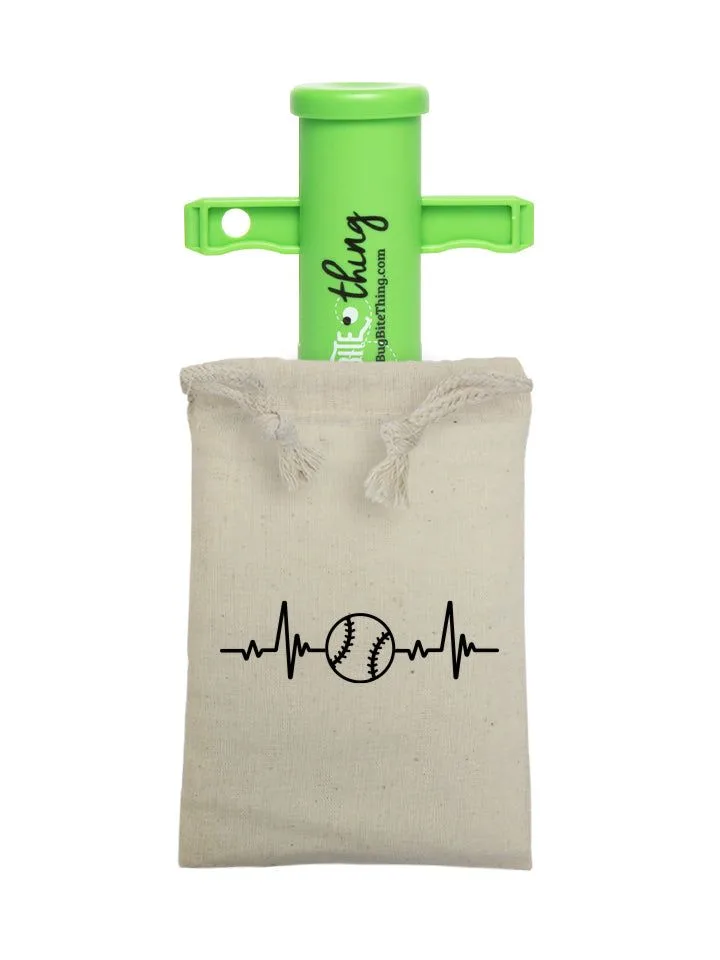
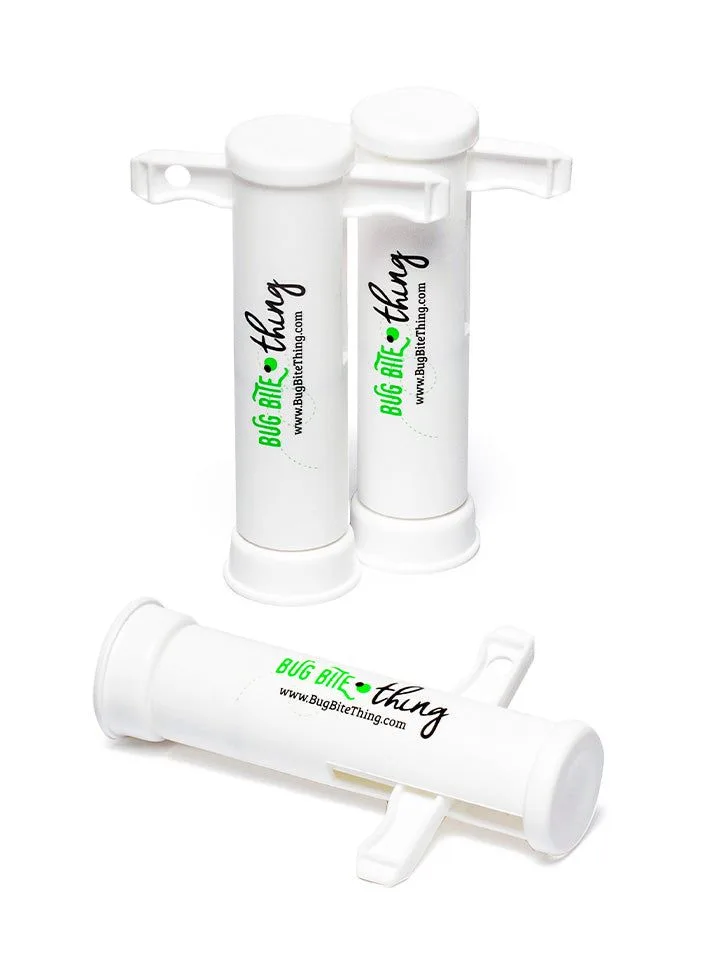
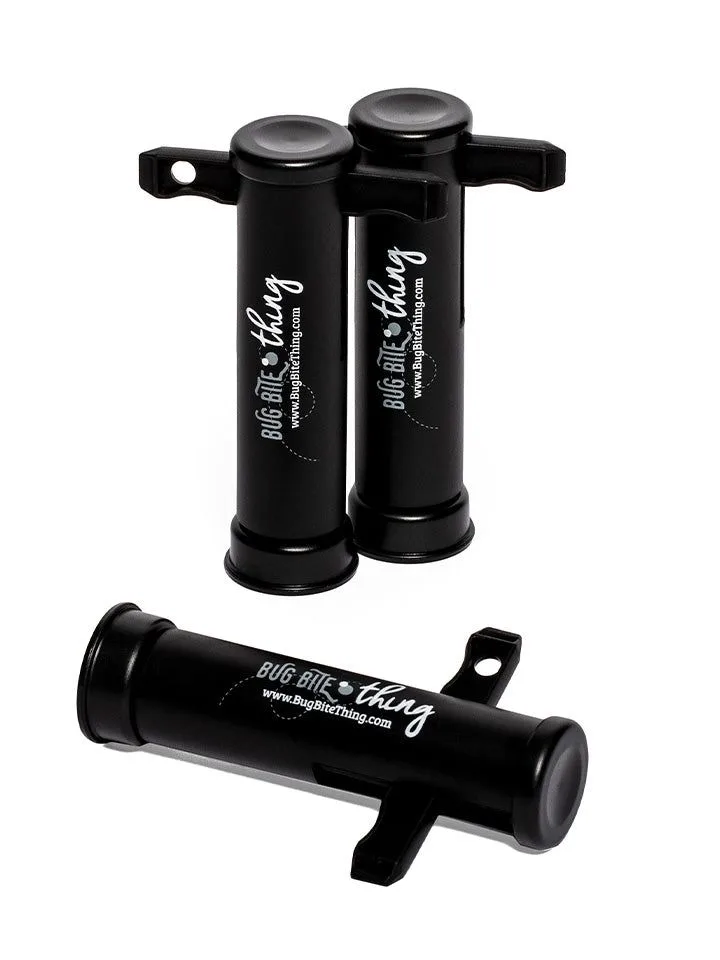
One standout option is the Bug Bite Thing Tick Remover. This tool features a precision‑crafted fork‑like design that slides under the tick’s body to lift it out without twisting or crushing. It’s made from medical‑grade materials and is easy to clean, making it a reliable choice for your first aid kit.
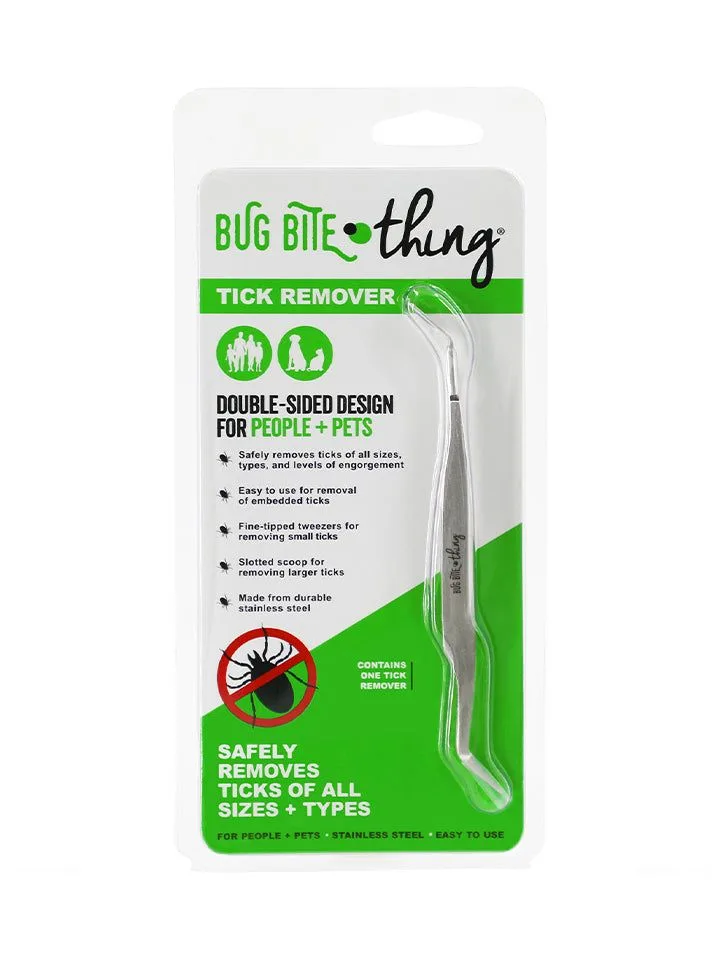
Bug Bite Thing Tick Remover
For those who want the ultimate peace of mind, the Bug Bite Thing® Tick Testing Kit - Powered by TickReport™ combines removal with laboratory‑grade testing. After removing the tick, you can send it to a certified lab to check for Lyme disease and other pathogens. This is especially valuable if you live in a high‑risk area or have a weakened immune system.
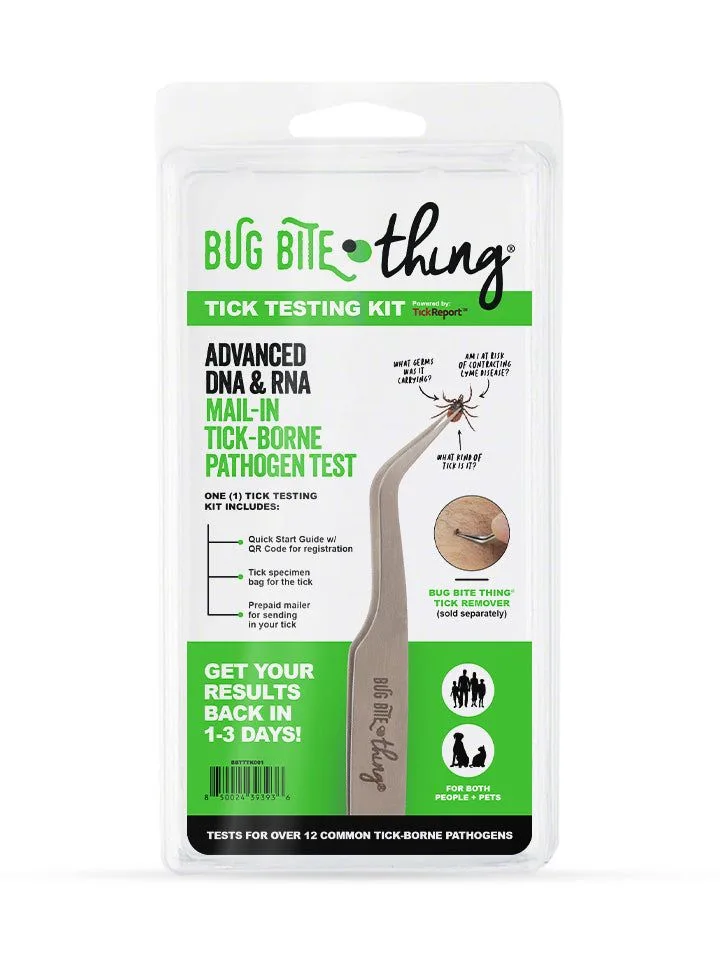
Bug Bite Thing® Tick Testing Kit - Powered by TickReport™
What Dermatologists Recommend: The Protocol
Dermatologists have a clear, step‑by‑step protocol for tick removal that applies whether you use a store‑bought tool or fine‑tipped tweezers. Here’s what they advise:
- Use the right tool: A specialized tick removal tool is best, but fine‑tipped tweezers are acceptable if nothing else is available.
- Grasp close to the skin: Get as close to the tick’s mouthparts as possible. Avoid squeezing the tick’s body.
- Pull upward steadily: Do not twist, jerk, or yank. A slow, steady pull will prevent mouthpart breakage.
- Clean the bite area: Wash thoroughly with soap and water or rubbing alcohol.
- Save the tick for testing: Place the tick in a sealed bag or container. Consider sending it to a lab for pathogen testing, especially if you develop symptoms.
- Monitor for symptoms: Watch for a bull’s‑eye rash, fever, or fatigue in the weeks following the bite. Seek medical attention if any appear.
The Case for Tick Testing
Even if you remove a tick perfectly, there’s no guarantee it wasn’t carrying a pathogen. This is why tick testing is a growing trend among health‑conscious individuals. A tick removal kit that includes testing capability offers a two‑step defense: remove the threat and verify if any danger remains.
The Bug Bite Thing® Tick Testing Kit - Powered by TickReport™ is an excellent example. After removal, you simply mail the tick to the lab using the pre‑paid envelope provided. Results are delivered online, often within 24–48 hours. This can help you and your doctor decide whether prophylactic antibiotics are needed.
DIY vs. Store‑Bought: A Side‑by‑Side Comparison
Factor
DIY Methods
Store‑Bought Kits
Effectiveness
Variable; often incomplete removal
High; designed for full extraction
Safety
Risk of crushing, infection, skin damage
Minimal risk; ergonomic and precise
Ease of Use
Requires steady hand and technique
User‑friendly; often includes instructions
Testing Capability
None
Available in some kits (e.g., TickReport)
Cost
Free or low‑cost (e.g., household items)
Moderate upfront cost; value in prevention
Dermatologist Recommendation
Only fine‑tipped tweezers accepted
Strongly encouraged for best outcomes
Why a Combination Approach Works Best
Many dermatologists recommend a layered strategy: use a high‑quality tick removal tool for the actual removal, and then follow up with testing to confirm the tick’s status. This is especially important for outdoor workers, hikers, and families with children. The Bug Bite Thing Tick Remover is compact enough to carry on a keychain or in a backpack, so you’re always prepared. Pair it with the Tick Testing Kit to cover all bases.
Common Myths Debunked
Myth: Twisting the tick helps remove it
Twisting can break off the mouthparts. Always pull straight out.
Myth: If the tick is removed quickly, testing is unnecessary
Even brief attachment can transmit some pathogens. Testing adds a layer of safety.
Myth: DIY methods are just as good as store‑bought tools
Dermatologists see many cases of incomplete removal and infection from DIY attempts. Specialized tools are safer and more reliable.
Final Thoughts
When it comes to tick removal, the choice between DIY and store‑bought is clear: dermatologists recommend using a purpose‑built tool for safe, complete removal, and pairing it with testing for maximum protection. Don’t rely on outdated home remedies that can increase your risk of tick‑borne illness.
Call to Action
Ready to upgrade your tick removal game? The Bug Bite Thing® Tick Testing Kit - Powered by TickReport™ offers the safest removal tool plus professional lab testing — all in one package. Protect yourself and your loved ones today.