If you’ve ever found a forgotten bottle of personal lubricant tucked in your nightstand or travel bag, you may have wondered: does lube expire? The short answer is yes — and ignoring the lube expiration date can compromise both safety and pleasure. While many people treat lube as a buy-it-and-forget-it product, its ingredients can degrade over time, leading to changes in texture, smell, and effectiveness. Understanding the shelf life of your lubricant is essential for maintaining a healthy, enjoyable intimate experience.
In this article, we’ll explore why lube expiration dates matter, how to read them, the key differences between water-based and silicone lube storage, and what to do with expired lube. Whether you’re a seasoned user or new to sexual wellness, knowing when to replace your bottle can make all the difference in your pleasure routine.
Why Lube Expiration Dates Matter for Safety and Efficacy
Lubricants are formulated with a blend of ingredients — water, glycerin, propylene glycol, silicone, or natural extracts — that can break down over time. Preservatives are added to prevent microbial growth, but they lose effectiveness after the expiration date. Using expired lube increases the risk of bacterial or fungal contamination, which can lead to irritation, infections, or disruption of your vaginal or anal microbiome. This is especially important for people with sensitive skin or recurrent infections.
Beyond safety, expired lube simply doesn’t perform well. It may become sticky, watery, or separated, reducing the slip and glide that makes intimacy comfortable and pleasurable. A compromised lubricant can also cause friction, which defeats its purpose. For those using condoms or sex toys, an expired water-based lube may not mix well with silicone toys or latex barriers, potentially causing damage or reduced protection. That’s why checking the lube expiration date before each use is a simple but vital habit.
- Always check the bottle for a printed expiration date or a period-after-opening (PAO) symbol (e.g., 12M for 12 months after opening).
- Store lube in a cool, dry place away from direct sunlight and extreme temperatures to extend its shelf life.
Water-Based Lube Shelf Life: How Long Does It Last?
Water-based lubricants are the most common type and are beloved for their versatility — they’re safe with all toy materials and condoms, and they rinse off easily. However, their water content makes them more prone to microbial growth and evaporation. Typically, an unopened bottle of water-based lube lasts 2 to 3 years, but once opened, you should use it within 6 to 12 months. The exact window depends on the preservative system and packaging (pump bottles vs. squeeze tubes).
Signs that your water-based lube has expired include a change in color, a sour or chemical smell, a gritty or separated texture, or mold growth near the nozzle. If you notice any of these, throw it away immediately. For a high-quality water-based option that’s designed for long-lasting comfort, consider trying the Slip n Slide — a silky formula that’s gentle on sensitive skin and compatible with all toys. Always check the bottle’s expiration date before first use and store it upright to prevent leakage.
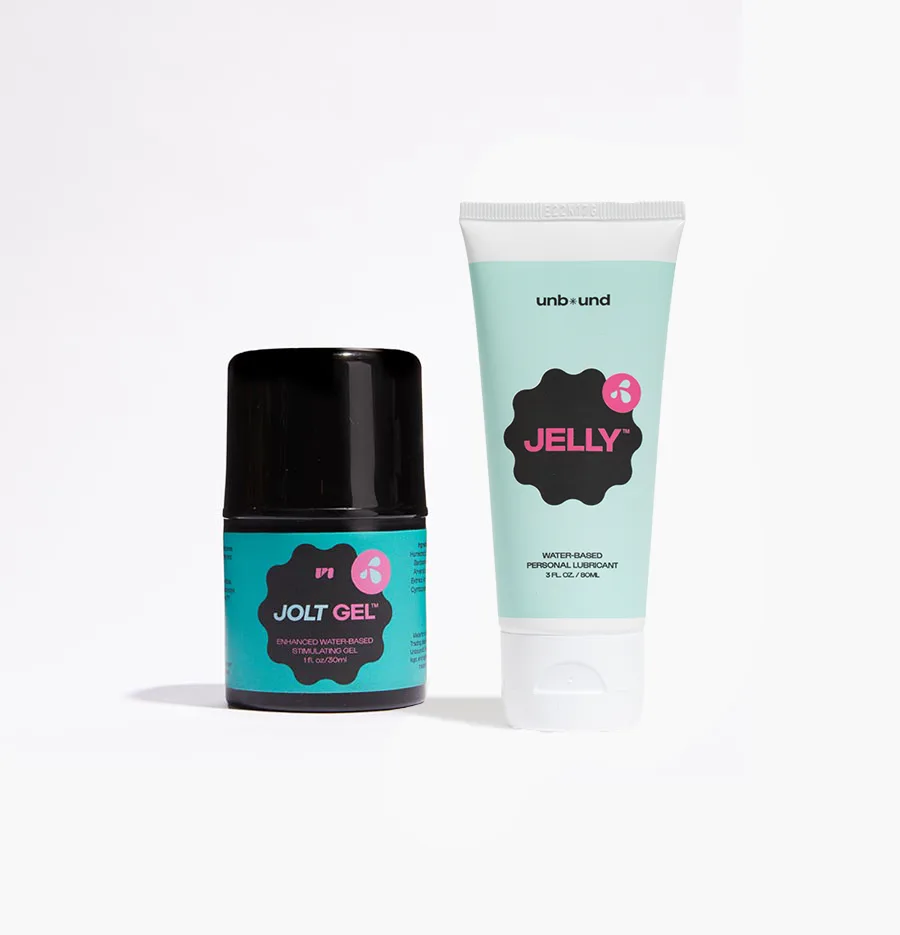
Slip n Slide
- Unopened water-based lube: 2–3 years from manufacture date.
- Opened water-based lube: 6–12 months (check PAO symbol).
Silicone Lube Storage: Why It Lasts Longer but Still Expires
Silicone-based lubricants, like the Power Hungry, are prized for their long-lasting, silky glide that doesn’t dry out during play. Because they contain no water, they are less hospitable to bacteria and have a longer shelf life — typically 3 to 5 years unopened. Once opened, a silicone lube can remain effective for 1 to 2 years if stored properly. However, silicone lube is not invincible; it can still degrade due to heat, light, or air exposure.
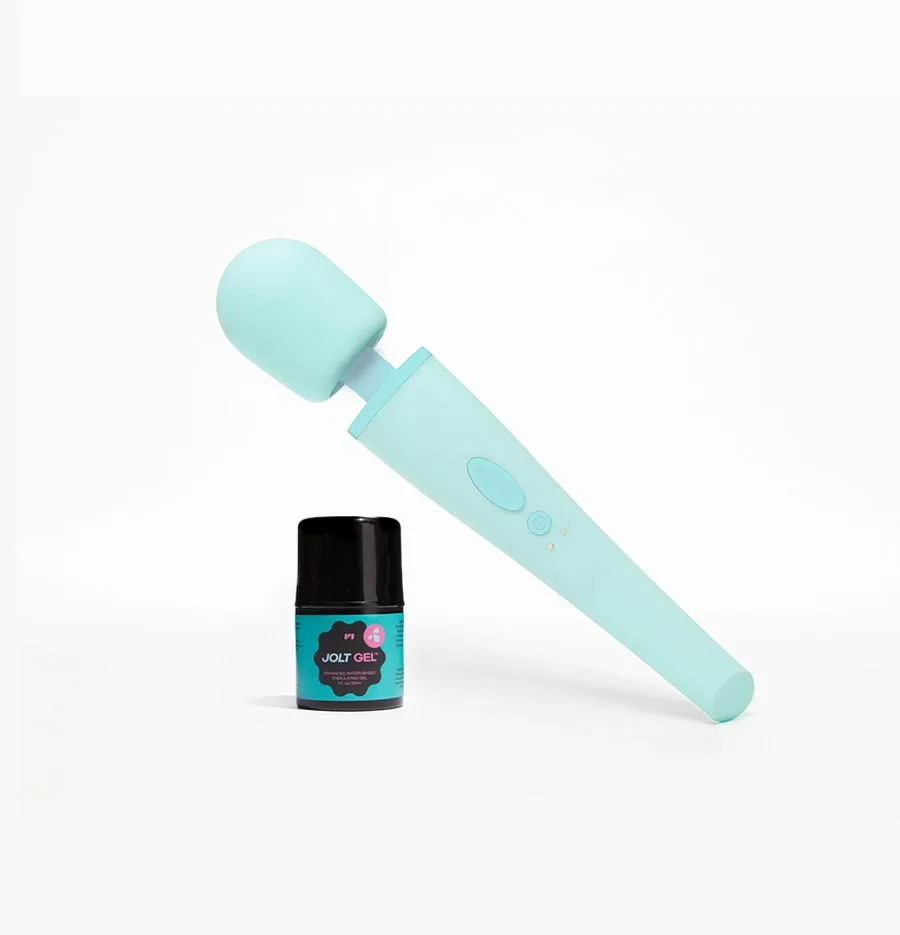
Power Hungry
Expired silicone lube may become cloudy, thick, or develop a strange odor. It can also separate into an oily layer and a thicker residue. Using degraded silicone lube can cause irritation or a sticky feeling that ruins the experience. To maximize longevity, keep your silicone lube in a dark cabinet away from bathroom humidity. And remember: silicone lube should not be used with silicone toys (unless they are 100% platinum-cure silicone and tested), as it can break down the surface. For silicone-safe play, always pair with a water-based formula like Slip n Slide.
- Unopened silicone lube: 3–5 years.
- Opened silicone lube: 1–2 years (store in a cool, dark place).
How to Read Lube Expiration Dates and PAO Symbols
Most lubricant bottles display either a printed expiration date (e.g., EXP 2026-08) or a period-after-opening (PAO) symbol — a small jar icon with a number like 12M or 24M. The PAO tells you how many months the product remains safe after you first open it. If you don’t remember when you opened the bottle, it’s safer to replace it. Some brands also include a lot number or manufacture date; you can contact customer service to decode it if needed.
If your lube bottle has no visible date or PAO, check the manufacturer’s website or packaging insert. For example, Unbound clearly lists expiration details on their product pages and bottles. When in doubt, trust your senses: if the texture, smell, or appearance has changed, discard it. Never use expired lube for intercourse, oral sex, or toy play. And always wash your hands and toys before and after use to prevent cross-contamination.
- Look for EXP or PAO symbols on the bottle or box.
- If no date is visible, contact the brand or assume 1 year after opening.
What to Do With Expired Lube: Safe Disposal Tips
Never flush expired lubricant down the toilet or sink — it can clog pipes and harm aquatic ecosystems. Instead, pour the remaining lube into a sealed container (like an old jar) and dispose of it with your household trash. Rinse the empty bottle and recycle it if your local program accepts plastic bottles. For gel or thick formulas, you can mix them with cat litter or coffee grounds in a sealed bag before tossing to absorb the liquid.
If you have multiple expired bottles, consider doing a nightstand audit every six months. Replace them with fresh products that match your current needs. For instance, if you’re looking for a versatile, long-lasting silicone lube, the Power Hungry is a great choice. And for everyday play with toys or condoms, the Slip n Slide water-based formula offers reliable slip without compromising safety. Keeping your lube collection fresh ensures every intimate moment is as pleasurable as intended.
- Do not flush lube — dispose of it in household trash in a sealed container.
- Recycle empty bottles after rinsing (check local guidelines).
Checking your lube expiration date is a small step that protects your health, your toys, and your pleasure. Whether you prefer water-based or silicone, always store your lubricant properly and replace it when it’s past its prime. For a fresh, body-safe option that’s perfect for all kinds of play, explore the Slip n Slide — a water-based lube designed for comfort and compatibility with every toy in your collection.