Few household annoyances are as frustrating as a slow-draining sink or a shower that turns into a shallow pool. When faced with a clog, most people reach for either a drain snake or a bottle of chemical cleaner. But which method is truly safer for your pipes, your family, and the environment? In this guide, we pit the drain snake against chemical drain cleaners, examining their pros, cons, and hidden risks. We also explore how a simple hair clog removal tool can help you avoid the problem altogether, saving time and money.
Whether you’re a seasoned DIYer or a first-time homeowner, understanding the trade-offs between these two unclogging approaches is key to making a smart, safe decision. Let’s dive into the details so you can choose the best unclogging method for your home.
How Chemical Drain Cleaners Work (And Why They’re Risky)
Chemical drain cleaners typically contain strong alkalis like sodium hydroxide or acids like sulfuric acid. These substances generate heat and dissolve organic matter such as hair, soap scum, and grease. While they can clear a clog in minutes, the chemical reaction can also damage PVC pipes, weaken metal joints, and release toxic fumes. Inhaling these fumes may irritate the lungs, and skin contact can cause chemical burns. Moreover, if the cleaner splashes back when you pour it, eye injuries are a real danger.
Beyond immediate safety concerns, chemical cleaners are harsh on the environment. They can contaminate groundwater and harm aquatic life when washed down the drain. Many municipalities discourage their use for this reason. If you have a septic system, chemicals can kill the beneficial bacteria needed to break down waste, leading to costly repairs. For these reasons, chemical cleaners are increasingly considered a last-resort option rather than a go-to solution.
- Tip: Always wear gloves and eye protection if you must use a chemical cleaner, and ventilate the area thoroughly.
Drain Snakes: A Mechanical, Low-Risk Alternative
A drain snake (also called a plumber’s snake or auger) is a long, flexible metal cable with a corkscrew-like end. You insert it into the drain and rotate it to break up or hook onto clogs, then pull the debris out. This mechanical method avoids harsh chemicals entirely, making it safer for pipes, your health, and the environment. Drain snakes are especially effective on hair clogs, which are the most common cause of bathroom drain blockages.
However, drain snakes do have downsides. They require some physical effort and can be messy, as you may need to handle wet, smelly debris. If used aggressively, a snake can scratch or even puncture older pipes. Also, a standard snake may not reach deep clogs in main sewer lines. Despite these limitations, for most household clogs, a drain snake is a far safer choice than chemicals. For example, the DrainShroom Tub and Sink Snake Auger Clog Remover for Drains, 36 Inch, Stainless is a compact, reusable tool that handles sink and tub clogs without any chemical risk.
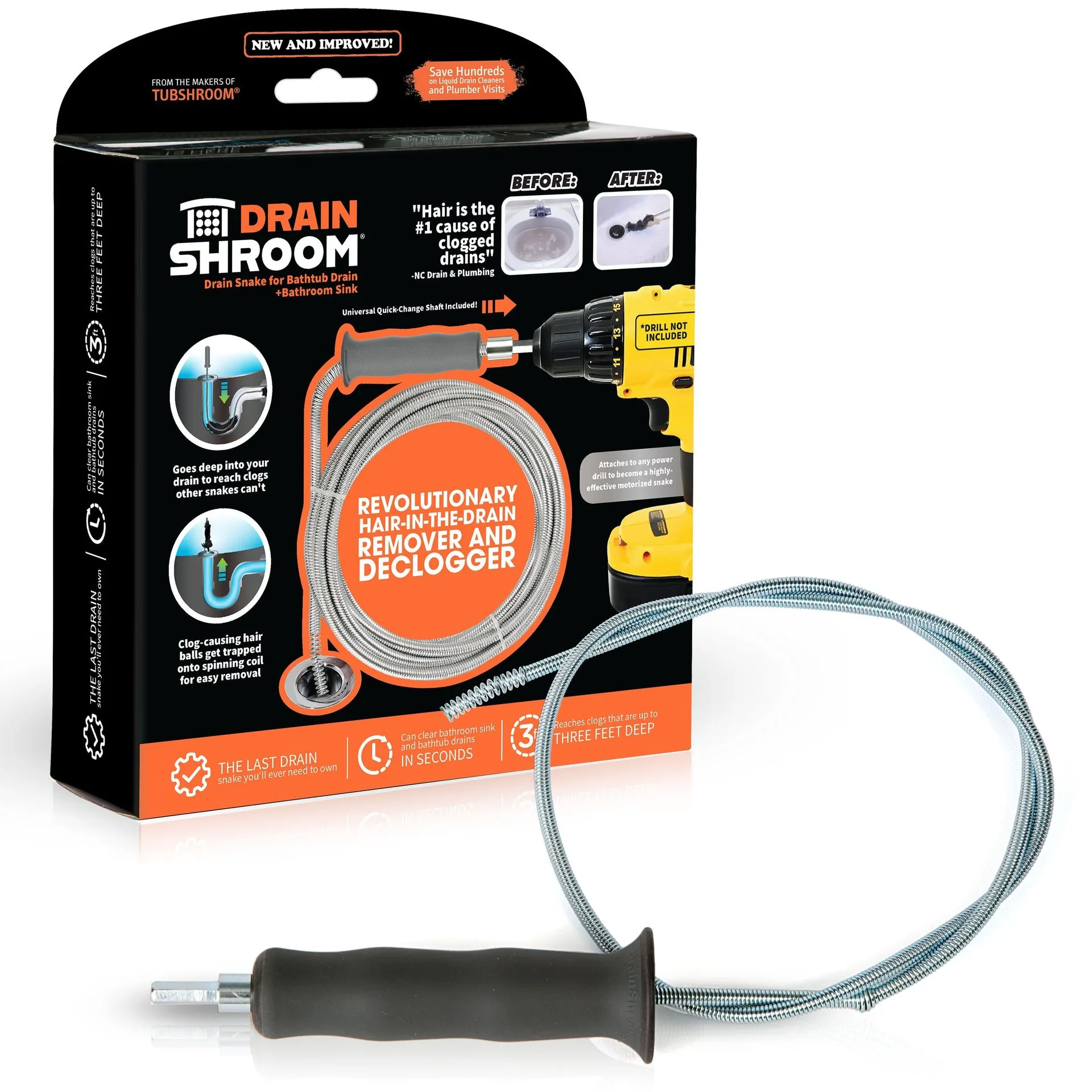
DrainShroom Tub and Sink Snake Auger Clog Remover for Drains, 36 Inch, Stainless
- Tip: To avoid damaging pipes, always insert and rotate the snake gently. Stop if you meet hard resistance.
Comparing Safety, Cost, and Effectiveness
When evaluating the best unclogging method, safety is the top priority. Chemical cleaners score poorly here due to toxicity, pipe damage, and environmental harm. Drain snakes are much safer, though they require caution to avoid pipe scratches. In terms of cost, a bottle of chemical cleaner runs $5–$15, but you may need multiple applications. A quality drain snake costs $10–$30 and lasts for years, making it more economical over time.
Effectiveness depends on the clog type. Chemical cleaners work best on organic clogs (hair, grease) but struggle with solid objects. Drain snakes can handle most clogs, including those caused by small toys or mineral buildup. For stubborn clogs, a snake often succeeds where chemicals fail. Below is a quick comparison table:
- Safety: Drain snake (high) vs. Chemical cleaner (low)
- Cost per use: Drain snake (~$0.10) vs. Chemical cleaner ($5–$15)
- Effectiveness on hair clogs: Drain snake (excellent) vs. Chemical cleaner (good, but may require repeat treatments)
Prevention: The Best Unclogging Method of All
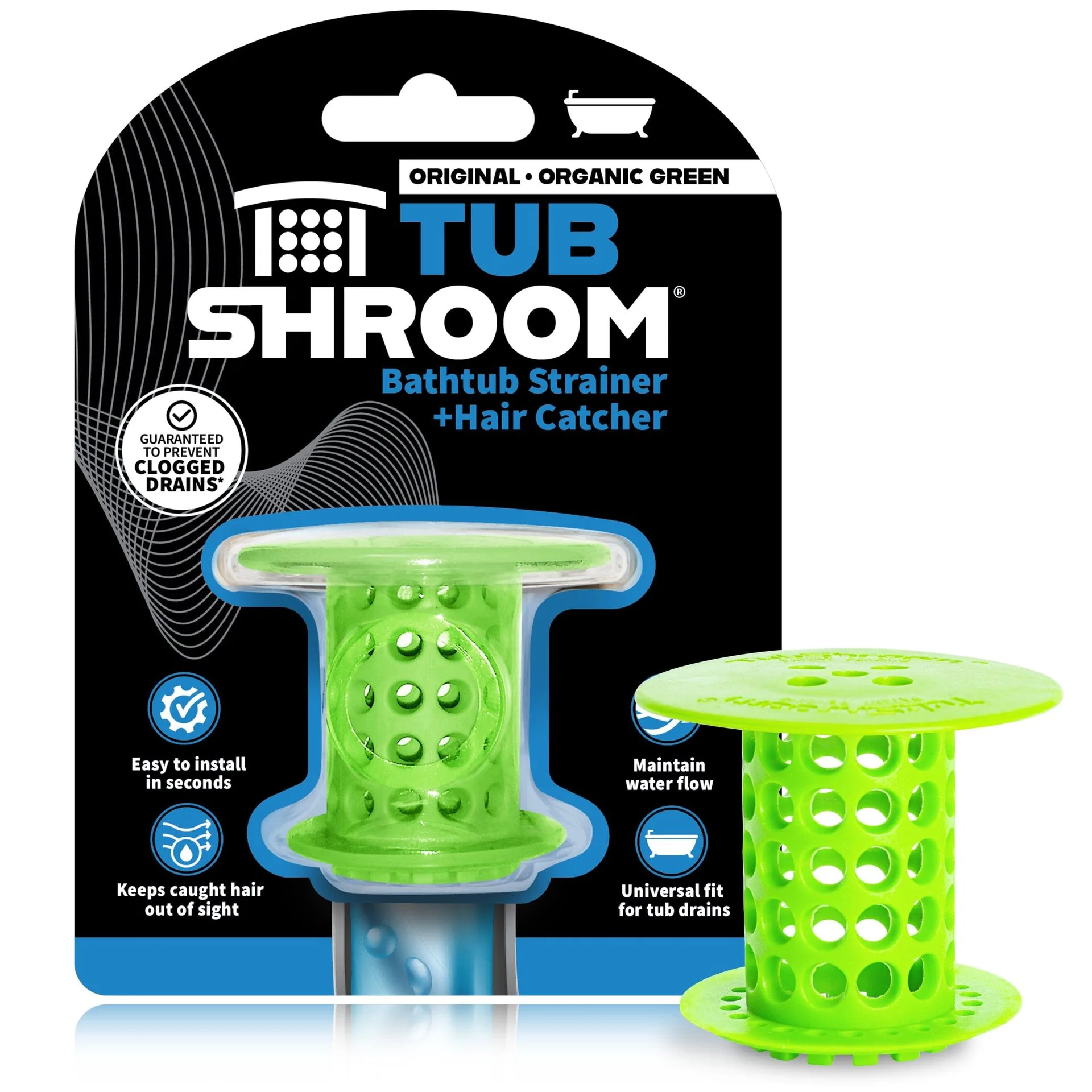
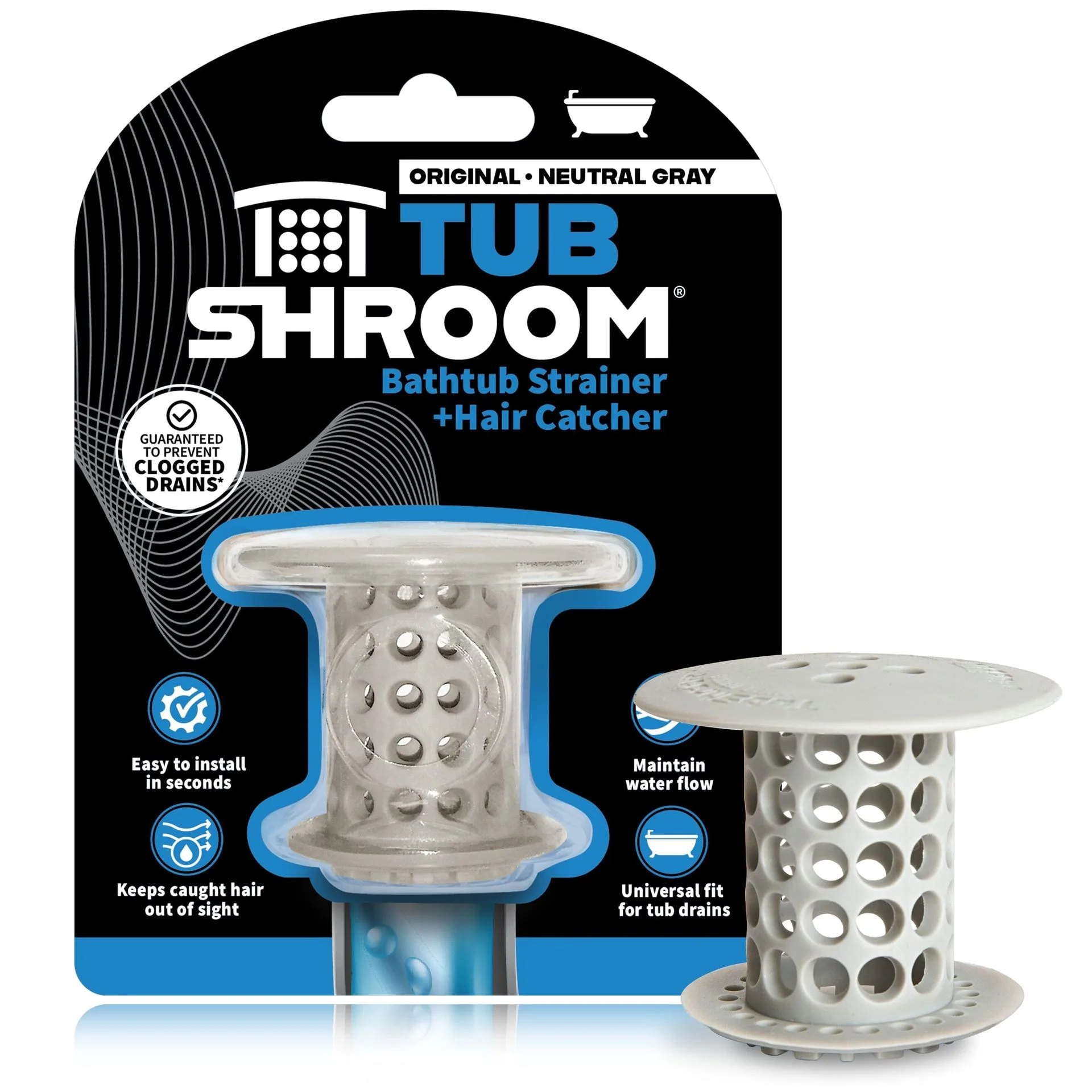
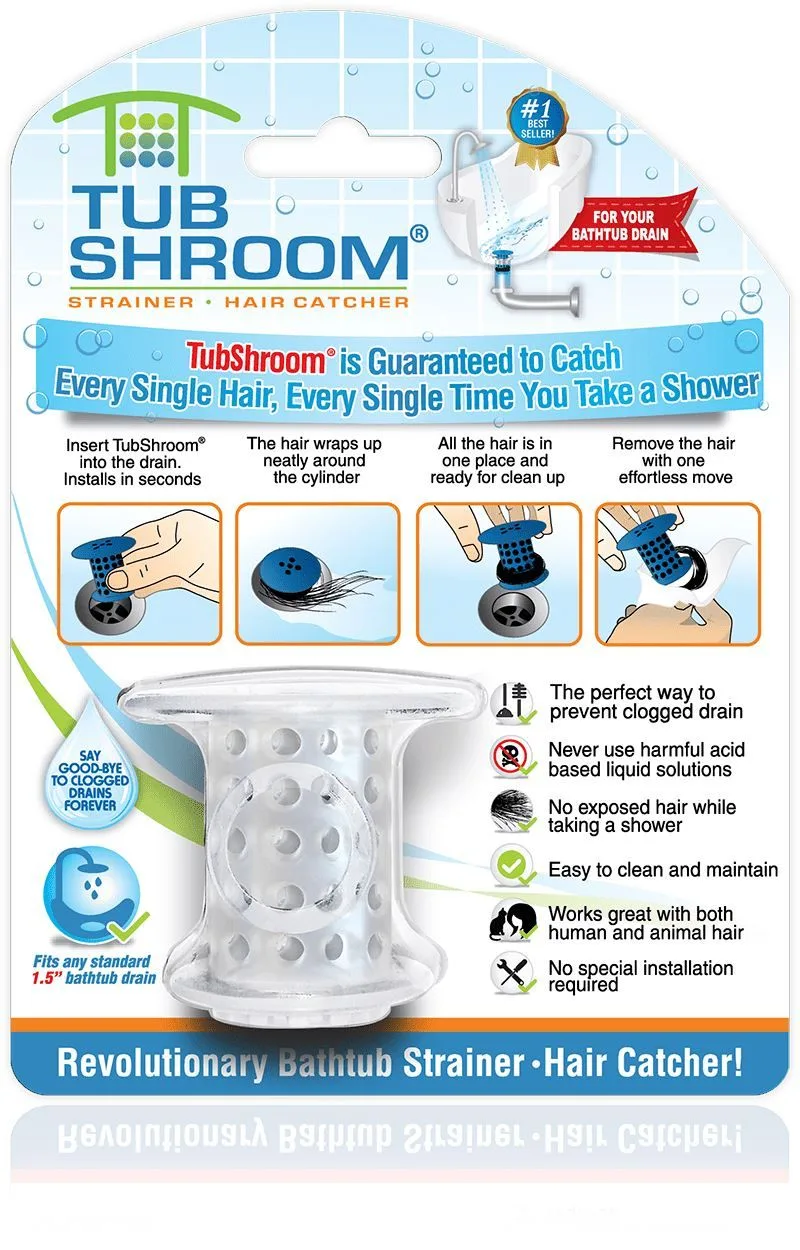
The safest and most cost-effective way to deal with drain clogs is to prevent them from happening in the first place. Hair is the number one culprit in bathroom drains, and a simple hair catcher can stop it before it reaches the pipes. Products like the TubShroom (Orange) The Hair Catcher That Prevents Clogged Tub Drains sit directly inside the drain opening, capturing hair while allowing water to flow freely. They are easy to clean and reusable, making them a zero-waste solution.
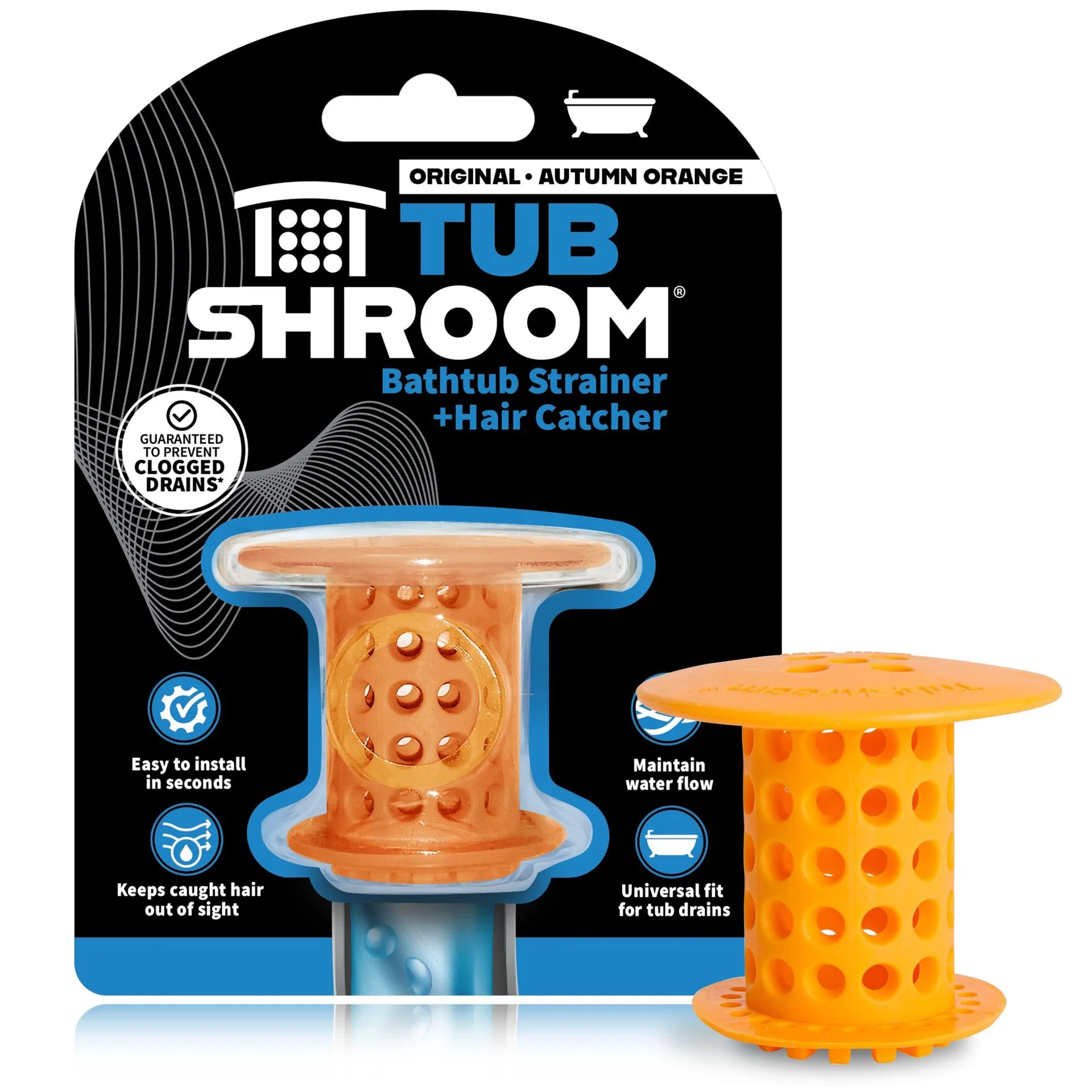
TubShroom (Orange) The Hair Catcher That Prevents Clogged Tub Drains
Similarly, the SinkShroom (Nickel Edition) The Hair Catcher That Prevents Clogged Bathroom Sink Drains fits most bathroom sink drains and catches hair and debris before they form clogs. By using these affordable tools, you can avoid the need for snakes or chemicals entirely. Prevention is not only safer but also saves you the hassle of emergency plumbing calls.
- Tip: Clean your drain protector weekly to maintain water flow and prevent odor buildup.
When choosing between a drain snake and chemical drain cleaners, safety and long-term pipe health should guide your decision. Chemical cleaners are risky and best avoided, while a drain snake offers a mechanical, low-toxicity alternative. But the real winner is prevention: using a reliable hair catcher like the TubShroom keeps your drains clear without any chemicals or tools. Explore our range of drain protectors to find the perfect fit for your home and say goodbye to clog worries for good.