When we think about reducing our environmental footprint, we often focus on ditching plastic bags, biking to work, or eating less meat. But one of the most overlooked yet impactful decisions happens in the frozen aisle of your grocery store. Frozen foods, especially plant-based options, have a surprisingly low environmental impact compared to their fresh or canned counterparts. They can help cut food waste, reduce transportation emissions, and support a more sustainable food system.
At A Dozen Cousins, we believe that eating well shouldn't come at the planet's expense. That's why our frozen meals are crafted with plant-based ingredients and packaged to minimize waste. In this article, we'll explore the environmental benefits of frozen foods—and why choosing plant-based frozen meals like our Corn, Greens, and Tomato Grits Casserole or Naked Burrito Bowl is a smart, green choice for your family and the Earth.
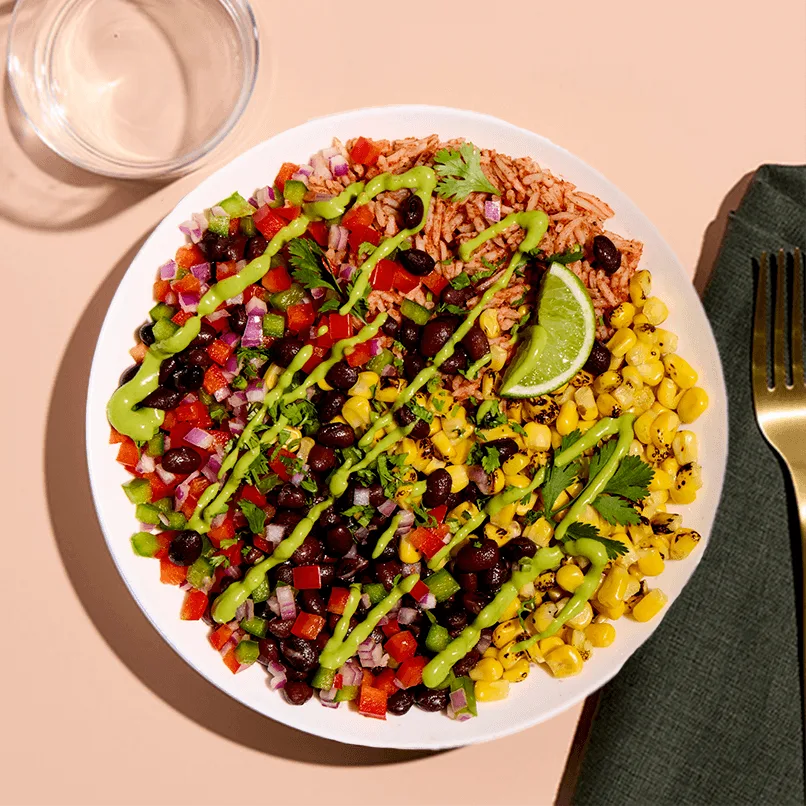
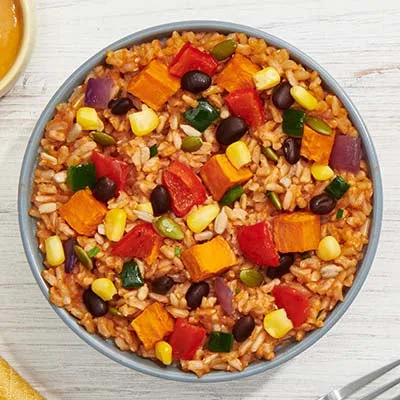
Naked Burrito Bowl
How Frozen Foods Reduce Food Waste
Food waste is a massive environmental problem. According to the United Nations, about one-third of all food produced globally is wasted, contributing to 8-10% of greenhouse gas emissions. Frozen foods help combat this by extending shelf life significantly. When you freeze fruits, vegetables, or prepared meals, you lock in nutrients and flavor while preventing spoilage. This means less food ends up in landfills, where it would decompose and release methane—a potent greenhouse gas.
Plant-based frozen meals are particularly efficient because they often use imperfect produce that might otherwise be discarded. For example, our Veggie Pot Pie uses a blend of vegetables that may not be 'pretty' enough for fresh shelves but are perfectly nutritious and delicious. By choosing frozen, you're not just saving time—you're actively reducing food waste.
- Frozen foods can last months longer than fresh, reducing the likelihood of spoilage.
- Plant-based frozen meals often incorporate 'ugly' produce that would otherwise go to waste.
- Freezing allows for bulk purchasing, which reduces packaging waste per serving.
Lower Carbon Footprint Through Efficient Supply Chains
The carbon footprint of food is influenced by how it's grown, harvested, processed, and transported. Fresh produce often requires rapid, energy-intensive shipping to prevent spoilage—think air freight and refrigerated trucks. Frozen foods, on the other hand, can be transported by sea or rail, which emit significantly less CO2 per mile. They also allow for longer storage at distribution centers, reducing the need for urgent, high-emission logistics.
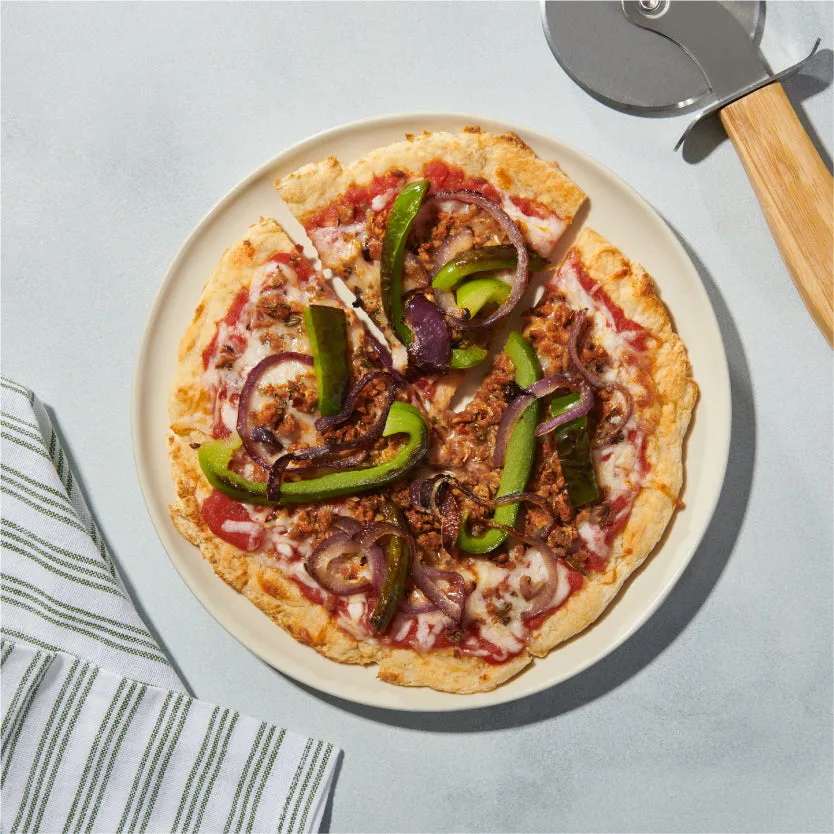
Plant-based frozen options have an even smaller carbon footprint compared to frozen meat or dairy products. A study by the University of Oxford found that plant-based diets generate 73% less greenhouse gas emissions than meat-heavy diets. By choosing frozen plant-based meals like our Yellow Dal Curry or Four Cheese Pizza, you're supporting a supply chain that prioritizes efficiency and sustainability.
- Frozen foods travel more efficiently—by sea or rail—compared to air-freighted fresh items.
- Plant-based frozen meals require less energy for production than animal-based frozen foods.
- Localized production and freezing reduce the need for long-distance, high-emission transport.
Energy Efficiency and Preservation of Nutrients
Freezing is one of the most energy-efficient methods of food preservation. While canning and drying require high heat that can degrade nutrients, freezing locks in vitamins and minerals at their peak ripeness. Modern freezing technology uses less energy than ever before, and many facilities are now powered by renewable sources. This means you get a nutrient-dense meal without the environmental guilt.
Plant-based frozen meals are particularly good at preserving water-soluble vitamins like vitamin C and B vitamins, which are often lost in fresh produce during transport and storage. For instance, our Banana Flax Smoothie retains the natural goodness of bananas and flax seeds, offering a convenient, eco-friendly breakfast option. By choosing frozen, you're not just saving the planet—you're also nourishing your body with peak nutrition.
- Freezing preserves up to 90% of nutrients, compared to 50-60% in canned or dried foods.
- Frozen produce is typically harvested at peak ripeness, maximizing flavor and nutrition.
- Modern freezing facilities are increasingly using renewable energy sources.
Less Packaging Waste with Smart Frozen Meal Choices
Packaging is a major environmental concern, but frozen meals have evolved to use more sustainable materials. Many brands, including A Dozen Cousins, use recyclable or compostable packaging for their frozen products. Additionally, because frozen meals are portion-controlled, they reduce the need for multiple single-use containers that come with takeout or meal kit services.
When you choose frozen plant-based meals, you're also supporting a system that minimizes packaging waste. Our Chipotle Mango Burrito Bowl comes in a recyclable tray, and the outer box is made from post-consumer recycled content. By buying in bulk or choosing family-sized options like our Veggie Pot Pie (4 Servings), you can further reduce per-serving packaging. Every small choice adds up to a greener planet.
- Look for frozen meals with recyclable or compostable packaging.
- Family-sized frozen meals reduce packaging waste per serving compared to single-serve options.
- Avoid frozen meals with excessive plastic wrappers; opt for brands that prioritize sustainability.
Choosing frozen plant-based meals is one of the simplest ways to reduce your environmental impact without sacrificing convenience or taste. By cutting food waste, lowering carbon emissions, and supporting efficient supply chains, you're making a difference with every bite. Explore our selection of sustainable frozen meals, starting with the Corn, Greens, and Tomato Grits Casserole—a hearty, planet-friendly option that your whole family will love. Make the switch today and enjoy guilt-free eating.