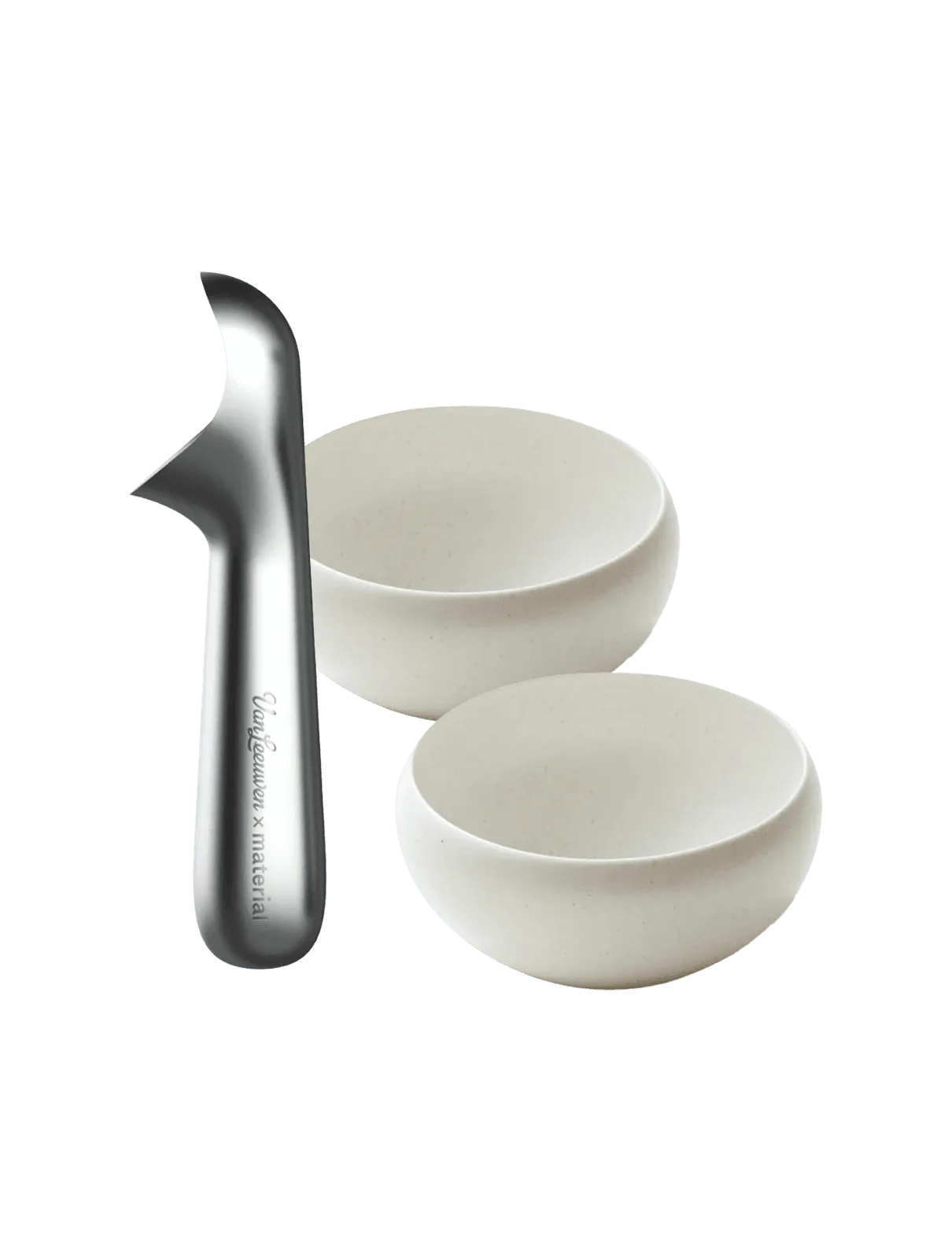
Flatware—often called silverware or cutlery—is one of the most used items in your kitchen and dining table. Yet many home cooks and hosts overlook its importance, grabbing any set without considering weight, balance, material, or design. A thoughtful flatware buying guide can transform your daily meals, making every bite more comfortable and every table setting more elegant. Whether you're outfitting your first apartment, upgrading a wedding registry, or simply refreshing your drawer, this guide will help you select the best dining flatware for your home.
Why Flatware Matters More Than You Think
Flatware is in your hand several times a day. It affects how food feels, how your table looks, and even how guests perceive your hosting. Well-chosen tableware balances aesthetics with ergonomics, ensuring that forks, knives, and spoons feel natural to hold. Poor-quality flatware can bend, rust, or feel flimsy, ruining the dining experience. A solid cutlery selection is an investment in daily pleasure and lasting utility.
Key Factors in Flatware Selection
Material: Stainless Steel Grades
The most common material for modern flatware is stainless steel, but not all stainless steel is equal. Look for the grade stamped on the handle or packaging:
- 18/0 stainless steel – Contains 18% chromium and 0% nickel. It's magnetic, less rust-resistant, and typically used in budget sets. Best for occasional use.
- 18/8 stainless steel – 18% chromium and 8% nickel. Non-magnetic, more corrosion-resistant, and a good mid-range option for everyday dining.
- 18/10 stainless steel – 18% chromium and 10% nickel. The highest quality for home use. It offers superior shine, durability, and resistance to staining and rust. This is what you want for a set that lasts decades.
For a premium feel, consider flatware with a mirror polish or satin finish. The latter hides scratches better, while mirror polish adds a formal glow to your table.
Weight and Balance
Flatware weight is measured in grams per piece. A typical fork or knife weighs 50–70 grams. Lighter pieces feel cheap; heavier pieces feel substantial but can tire your hand during a long meal. Hold a few pieces in your hand before buying. The balance—where the weight sits between handle and head—affects comfort. A well-balanced knife, for example, should feel like an extension of your hand. For precision tasks like slicing tomatoes or bread, dedicated tools like The Almost 4" Knife offer better ergonomics than general flatware.
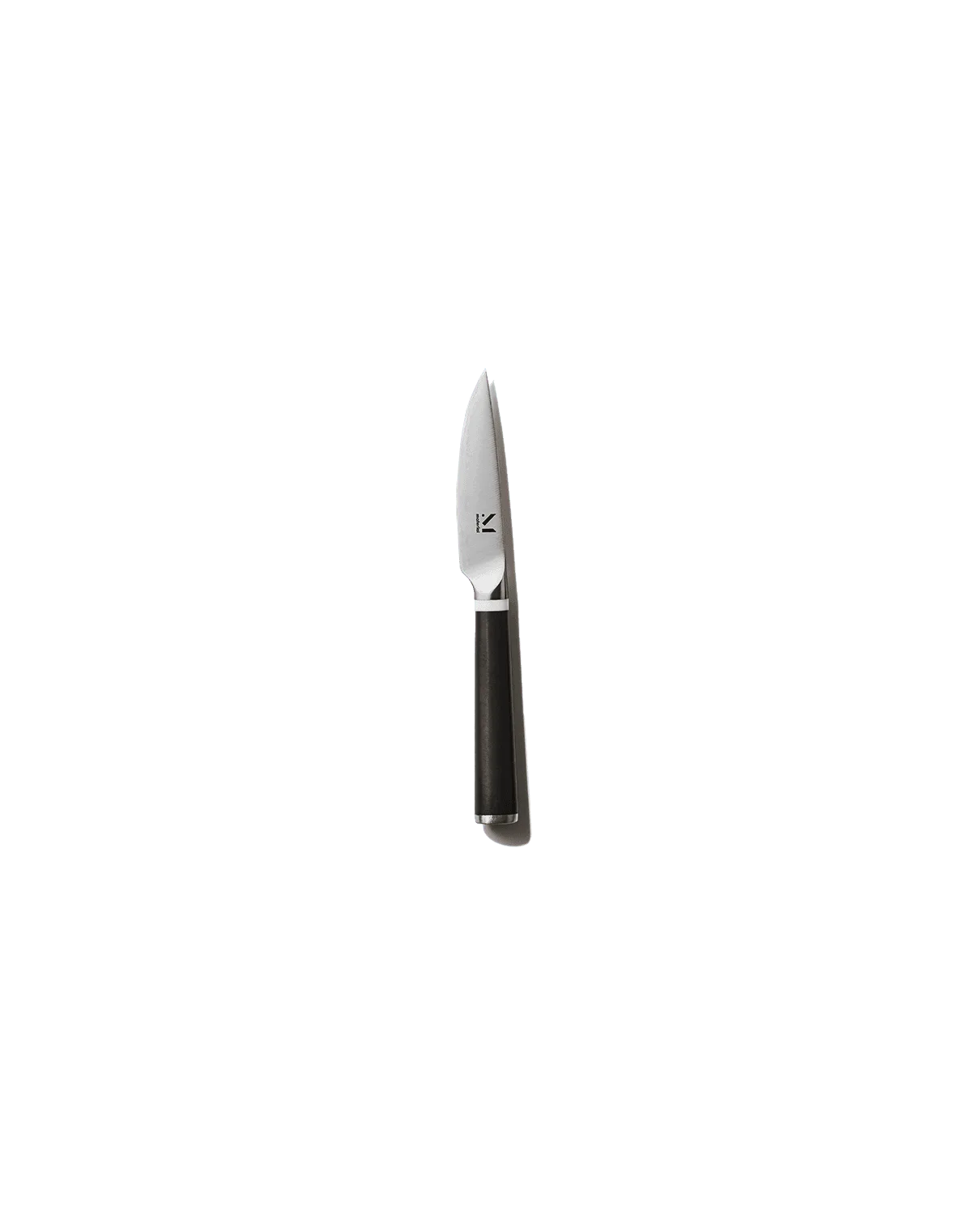
The Almost 4" Knife
Design and Style
Flatware designs fall into three broad categories: classic, modern, and transitional. Classic flatware features ornate handles and traditional shapes. Modern designs are minimalist, often with clean lines and matte finishes. Transitional blends elements of both, making it versatile for any table setting. Your choice should complement your dinnerware and overall decor. If you own a rustic ceramic set, a simple brushed-steel flatware can contrast beautifully. For formal occasions, polished silver-toned pieces elevate the presentation.
Number of Pieces
Flatware sets are sold in place settings, each typically including a dinner fork, salad fork, dinner knife, dinner spoon, and teaspoon. Some sets add a soup spoon, butter knife, or steak knife. For a household of four, a 20-piece set (5 pieces × 4 settings) is a good start. For entertaining, consider 45- or 65-piece sets that include serving pieces. Always buy at least one extra setting for guests or replacements. For a coordinated look, you can mix and match flatware with other tableware items like the The Medium Goun Bowl, which pairs beautifully with simple flatware.
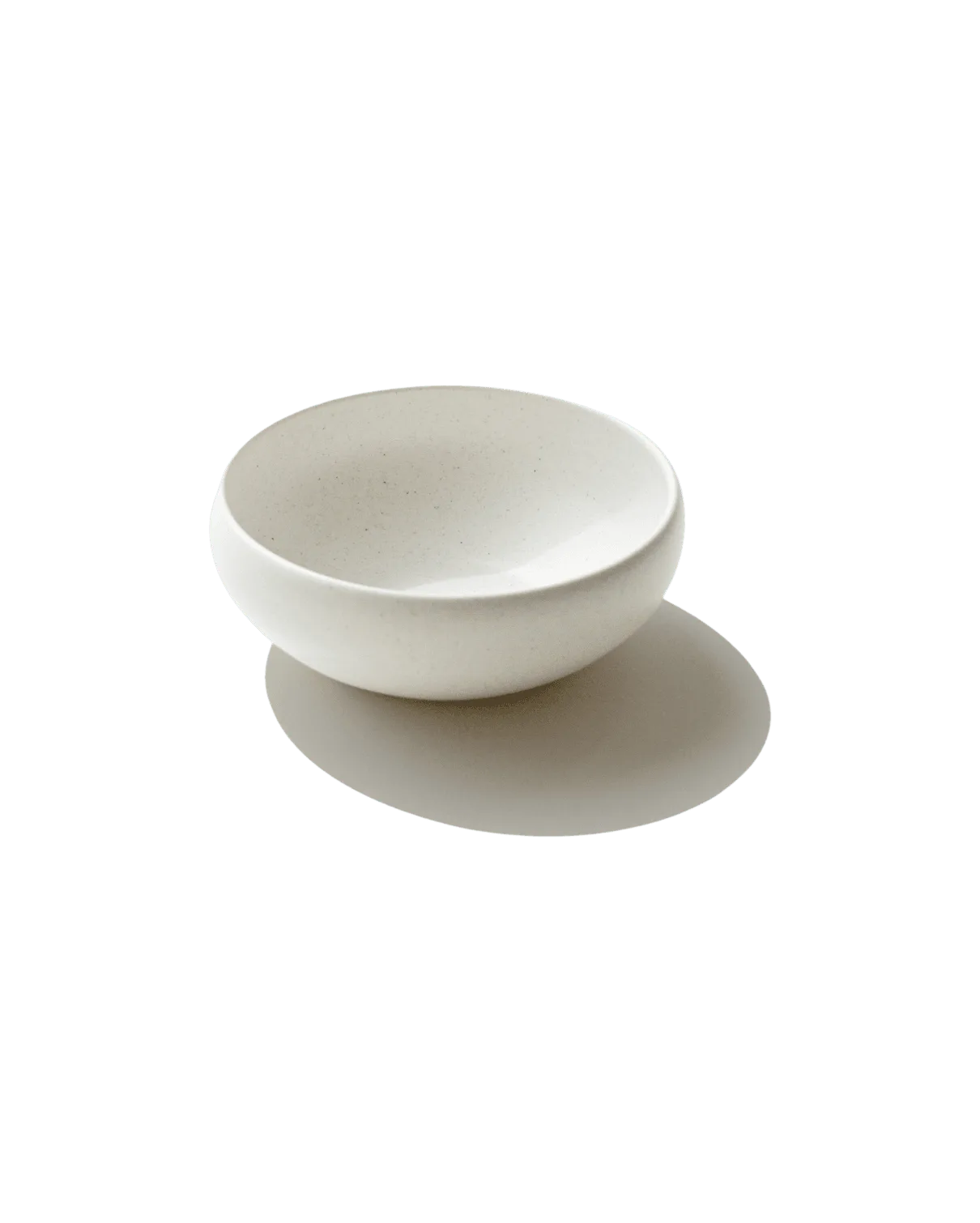
The Medium Goun Bowl
Flatware vs. Knife Sets: When to Buy Separately
While most flatware sets include dinner knives, those knives are often blunt and unsuitable for cutting. For serious kitchen work, a separate set of cutlery is essential. The The Tomato Knife Set is ideal for delicate slicing, while a serrated bread knife handles crusty loaves. Investing in quality kitchen knives alongside your flatware ensures you're prepared for both the table and the prep counter.
Caring for Your Flatware
Proper care extends the life of your flatware. Here are essential tips:
- Hand wash when possible – Even dishwasher-safe flatware can develop spots and scratches from harsh detergents and heat.
- Dry immediately – Water spots and mineral deposits dull the shine. Use a soft cloth to dry each piece.
- Store separately – Use a flatware tray or rolled cloth to prevent scratching. Do not store knives loose in a drawer.
- Avoid abrasive cleaners – Steel wool and bleach can damage the finish. Use mild soap and a non-abrasive sponge.
- Polish occasionally – For high-end 18/10 sets, a gentle stainless steel polish restores luster every few months.
Flatware for Different Occasions
Occasion
Recommended Flatware
Key Features
Daily family meals
18/8 stainless steel, medium weight, satin finish
Durable, easy to maintain, comfortable for all ages
Formal dinner parties
18/10 stainless steel, polished mirror finish, classic design
Elegant, heavy, long-lasting, impresses guests
Casual entertaining
Transitional style, brushed or matte finish
Versatile, hides wear, pairs with any dinnerware
Outdoor dining
Uncoated stainless steel or plastic handles
Lightweight, rust-resistant, easy to pack
Common Mistakes When Buying Flatware
- Ignoring handle shape – Too thick or too thin handles can be uncomfortable after a few minutes.
- Choosing only on price – Cheap sets often bend or lose coating. Invest in quality for longevity.
- Forgetting serving pieces – Many sets omit serving spoons, forks, and ladles. Check before buying.
- Not testing the knife edge – Dinner knives should be sharp enough to cut through a steak or chicken breast.
- Buying mismatched finishes – If you mix polished and matte pieces, ensure they complement each other.
Top Flatware Recommendations for Every Budget
While we don't list specific brands here, look for sets that use 18/10 steel, have a comfortable weight (60–70g per piece), and include at least a 5-piece setting. For a budget-friendly option, 18/8 steel with a matte finish offers good value. Mid-range sets often add a steak knife and serving pieces. Premium sets may include extra fork types like dessert or oyster forks. Remember, the best flatware is the one you'll enjoy using every day.
Final Thoughts: Elevate Your Dining Experience
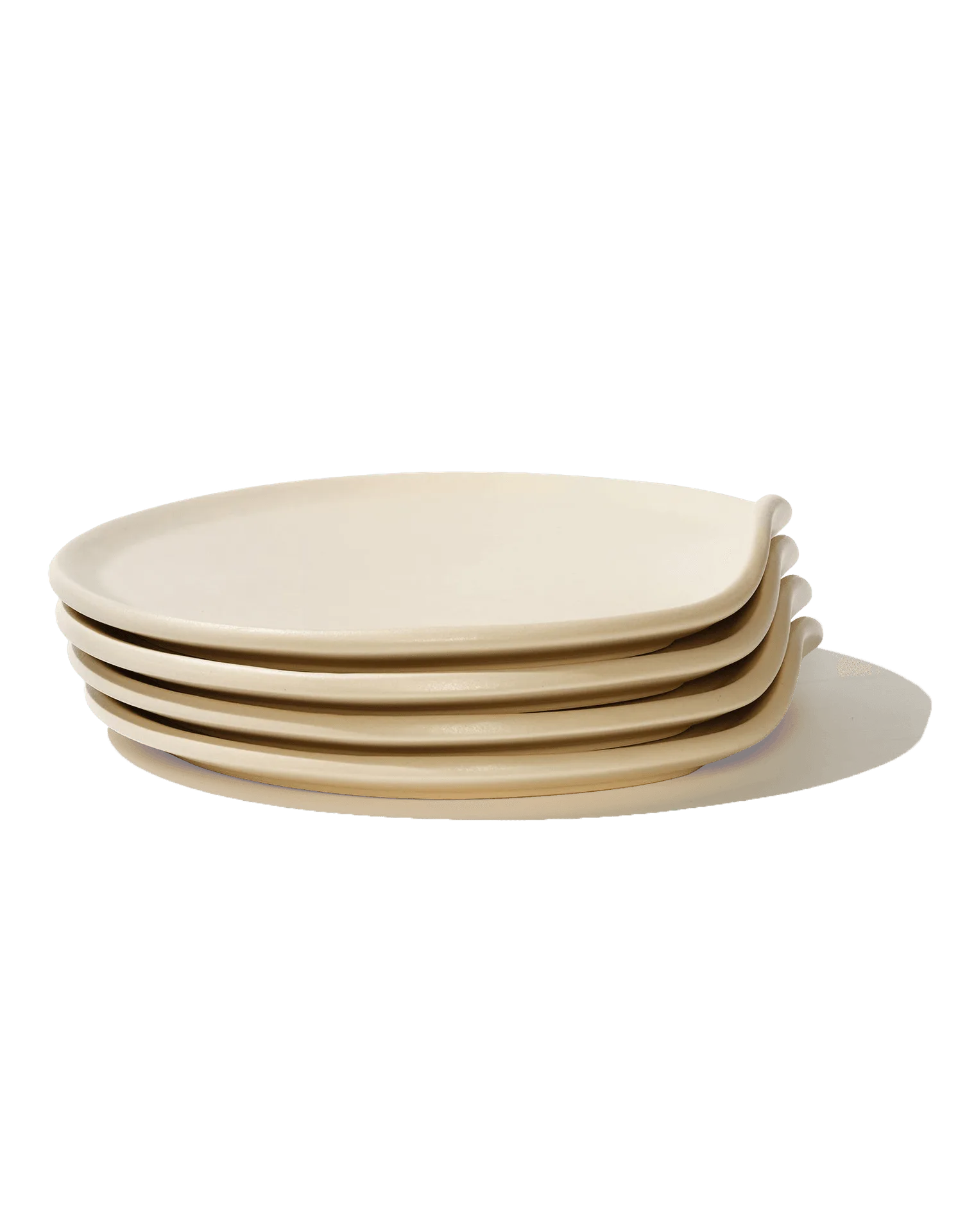
Choosing the right flatware is a personal journey that combines function, style, and comfort. By understanding materials, weights, and design, you can make an informed cutlery selection that serves you well for years. Pair your flatware with complementary pieces like Bread Plate Set of 4 for a cohesive table setting. And don't forget to invest in quality kitchen knives for those prep tasks that flatware can't handle.
Call to Action
Ready to upgrade your dining experience? Explore our curated selection of premium flatware and kitchen tools, starting with the versatile Pantry Cutlery set—perfect for everyday use and special occasions alike.