Soup is one of those meals that feels like a hug in a bowl, but making it from scratch takes planning, chopping, and simmering. On busy weeknights, the allure of opening the freezer and having a warm bowl in minutes is hard to beat. That’s where the frozen soup vs homemade debate begins.
Both approaches have real tradeoffs. Homemade soup gives you total control over ingredients and flavor, but it demands time and effort. Frozen soup offers convenience and consistency, but you might wonder about nutritional value and cost. In this comparison, we’ll break down the practical differences so you can decide which option fits your kitchen routine best.
Time: The Biggest Divide
Homemade soup, even a simple vegetable soup, usually takes 30 to 60 minutes of active prep and cooking. You need to wash, chop, sauté aromatics, add broth, and let it simmer. If you’re making a batch for the week, that time pays off later, but on a Tuesday night, it can feel like a project.
Frozen soup flips that timeline. Most frozen soups, like the Mixed Bean Chili & Cornbread from A Dozen Cousins, heat in under 10 minutes in a microwave or on the stove. You don’t chop a single onion or measure a single spice. For anyone juggling work, kids, or just wanting dinner fast, that time savings is the main draw.
- If you have 10 minutes total, frozen soup wins. If you enjoy cooking and have an hour, homemade can be rewarding.
Cost: What You Pay for Convenience
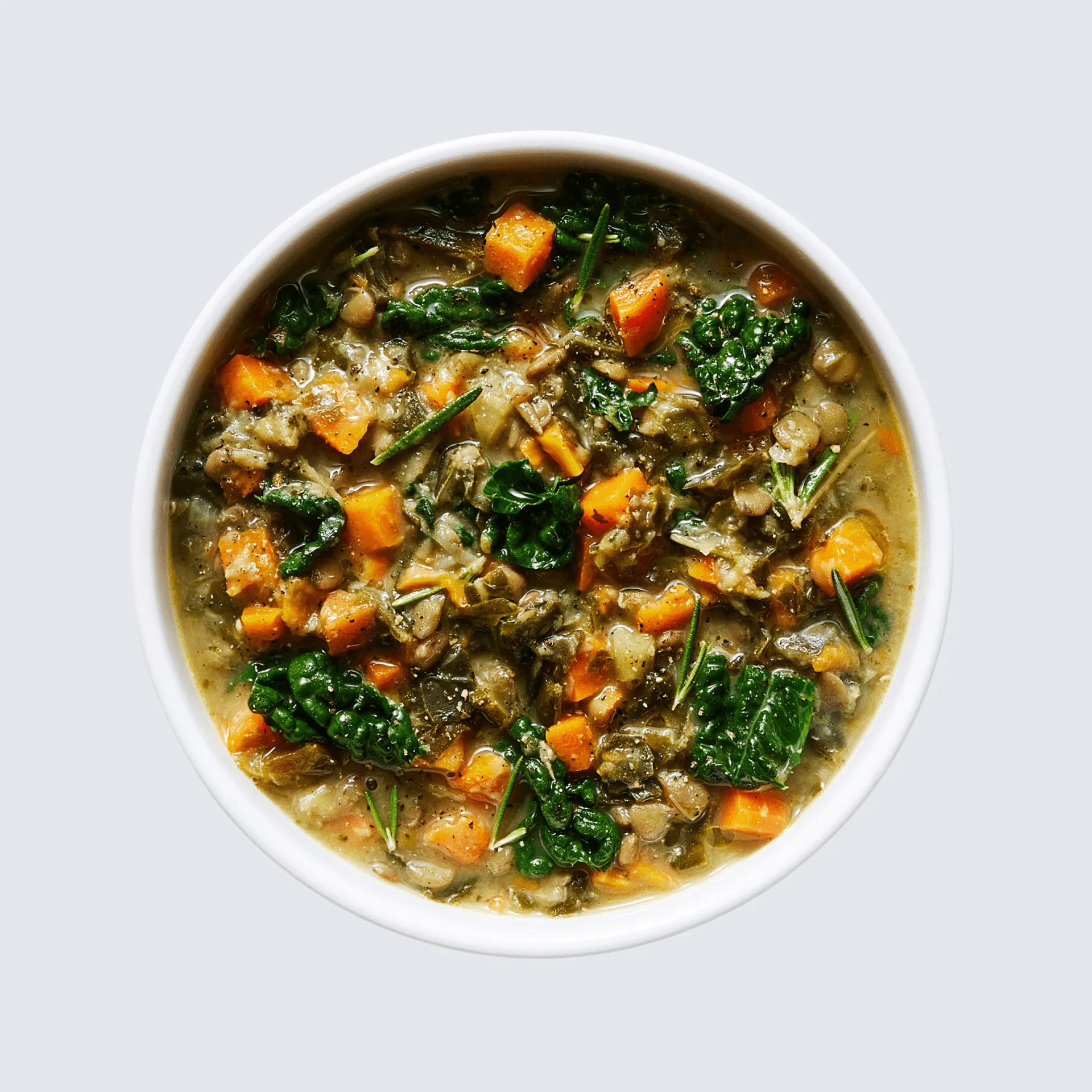
Homemade soup can be cheaper per serving, especially if you use pantry staples like dried beans, lentils, and bulk vegetables. A big pot of lentil soup might cost $1.50 per serving. But that math only works if you already have the spices, oil, and broth on hand, and if you actually use all the vegetables before they wilt.
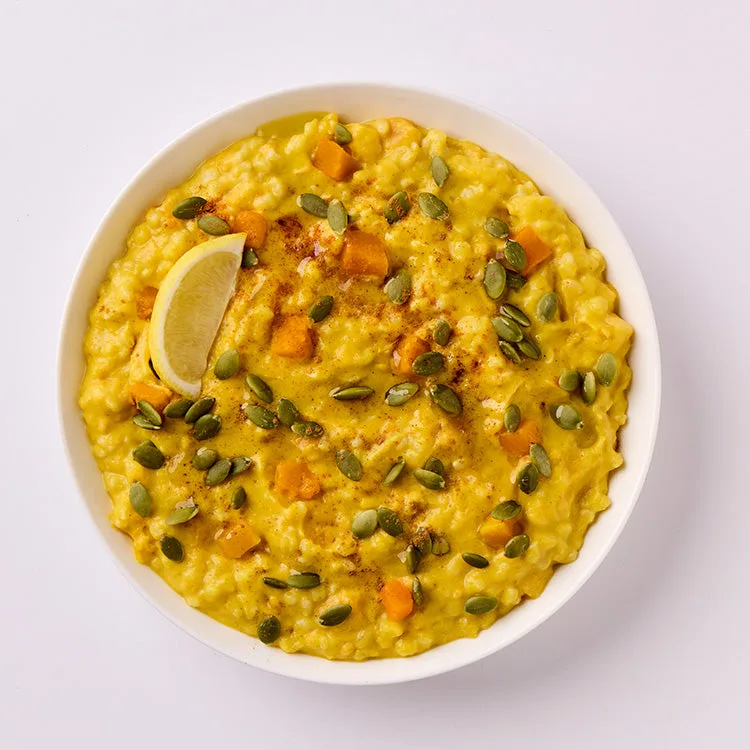
Frozen soup usually costs more per serving, often $3 to $6 depending on the brand and ingredients. However, that price includes the labor, packaging, and quality control. When you factor in the cost of wasted produce or forgotten leftovers, the gap narrows. A frozen plant-based soup like the Yellow Dal Curry offers a complete meal with no waste and no extra shopping trip.
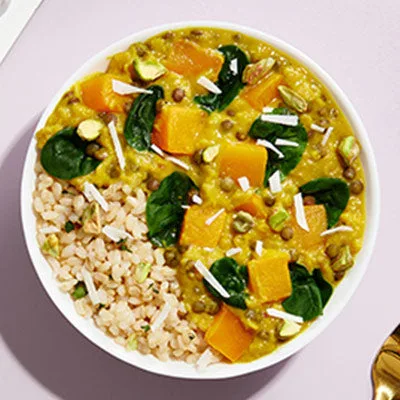
Yellow Dal Curry
- For a single person or small household, frozen soup can be more cost-effective than buying fresh ingredients that spoil before you use them.
Nutritional Value: Comparing Real Ingredients
Homemade soup lets you control salt, fat, and every ingredient. You can pack it with extra greens, use low-sodium broth, and skip preservatives. For people with specific dietary needs, that control is valuable. But the nutritional value depends entirely on what you put in—homemade soup made with heavy cream and salt-laden stock isn’t automatically healthy.
Frozen soup can be just as nutritious when made with whole food ingredients. Many plant-based frozen soups, such as the Tomato Quinoa Chili, are loaded with fiber, protein, and vegetables without artificial additives. The freezing process preserves nutrients well, sometimes better than fresh produce that sits in the fridge for a week. The key is reading the ingredient list and choosing soups with recognizable foods.
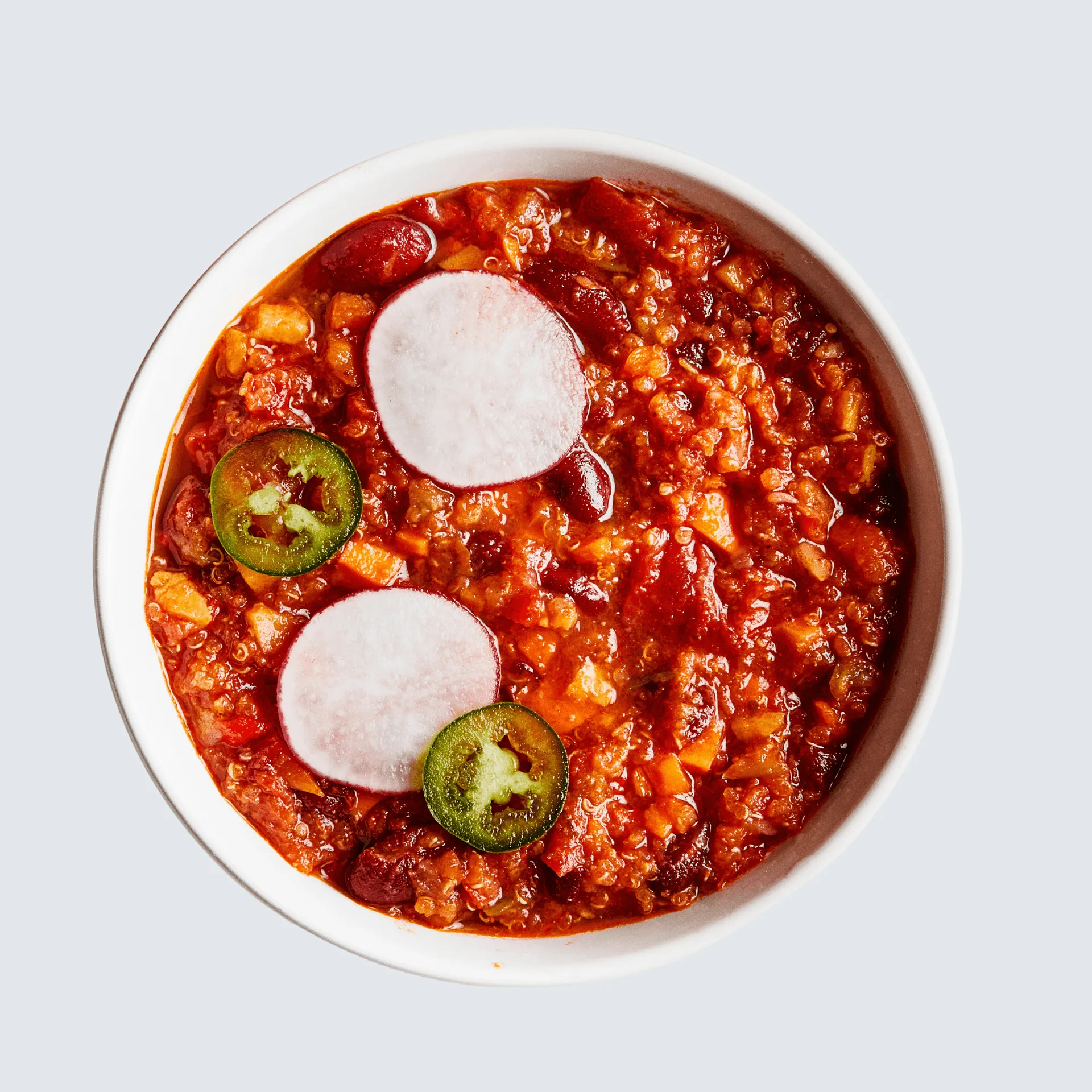
Tomato Quinoa Chili
- Check the sodium content on frozen soup labels—aim for under 600 mg per serving if you're watching salt.
Flavor and Customization: The Tradeoff
Homemade soup wins on flavor depth and customization. You can adjust spices, add a squeeze of lemon, or toss in leftover vegetables. The slow simmer melds flavors in a way that’s hard to replicate in a frozen product. If you love cooking and have time, homemade is hard to beat.
Frozen soup offers consistent, tested flavor every time. Brands like A Dozen Cousins build their recipes with balanced spices and real ingredients, so you don’t have to guess. While you can’t tweak the base recipe, you can easily add your own toppings—a dollop of yogurt, fresh herbs, or a side of crusty bread. That gives you some customization without the prep work.
- To elevate a frozen soup, stir in a handful of spinach or a splash of coconut milk before serving.
Convenience and Storage: The Practical Side
Homemade soup requires freezer space and proper containers if you batch cook. It can last 3 to 6 months frozen, but you need to remember to thaw it. On a busy night, you might find yourself staring at a frozen block of soup with no time to defrost.
Frozen soup is designed for instant gratification. It’s portioned, sealed, and ready to heat straight from the freezer. No planning ahead, no thawing. For people who travel, work late, or just want a reliable backup meal, that convenience is a game changer. A bowl of the Naked Burrito Bowl or a smoothie like the Blue Majik Smoothie might be your go-to, but having a frozen soup on hand adds variety.
- Keep two or three different frozen soup varieties in your freezer so you never get bored.
Neither frozen soup nor homemade soup is universally better—it depends on your priorities. If you value time and consistency, frozen plant-based soups like the Mixed Bean Chili & Cornbread or Yellow Dal Curry deliver a nutritious meal in minutes. If you love cooking and want total flavor control, homemade soup is worth the effort. The best strategy? Use frozen soup as a reliable backup and make a big pot of homemade soup when you have the weekend to enjoy the process.