When setting up a home office, one of the biggest decisions you’ll face is choosing between a gaming chair and an office chair. Both promise comfort and support during long hours of sitting, but they cater to different needs and aesthetics. As remote work becomes the norm, the question isn’t just about style—it’s about health, productivity, and long-term value. In this gaming chair vs office chair showdown, we’ll break down the key differences in ergonomics, adjustability, build quality, and price to help you make the right choice for your workday.
At SPRAYGROUND®, we understand that your workspace reflects your personality. Whether you prefer the bold, race-car-inspired look of a gaming chair or the sleek, professional silhouette of an office chair, the right seat can transform your productivity. We’ll also explore how accessories like a stylish backpack can complement your setup, keeping your gear organized while you work. Let’s dive into the details so you can sit comfortably and work smarter.
Ergonomics and Posture Support: The Core Difference
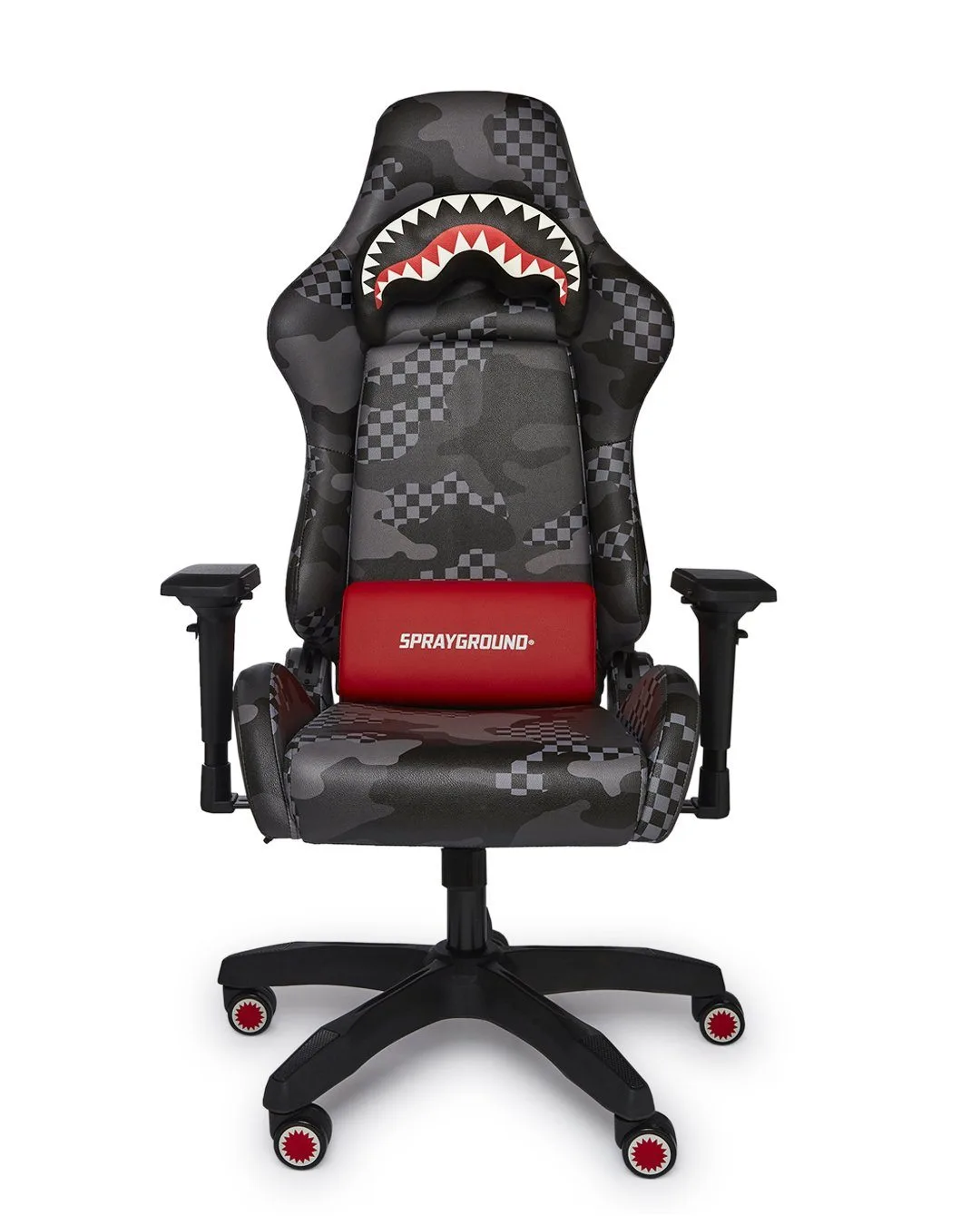
The most critical factor in any ergonomic chair comparison is how well the chair supports your body during prolonged sitting. Gaming chairs are designed with a high backrest and pronounced lumbar support, often featuring a built-in pillow for the lower back. This design mimics the bucket seats of race cars, providing a snug, enveloping feel that keeps your spine aligned. Many gaming chairs also include a headrest pillow to support the neck, reducing strain during marathon gaming sessions—or long workdays.
Office chairs, on the other hand, prioritize adjustability and neutral posture. High-end office chairs typically offer independent seat depth adjustment, tilt tension control, and multi-directional armrests. They encourage a more upright, dynamic sitting position that allows for easy movement. While gaming chairs can be adjusted for height and recline, they often lack the fine-tuning options found in premium office models. For users who need to shift between typing, reading, and video calls, an office chair’s flexibility may be more beneficial. However, if you prefer a consistent, supported posture with minimal adjustment, a gaming chair could be your perfect match.
- Gaming chairs excel at fixed lumbar and neck support; office chairs offer more customizable adjustments.
- Consider your work tasks: office chairs suit varied movements, while gaming chairs lock you into a focused position.
Material, Durability, and Breathability
Materials play a huge role in comfort and longevity. Gaming chairs are often upholstered in synthetic leather (PU leather) or a blend of fabric and leather. PU leather is easy to clean and gives a sleek, high-gloss look, but it can become sticky or uncomfortable in warm environments. Breathable mesh is rare in gaming chairs, though some models incorporate fabric panels to improve airflow. Over time, PU leather may crack or peel, especially in dry climates.
Office chairs commonly use breathable mesh for the backrest and high-density foam or mesh for the seat. Mesh allows air to circulate, keeping you cool during long hours. Fabric and leather options are also available, but mesh remains the gold standard for temperature regulation. In terms of durability, a well-made office chair with a steel frame and quality mesh can last a decade or more. Gaming chairs, while sturdy, may show wear faster on the seat cushion and armrests. For a workspace where you’ll sit 8+ hours daily, breathability and longevity should be top priorities.
- Mesh office chairs offer superior airflow; gaming chairs prioritize style and easy cleaning.
- If you work in a hot climate, an office chair with mesh backrest is likely more comfortable.
Style, Aesthetics, and Workspace Integration
Let’s face it: looks matter. Gaming chairs are bold, colorful, and designed to make a statement. They often feature racing stripes, RGB lighting, and aggressive contours that scream gamer culture. If your home office doubles as a gaming den, a gaming chair can tie the room together. Many users love the immersive feel and the way these chairs signal a passion for gaming and tech.
Office chairs, by contrast, lean toward minimalist, professional designs. They come in neutral colors like black, gray, or white, with clean lines that blend into any corporate or home office setting. If your workspace needs to appear polished for video calls or client meetings, a traditional office chair may be more appropriate. That said, you can still inject personality into your setup with accessories. For example, pairing a neutral chair with a vibrant backpack like the Checkpoint Royale Savage Backpack adds a pop of streetwear flair without overwhelming the room. Similarly, a sleek duffel bag can store your gym gear or travel essentials, keeping your workspace clutter-free.
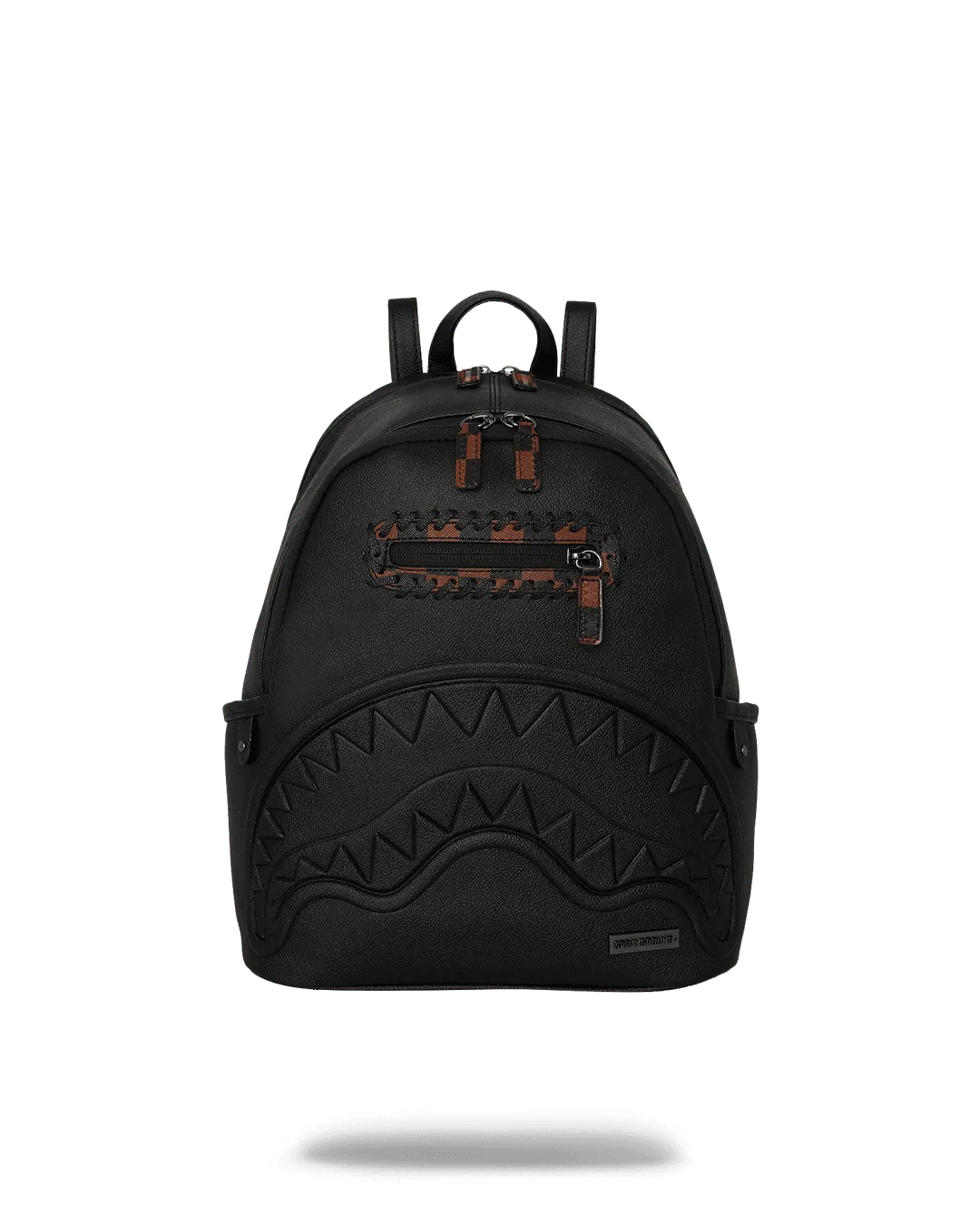
Checkpoint Royale Savage Backpack
- Gaming chairs suit bold, personal spaces; office chairs fit professional or minimalist environments.
- Use accessories like backpacks or duffels to add color and function to your workspace.
Price and Value: What You Get for Your Money
Pricing is a major deciding factor in any gaming chair vs office chair debate. Gaming chairs typically range from $150 to $500 for mid-range models, with premium options reaching $800 or more. At these price points, you get a sturdy frame, adjustable armrests, and high-density foam. However, the ergonomic features may not match the precision of high-end office chairs.
Office chairs span a wider range: basic models start under $100, while ergonomic office chairs from brands like Herman Miller or Steelcase can cost $1,000–$2,000. Mid-range office chairs ($300–$600) often offer better adjustability and build quality than gaming chairs in the same bracket. For most home office users, a mid-range office chair provides the best balance of comfort and cost. Alternatively, if you’re a gamer who also works from home, a gaming chair with strong lumbar support can serve double duty. To maximize your investment, consider the chair’s warranty and return policy—both factors that indicate manufacturer confidence.
- Mid-range office chairs ($300–$600) often outperform gaming chairs in adjustability.
- Look for warranties of at least 5 years for long-term value.
Which Chair Should You Choose? A Practical Guide
The answer depends on your priorities. If you work long hours and need precise ergonomic adjustments, a high-quality office chair is the safer bet. If you value aesthetics and want a chair that doubles as a gaming throne, a gaming chair can work—especially if you add a lumbar pillow. Hybrid chairs that blend gaming style with office ergonomics are also emerging, but they often come at a premium.
To make the best choice, test chairs in person if possible. Sit for at least 15 minutes, adjust the settings, and assess pressure points. Remember that no chair replaces the need to stand and stretch every hour. Pair your chair with a standing desk or a timer to remind you to move. And don’t forget to organize your workspace with gear that inspires you—like the All Systems Go DLXSV Backpack for carrying your laptop and essentials in style.

All Systems Go DLXSV Backpack
- Try before you buy: check seat depth, armrest height, and lumbar curve.
- Combine your chair with movement breaks and a well-organized desk setup.
In the end, both gaming chairs and office chairs have their strengths. For pure work productivity and long-term ergonomic health, a quality office chair usually wins. But if you want a chair that reflects your style and can handle both work and play, a gaming chair is a fun and functional choice. Whichever you pick, SPRAYGROUND® has the accessories to complete your workspace—explore the All Systems Go DLXSV Backpack to keep your gear organized and your look sharp.