Dan dan noodles are one of the most beloved dishes in Sichuan cuisine, known for their bold, spicy, and numbing flavors. But how did this humble street food evolve into a global icon? In this article, we trace the history of dan dan noodles from its origins in Chengdu, China, to its modern-day popularity in kitchens and restaurants around the world.
Whether you're a spice enthusiast or a curious foodie, understanding the story behind dan dan noodles adds a deeper appreciation for every bite. We'll also share tips on how to enjoy authentic dan dan noodles at home, including a standout product that brings the tradition to your table.
Origins in Chengdu Street Stalls
Dan dan noodles trace their roots to the bustling street food scene of Chengdu, the capital of Sichuan province, during the late Qing Dynasty (19th century). The name 'dan dan' refers to the bamboo pole (dan dan) that vendors used to carry their wares—a pole with a basket of noodles on one end and a pot of sauce on the other. These mobile stalls would roam the streets, and customers would enjoy the noodles right on the spot.
The original recipe was simple yet powerful: wheat noodles topped with a sauce made from preserved mustard greens, minced pork, chili oil, Sichuan peppercorns, sesame paste, and soy sauce. The combination of heat, numbness, and savory depth was an instant hit among laborers and locals. Over time, the dish became a staple of Sichuan cuisine, evolving as chefs added their own twists while preserving the core flavors.
- The bamboo pole (dan dan) allowed vendors to carry ingredients and cook noodles anywhere.
- Original sauce included preserved mustard greens (ya cai), a key umami booster.
- Sichuan peppercorns provided the signature 'ma la' (numbing and spicy) sensation.
Key Ingredients That Define Dan Dan Noodles
Authentic dan dan noodles rely on a specific set of ingredients that create its iconic flavor profile. The foundation is fresh or dried wheat noodles, which provide a chewy texture that holds up to the heavy sauce. The sauce itself is a complex blend: chili oil (made from dried chilies and oil) delivers heat, while Sichuan peppercorns add a citrusy, numbing tingle. Sesame paste or tahini contributes creaminess, and soy sauce brings saltiness and depth.
Minced pork is typically stir-fried with garlic, ginger, and preserved mustard greens (ya cai) to create a savory topping. Finally, a sprinkle of chopped scallions and crushed peanuts adds freshness and crunch. Some modern variations include vegetarian versions using mushrooms or tofu, but the soul of the dish remains the balance of spicy, numbing, salty, and slightly sweet notes.
- Sichuan peppercorns are essential for the numbing sensation—not to be confused with black pepper.
- Preserved mustard greens (ya cai) are available at Asian grocery stores or online.
- For a vegetarian twist, substitute minced pork with shiitake mushrooms or textured vegetable protein.
Regional Variations and Global Spread
As dan dan noodles gained popularity across China, regional variations emerged. In Taiwan, for example, the dish is often milder and sweeter, with less chili oil and more sesame paste. In Hong Kong, it's sometimes served with a thicker, peanut-based sauce. Each adaptation reflects local tastes while honoring the original's spirit.
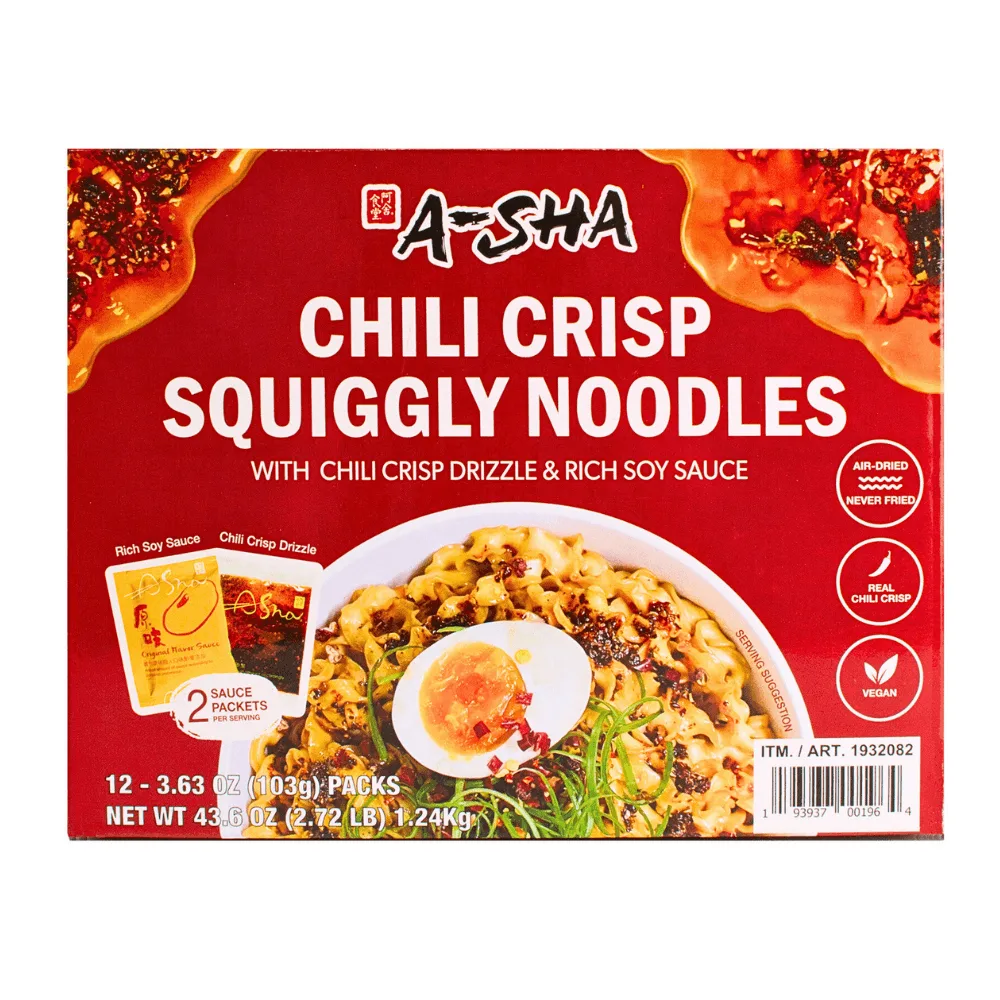
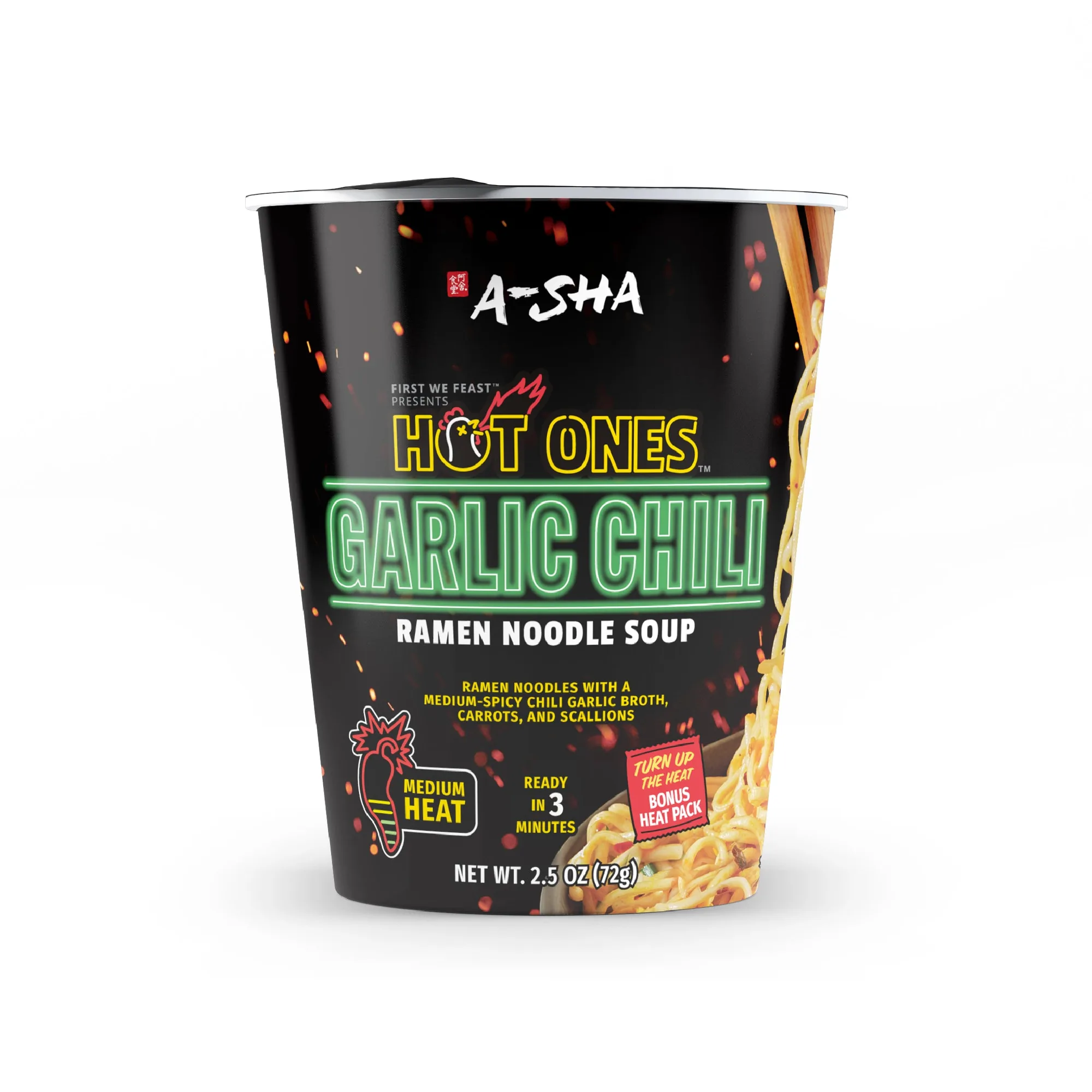
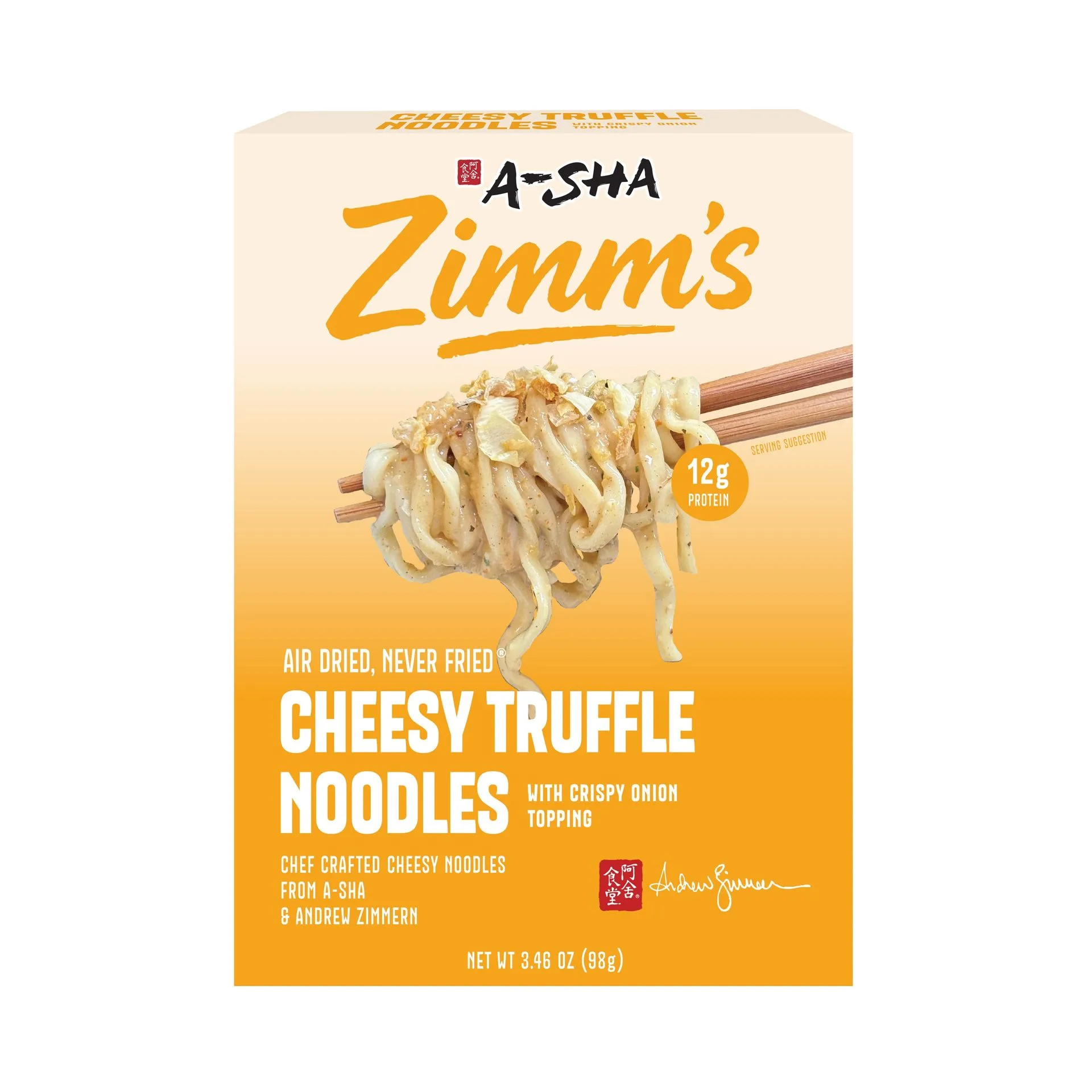
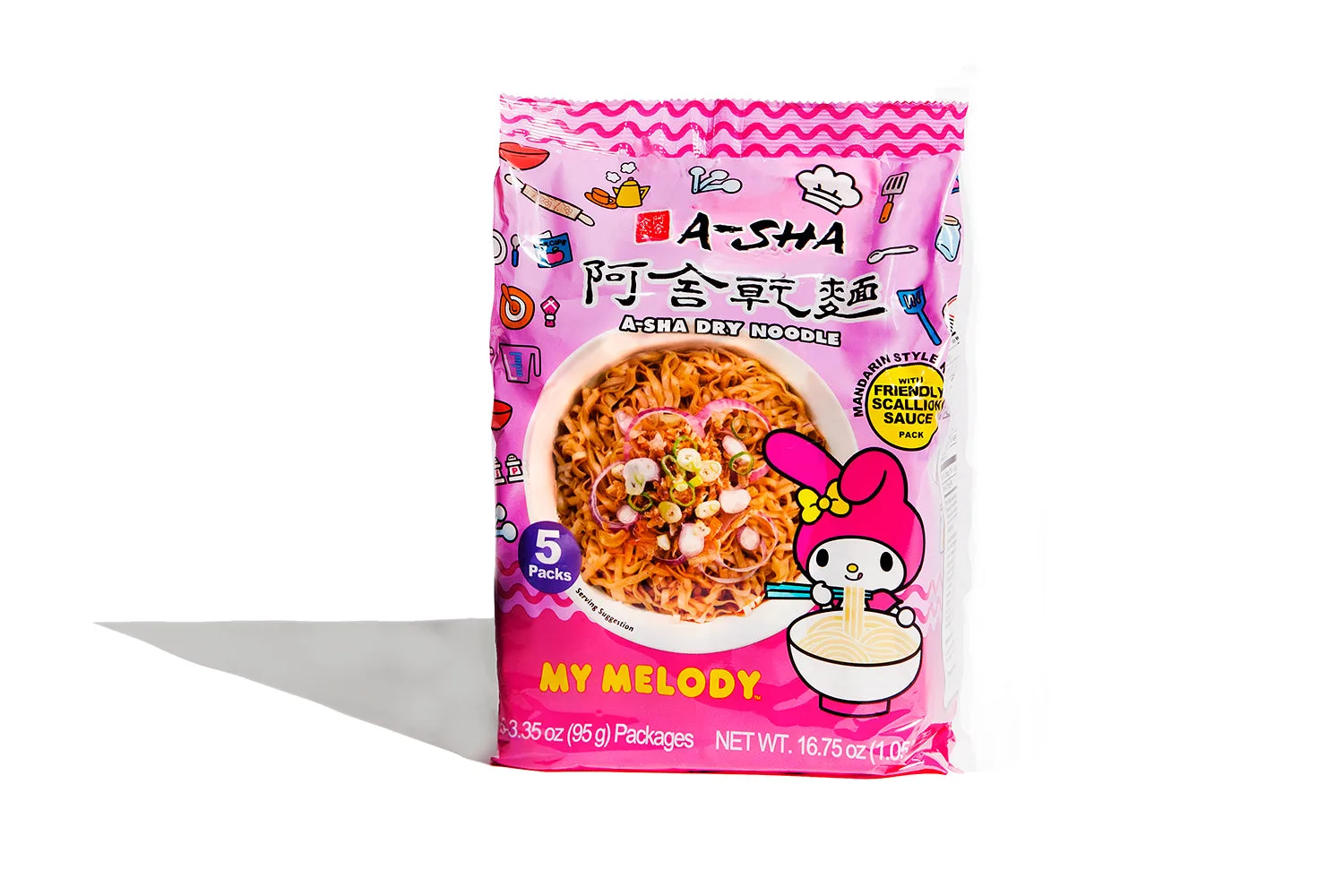
Outside Asia, dan dan noodles have become a staple in Chinese restaurants worldwide, especially in the United States. The rise of food media and celebrity chefs like David Chang and Fuchsia Dunlop helped introduce the dish to Western audiences. Today, you can find dan dan noodles in everything from food trucks to fine dining, and even in instant noodle form. For those who want to enjoy authentic flavors at home, products like A-Sha Meteor Noodles with Dan Dan Sauce offer a convenient yet delicious way to experience the tradition.
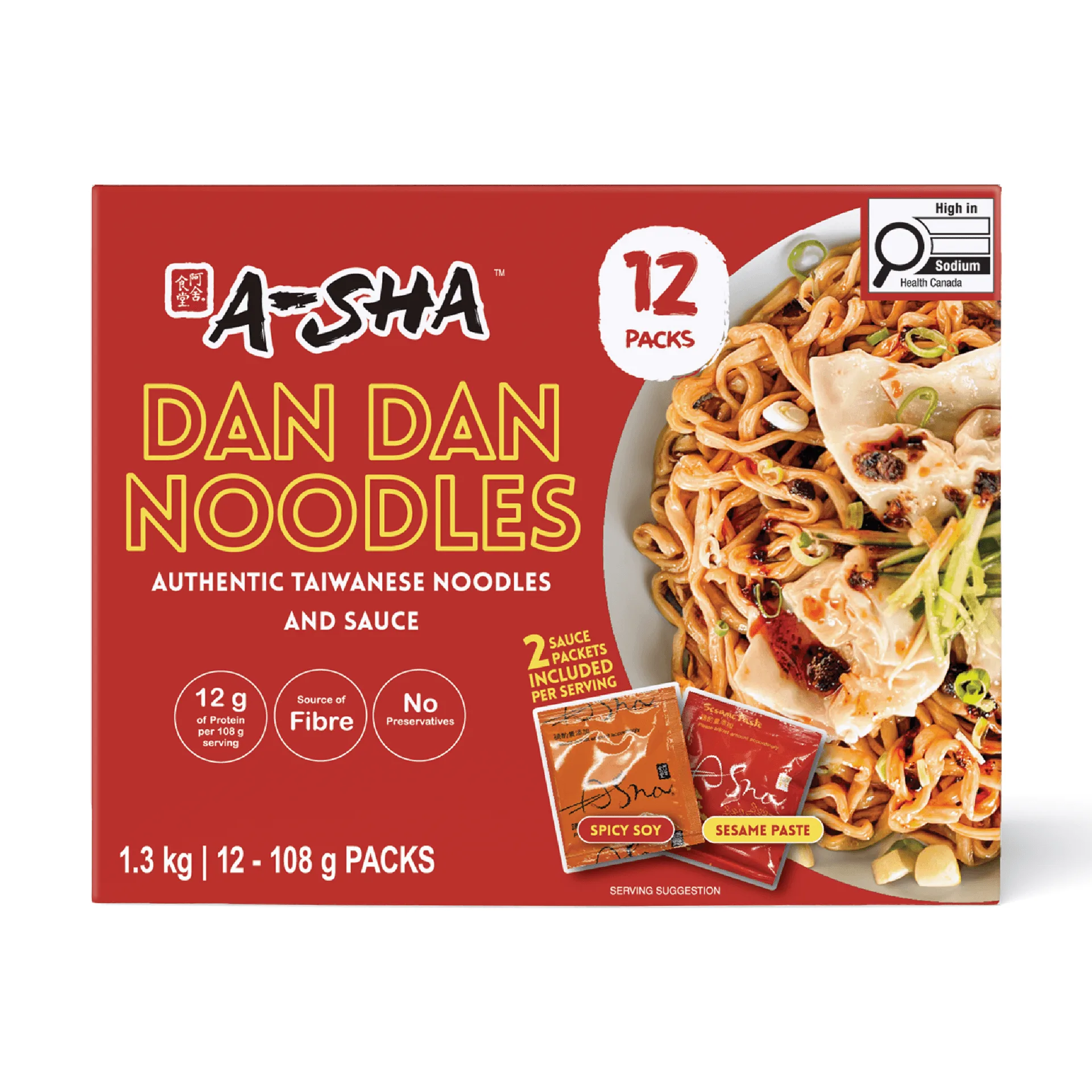
A-Sha Meteor Noodles with Dan Dan Sauce
- Taiwanese dan dan noodles often use a sweeter, peanut-based sauce.
- American versions may add extra heat or use different noodle shapes.
- Instant dan dan noodles have made the dish accessible to home cooks everywhere.
How to Enjoy Authentic Dan Dan Noodles at Home
While nothing beats the experience of eating dan dan noodles from a street stall in Chengdu, you can recreate the magic in your own kitchen. Start with high-quality wheat noodles—look for ones that are springy and slightly thick. Then, build your sauce by combining chili oil, Sichuan peppercorn powder, sesame paste, soy sauce, and a pinch of sugar. Stir-fry minced pork with garlic and ya cai until fragrant, then toss everything together.
For a quick and authentic option, consider trying A-Sha Meteor Noodles with Dan Dan Sauce. These premium instant noodles feature a rich, spicy sauce that captures the essence of the traditional dish. Just boil the noodles, mix in the sauce, and top with scallions and peanuts for a satisfying meal in minutes. It's a perfect way to enjoy the history of dan dan noodles without the hours of preparation.
- Use fresh or high-quality dried wheat noodles for the best texture.
- Toast Sichuan peppercorns and grind them fresh for maximum aroma.
- Garnish with crushed peanuts and chopped scallions for authenticity.
Dan dan noodles have traveled a long way from the bamboo poles of Chengdu to become a beloved global dish. Whether you're a purist or an adventurous eater, there's a version out there for you. Ready to taste history? Explore the A-Sha Meteor Noodles with Dan Dan Sauce and bring the streets of Chengdu to your bowl tonight.