Hair accessories have been part of human culture for thousands of years. From the earliest carved bone combs used by ancient Egyptians to the sleek, minimalist clips that define modern style, these small adornments have always served a dual purpose: they keep hair tidy and express personal identity. Understanding the history of hair accessories reveals not just changing fashions but also shifts in technology, social norms, and even politics.
Today, hair accessories are more diverse and accessible than ever. Brands like Kov Hair offer everything from delicate barrettes to functional headbands, blending timeless craftsmanship with contemporary design. In this article, we'll trace the evolution of hair clips, combs, and headpieces through the ages, highlighting key innovations and trends that have shaped how we style our hair today.
Ancient Origins: The First Hair Combs and Pins
The earliest known hair accessories date back to ancient Mesopotamia and Egypt, around 3000 BCE. Combs carved from wood, bone, and ivory were used not only to detangle hair but also as status symbols. Wealthy Egyptians adorned their combs with gold and precious stones, while simpler versions were used by commoners. Hair pins made from metal or bone helped secure elaborate wigs and updos, which were popular among both men and women in ancient Egypt.
In ancient Greece and Rome, hair accessories took on symbolic meanings. Laurel wreaths and diadems indicated rank or victory, while intricately carved ivory combs were prized possessions. The Romans also invented the first metal hairpins, which allowed for more complex hairstyles. These early innovations laid the groundwork for the hair accessories we use today, proving that the desire to style and secure hair is universal and timeless.
- Ancient Egyptians used combs for both grooming and social status, often decorating them with symbols of protection.
- Roman hairpins were early examples of functional design, allowing for secure updos that lasted all day.
The Middle Ages and Renaissance: Ornamentation and Status
During the Middle Ages, hair accessories became more ornate, especially among European nobility. Women wore jeweled hairnets, silk ribbons, and elaborate metal pins to display wealth. The hennin, a tall conical hat often paired with a veil, required specialized pins and combs to stay in place. Hair was often covered, but the accessories beneath were still carefully chosen.
The Renaissance brought a revival of classical styles, with women wearing their hair loose or in braids adorned with pearls, gemstones, and gold combs. These accessories were not just decorative—they also signaled marital status and social rank. The evolution of hair clips and pins during this period set the stage for the mass-produced accessories of the Industrial Revolution.
- Renaissance women often used pearl-studded hairpins to create intricate braided styles that were both fashionable and functional.
- The invention of the spring-loaded hair clip in the late 19th century revolutionized how people secured their hair.
The 20th Century: From Function to Fashion
The 20th century saw an explosion of hair accessory styles, driven by changing social norms and new manufacturing techniques. In the 1920s, the bob haircut became popular, and women used decorative combs and headbands to hold back shorter hair. The 1950s introduced the modern barrette, a hinged clip that was easier to use than traditional pins. Plastic became a common material, making accessories affordable for everyone.
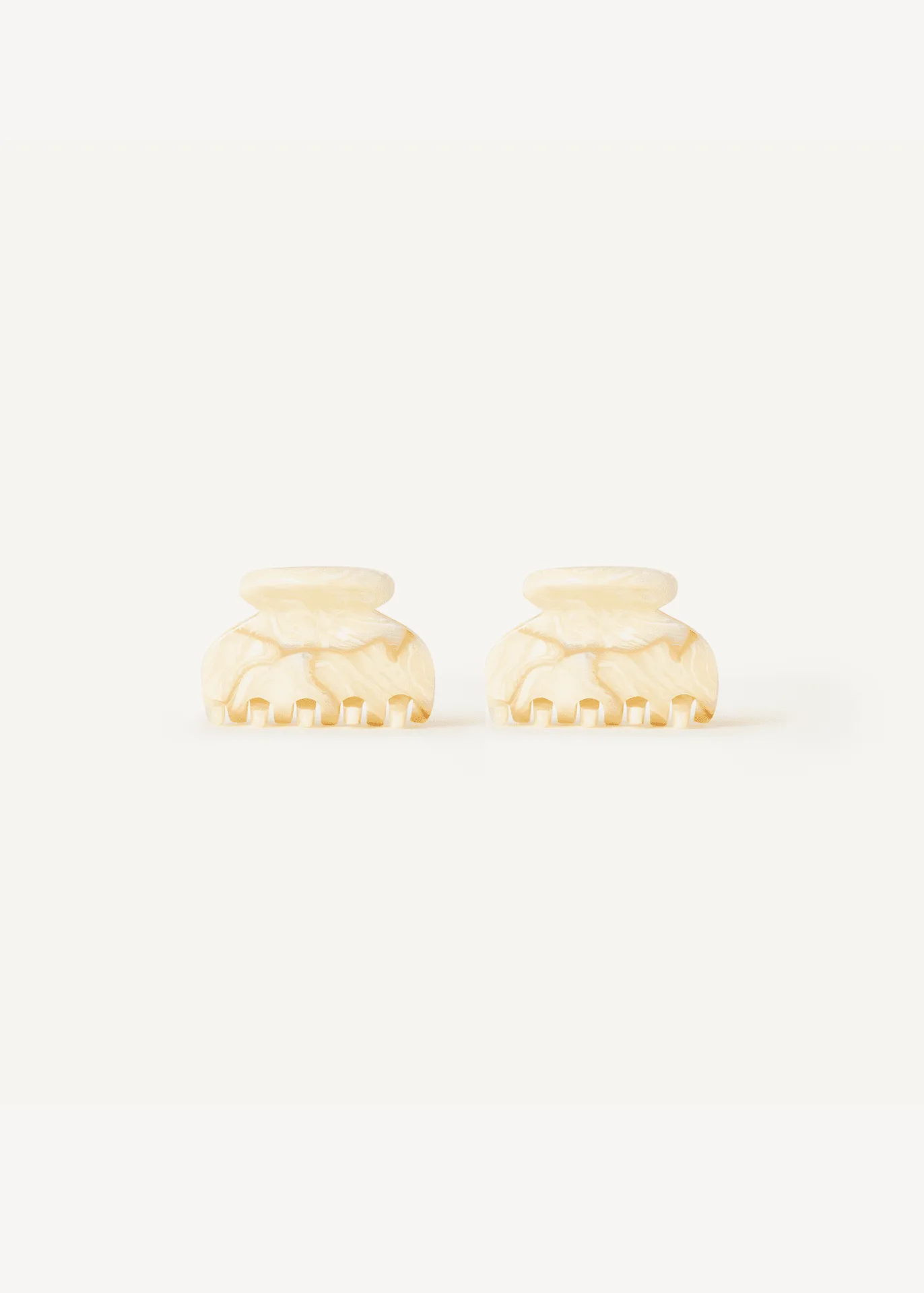
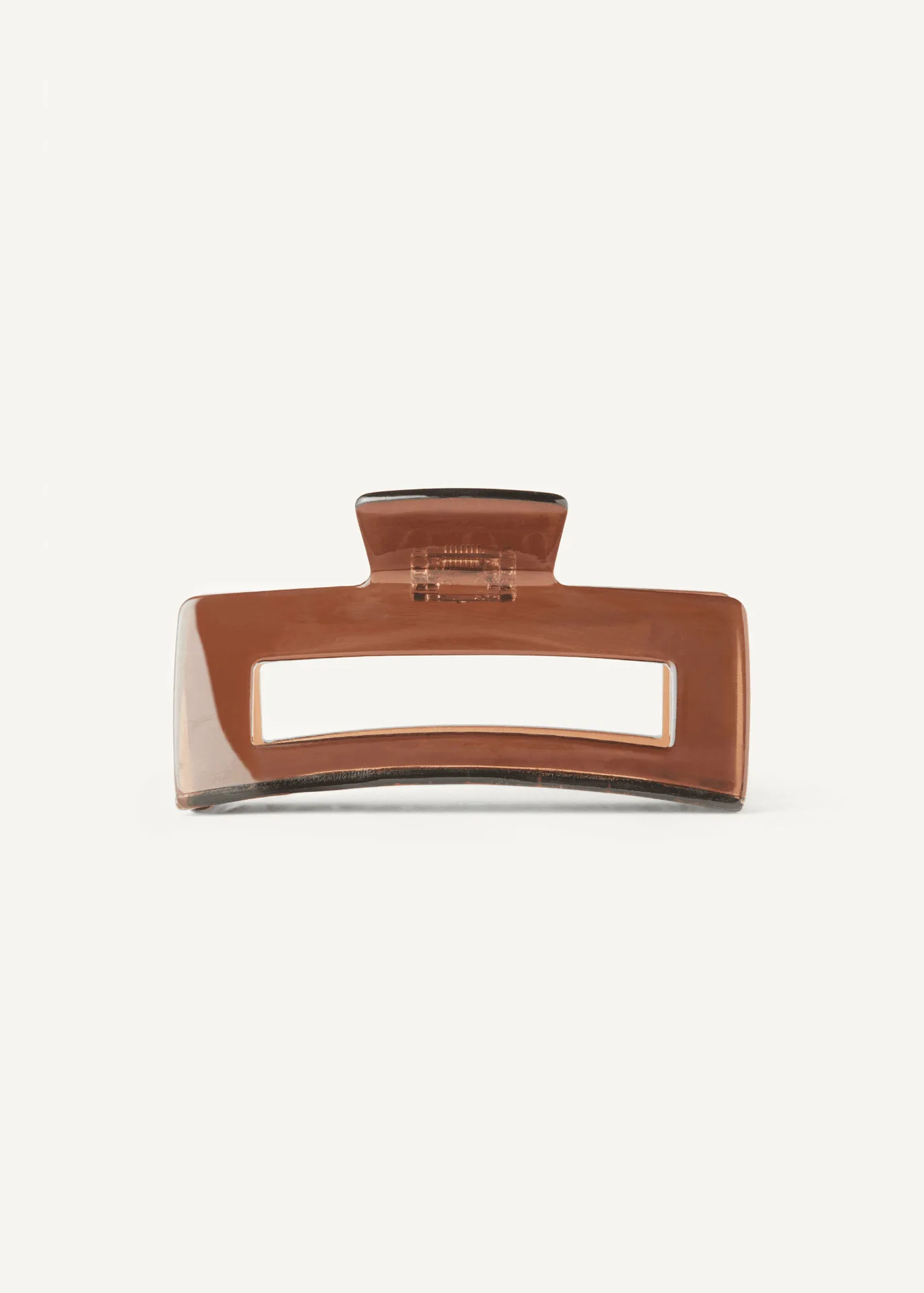
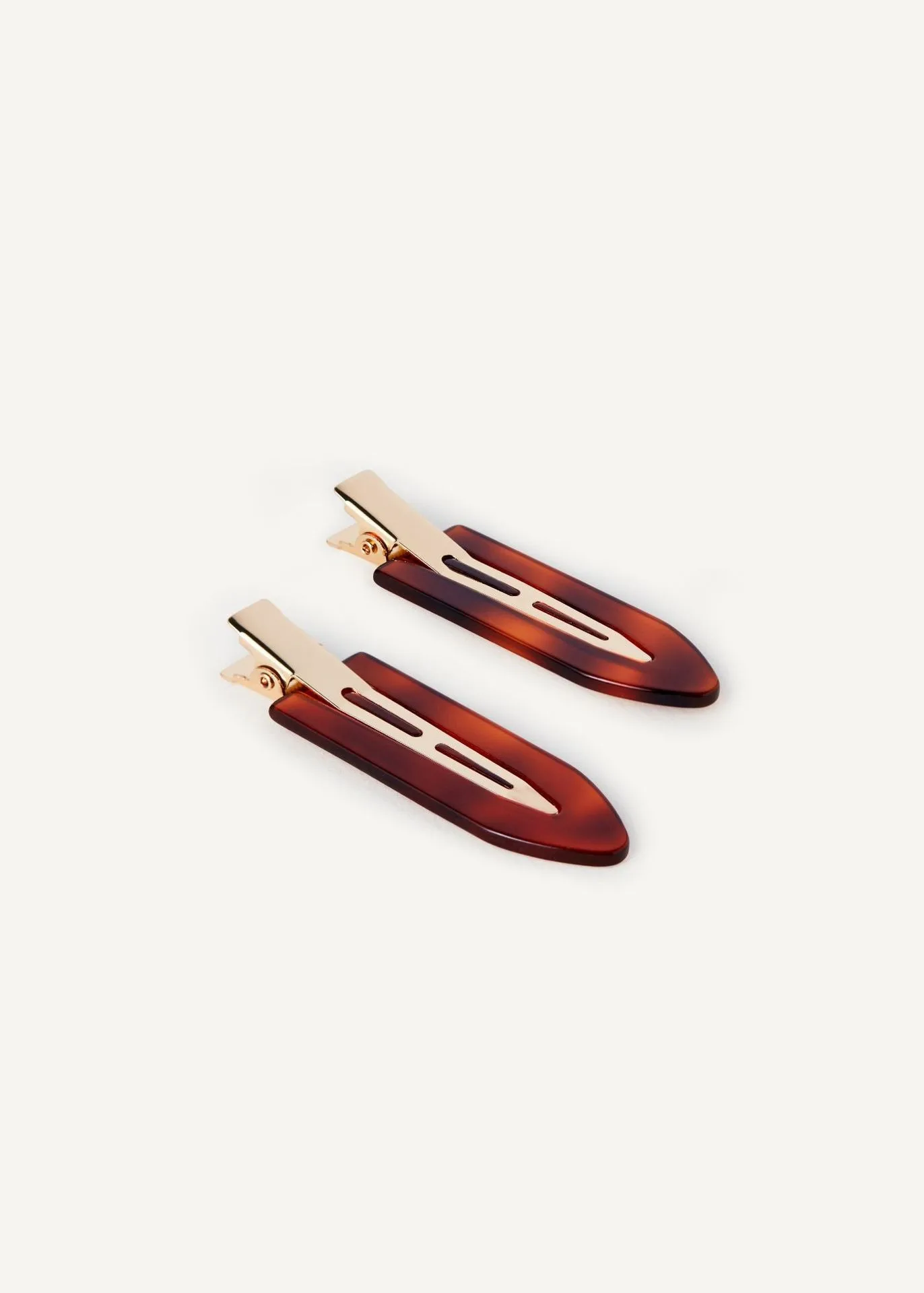
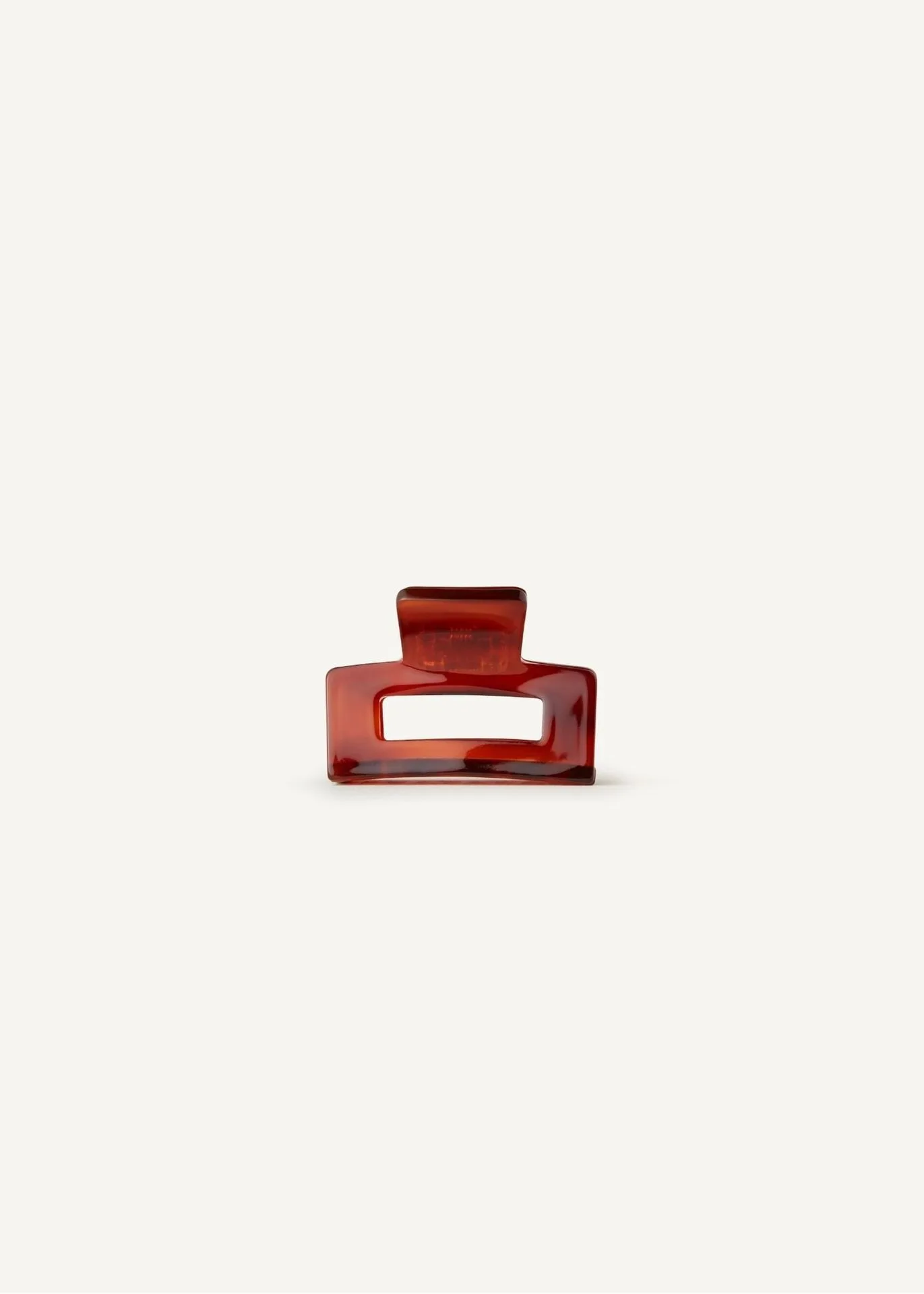
By the 1970s and 1980s, hair accessories were bold and playful—think oversized scrunchies and colorful claw clips. The 1990s brought minimalist metal clips and simple headbands, a trend that continued into the 2000s. Today, the focus is on versatility and hair health. Modern designs like the Creaseless Clips in Pearl are engineered to hold hair without leaving dents, while the Icon Clip in Black offers a sleek, professional look that works for any occasion.
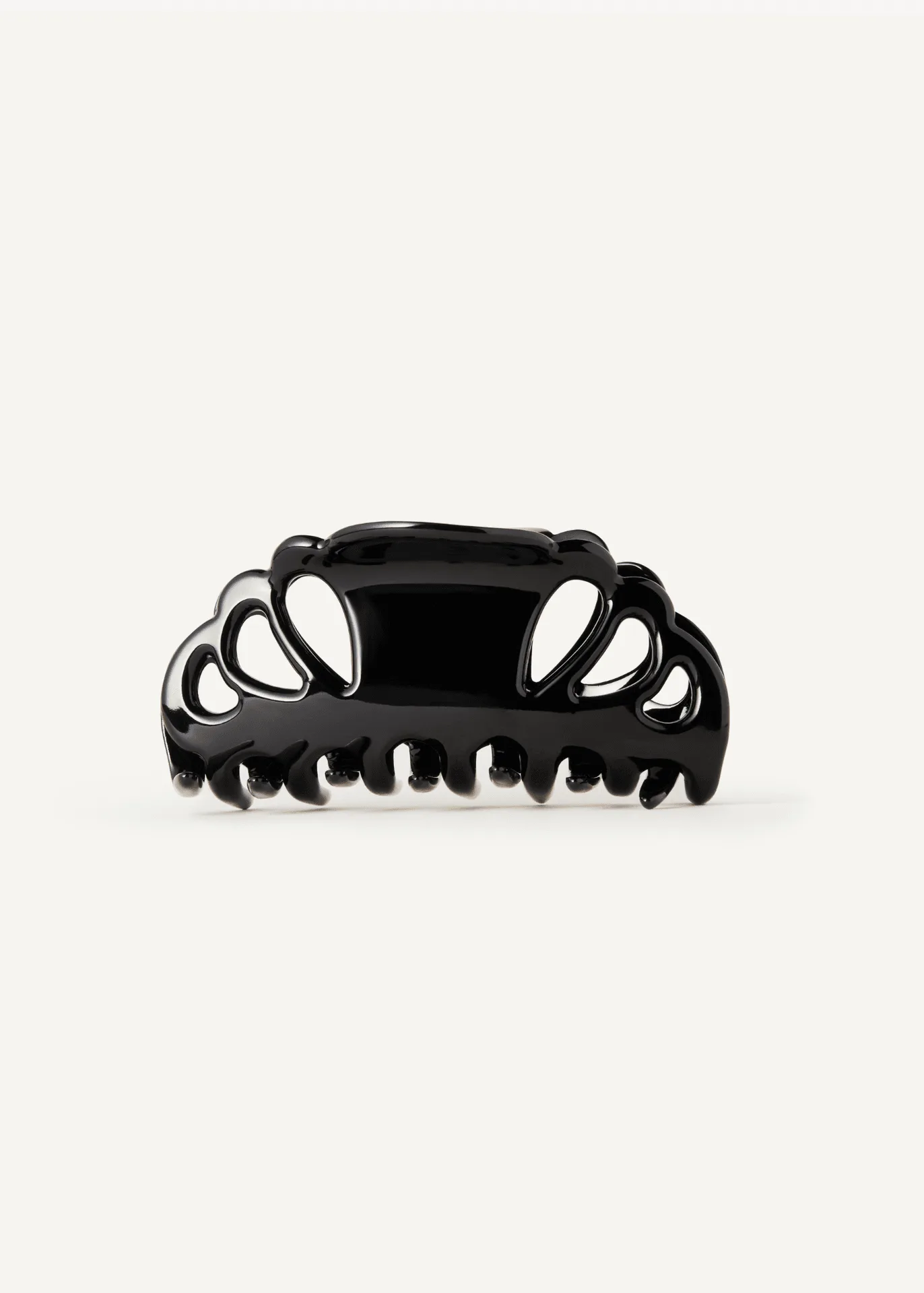
Icon Clip in Black
- The 1920s popularized the use of headbands and decorative combs for shorter hairstyles.
- Modern accessories prioritize hair health, with designs that reduce breakage and creasing.
The Rise of Minimalist Hair Accessories in the 21st Century
In recent years, there has been a clear shift toward minimalist hair accessories. Clean lines, neutral colors, and functional designs dominate the market. This trend reflects a broader cultural move toward simplicity and sustainability. Consumers are choosing fewer, higher-quality pieces that can be worn daily and last for years. Brands like Kov Hair embody this philosophy, offering accessories that are both stylish and gentle on hair.
The popularity of the Easy Headband in Cider and other minimalist pieces shows that modern wearers value comfort and versatility. These accessories are designed to blend seamlessly with any outfit, from casual jeans to office attire. The evolution of hair accessories continues, with new materials like memory wire and silicone offering even more options for secure, damage-free styling.
- Minimalist clips and headbands are often made from high-quality metals and plastics that resist tarnishing and breakage.
- The trend toward sustainability has led to more timeless designs that don't go out of style.
From ancient bone combs to today's sleek clips, hair accessories have always been a reflection of culture, technology, and personal style. Whether you prefer a classic barrette or a modern minimalist clip, the right accessory can elevate your look while keeping your hair healthy. Explore the collection at Kov Hair to find pieces that honor this rich history while fitting your everyday life.