Quick-release lacing systems have become a staple in modern footwear, offering unparalleled convenience and speed. But this innovation didn't start in sneaker culture—it has deep roots in military gear, where efficiency and reliability were matters of life and death. Understanding the history of no-tie laces reveals how necessity drove design, and how those same principles now benefit athletes, busy professionals, and anyone who values a seamless fit.
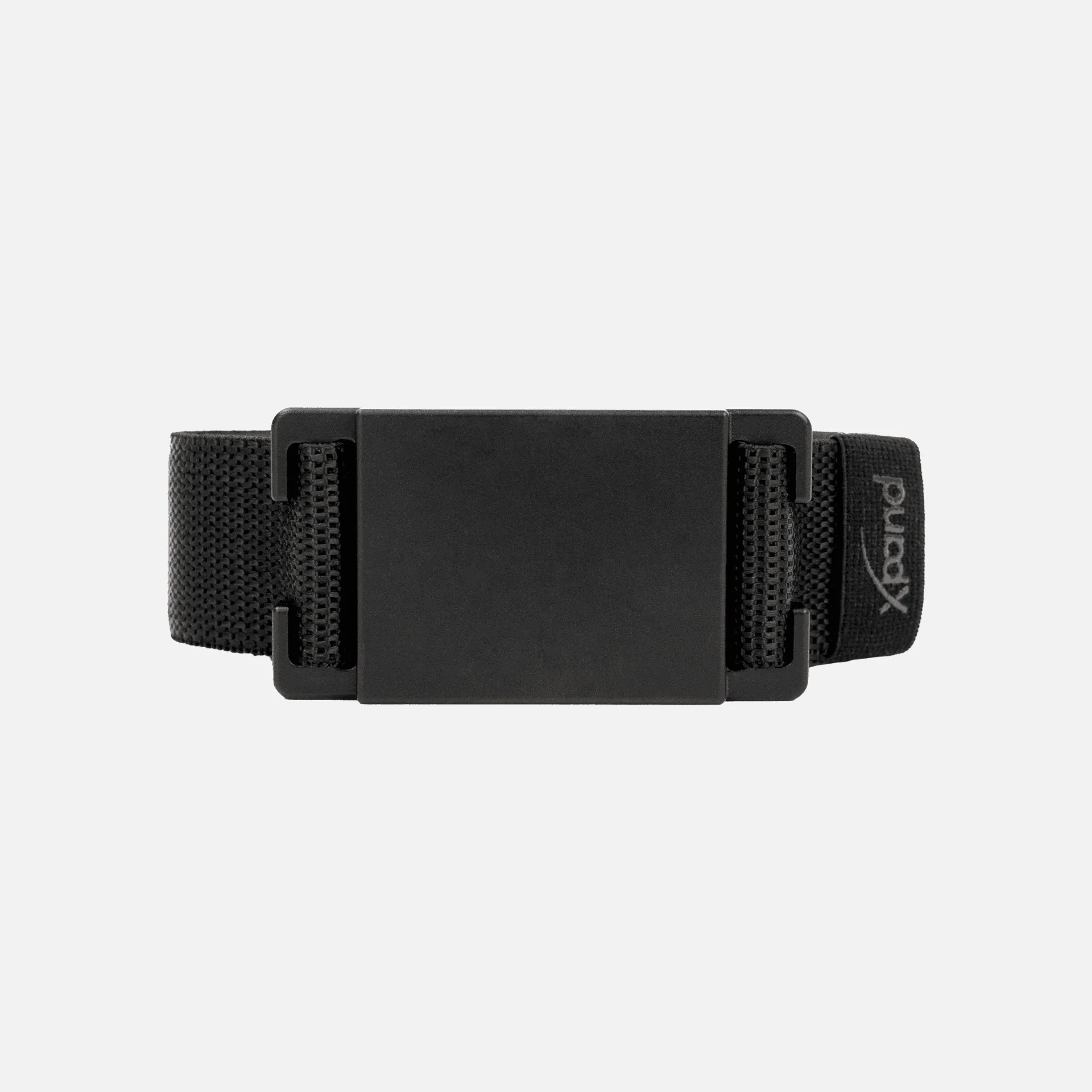
From the battlefields of World War II to the runways of contemporary fashion, the journey of quick-release lacing is a story of adaptation and ingenuity. Today, brands like Xpand Laces continue this legacy by offering products that blend functionality with style. In this article, we'll trace the evolution of quick-release lacing, explore key milestones, and see how modern innovations like the https://stylecraft.store/products/original-no-tie-lacing-system-48948Original No Tie Lacing System have made slipping into shoes as easy as stepping in.
Military Origins: Speed and Security in Combat
The earliest documented quick-release lacing systems were developed for military use during the early 20th century. Soldiers needed footwear that could be put on or removed rapidly in the field, especially during emergencies or when changing into specialized boots. Traditional laces were time-consuming and could become tangled or loose under duress. In response, inventors created mechanisms like the 'speed lace' system, which used a single pull-tab to tighten the entire boot, and a quick-release lever to loosen it instantly.
These systems were initially adopted by paratroopers and special forces units, who required boots that could be secured quickly before a jump and removed just as fast after landing. The durability and reliability of military-grade quick-release laces set the standard for future civilian adaptations. By the 1950s, similar designs began appearing in outdoor gear, such as mountaineering boots and ski boots, where speed and adjustability were equally critical.
- Early quick-release laces used a locking mechanism that could be released with one hand.
- Military versions often featured metal components for extra strength in harsh conditions.
The Rise of No-Tie Laces in Sports and Casual Wear
As athletic footwear boomed in the 1970s and 1980s, the demand for convenient lacing grew. Running shoes and basketball sneakers required a secure fit that could be adjusted on the fly. No-tie laces entered the market as elastic alternatives that eliminated the need for tying altogether. These early elastic laces were simple but effective—they stretched to accommodate foot movement and maintained tension without knots.
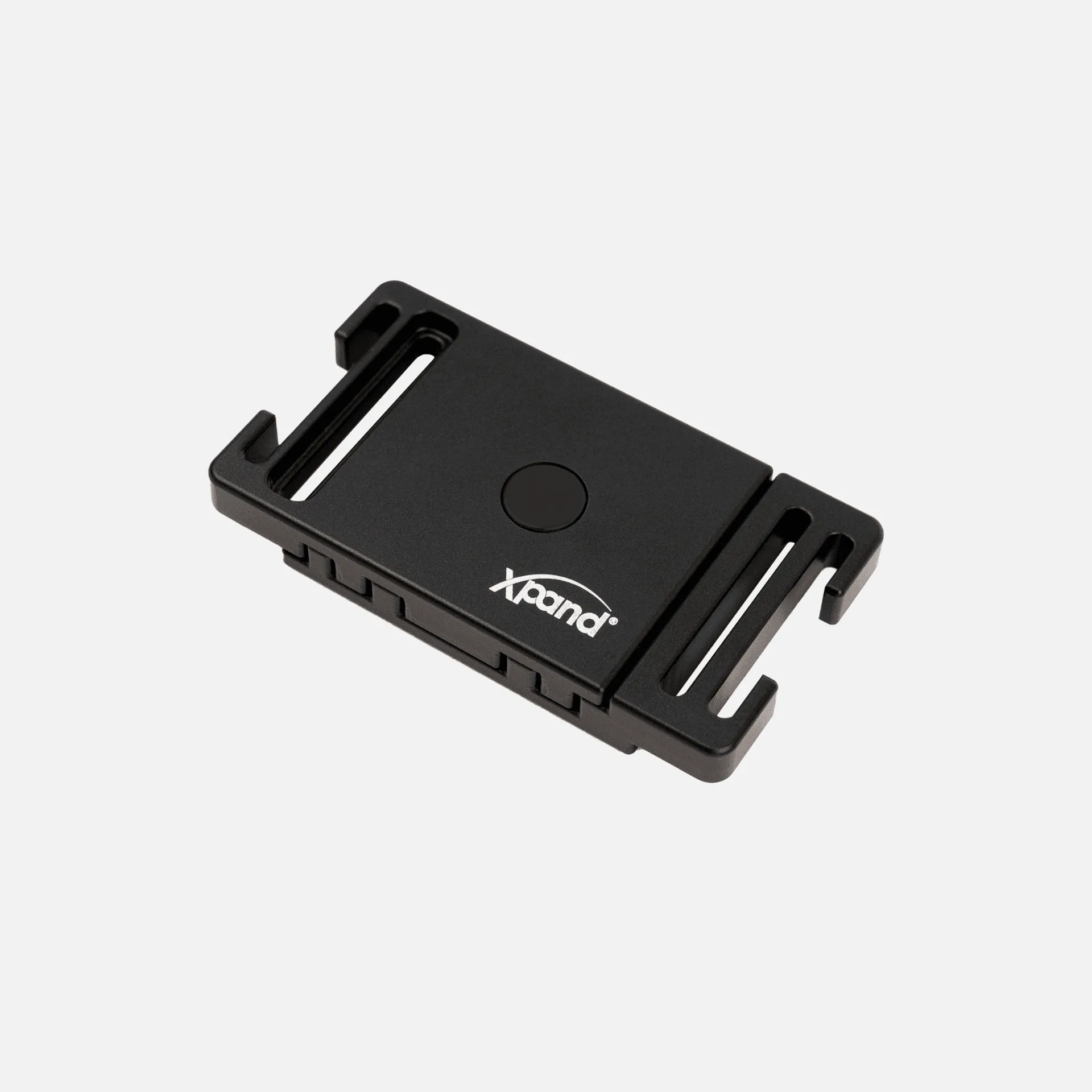
The real breakthrough came with the introduction of locking lace anchors and cord locks. These small plastic or metal devices allowed users to tighten laces to their preferred tension and lock them in place, creating a truly 'set and forget' experience. Companies like Xpand Laces refined this concept with the Original No Tie Lacing System, which combines a durable elastic cord with a reliable locking mechanism. This system became popular among triathletes, who needed to transition quickly between swim, bike, and run disciplines without fumbling with traditional laces.
- Elastic no-tie laces reduce pressure points and improve blood flow during long activities.
- Locking mechanisms prevent laces from coming undone, enhancing safety during sports.
Modern Innovations: From Sneaker Culture to Everyday Convenience
In the 21st century, quick-release lacing has transcended its utilitarian roots to become a fashion statement. Sneakerheads and casual wearers alike appreciate the clean, minimalist look of no-tie laces, which eliminate bulky bows and create a streamlined silhouette. Brands now offer a variety of colors, materials, and lengths to match any shoe style, from high-top sneakers to dress shoes.
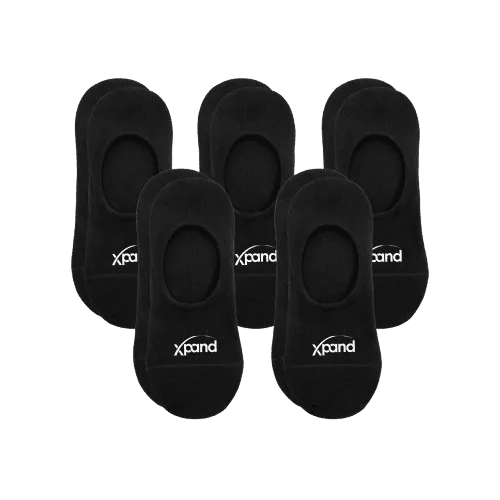
Beyond aesthetics, modern quick-release systems incorporate advanced materials like recycled polyester and silicone coatings for added grip and longevity. The evolution continues with smart lacing concepts—motorized systems that adjust tightness with a button press—but for most users, the simplicity of a manual locking mechanism remains the gold standard. Products like the Lightweight Socks 6-Pack complement the no-tie experience by providing moisture-wicking comfort that pairs perfectly with slip-on footwear.
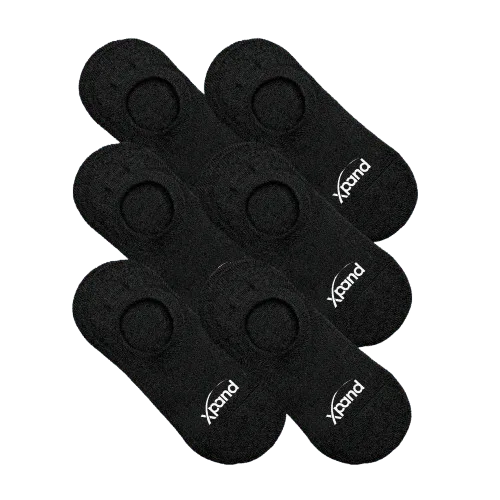
Lightweight Socks 6-Pack
- Quick-release laces are now available in flat and round styles to suit different shoe eyelets.
- Some modern systems include reflective threads for visibility during night runs.
Key Milestones in Quick-Release Lacing History
The timeline below highlights pivotal moments in the development of quick-release lacing, from its military inception to its current status as a mainstream convenience.
- 1910s: First patents for quick-release boot laces filed by military engineers.
- 1940s: Widespread use in paratrooper boots during World War II.
- 1970s: Elastic no-tie laces introduced for running shoes.
- 1990s: Locking cord anchors become popular in outdoor and triathlon gear.
- 2010s: Quick-release laces enter sneaker culture and fashion mainstream.
- 2020s: Sustainable materials and custom-fit options dominate the market.
Why Quick-Release Laces Are Here to Stay
The enduring appeal of quick-release lacing lies in its ability to save time without sacrificing performance. Whether you're a parent helping a child get ready for school, an athlete preparing for a race, or a professional who values efficiency, no-tie laces offer a simple solution. They also reduce wear and tear on shoe eyelets and laces themselves, extending the life of your footwear.
As technology advances, we can expect even more integration with wearable devices and personalized fit algorithms. However, the core principle remains the same: a secure, adjustable closure that can be operated in seconds. For those looking to upgrade their everyday shoes, the Original No Tie Lacing System provides a reliable entry point into this hassle-free world.
- No-tie laces are ideal for people with limited hand dexterity or arthritis.
- They eliminate the risk of tripping over untied laces during physical activity.
The history of quick-release lacing is a testament to how a simple idea—making footwear faster and more secure—can evolve across decades and industries. From military boots to modern sneakers, this innovation has improved comfort, safety, and convenience for millions. If you're ready to experience the ease of no-tie laces for yourself, explore the Original No Tie Lacing System and step into a world where your shoes stay snug without the fuss.