There's nothing quite like the thrill of cracking a case in an immersive mystery game. Whether you're hunting for clues in a haunted mansion or piecing together a seaside murder, the right tools can make you feel like a real detective. A DIY detective kit not only boosts your engagement but also transforms a casual game night into a fully immersive experience. By assembling your own kit, you can tailor it to any mystery theme and keep the excitement alive for every session.
Building a DIY detective kit is easier than you think. With a few simple items from around the house and some creative touches, you can create a personalized set of mystery game accessories that enhances every clue, suspect interview, and deduction. In this guide, we'll walk you through the essential components, from note-taking tools to forensic props, and show you how to use them with popular games like Dead Below Deck and Blood & Ink.
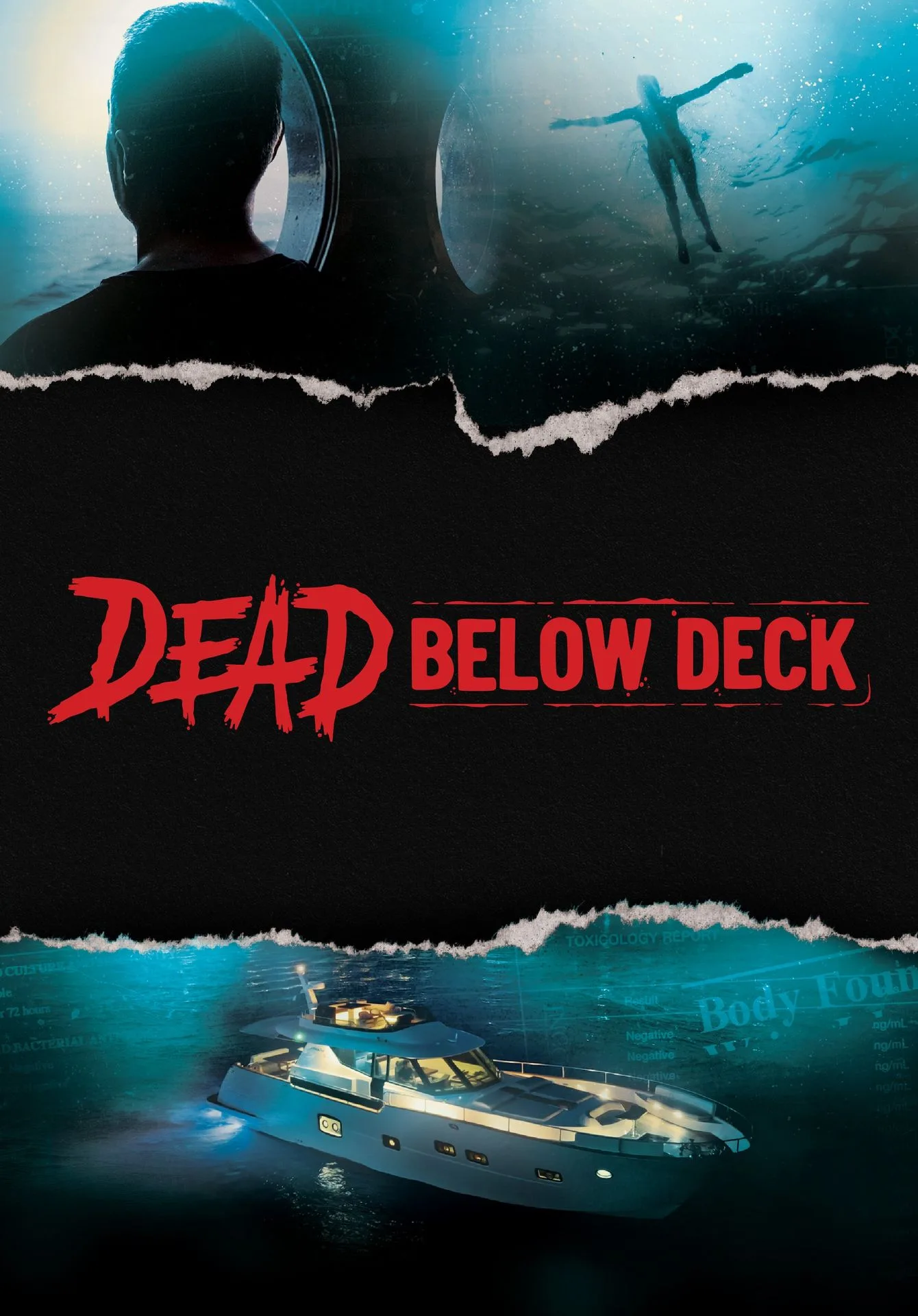
Dead Below Deck
Essential Note-Taking Tools for Clue Tracking
Every great detective needs a reliable way to record observations. Start with a dedicated notebook or case file folder. Use it to jot down witness statements, sketch crime scenes, and log evidence. A set of colored pens or highlighters helps you categorize clues—red for suspects, blue for physical evidence, green for timeline events. Sticky notes are perfect for creating a visual suspect board on a wall or tabletop.
For digital-minded sleuths, a tablet or smartphone with a note-taking app can work, but analog tools often feel more authentic. Consider adding a magnifying glass to your kit—not just for the aesthetic, but to examine fine print on documents or hidden messages. These simple additions can dramatically enhance mystery game sessions, making you feel like a true investigator.
- Include a small ruler for measuring distances on maps or diagrams.
Forensic Props That Add Realism
To truly enhance your mystery game, incorporate basic forensic props. A UV light (or blacklight) can reveal invisible ink messages hidden in game materials. Latex gloves add a layer of role-playing authenticity and keep fingerprints off evidence. A small evidence bag set—available at craft stores—lets you collect and label physical clues like hair samples or fabric swatches.
You can also create your own fingerprint powder using cornstarch and cocoa powder. Dust it on glasses or tables to lift prints (use clear tape to preserve them). These hands-on elements make games like Dead Below Deck feel more visceral, as you sift through nautical clues and suspect motives. The tactile experience deepens your connection to the story.
- Store props in a small tackle box or tool organizer for easy transport.
Customizing Your Kit for Specific Games
Different mystery games call for different tools. For a maritime-themed case like Dead Below Deck, include a small compass, a rope sample, and a waterproof pouch for documents. For a gritty true-crime story like Blood & Ink, add a fake newspaper clipping, a vintage fountain pen, and a red string for connecting suspects on a corkboard. Tailoring your kit to the game's setting amplifies immersion.
You can also print out additional case file inserts—like witness photos or floor plans—from online resources. Some games include digital extras; laminate them for durability. By adapting your DIY detective kit to each new mystery, you ensure every game night feels fresh and engaging. Plus, it's a fun way to involve friends in the preparation.
- Keep a small flashlight handy for dimly lit scenes or hidden compartments.
The Role of Props in Group Dynamics
Mystery games are often social experiences, and props can help manage group collaboration. Use a talking stick or a badge to designate the lead detective each round. A timer adds urgency to clue analysis. Name tags for suspects (with photos) keep everyone oriented. These tools prevent chaos and ensure every player contributes.
For larger groups, consider a shared evidence board with pushpins and string. This visual aid helps everyone see connections. Games like Blood & Ink, which involve layered narratives and multiple suspects, benefit greatly from such collaborative tools. Your DIY detective kit becomes a bridge between the game's story and your team's deductive process.
- Assign roles (forensic expert, interrogator, archivist) to distribute the kit's tools.
Building a DIY detective kit is a simple yet powerful way to enhance your mystery game experience. Whether you're diving into Dead Below Deck or unraveling Blood & Ink, these props and tools transform a game into a memorable event. Start assembling your kit today and discover how much deeper the mystery becomes when you're fully equipped.