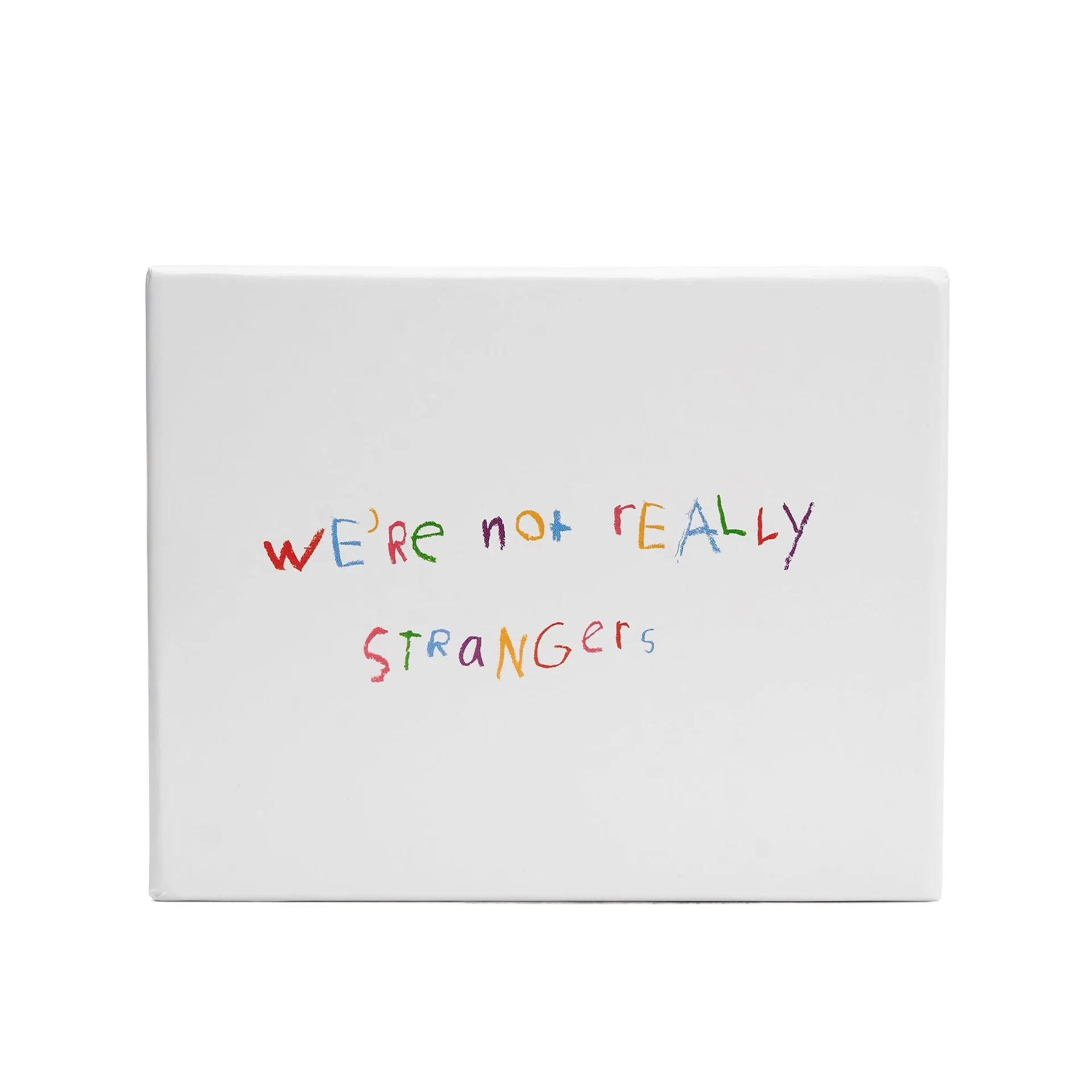
Parenting in the modern world comes with endless distractions—screens, schedules, and stress often crowd out the quiet moments that truly matter. Yet the most powerful gift you can give your child is your undivided attention and a safe space to share their inner world. Conversation cards offer a simple, screen-free way to invite deeper dialogue and strengthen the parent-child bond.
At We're Not Really Strangers, we believe that connection starts with one honest question. Our card games are designed to spark conversations that go beyond 'How was school?' and help you truly understand your child's thoughts, feelings, and dreams. Whether you're looking for family bonding activities or parenting tips to nurture emotional intelligence, these tools can transform your everyday interactions.
Why Conversation Cards Work for Kids and Families
Children often struggle to articulate their emotions or share what's on their mind, especially when asked a direct question. Conversation cards bypass that awkwardness by offering a structured, playful prompt that feels like a game rather than an interrogation. This low-pressure format invites kids to open up naturally, building trust and emotional vocabulary over time.
Research shows that regular family conversations improve children's social skills, self-esteem, and academic performance. By using prompts that explore feelings, gratitude, and imagination, parents can create a routine of meaningful check-ins that strengthen the entire family unit. The beauty of these cards is their versatility—they work at the dinner table, during car rides, or as a wind-down activity before bed.
- Prompts encourage curiosity and empathy, helping kids see situations from different perspectives.
- Cards can be used one-on-one or with siblings, making them perfect for family game nights.
- Revisiting the same cards over time shows how your child's thoughts and feelings evolve.
Getting Started: Choosing the Right Cards for Your Family
When selecting conversation cards for kids, look for decks that balance fun with depth. The Family Edition is specifically designed for parents and children, with questions that range from lighthearted to thought-provoking. It's an excellent starting point for families new to this practice, as the prompts are age-appropriate and encourage sharing without pressure.

Family Edition
For families with older children or teens, the We're Not Really Strangers Guided Journal offers a private space for deeper reflection. Pairing the journal with card prompts creates a powerful combination: kids can write their answers first, then share verbally when they feel ready. This method respects their need for privacy while still inviting connection.
- Start with open-ended questions like 'What made you smile today?' to build comfort.
- Let your child pick a card randomly—it gives them a sense of control and excitement.
- Use the cards as a conversation starter during meals or while doing a quiet activity together.
Creative Ways to Integrate Conversation Cards into Daily Life
Consistency is key to building a deeper connection, but it doesn't have to feel like a chore. Try setting aside five minutes each evening for a 'card of the day' ritual. You can draw a card from the deck and take turns answering, or let each family member choose their own prompt. This small habit can become a cherished tradition that your kids look forward to.
Another idea is to use conversation cards during family outings or road trips. Instead of handing over a tablet, pull out a deck of cards and let the questions spark laughter, storytelling, and shared memories. The Unhinged Bundle includes expansion packs that add variety and keep the experience fresh, even after months of use.

The Unhinged Bundle
- Create a 'connection jar' where kids can drop in cards they want to discuss later.
- Pair card time with a cozy activity like coloring or building with blocks to reduce pressure.
- Celebrate brave answers with high-fives or stickers—positive reinforcement encourages openness.
Tips for Parents: How to Listen and Respond with Intention
The most important part of using conversation cards is how you listen. When your child shares something vulnerable, resist the urge to fix, judge, or lecture. Instead, reflect back what you heard: 'It sounds like you felt really proud when you finished that puzzle.' This validation builds trust and shows that you value their perspective.
Model vulnerability by answering the questions honestly yourself. Share a time you felt nervous or made a mistake—this teaches your child that emotions are normal and that it's safe to be imperfect. Over time, these exchanges create a family culture where everyone feels seen, heard, and loved.
- Ask follow-up questions like 'Tell me more about that' to deepen the conversation.
- Avoid interrupting or finishing your child's sentences—give them space to find their words.
- End each session with a hug or a simple 'Thank you for sharing that with me.'
Building a deeper connection with your kids doesn't require grand gestures—it starts with one intentional question. Whether you're a seasoned parent or just beginning your journey, the Family Edition is a wonderful tool to bring more meaningful conversations into your home. Explore the deck today and discover how a few simple prompts can transform your family's bond.