A cutting board is one of the most essential tools in any kitchen, yet it’s often overlooked. The material you choose directly affects the longevity of your knives, the safety of your food, and even the aesthetics of your countertop. With so many options—wood, plastic, bamboo, and more—it can be confusing to know which one is right for you.
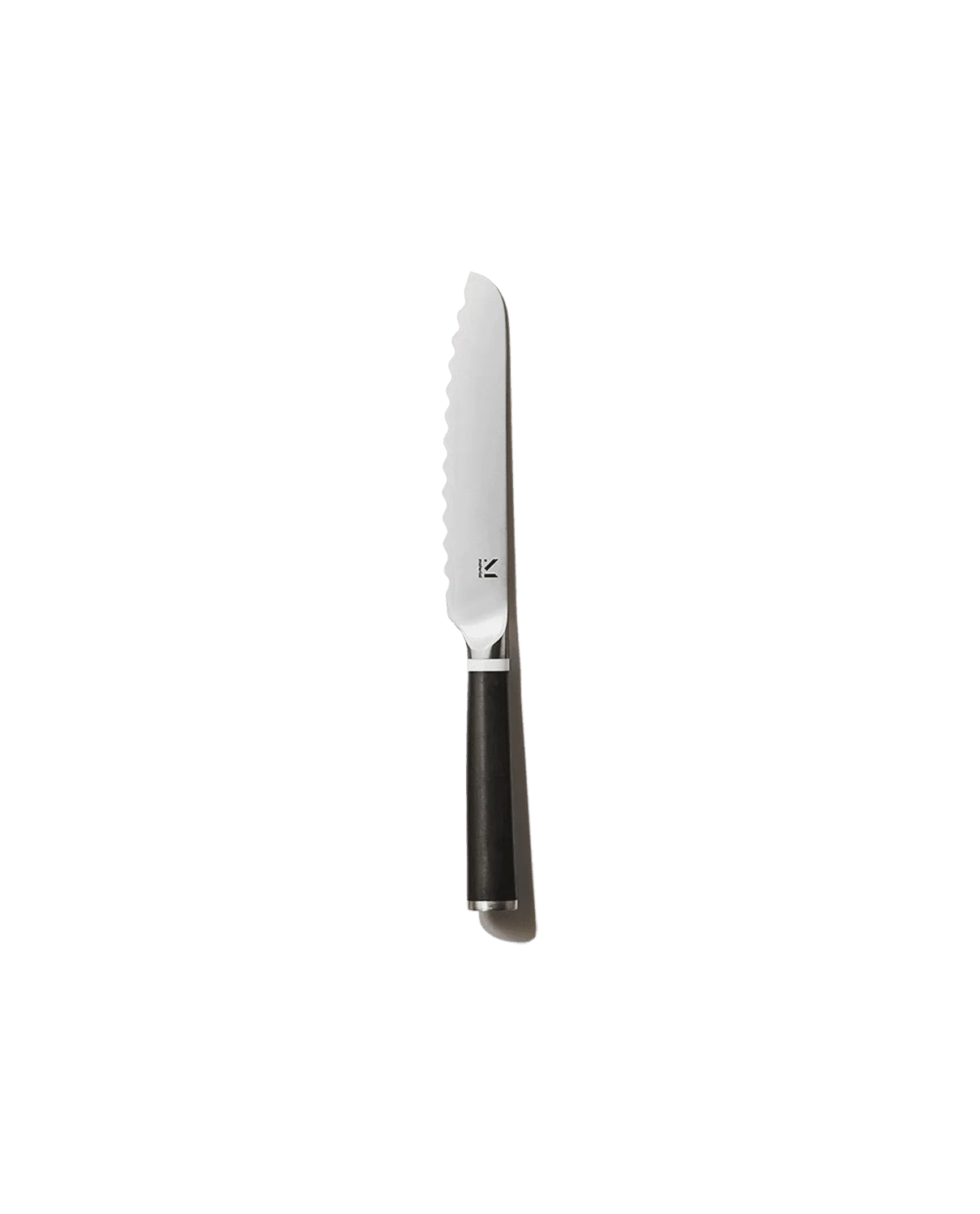
In this guide, we’ll break down the key differences between the most popular cutting board materials. We’ll also share tips on maintenance and how to pair your board with high-quality knives like The Almost 4" Knife or The 8" Knife for optimal performance. By the end, you’ll be ready to make an informed choice that keeps both your blades and your meals in top shape.
Why Cutting Board Material Matters for Knife Care
Your cutting board is the surface your knife meets hundreds of times during meal prep. A hard, unforgiving material can dull the blade’s edge quickly, while a softer, more forgiving surface preserves sharpness. Knife blades are made of high-carbon steel or stainless steel, and each strike against a board causes micro-wear. Over time, the wrong board can reduce the lifespan of your knives, requiring more frequent sharpening.
Beyond knife care, the board material also affects hygiene, ease of cleaning, and sustainability. Some materials absorb bacteria more readily, while others can be sanitized in a dishwasher. Understanding these trade-offs will help you choose a board that fits your cooking habits and maintenance preferences.
- Hard surfaces like glass or stone cause rapid dulling—avoid them entirely.
- Softer woods like maple or walnut are gentle on edges and self-healing.
- Plastic boards are non-porous but can develop deep grooves over time.
Wood Cutting Boards: The Classic Choice for Knife Longevity
Wood cutting boards have been used for centuries and remain a favorite among chefs and home cooks alike. Hardwoods like maple, walnut, and teak are dense yet slightly forgiving, which means they absorb the impact of your knife without dulling the edge. Wood also has natural antimicrobial properties—studies show that bacteria on wooden boards die off faster than on plastic surfaces.
One of the biggest advantages of wood is its ability to "self-heal." Minor knife cuts close up over time, preventing deep grooves where bacteria can hide. To maintain a wood board, you should oil it regularly with food-grade mineral oil to prevent cracking and warping. Avoid soaking it in water or putting it in the dishwasher, as moisture can cause it to split.
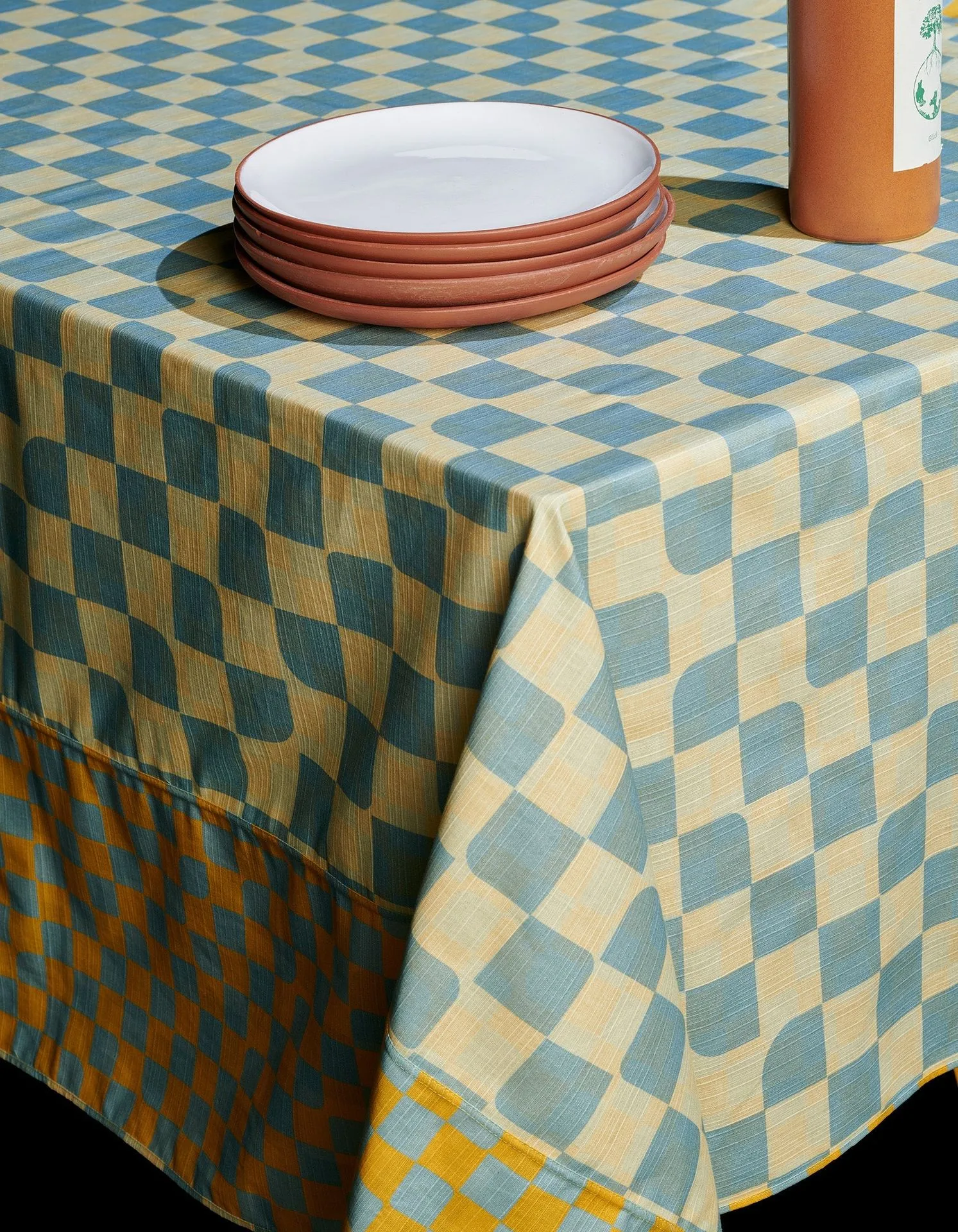
For those who value both function and beauty, a well-crafted wood board can double as a serving platter for cheeses or bread. Pair it with elegant tableware like the Bread Plate Set of 4 for a cohesive tablescape when entertaining.
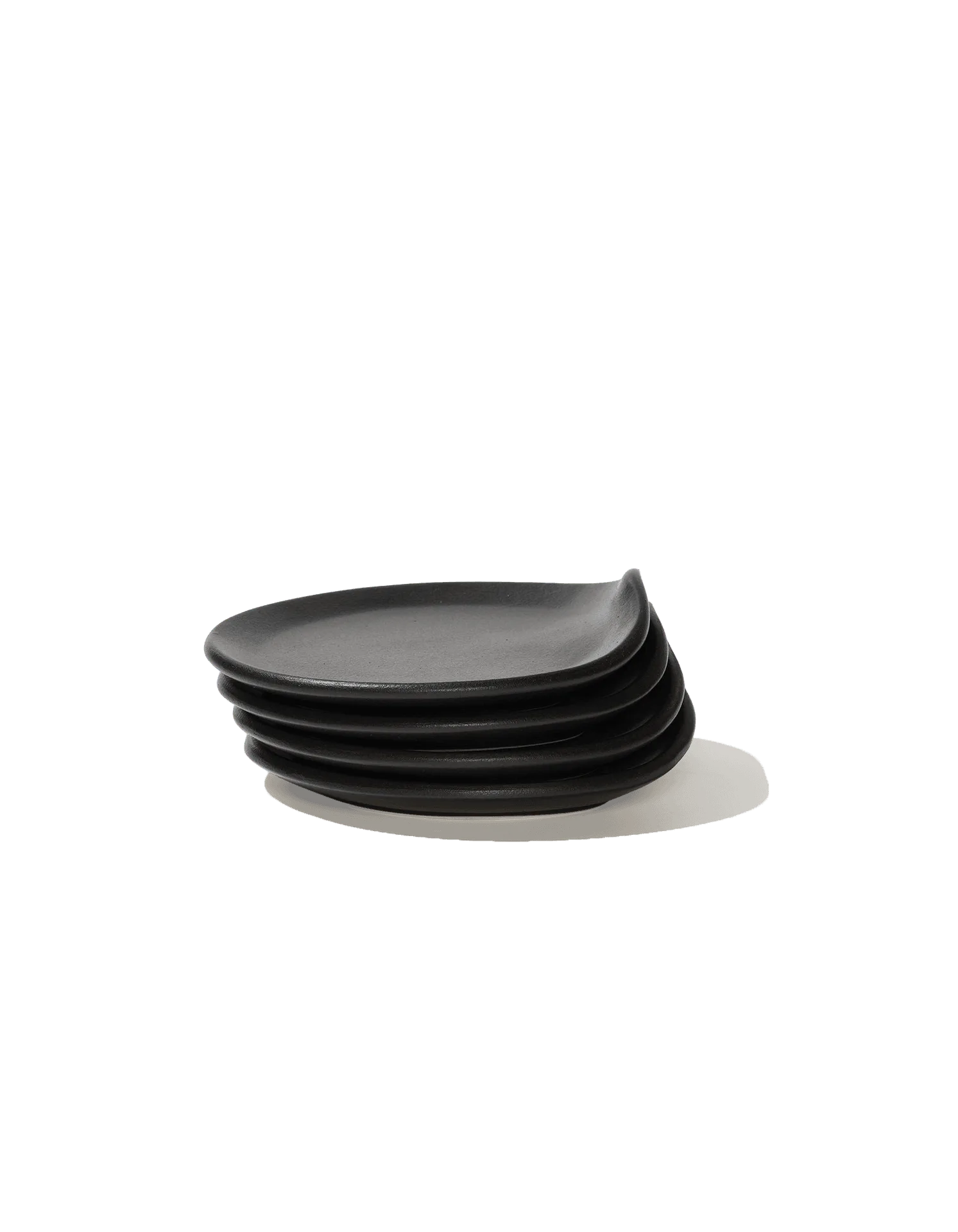
Bread Plate Set of 4
- Best for: knife care, durability, and aesthetic appeal.
- Maintenance: hand wash, dry immediately, oil monthly.
- Avoid: bamboo boards labeled as "wood"—they are actually grass and harder on blades.
Plastic Cutting Boards: Lightweight and Dishwasher-Safe
Plastic cutting boards are popular in both home and commercial kitchens because they are lightweight, inexpensive, and can be cleaned in the dishwasher. High-density polyethylene (HDPE) is the most common material, offering a non-porous surface that resists staining and odors. They come in various colors, which can help prevent cross-contamination—use one color for raw meat and another for vegetables.
The downside of plastic is that it is harder on knife edges than wood. Over time, plastic boards develop deep cut marks that can harbor bacteria, even after washing. Some studies suggest that the grooves in worn plastic boards are more difficult to sanitize than the natural fibers of wood. For this reason, plastic boards should be replaced every one to two years, or sooner if they become heavily scored.
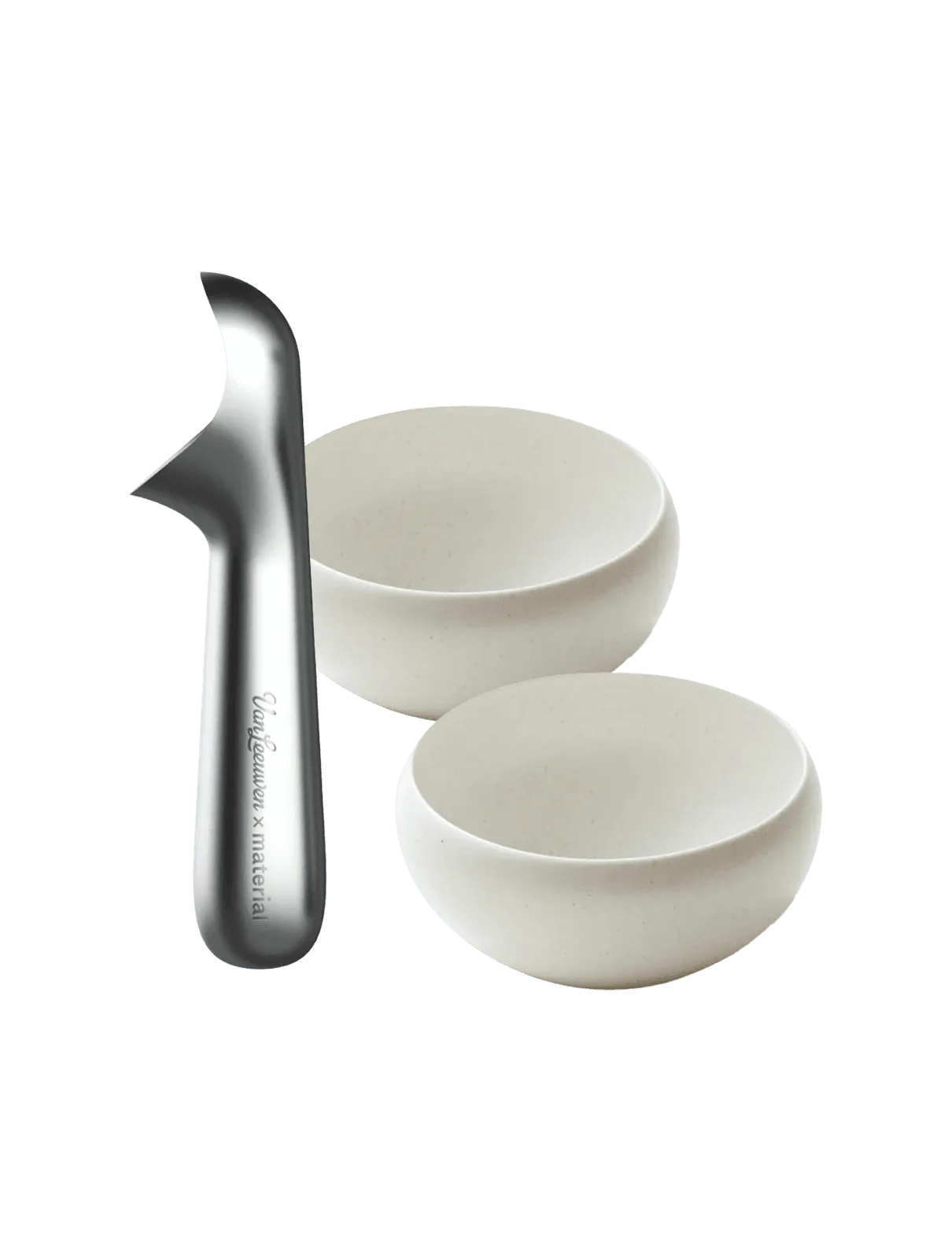
If you choose plastic, look for a board with a non-slip edge or rubber feet to keep it stable during use. For a complete prep setup, consider complementing your board with tools like The Good Prep Set, which includes essential prep tools for efficient cooking.
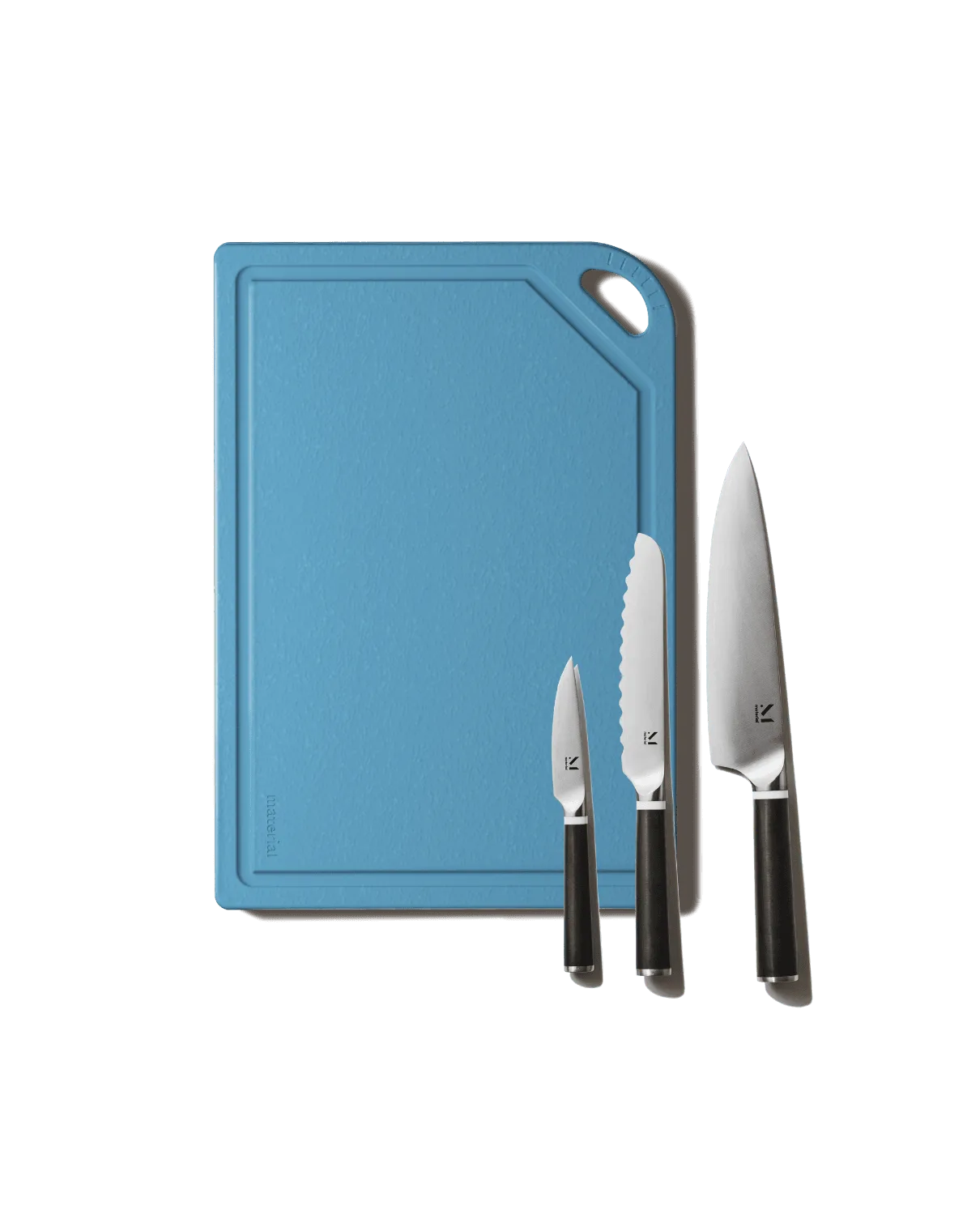
The Good Prep Set
- Best for: easy cleaning, color-coding, and budget-friendly options.
- Maintenance: dishwasher safe, but replace when deeply scored.
- Tip: Use separate boards for raw meat and produce to avoid cross-contamination.
Bamboo Cutting Boards: Eco-Friendly but Hard on Knives
Bamboo cutting boards have gained popularity as a sustainable alternative to wood. Bamboo grows quickly and is renewable, making it an eco-conscious choice. However, bamboo is actually a grass, not a wood, and it is significantly harder than most hardwoods. This hardness means bamboo boards can dull knives faster than maple or walnut.
Bamboo boards are also more prone to cracking in dry environments and may contain adhesives in laminated boards that can be harsh on blades. On the plus side, they are naturally antimicrobial and resist moisture better than wood. They are also lightweight and often more affordable than premium wood boards.
If you prefer an eco-friendly option but want to protect your knives, look for end-grain bamboo boards, which are slightly softer than edge-grain varieties. For those who already own high-quality knives like The Almost 4" Knife, a bamboo board may still be acceptable if you sharpen regularly, but a wood board is gentler overall.
- Best for: sustainability, affordability, and moisture resistance.
- Maintenance: hand wash, oil occasionally to prevent cracking.
- Note: Not recommended for premium knives due to hardness.
How to Choose the Right Cutting Board for Your Kitchen
When selecting a cutting board, consider your primary use. If you do a lot of knife work and want to preserve your blade’s edge, a hardwood board is the best investment. For quick, everyday tasks and easy cleanup, plastic is practical. If sustainability is your top priority, bamboo is a decent middle ground, but be prepared to sharpen your knives more often.
Size matters too—a large board (at least 18×24 inches) gives you ample space for chopping and prevents ingredients from falling off. Thickness affects stability; a 1.5-inch thick board is less likely to warp than a thin one. Also, look for boards with juice grooves for carving meats or a built-in handle for easy storage.
No matter which material you choose, always pair it with proper knife care. Using a sharp knife on a suitable board reduces effort and improves safety. For example, a precision tool like The 8" Knife performs best when used on a surface that doesn’t fight the blade.
- Hardwood (maple/walnut): best for knife longevity and aesthetics.
- Plastic (HDPE): best for hygiene and dishwasher convenience.
- Bamboo: best for eco-friendliness, but harder on edges.
Caring for Your Cutting Board to Extend Its Life
Proper maintenance will keep your cutting board functional and hygienic for years. For wood and bamboo boards, wash them by hand with hot, soapy water after each use, then dry immediately with a towel. Never submerge them in water or put them in the dishwasher, as the heat and moisture can cause warping or splitting.
To disinfect a wood board, use a solution of one part vinegar to four parts water, or apply a food-grade mineral oil once a month to keep the wood hydrated. For plastic boards, you can run them through the dishwasher on a high-temperature cycle, but replace them once they become deeply grooved.
Storing your board properly also matters. Keep it in a dry, ventilated area—avoid stacking heavy items on top that could cause bending. If you have multiple boards, consider using a board separator or storing them vertically. A well-cared-for board will serve you faithfully and protect your knives for many meals to come.
- Wood/bamboo: hand wash, oil monthly, never dishwasher.
- Plastic: dishwasher safe, replace when scored.
- Storage: keep dry and flat to prevent warping.
Choosing the right cutting board is a small decision that makes a big difference in your kitchen. Whether you opt for the classic warmth of wood, the convenience of plastic, or the eco-friendly appeal of bamboo, your knives will thank you. To complement your new board, explore our selection of premium knives like The Almost 4" Knife, designed for precision and durability. Invest in the right tools, and every meal prep becomes a joy.