Choosing the right dog food is one of the most important decisions you'll make for your furry friend. With countless brands, formulas, and marketing claims, it's easy to feel overwhelmed. Yet the best dog food for your pet isn't just about price or popularity—it should match their unique age, breed size, and health needs. Whether you're raising a bouncy puppy, managing an active adult, or caring for a gentle senior, the right nutrition can boost energy, support joints, and even extend their lifespan.
In this dog food guide, we'll break down what to look for at each life stage and how breed-specific factors influence dietary requirements. We'll also highlight practical tools like the maxbone Food Scoop & Bag Clip to make feeding easier and more precise. By the end, you'll have a clear roadmap to confidently choose a diet that keeps your dog thriving for years to come.
Understanding Life Stage Nutrition: Puppy, Adult, and Senior
Just like humans, dogs have changing nutritional needs as they age. Puppy food is specially formulated to support rapid growth, with higher levels of protein, fat, calcium, and phosphorus for developing bones and muscles. Feeding an adult maintenance diet to a growing puppy can lead to developmental issues, especially in large breeds. Look for formulas labeled 'complete and balanced for growth' from reputable organizations like AAFCO.
Adult dogs require a balanced diet that maintains lean body mass and energy without excess calories. Senior dog food, on the other hand, often includes reduced fat and calories, plus added glucosamine and chondroitin for joint health. Many senior formulas also feature easily digestible proteins and fiber to support aging digestive systems. Always transition gradually between life stages over 7–10 days to avoid stomach upset.
- Puppy: High protein, DHA for brain development, controlled calcium for large breeds
- Adult: Balanced protein and fat, omega fatty acids for coat health
- Senior: Lower calories, joint supplements, easy-to-digest ingredients
Breed-Specific Dog Food: Size Matters More Than You Think
Breed size is one of the biggest factors in choosing the best dog food. Small breeds (under 20 lbs) have fast metabolisms and need calorie-dense kibble with smaller pieces to prevent choking. Large and giant breeds require controlled calcium and phosphorus to avoid skeletal problems, plus glucosamine for joint support. Medium breeds often fall in between but still benefit from size-appropriate kibble shape and nutrient balance.
Beyond size, some breeds have predispositions to certain health issues. For example, brachycephalic breeds like Bulldogs may struggle with kibble shape, while deep-chested breeds like Great Danes need meals designed to reduce bloat risk. While breed-specific formulas can be helpful, always consult your vet to tailor choices to your individual dog. For precise portion control, the maxbone Food Scoop & Bag Clip ensures you serve the right amount every time.
- Small breeds: Higher calorie density, small kibble, dental health support
- Large breeds: Controlled calcium, glucosamine, larger kibble to slow eating
- Always check for breed-specific health claims and consult your veterinarian
Key Ingredients to Look for in High-Quality Dog Food
When scanning ingredient lists, start with the protein source. Named animal proteins like chicken, beef, or salmon should appear first, not vague by-products or fillers. Whole grains or legumes provide carbohydrates and fiber, while healthy fats like chicken fat or fish oil supply omega-3s for skin and coat. Avoid artificial preservatives, colors, and excessive salt or sugar.
Look for foods that meet AAFCO nutrient profiles and are made by companies with strong quality control. Some premium brands include probiotics for digestion, antioxidants for immunity, and taurine for heart health. If your dog has allergies or sensitivities, limited ingredient diets or novel proteins (like duck or venison) can help. Remember, the best dog food is one your dog enjoys and thrives on—not just the most expensive bag on the shelf.
- First ingredient: Named animal protein (chicken, beef, fish)
- Avoid: By-products, corn syrup, artificial additives
- Look for: Omega-3s, glucosamine, probiotics, and whole grains or legumes
Practical Feeding Tips: Portions, Treats, and Tools
Even the best dog food won't work if you overfeed or underfeed. Use the feeding guide on the package as a starting point, but adjust based on your dog's activity level, metabolism, and body condition. Divide daily portions into two meals to prevent bloat and maintain steady energy. Treats should make up no more than 10% of daily calories—choose healthy options like Harvest Beef Freeze Dried Treats for a protein-packed reward without fillers.
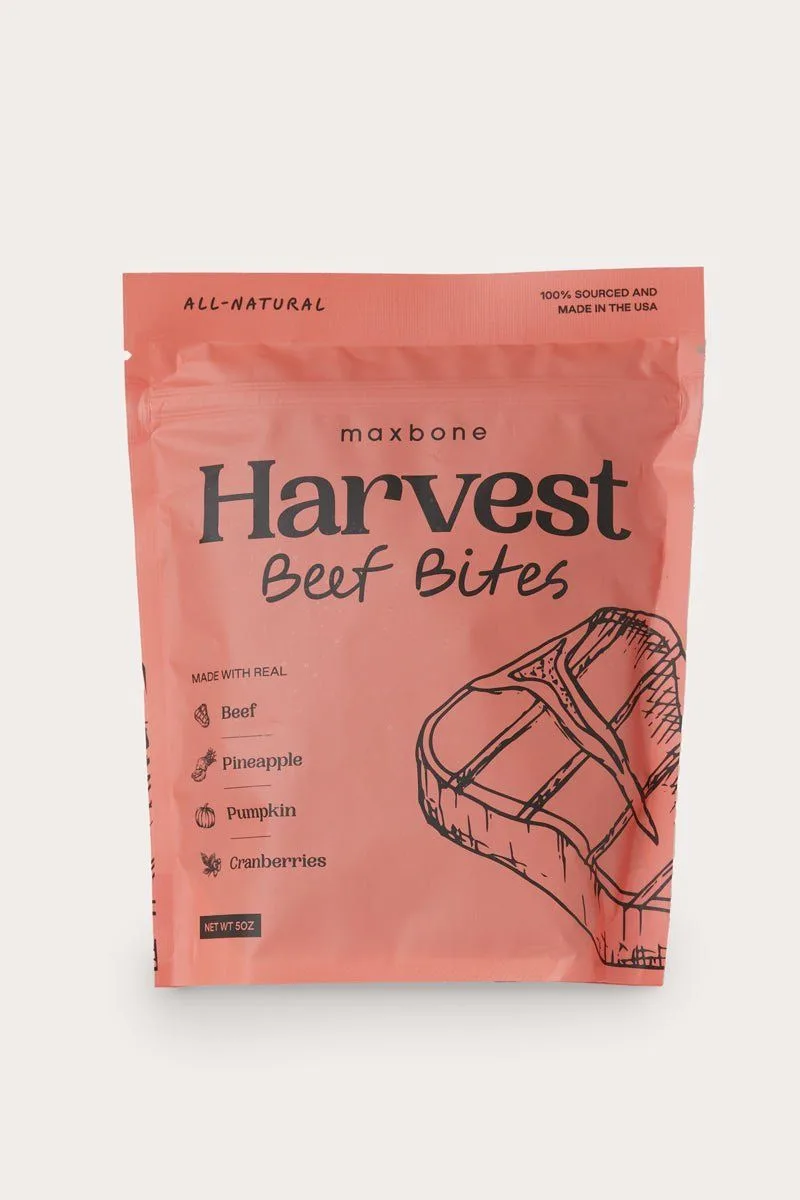
Harvest Beef Freeze Dried Treats
Measuring food with a dedicated scoop ensures consistency and eliminates guesswork. The maxbone Food Scoop & Bag Clip is a two-in-one tool that measures precise portions and seals bags tightly to keep food fresh. For dogs who need slow feeding, consider puzzle bowls or treat-dispensing toys. And always provide fresh, clean water alongside every meal.
- Measure portions with a scoop like the Food Scoop & Bag Clip
- Split daily food into two meals
- Limit treats to 10% of calories; choose single-ingredient options
Finding the best dog food for your dog's age and breed doesn't have to be complicated. Start by matching their life stage, consider their size and unique needs, and prioritize high-quality ingredients. Pair great nutrition with smart feeding tools like the maxbone Food Scoop & Bag Clip to keep every meal precise and fresh. Your dog will thank you with wagging tails and healthy years ahead.