Small breed dogs may be tiny, but their nutritional needs are mighty. From Chihuahuas to Pomeranians, these compact canines have unique dietary requirements that differ significantly from their larger counterparts. Choosing the best dog food for small breeds isn't just about portion size—it's about providing the right balance of calories, nutrients, and kibble size to support their fast metabolism, dental health, and overall vitality.
In this guide, we'll explore the key nutritional considerations for small breed dogs, share feeding tips to keep them healthy and happy, and highlight some of the best options available from Open Farm. Whether you're a new small dog owner or looking to optimize your pup's diet, this article will help you make informed choices.
Why Small Breeds Have Different Nutritional Needs
Small breed dogs typically have a faster metabolism than larger dogs, meaning they burn energy more quickly. This makes calorie density a critical factor in their food. They need nutrient-rich formulas that provide ample energy in smaller portions. Additionally, their smaller mouths and teeth require appropriately sized kibble to encourage proper chewing and reduce the risk of dental issues. Protein quality is also paramount—small breeds benefit from high-quality animal proteins like duck, chicken, or fish to support lean muscle mass and a healthy coat.
Another key difference is their longer lifespan. Small dogs often live well into their teens, so their diet must support long-term health, including joint function, digestive health, and immune system strength. Ingredients like omega-3 fatty acids, probiotics, and antioxidants become especially important. That's why many pet parents turn to premium options like Farmstead Duck Grain-Free Dog Kibble, which offers a single-source protein and grain-free recipe ideal for sensitive small breed stomachs.
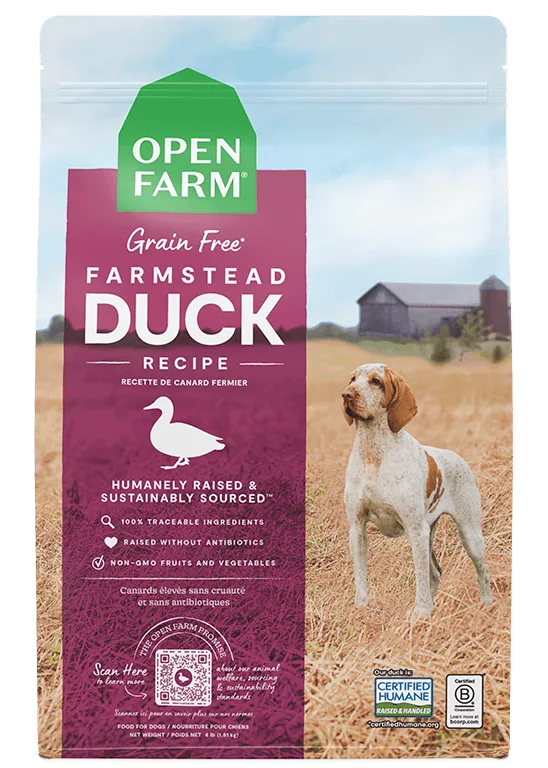
Farmstead Duck Grain-Free Dog Kibble
- Look for foods with at least 30% protein on a dry matter basis for active small breeds.
- Choose kibble sizes labeled for small or toy breeds to prevent choking and encourage chewing.
Key Ingredients to Look for in Small Breed Dog Food
When shopping for dog food for small dogs, prioritize whole-food ingredients. The first ingredient should be a named animal protein source, such as deboned chicken, duck, or fish. Avoid vague terms like 'meat meal' or 'by-products.' Small breeds also benefit from digestible carbohydrates like sweet potatoes, lentils, or chickpeas, which provide steady energy without spiking blood sugar. Healthy fats from sources like salmon oil or flaxseed support skin and coat health, while fiber from pumpkin or chicory root aids digestion.
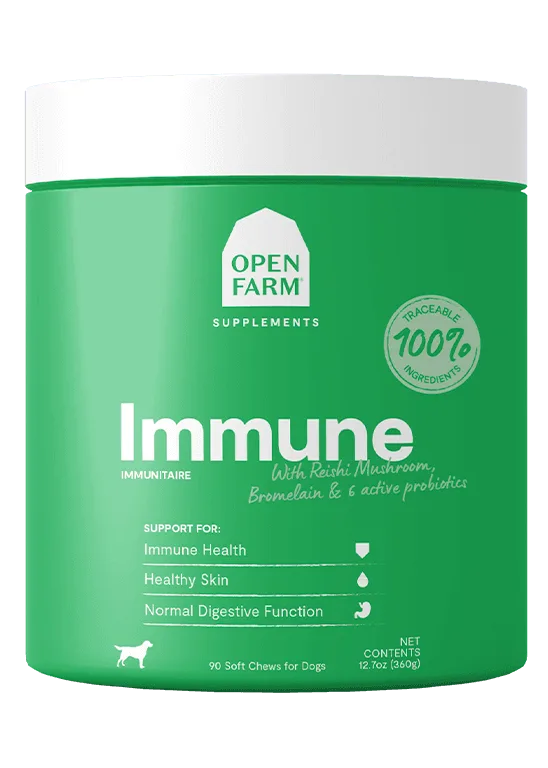
Probiotics are another valuable addition. Small dogs can have sensitive digestive systems, and a daily probiotic supplement can help maintain gut balance. For example, the https://openfarmpetshop.com/products/probiotic-food-supplement-chews-for-dogs-71339Probiotic Food Supplement Chews for Dogs are a convenient way to support your small breed's digestive health. These chews are easy to administer and can be added to any meal, making them a great companion to a balanced diet. Always check for added vitamins and minerals like vitamin E, zinc, and taurine to support heart and immune health.
- Avoid artificial preservatives, colors, and flavors—opt for natural preservation methods like mixed tocopherols.
- Omega-3 fatty acids from fish oil are especially beneficial for small breeds prone to skin allergies.
Calorie Needs and Portion Control for Small Breeds
Small breed dogs have high energy needs relative to their body weight, but their stomachs are small. This means every calorie counts. A typical small breed dog weighing 10 pounds may need only 200 to 400 calories per day, depending on activity level. Overfeeding can quickly lead to obesity, which strains joints and shortens lifespan. Use the feeding guide on your dog food label as a starting point, but adjust based on your dog's body condition score.
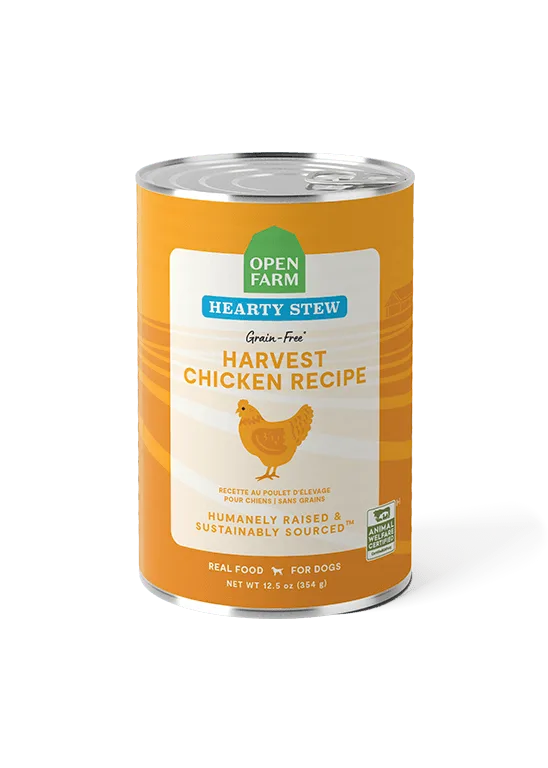
Consider using a combination of dry and wet food to add moisture and variety. Wet food can also help with hydration, which is important for small breeds prone to urinary issues. Products like Turkey & Salmon Hearty Stew Wet Dog Food provide a balanced, protein-rich option that many small dogs love. Mixing a spoonful of wet food with dry kibble can make meals more enticing and ensure your dog gets enough moisture throughout the day.
- Measure portions with a kitchen scale for accuracy, especially for dogs under 10 pounds.
- Treats should make up no more than 10% of daily calorie intake.
Feeding Tips for Small Breed Puppies vs. Adults
Small breed puppies grow rapidly and require food formulated for growth. Look for formulas with higher protein and fat levels to support development, as well as DHA for brain and eye health. Puppy-specific kibble is often smaller and softer, making it easier for tiny teeth. As your puppy matures, typically around 12 months, you can transition to an adult small breed formula. The transition should be gradual over 7-10 days to avoid digestive upset.
For adult small breed dogs, maintaining a healthy weight is the top priority. Senior small dogs may benefit from foods with added joint support ingredients like glucosamine and chondroitin. Regardless of life stage, always provide fresh, clean water and consider using puzzle feeders or slow-feed bowls to prevent gulping, which can lead to bloat. Rotating between different protein sources can also prevent food sensitivities and keep mealtime exciting.
- Feed small breed puppies 3-4 meals per day until 6 months old, then reduce to 2-3 meals.
- Consult your veterinarian before making any major dietary changes, especially for senior dogs.
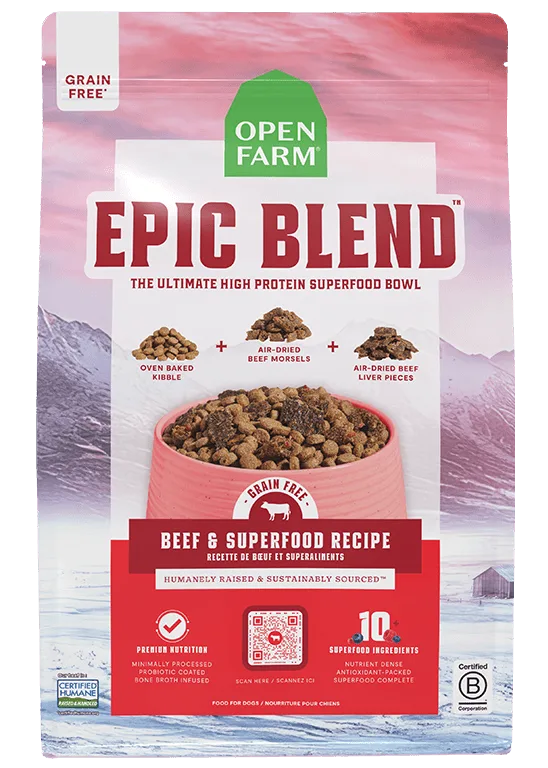
Choosing the best dog food for small breeds requires attention to calorie density, kibble size, and ingredient quality. By focusing on high-protein, nutrient-dense formulas and incorporating supplements like probiotics, you can support your small dog's health from nose to tail. Explore Open Farm's range of small breed-friendly options, such as the Epic Blend Chicken & Superfood Dry Dog Food, to give your tiny companion the nutrition they deserve.