Combination skin can feel like a never‑ending balancing act. Your T‑zone—forehead, nose, and chin—tends to produce excess oil, while your cheeks and jawline often feel dry or tight. Finding the right moisturizer for combination skin means addressing both needs without over‑hydrating one area or under‑hydrating the other. The good news? Korean skincare excels at creating lightweight, multi‑tasking formulas that deliver just the right amount of moisture.
In this guide, we’ll break down exactly what to look for in a Korean moisturizer for combination skin, highlight key ingredients that balance hydration without clogging pores, and recommend a few standout products from our store that can help you achieve that perfect, radiant glow.
What Makes a Moisturizer Ideal for Combination Skin?
Combination skin requires a moisturizer that is simultaneously hydrating and lightweight. Heavy, occlusive creams can exacerbate oiliness in the T‑zone, while gel‑based formulas that are too light may not provide enough nourishment for dry areas. The ideal moisturizer for combination skin uses a water‑based, gel‑cream texture that absorbs quickly and leaves a soft, non‑greasy finish. Look for products labeled “lightweight,” “gel cream,” or “water cream.”
Another key factor is ingredient synergy. Humectants like hyaluronic acid and glycerin draw moisture into the skin without adding weight. Soothing agents such as niacinamide and catechin help calm inflammation and regulate sebum production. Meanwhile, ceramides and rice extracts strengthen the skin barrier in drier zones. A well‑formulated Korean moisturizer for combination skin will include a blend of these ingredients to address both oily and dry areas simultaneously.
- Opt for gel‑cream or water‑cream textures over thick balms or heavy creams.
- Check for humectants (hyaluronic acid, glycerin) and barrier‑supporting ingredients (ceramides, rice extract).
- Avoid products with high levels of silicones or mineral oil, which can feel heavy on oily zones.
Key Ingredients to Look For in a Korean Moisturizer for Combination Skin
When scanning ingredient lists, prioritize hydrating humectants like hyaluronic acid and glycerin. They provide deep moisture without a greasy feel. Niacinamide is another star ingredient for combination skin—it helps regulate oil production, reduces the appearance of pores, and brightens the complexion. For an extra boost, look for catechin (green tea extract) or heartleaf extract, both known for their soothing and anti‑inflammatory properties.
Don’t overlook barrier‑repairing ingredients like ceramides and rice ceramides. They strengthen the skin’s protective layer, especially on dry patches. Lightweight emollients such as squalane or jojoba oil mimic the skin’s natural sebum and won’t clog pores. Products like the https://purebeautytools.store/products/rice-ceramide-7-hydrating-barrier-serum-51550Rice Ceramide 7 Hydrating Barrier Serum incorporate these ingredients beautifully, offering a serum‑moisturizer hybrid that hydrates without heaviness.
- Hyaluronic acid – attracts and holds moisture without oiliness.
- Niacinamide – balances sebum and reduces pore appearance.
- Ceramides – reinforce the skin barrier, especially on dry areas.
- Catechin / green tea – soothes inflammation and controls oil.
- Squalane – lightweight emollient that mimics natural skin oils.
Texture Matters: Gel Creams vs. Lightweight Lotions vs. Balms
The texture of your moisturizer can make or break your combination‑skin routine. Gel creams are often the best choice because they deliver hydration in a water‑based, oil‑free formula that sinks in quickly. They leave a matte or satin finish that doesn’t feel sticky or greasy. Lightweight lotions are another option—they’re slightly richer than gels but still breathable. Avoid thick balms or heavy creams, as they can overload the T‑zone and lead to congestion.
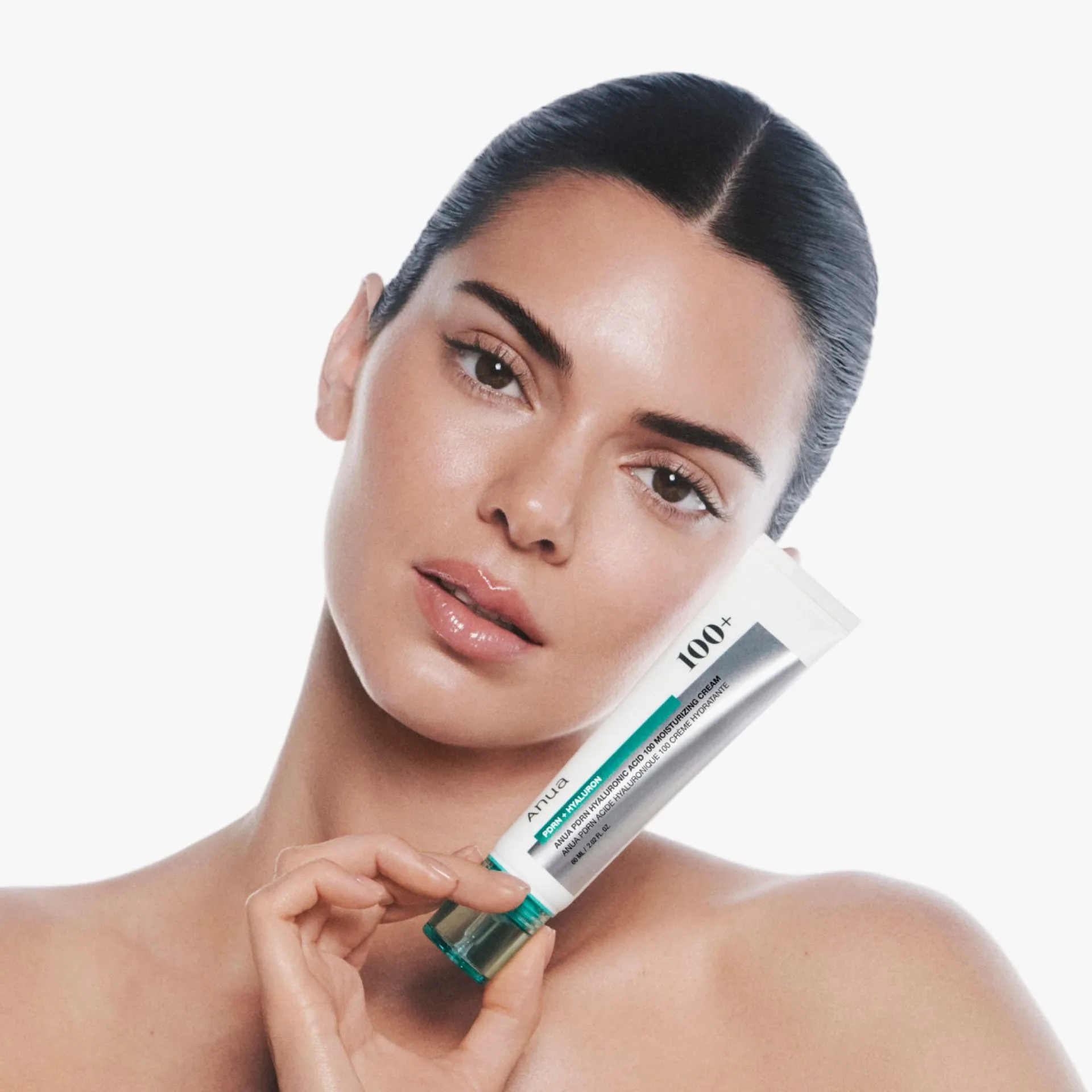
If you’re unsure where to start, try a gel‑cream moisturizer that contains hyaluronic acid or niacinamide. The https://purebeautytools.store/products/pdrn-hyaluronic-acid-100-moisturizing-cream-51503PDRN Hyaluronic Acid 100 Moisturizing Cream, for example, combines hydrating hyaluronic acid with PDRN to support skin regeneration, all in a lightweight formula that won’t weigh down oily areas. For those who prefer a multi‑step approach, layering a hydrating toner or pad before your moisturizer can add extra moisture without grease.
- Gel creams – ideal for oily T‑zones; absorb quickly with a matte finish.
- Lightweight lotions – slightly richer, good for normal‑to‑dry cheeks.
- Avoid thick balms and heavy creams that can clog pores in the T‑zone.
How to Layer Your Moisturizer for Combination Skin
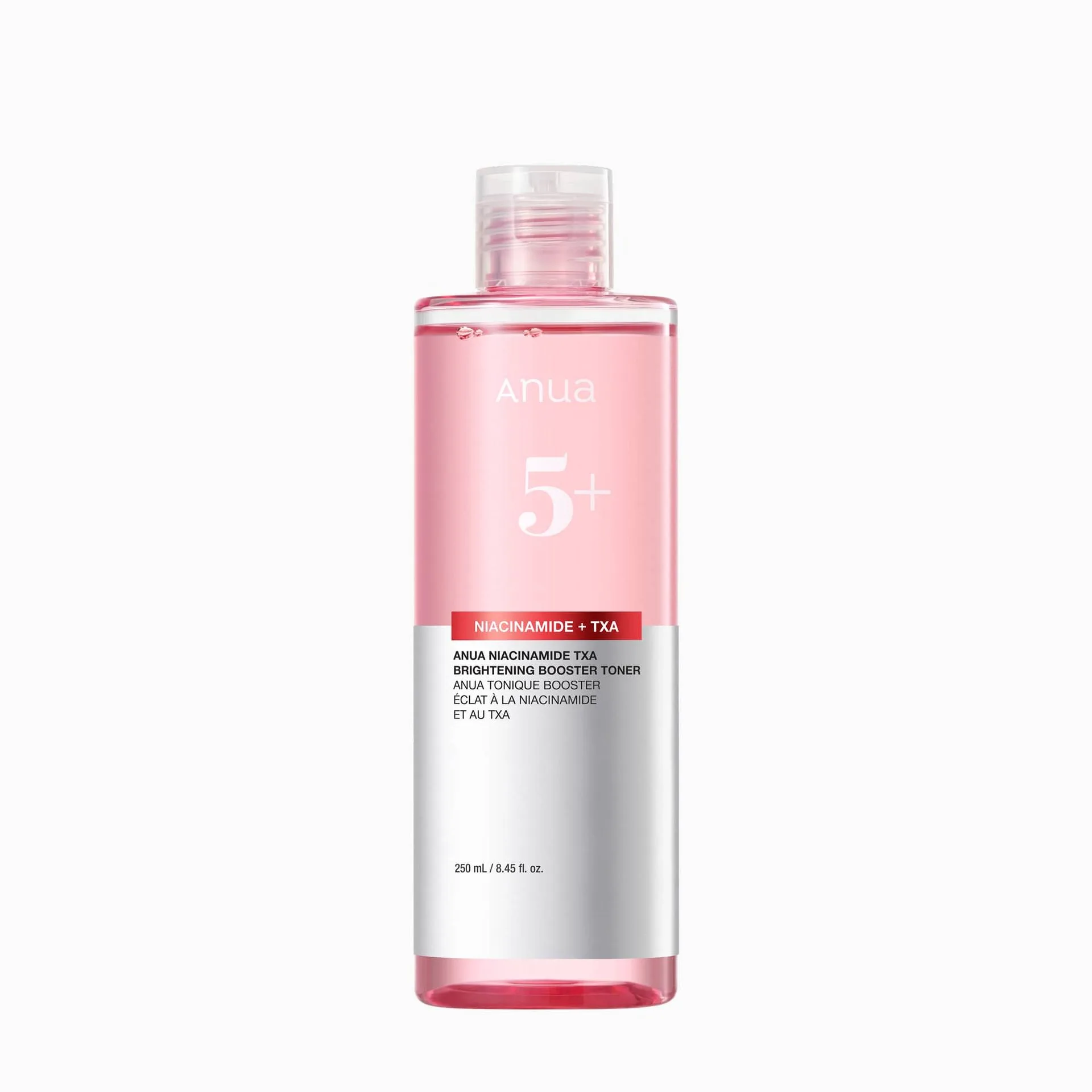
Layering is key to targeting different areas of your face. Start with a lightweight, hydrating toner or pad to prep the skin. The Niacinamide 5 TXA Brightening Pad is an excellent choice—it gently exfoliates while delivering niacinamide to balance oil and brighten the complexion. After toning, apply a serum that targets your specific concerns, such as the Niacinamide 10 TXA 4 Serum for Brightening and Dark Spots to even out skin tone.
Finally, seal everything with your moisturizer. Use a pea‑sized amount and warm it between your fingers before pressing it into your skin. Focus a little more product on your cheeks and jawline, and use a lighter hand on your forehead and nose. If your T‑zone still feels oily, you can skip moisturizer there altogether and let the serum and toner provide enough hydration. Finish with a lightweight sunscreen in the morning.
- Start with a hydrating toner or pad (e.g., Niacinamide 5 TXA Brightening Pad).
- Apply a targeted serum (e.g., Niacinamide 10 TXA 4 Serum).
- Use a lightweight moisturizer, focusing more on dry areas.
- Finish with a non‑greasy sunscreen during the day.
Common Mistakes to Avoid When Moisturizing Combination Skin
One of the biggest mistakes people with combination skin make is using a single, heavy moisturizer all over the face. This often leads to breakouts on the forehead and chin while leaving cheeks still feeling dry. Another common error is skipping moisturizer entirely because you think your skin is “oily enough.” Without proper hydration, your skin can overcompensate by producing even more oil, making the problem worse.
Additionally, avoid layering too many products that contain oils or silicones. Stick to water‑based formulas and introduce one new product at a time to see how your skin reacts. Also, don’t forget to adjust your routine seasonally—you may need a slightly richer moisturizer in winter and a lighter gel cream in summer. The 8 Hyaluronic Acid Catechin Calming Pad is a great way to add soothing hydration without heaviness, especially during warmer months.
- Don’t use a heavy cream all over—target dry areas separately.
- Don’t skip moisturizer—it can trigger excess oil production.
- Avoid over‑layering oil‑based products.
- Adjust your moisturizer weight with the seasons.
Finding the perfect moisturizer for combination skin doesn’t have to be a struggle. By focusing on lightweight, water‑based textures and key ingredients like hyaluronic acid, niacinamide, and ceramides, you can keep your T‑zone shine‑free while nourishing your dry areas. Start your journey with the PDRN Hyaluronic Acid 100 Moisturizing Cream—a gel‑cream formula that hydrates deeply without feeling heavy. Explore it today and give your combination skin the balanced care it deserves.