A good chef’s knife is the most important tool in any kitchen. Whether you’re a home cook or a professional, the right knife can make prep work faster, safer, and more enjoyable. But with so many blade shapes and sizes available, how do you choose the best one for your needs?
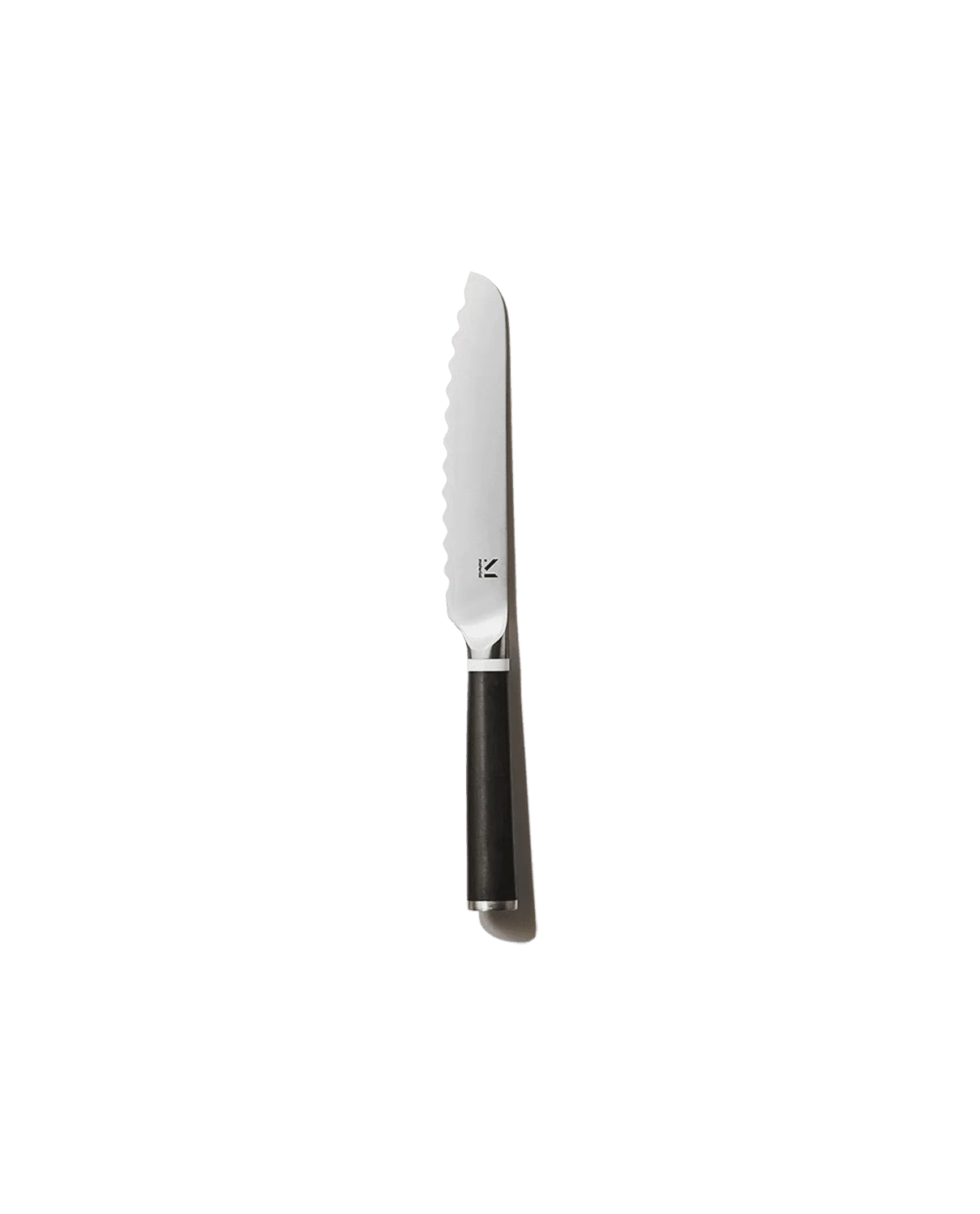
This guide will walk you through the essential factors to consider when selecting a chef’s knife. From blade shapes to handle ergonomics, you’ll learn what to look for and why the right knife matters. We’ll also highlight some of our favorite knives from Material, including The Almost 4 Knife and The Tomato Knife Set, to help you get started.
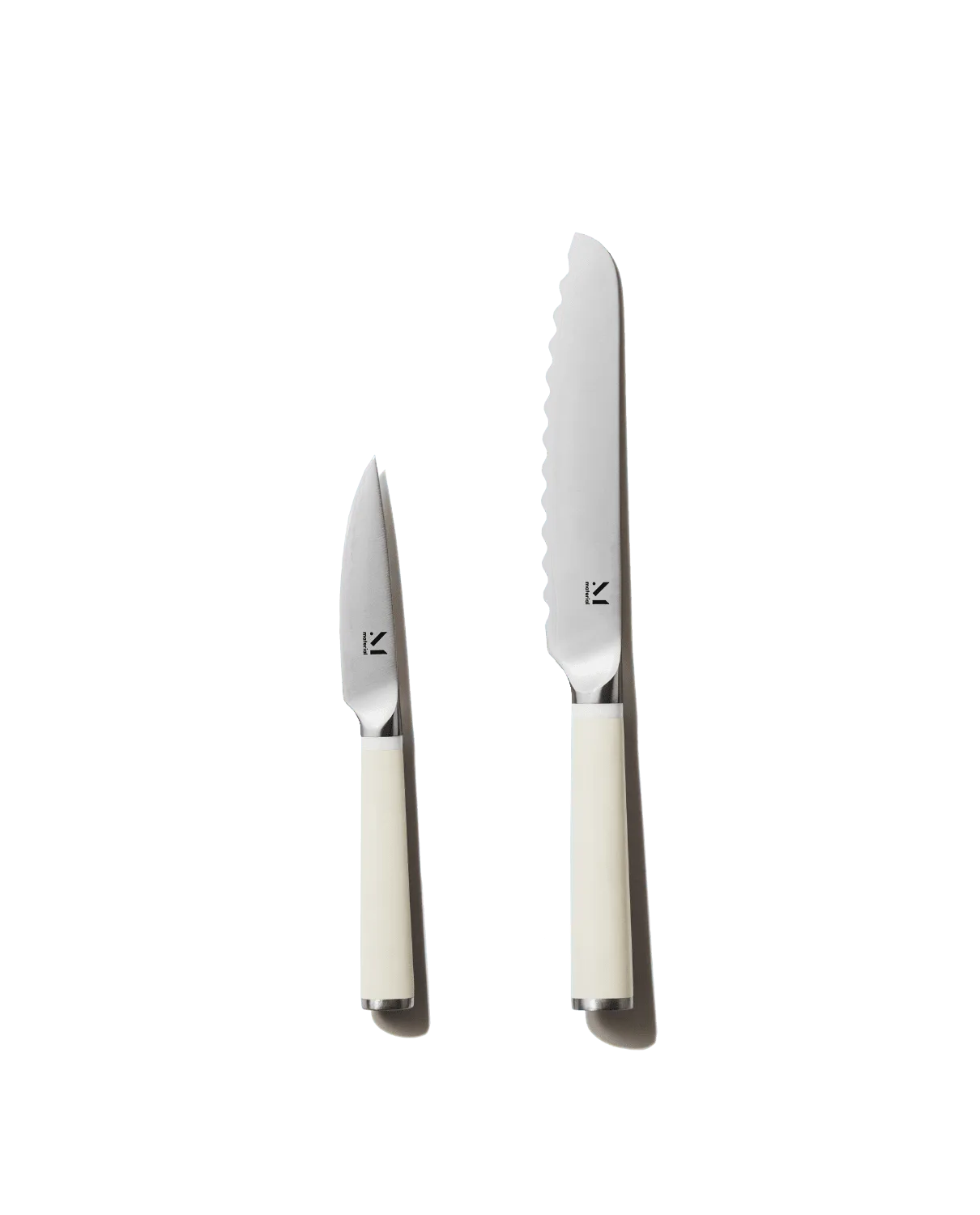
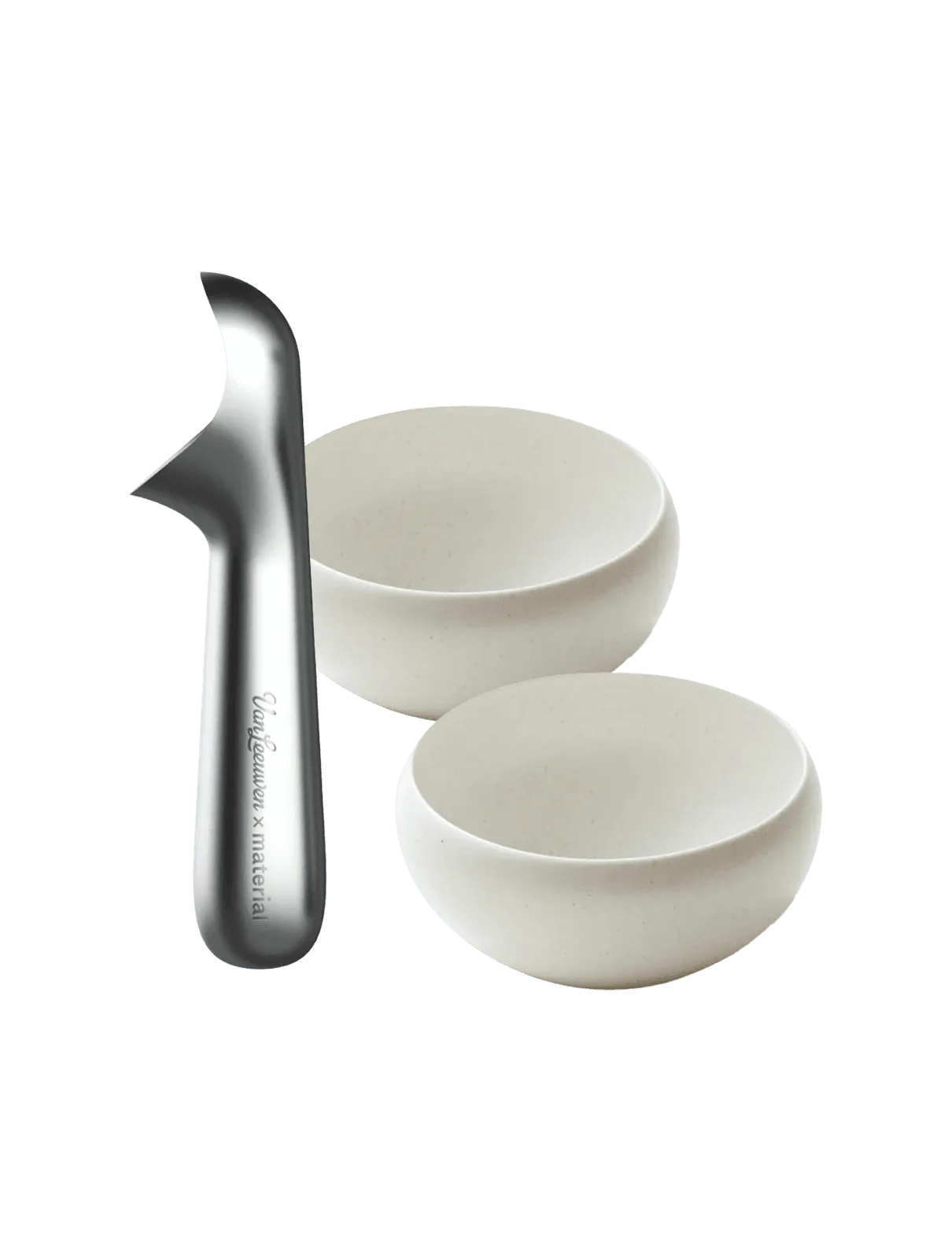
The Tomato Knife Set
Understanding Blade Shapes: Which One Fits Your Cooking Style?
The shape of a chef’s knife blade determines its primary use. The most common shape is the classic Western chef’s knife, which features a curved belly that allows for a rocking motion when chopping. This design is ideal for mincing herbs, dicing vegetables, and slicing meat. Another popular shape is the Santoku, a Japanese-style knife with a flatter edge and a sheepsfoot tip, perfect for precise slicing and push-cutting.
For specialized tasks, consider a nakiri (for vegetables) or a cleaver (for heavy chopping). However, for most home cooks, a versatile chef’s knife with a balanced curve offers the best all-around performance. The Almost 4 Knife from Material features a thoughtfully designed blade that combines the best of both Western and Japanese styles, making it a fantastic choice for everyday use.
- Western chef’s knife: curved belly for rocking chop, great for herbs and vegetables.
- Santoku: flatter edge, ideal for slicing and push-cutting.
- Nakiri: straight edge, perfect for vegetable prep.
- Cleaver: heavy blade for chopping through bones and dense ingredients.
Blade Size: Finding the Right Length for Your Kitchen
Chef’s knives typically range from 6 to 10 inches in length. An 8-inch blade is the most popular size because it offers a good balance between control and cutting surface area. It’s long enough to slice through large vegetables or roasts but still maneuverable for smaller tasks. A 6-inch knife is better for those with smaller hands or limited counter space, while a 10-inch knife is preferred by professional chefs who need extra reach.
Your comfort and kitchen setup should guide your choice. If you have a small cutting board or cook for one or two people, a 6- or 7-inch knife may suffice. For larger families or frequent entertaining, an 8-inch blade is a reliable workhorse. Material’s The Almost 4 Knife comes in a versatile 8-inch size that suits most home cooks perfectly.
- 6-inch: compact, good for small hands and tight spaces.
- 8-inch: the standard all-purpose size for most cooks.
- 10-inch: longer reach, preferred by professionals for large prep jobs.
Blade Material and Edge Retention: What to Look For
The blade material affects sharpness, edge retention, and ease of sharpening. High-carbon stainless steel is a popular choice because it resists rust and holds an edge well. Some knives use harder steels like VG-10 or AUS-8, which stay sharp longer but can be more difficult to sharpen. Ceramic blades are extremely hard and lightweight but are brittle and prone to chipping.
For most home cooks, a high-carbon stainless steel blade offers the best balance of durability and performance. Look for a knife that feels balanced in your hand and has a blade that can be easily honed with a steel. The Tomato Knife Set from Material features precision-ground stainless steel blades that are designed for both sharpness and longevity, making them a great addition to your kitchen.
- High-carbon stainless steel: rust-resistant, easy to sharpen, good edge retention.
- VG-10 or AUS-8: harder steel, longer edge life but harder to sharpen.
- Ceramic: very hard and lightweight, but brittle and can chip.
Handle Ergonomics: Comfort and Control Matter
A knife’s handle is just as important as the blade. Look for a handle that fits comfortably in your hand and provides a secure grip, even when wet. Common handle materials include wood, plastic, and stainless steel. Wood handles are classic and comfortable but require more care. Plastic handles are durable and easy to clean, while stainless steel handles are sleek but can be slippery.
The shape of the handle also matters. A full tang (where the blade extends through the handle) provides better balance and strength. Some handles have an ergonomic contour that reduces hand fatigue during long prep sessions. When trying a knife, hold it as you would when cutting—if it feels natural and balanced, it’s a good fit. Material’s knives are designed with ergonomic handles that ensure comfort and control.
- Full tang: blade extends through the handle for better balance.
- Ergonomic contour: reduces hand fatigue during extended use.
- Material options: wood (classic), plastic (durable), stainless steel (sleek but can be slippery).
Specialty Knives: When a Chef’s Knife Isn’t Enough
While a chef’s knife is versatile, certain tasks benefit from specialized blades. For example, a tomato knife has a serrated edge that easily cuts through soft skins without crushing the fruit. A boning knife is flexible and ideal for deboning meat or fish. A paring knife is perfect for intricate work like peeling or trimming.
If you frequently prepare specific ingredients, consider adding a specialty knife to your collection. The Tomato Knife Set from Material is specifically designed for slicing tomatoes and other delicate produce, ensuring clean cuts every time. Pairing it with a quality chef’s knife gives you a complete prep setup.
- Tomato knife: serrated edge for soft-skinned fruits and vegetables.
- Boning knife: flexible blade for deboning meat and fish.
- Paring knife: small blade for peeling and detailed work.
Choosing the right chef’s knife comes down to understanding your cooking habits and preferences. Focus on blade shape, size, material, and handle comfort to find a knife that feels like an extension of your hand. For a reliable, high-quality option, explore Material’s collection, including The Almost 4 Knife, which combines excellent design with everyday practicality. Your kitchen deserves a knife that makes prep work a pleasure—start your search today.