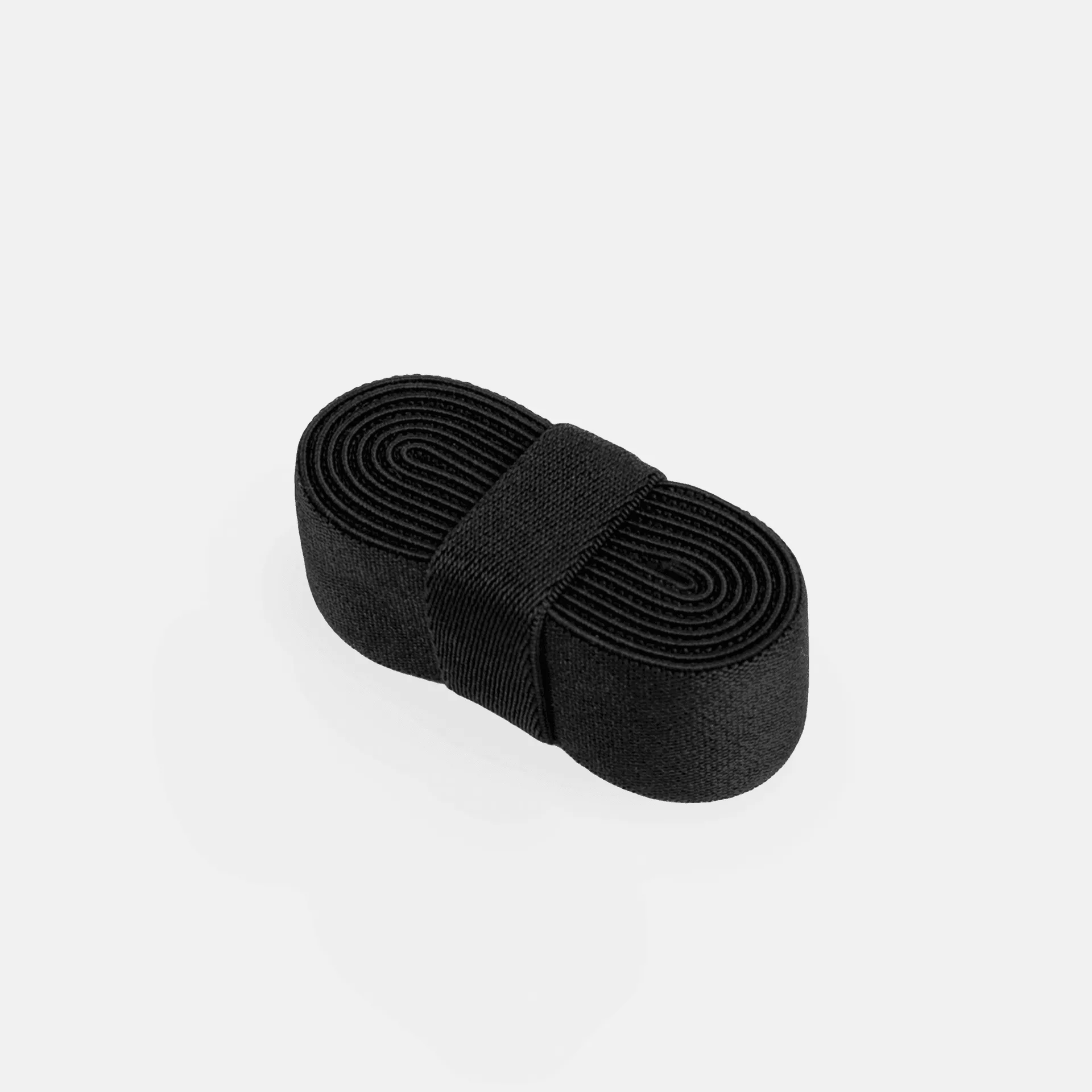
No-tie laces have revolutionized the way we think about footwear. Whether you're an athlete seeking quick changes, a busy parent, or someone with dexterity challenges, these elastic laces offer convenience and comfort. However, like any accessory, they require proper care to maintain their elasticity and appearance. In this guide, we'll walk you through essential shoelace care tips, focusing on how to clean no tie laces, maintain elastic laces, and keep them looking like new.
Why No-Tie Laces Need Special Care
No-tie laces are typically made from elastic materials, often coated with silicone or rubber for grip. This construction makes them flexible and durable, but also susceptible to dirt, sweat, and wear. Over time, grime can accumulate, causing the laces to lose their stretch, become stiff, or develop odors. Regular cleaning not only restores their function but also prevents damage to your shoes. By following the right maintenance routine, you can extend the life of your laces significantly.
Understanding Your Lacing System
Before diving into cleaning, it's helpful to know what you're working with. Xpand Laces offers several types of no-tie systems, including the Original No Tie Lacing System, which uses a stretchy cord with a locking mechanism. Another popular option is the Original No-Tie Lacing System Lace Anchors®, which adds secure lace anchors for a customized fit. Both systems are designed for easy on/off, but their elastic components need gentle handling during cleaning.

Original No-Tie Lacing System Lace Anchors®
Materials Matter
Most no-tie laces are made from a blend of polyester, spandex, and sometimes silicone. These materials are sensitive to high heat and harsh chemicals. For example, bleach can break down elastic fibers, while hot water can cause shrinkage or loss of tension. Understanding the fabric composition helps you choose the right cleaning method.
Step-by-Step Guide to Cleaning No-Tie Laces
Cleaning your no-tie laces doesn't require fancy tools—just a few household items and patience. Below is a comprehensive guide for how to clean no tie laces effectively.
What You'll Need
- Mild dish soap or laundry detergent (free from bleach)
- Warm water (not hot)
- A soft cloth or sponge
- A small bowl or basin
- A towel for drying
- Optional: a soft-bristle toothbrush for stubborn dirt
Step 1: Remove the Laces from Your Shoes
Detach the laces from your shoes carefully. If your laces have locking mechanisms or lace anchors, follow the manufacturer's instructions to avoid damaging them. For example, the Quick-Release Lacing System Lace Ends are designed for easy removal, but ensure you don't pull too hard on the elastic.
Step 2: Soak in Soapy Water
Fill a bowl with warm water and add a few drops of mild soap. Stir to create suds. Submerge the laces completely and let them soak for 10–15 minutes. This loosens dirt and sweat without damaging the elastic.
Step 3: Gently Scrub
Take a soft cloth or sponge and gently rub the laces, focusing on areas with visible grime. For deeper cleaning, use a soft-bristle toothbrush to work the soap into the fibers. Avoid aggressive scrubbing, as it can fray the material or weaken the elastic core.
Step 4: Rinse Thoroughly
Rinse the laces under cool running water until all soap residue is gone. Soap left behind can attract more dirt and cause stiffness.
Step 5: Dry Properly
Lay the laces flat on a clean towel and roll them up to absorb excess water. Then, unroll and let them air dry completely. Never wring them out—this can stretch the elastic unevenly. Also, avoid direct sunlight or heat sources like radiators, which can degrade the material.
How to Maintain Elastic Laces Between Washes
You don't need to deep clean your laces every week. Regular maintenance can keep them fresh and functional for months. Here are some simple shoelace care tips for daily use:
- Wipe Down After Wear: Use a damp cloth to remove surface dirt and sweat after each use, especially if you've been exercising.
- Store Properly: When not in use, keep your laces in a cool, dry place. Avoid leaving them in hot cars or damp gym bags.
- Rotate Your Laces: If you have multiple pairs of shoes, consider swapping laces to reduce wear on one set.
- Avoid Over-Tightening: Pulling laces too taut can strain the elastic and cause it to lose its spring. Adjust the fit to a comfortable level.
Common Mistakes to Avoid When Cleaning No-Tie Laces
Even with the best intentions, some cleaning habits can do more harm than good. Here are pitfalls to avoid:
Using Hot Water
Hot water can cause elastic fibers to contract and lose their stretch. Always use warm or cool water.
Machine Washing
While some laces claim to be machine-washable, the agitation can damage the locking mechanisms and cause tangling. Hand washing is safer and more effective.
Bleach or Fabric Softener
Bleach breaks down elastic, and fabric softener leaves a residue that reduces grip. Stick to mild soap.
Drying on High Heat
Putting laces in a dryer can melt or weaken the elastic. Air drying is always best.
When to Replace Your No-Tie Laces
Even with excellent care, no-tie laces will eventually wear out. Signs that it's time for a replacement include:
- Visible fraying or cracks in the rubber coating
- Loss of elasticity (laces no longer hold tension)
- Persistent odor that doesn't wash out
- Damaged locking mechanisms or lace ends
When it's time to upgrade, consider the Extra Long Round Lacing for boots or high-top shoes, or stick with the classic Original No Tie Lacing System for everyday sneakers.
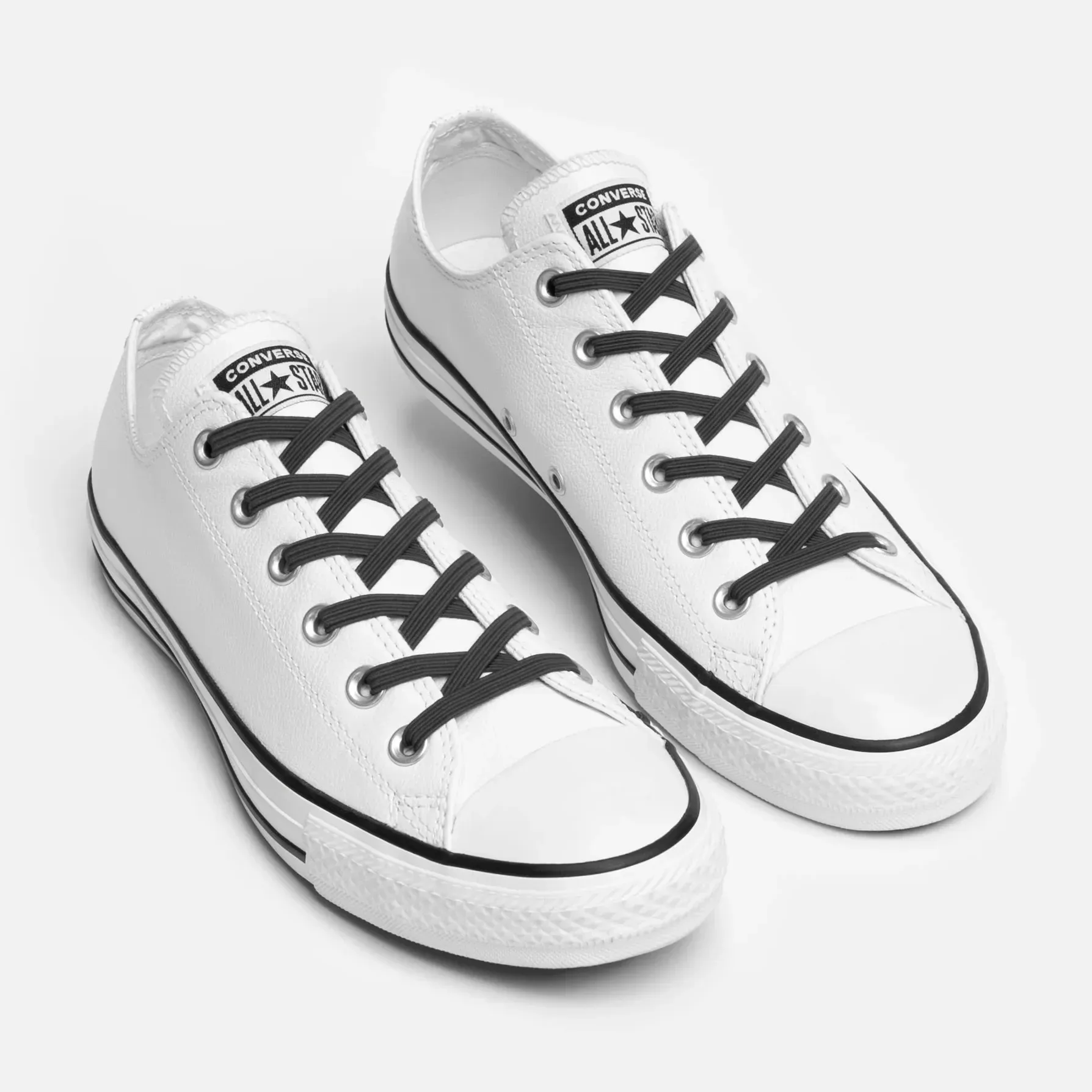
Original No Tie Lacing System
Bonus Tips for Keeping Your Laces Fresh
Beyond basic cleaning, a few extra steps can make a big difference:
Use a Deodorizing Spray
After cleaning, you can lightly mist your laces with a fabric-safe deodorizer. Avoid sprays with alcohol, which can dry out the elastic.
Clean Your Shoes Too
Dirty shoes transfer grime to your laces. Regularly wipe down the inside of your sneakers with a damp cloth or use a product like Quick Wipes - 60Pcs for a quick refresh. This prevents dirt buildup that can stiffen your laces.
Check the Lace Anchors
If you use lace anchors, inspect them periodically for wear. The Original No-Tie Lacing System Lace Anchors® are designed to be durable, but cleaning around them gently helps maintain their grip.
Frequently Asked Questions
Can I soak my no-tie laces overnight?
It's not recommended. Prolonged soaking can weaken the elastic. Stick to 15-minute soaks.
How often should I clean my laces?
For everyday use, aim for a deep clean every 4–6 weeks. For athletic shoes, clean them monthly if you sweat heavily.
Can I use a washing machine on a delicate cycle?
While some users do this, we advise against it. The mechanical action can stress the elastic and locking components. Hand washing is your best bet.
Conclusion
Learning how to clean no tie laces and maintain elastic laces is simple once you know the right techniques. With gentle cleaning, proper drying, and regular upkeep, your no-tie laces can stay stretchy, odor-free, and functional for months or even years. Whether you're an athlete, a commuter, or someone who values convenience, these shoelace care tips will help you get the most out of your investment.
Ready to keep your laces in top shape? Explore the full range of Xpand Laces products, including the versatile Original No Tie Lacing System, and find the perfect fit for your active lifestyle.