Finding the perfect belt size can be frustrating. Too tight and it digs into your waist; too loose and it looks sloppy. Whether you’re shopping for a new leather belt, an aluminum urban belt, or a casual canvas style, knowing your exact belt size ensures comfort, style, and longevity. In this belt sizing guide, we’ll walk you through how to measure belt size accurately, provide a belt length chart, and share pro tips to avoid common sizing mistakes.
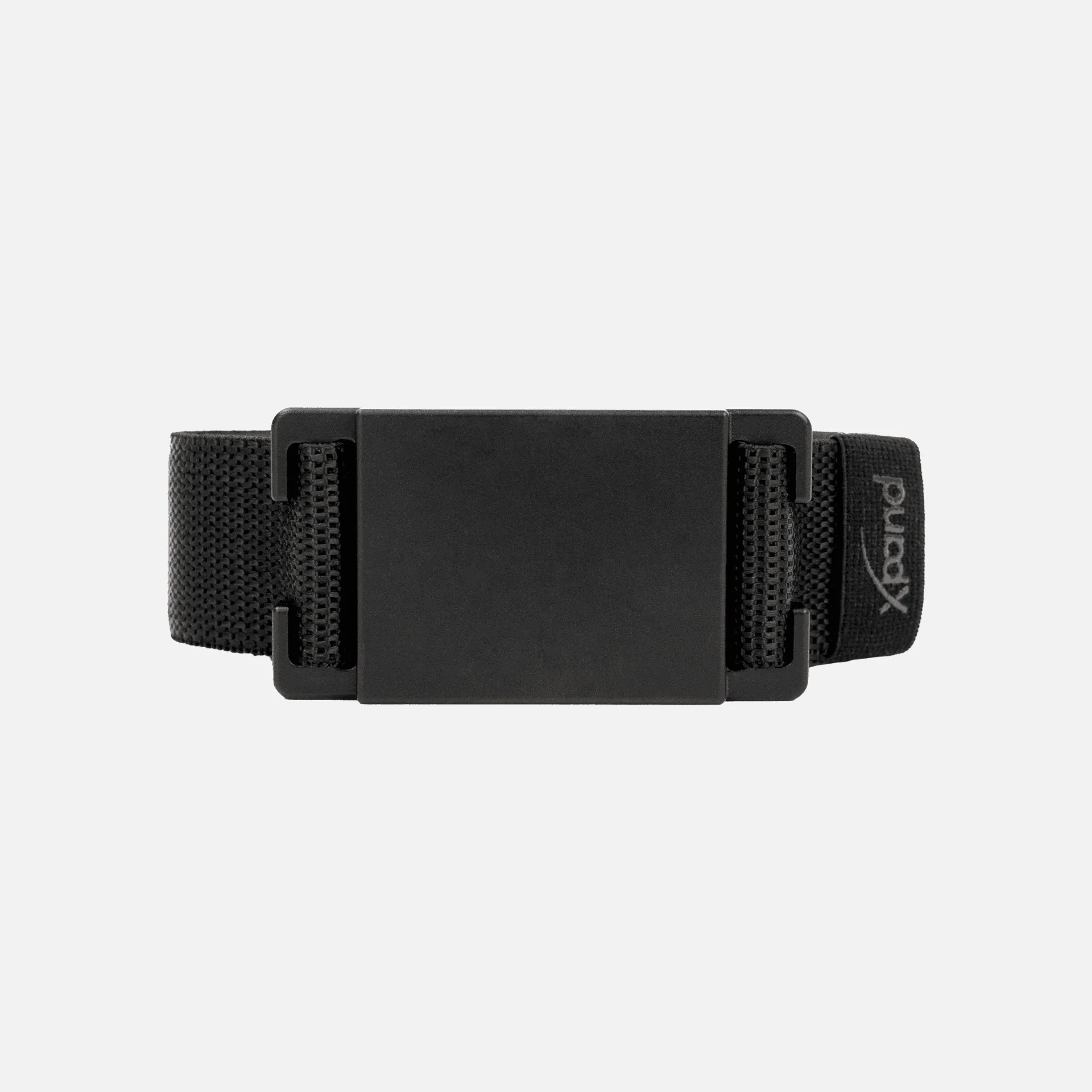
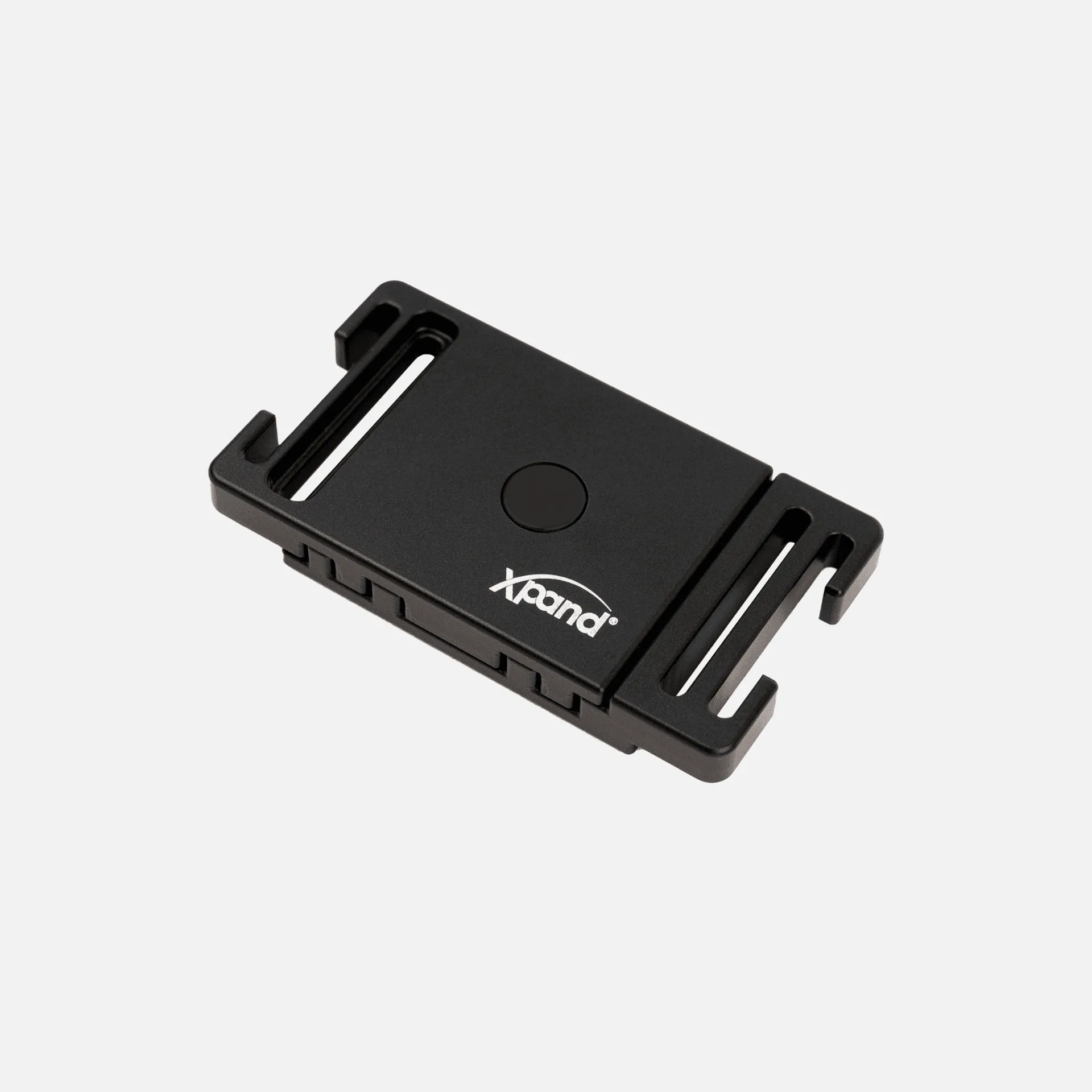
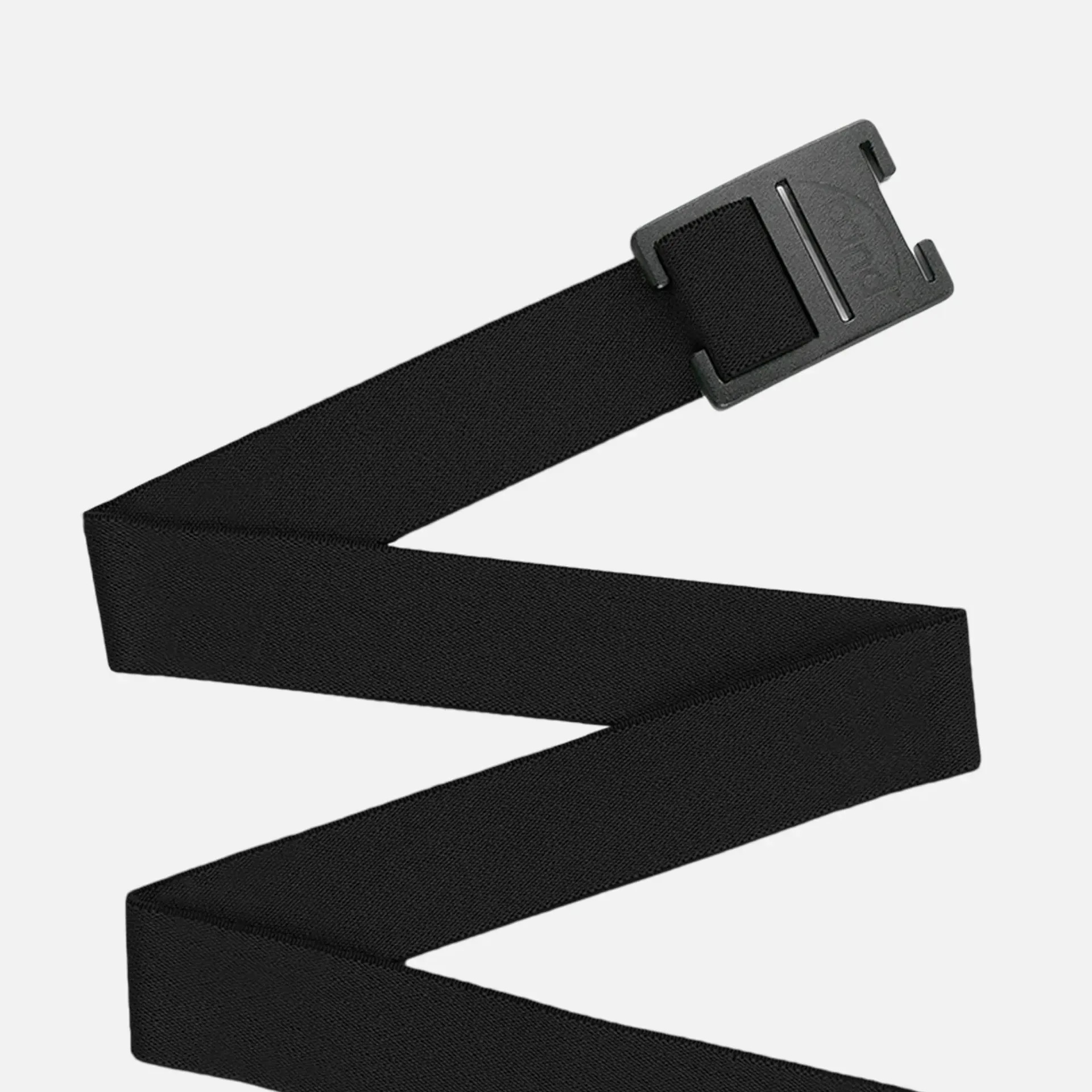
aluminum urban belt
At Xpand Laces, we believe accessories should fit flawlessly. That’s why we’ve created this comprehensive guide to help you measure your belt size like a pro. From understanding belt sizing standards to measuring your favorite old belt, we’ve got you covered. Let’s dive in.
Understanding Belt Sizing Basics
Belt sizes are typically measured in inches and correspond to the distance from the buckle’s fold to the middle hole. Most men’s belts are sized 2 inches larger than their pant waist size, while women’s belts are usually 1-2 inches larger. For example, if you wear a size 34 pant, you’ll likely need a size 36 belt. However, this rule isn’t universal—different brands and materials can vary. Always measure for accuracy.
Belt length is not the same as pant waist size. A belt that’s too long will leave an awkward tail, while one that’s too short won’t reach the second belt loop. To avoid these issues, use our belt length chart below as a starting point, but always confirm with your own measurements.
- Measure your pant waist size and add 2 inches for men, 1-2 inches for women.
- Check the belt’s hole spacing—most belts have 5 holes spaced 1 inch apart.
- Consider the material: leather stretches over time, while aluminum belts don’t.
How to Measure Your Belt Size: Step-by-Step
Method 1: Measure a belt you already own. Lay the belt flat on a table. Measure from the inside edge of the buckle (where the leather meets the buckle) to the hole you use most often. That number is your belt size. If you use the middle hole, that’s your ideal size. This is the most reliable method because it accounts for your personal fit preference.
Method 2: Measure your waist. Use a soft measuring tape around your waist where you normally wear your belt—usually at or just above your hip bones. Keep one finger between the tape and your body for a comfortable fit. This measurement is your pant size, so add 2 inches to get your belt size. For example, a 34-inch waist equals a size 36 belt.
- Always measure over the clothing you’ll wear with the belt (jeans, dress pants, etc.).
- If you’re between sizes, choose the larger size for adjustability.
- For belts with removable buckles (like the Aluminum Urban Belt), you can swap buckles without changing the strap.
Belt Length Chart: Find Your Perfect Fit
Use this belt length chart as a quick reference. It matches pant waist sizes to recommended belt sizes. Remember, these are general guidelines—always verify with your own measurements, especially if you have a unique waist shape or prefer a specific fit (e.g., tighter or looser).
Belt sizes typically range from 30 to 52 inches. Most standard belts come in even sizes (30, 32, 34, etc.), but some brands offer odd sizes or half sizes. If you’re unsure, the chart below will help you narrow down your options. For a custom fit, consider belts with multiple hole rows or adjustable systems.
- Pant Size 30 → Belt Size 32
- Pant Size 32 → Belt Size 34
- Pant Size 34 → Belt Size 36
- Pant Size 36 → Belt Size 38
- Pant Size 38 → Belt Size 40
- Pant Size 40 → Belt Size 42
- Pant Size 42 → Belt Size 44
Common Belt Sizing Mistakes to Avoid
One of the most common mistakes is using your pant size directly as your belt size. As mentioned, belts are usually 2 inches larger. Another mistake is measuring your belt from the buckle’s outer edge instead of the inner edge—this can add an extra inch or more. Also, don’t forget to account for belt thickness: thicker belts (like leather) may require a slightly larger size if you prefer a looser fit.
Another pitfall is ignoring the belt’s material. Leather belts stretch with wear, so you might want a slightly snug fit initially. Aluminum belts, like the Aluminum Urban Belt, don’t stretch, so a perfect fit from day one is crucial. Finally, always try on a belt with the pants you’ll wear most often—different rise heights (mid-rise vs. high-rise) can change where the belt sits.
- Don’t assume all belts fit the same—try before you buy or check return policies.
- For adjustable belts, measure the strap length without the buckle.
- If you wear suspenders or a holster, factor that into your belt size.
Measuring for Different Belt Types
Dress belts are typically 1.25 to 1.5 inches wide and made of leather. Measure as described above, but note that dress belts often have a fixed buckle, so size accuracy is critical. Casual belts (canvas, nylon, or woven) may be wider and more forgiving—some even have adjustable slides. For these, measure your waist and add 1-2 inches depending on how much tail you want.
Metal or aluminum belts, like the Aluminum Urban Belt, are rigid and don’t conform to your body. Measure carefully and consider the buckle’s thickness—some buckles add up to 1 inch to the overall length. For belts with quick-release mechanisms or magnetic buckles, follow the manufacturer’s sizing guide. Always check the product description for specific sizing notes.
- Dress belts: measure from buckle fold to preferred hole.
- Casual belts: measure waist and add 2 inches for a relaxed fit.
- Metal belts: measure with the buckle attached for accuracy.
Tips for a Perfect Fit Every Time
When you put on a belt, it should fit snugly but not tightly. You should be able to slide one finger between the belt and your waist. The tail should extend past your first belt loop but not beyond your second. If you’re between holes, consider a belt with half-inch spacing or an adjustable buckle system. Some belts, like those from Xpand Laces, feature innovative designs for easy adjustability.
If you lose or gain weight, your belt size may change. Re-measure every few months, especially if you’re on a fitness journey. Also, consider the belt’s role: a belt for work may need to be more precise, while a casual belt can be looser. For the most versatile fit, choose a belt with multiple holes or a ratchet system that allows micro-adjustments.
- Re-measure every 6 months or after significant weight change.
- For a formal look, the belt should match your shoes in color and finish.
- Store belts flat or rolled to maintain their shape.
Now that you know how to measure your belt size for a perfect fit every time, you’re ready to shop with confidence. Whether you prefer a classic leather belt or a modern aluminum urban belt, accurate sizing ensures comfort and style. For a durable, stylish option that fits your measurements perfectly, check out the Aluminum Urban Belt at Xpand Laces. It’s designed to complement your wardrobe and last for years.