Finding the right collar or harness for your dog is about more than just style—it's about safety, comfort, and control. An ill-fitting collar can slip off or cause choking, while a poorly adjusted harness may chafe or restrict movement. Whether you're shopping for a new everyday collar, a no-pull harness, or a cozy winter coat, knowing how to measure your dog correctly is the first step to a perfect fit. In this guide, we'll walk you through simple, at-home measurement techniques, explain the key differences between collar and harness sizing, and share tips to ensure your pup stays comfortable on every walk.
Before you grab a measuring tape, remember that every dog is unique. Breed, age, coat thickness, and body shape all play a role in sizing. A Great Dane will need a much different collar than a French Bulldog, and a deep-chested breed like a Boxer may require a specific harness style. By taking a few accurate measurements, you can confidently choose gear that fits well and lasts longer. Let's dive into the essentials of dog collar sizing and harness fit.
Measuring Your Dog for a Collar: Step-by-Step
To find the perfect collar size, you need to measure your dog's neck circumference accurately. Use a flexible measuring tape (like a tailor's tape) and have your dog stand in a relaxed, neutral position. Wrap the tape around the base of the neck, where the collar would naturally sit—usually just behind the ears and above the shoulders. Make sure you can fit two fingers comfortably between the tape and your dog's neck. This ensures the collar is snug enough not to slip off, but loose enough to prevent choking or discomfort.
For dogs with thick fur or a double coat, add about half an inch to your measurement to account for coat compression. If you don't have a measuring tape, you can use a piece of string, mark it, and then measure it against a ruler. Write down the number in inches or centimeters, then compare it to the brand's size chart. Most collars come in small, medium, large, and extra-large, but sizes vary by manufacturer. A well-fitted collar should allow two fingers to slide easily under it without being too tight.
- Measure at the widest part of the neck, not the throat.
- Always check the collar size chart before buying—brands differ slightly.
- If your dog is between sizes, choose the larger size for comfort.
How to Measure Your Dog for a Harness: Chest and Girth
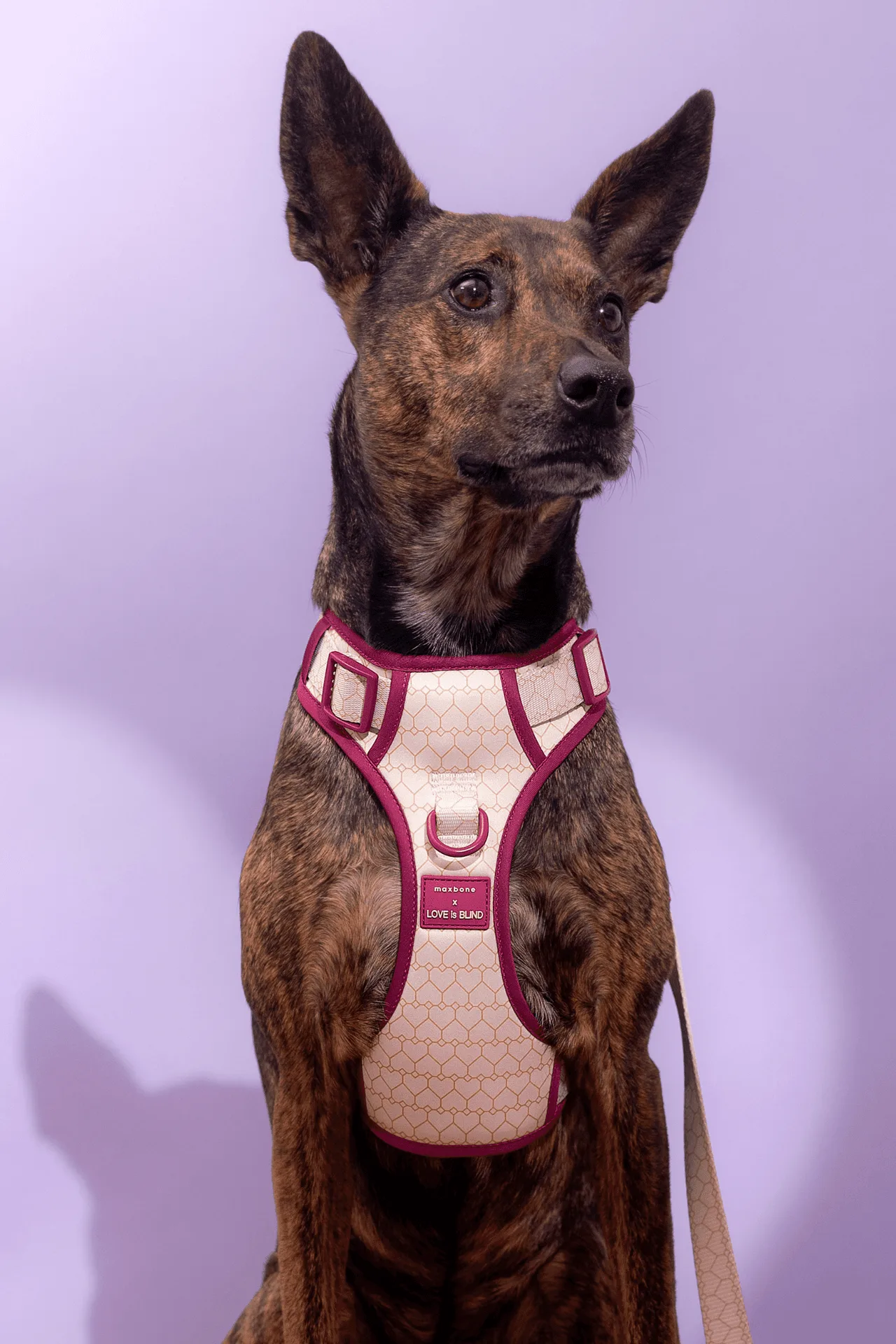
Harnesses require two key measurements: neck girth and chest girth (also called the widest part of the ribcage). For the neck, measure the same way you would for a collar, but note that harness neck openings are often a bit larger to accommodate the straps. For chest girth, wrap the measuring tape around the deepest part of your dog's chest, just behind the front legs. The tape should be snug but not tight—again, you should be able to slide two fingers underneath. This measurement ensures the harness won't rub or restrict breathing.
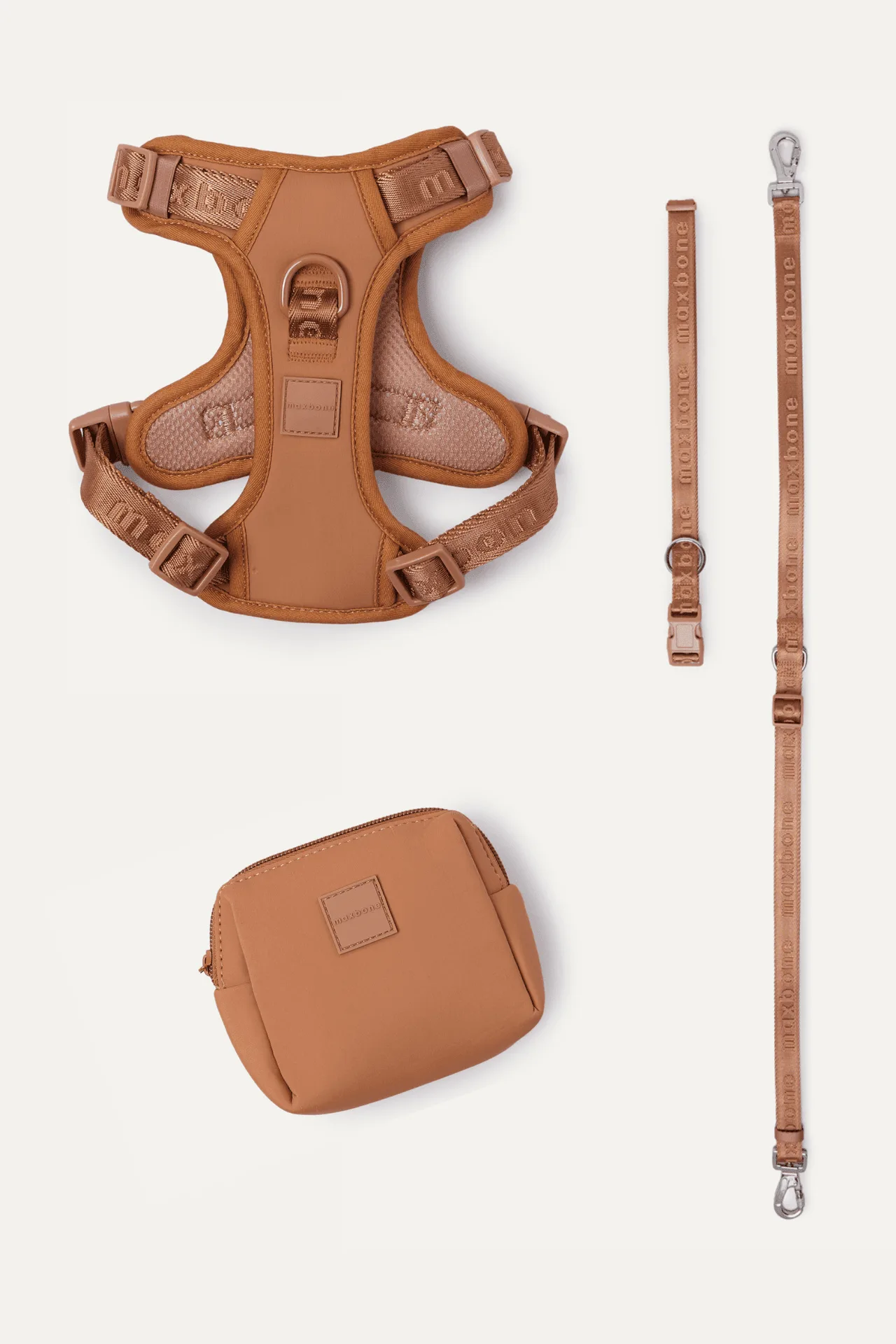
Some harness styles, like step-in or over-the-head designs, may require additional measurements like the length from the base of the neck to the tail. Always follow the specific brand's instructions. For example, the Easy Fit Harness is designed with adjustable straps that make fitting easier, but you still need accurate girth measurements to choose the right size. A properly fitted harness should not shift side to side or ride up into your dog's armpits. If you notice any chafing or redness, the harness may be too tight or the wrong style.
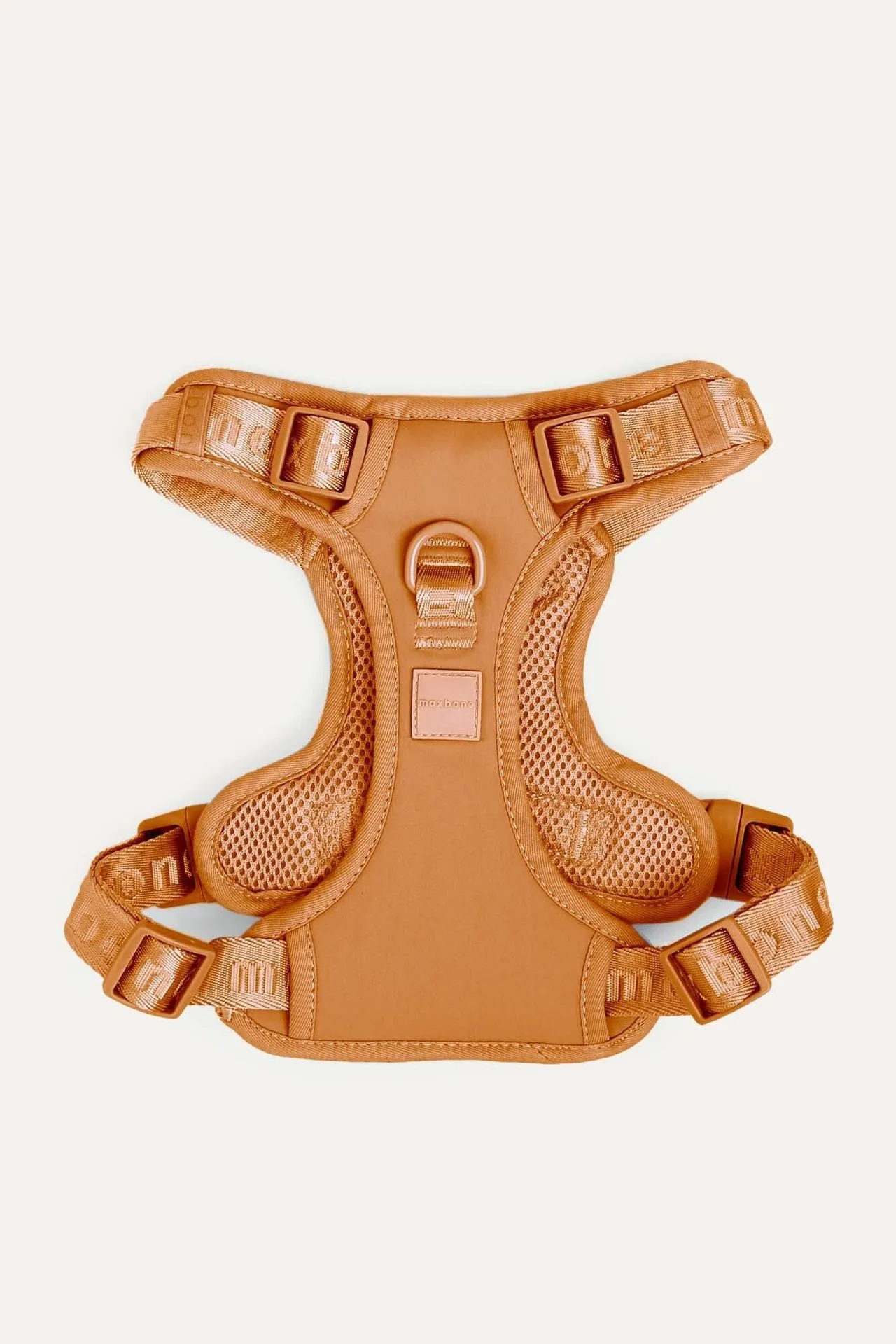
Easy Fit Harness
- Measure chest girth at the widest point, just behind the front legs.
- For deep-chested breeds, consider a harness with a wider chest plate.
- Adjustable straps allow for a more customized fit as your dog grows.
Common Sizing Mistakes and How to Avoid Them
One of the most frequent mistakes pet parents make is relying on their dog's weight alone to choose a collar or harness. While weight can be a helpful guideline, it doesn't account for body proportions. A 50-pound Labrador and a 50-pound Bulldog have very different neck and chest sizes. Always measure, and always refer to the brand's specific size chart. Another common error is choosing a collar that is too loose because it looks comfortable—this can lead to your dog slipping out during walks or getting tangled.
For harnesses, a common problem is buying a size that fits the chest but is too tight around the neck, or vice versa. This is why adjustable harnesses like the Easy Fit Harness are so popular—they allow you to fine-tune both the neck and chest straps independently. Also, avoid leaving a collar on a puppy that is still growing; check the fit weekly and loosen or upgrade as needed. A good rule of thumb is that if you can fit more than two fingers under the collar or harness, it's too loose. If you can't fit any fingers, it's too tight.
- Don't rely solely on weight—always measure neck and chest.
- Check fit regularly, especially for growing puppies or weight changes.
- Two-finger rule: snug but not tight, loose enough to slide two fingers under.
Choosing the Right Collar or Harness for Your Dog's Lifestyle
Once you have accurate measurements, you can choose the best gear for your dog's daily activities. For everyday walks and ID tags, a classic flat collar works well, but for dogs that pull, a harness is often safer and more comfortable. The Easy Fit Harness is a great option for active dogs because it distributes pressure evenly across the chest and back, reducing strain on the neck. If you live in a cold climate, you might also want a harness that works with a coat, like the Sub Zero Waterproof Jacket, which is designed to accommodate a harness underneath.
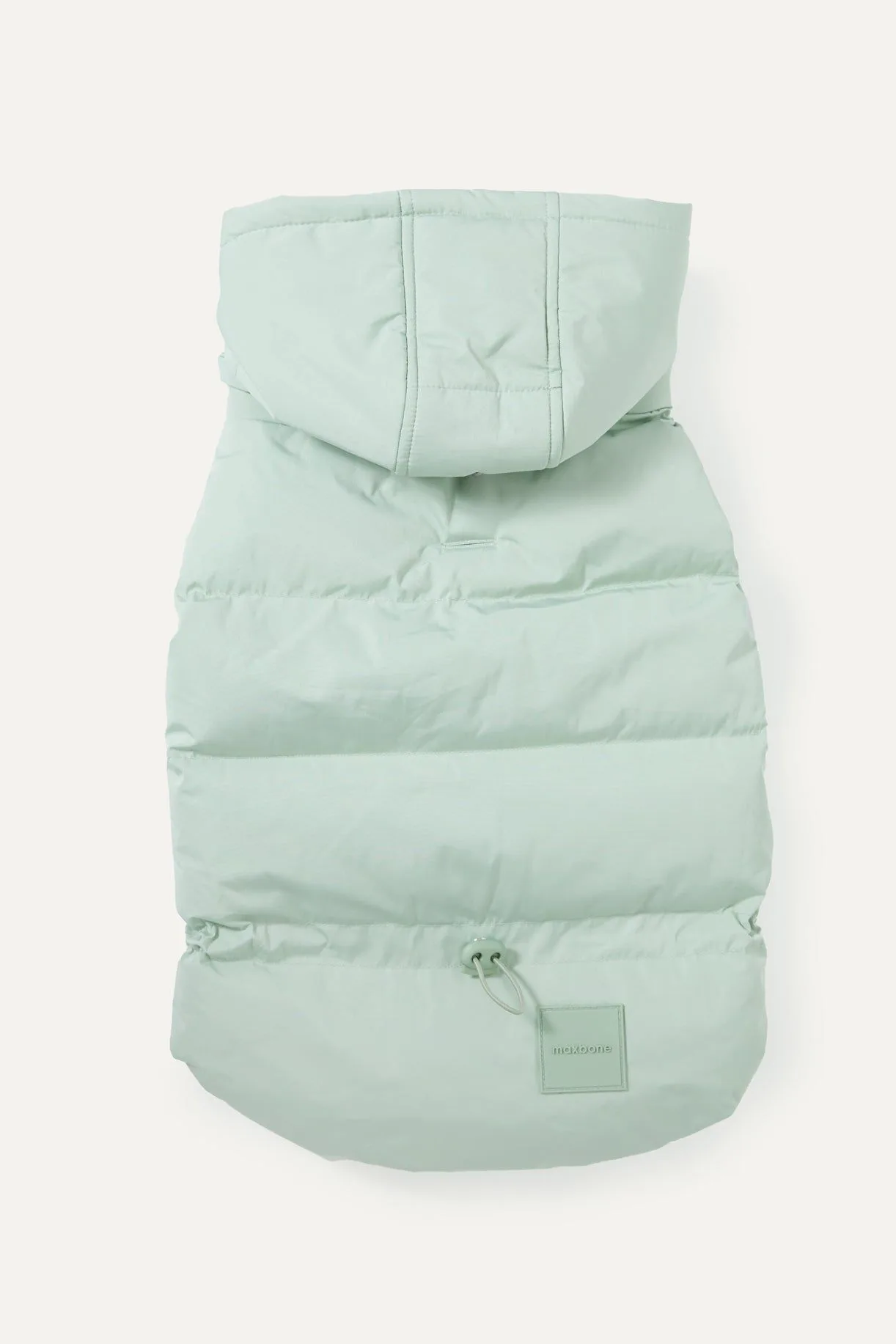
Sub Zero Waterproof Jacket
For dogs that love to explore or need extra visibility, consider a harness with reflective stitching or a built-in handle. If your dog is small or has a sensitive trachea, a harness is almost always preferable to a collar. And don't forget about comfort: padded collars and harnesses can prevent rubbing on short-haired breeds. The key is to match the gear to your dog's specific needs—whether that's a simple collar for a calm senior or a sturdy harness for an energetic puppy. Always prioritize fit over fashion, but with brands like Maxbone, you don't have to sacrifice style for function.
- For pullers, a front-clip harness offers better control.
- Reflective gear improves safety during low-light walks.
- Padded options add comfort for dogs with sensitive skin.
Measuring your dog correctly is the foundation of a comfortable, safe, and stylish walk. With just a few minutes and a flexible tape, you can ensure a perfect fit every time. Ready to upgrade your dog's walking gear? Check out the Easy Fit Harness for a secure, adjustable option that grows with your pup and makes every adventure more enjoyable.