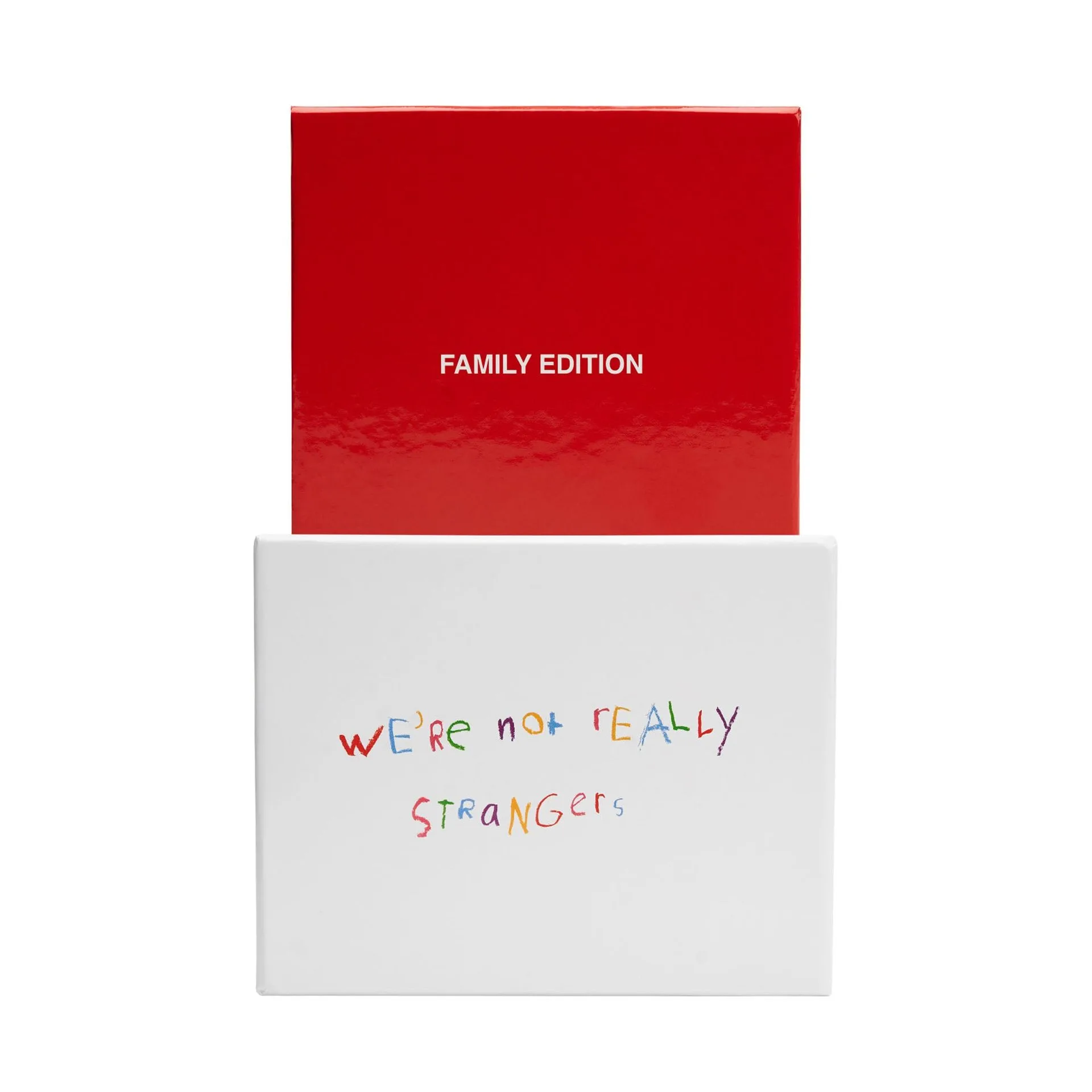
Self-discovery is a lifelong journey, but sometimes we need a little help to dive beneath the surface. Two of the most effective tools for exploring your inner world are conversation cards and journaling prompts. While each is powerful on its own, pairing them together creates a dynamic practice that can unlock deeper insights, emotional clarity, and lasting personal growth.
Whether you're new to mindfulness activities or looking to refresh your routine, combining conversation cards with journaling offers a structured yet flexible approach. In this guide, we'll explore how to blend these tools for maximum impact, with practical tips and product recommendations from We're Not Really Strangers to support your journey.
Why Conversation Cards and Journaling Work So Well Together
Conversation cards are designed to spark meaningful dialogue, often with questions that go beyond small talk. Journaling, on the other hand, provides a private space to reflect and process. When you pair them, you get the best of both worlds: the guided curiosity of a card deck and the introspective depth of writing. This combination encourages you to not only answer a question out loud but also to explore your thoughts on paper, revealing layers you might otherwise miss.
For example, a card might ask, 'What is something you've never told anyone?' After discussing it aloud, you can journal about why that secret felt heavy, how it shaped you, and what releasing it might feel like. This layered approach turns a single prompt into a mini-therapy session, making it ideal for emotional wellness.
- Use cards to spark initial thoughts, then journal to expand on them.
- Set a timer: 5 minutes with a card, 15 minutes of journaling.
- Keep your journal and card deck together for easy access.
Getting Started: Choosing Your Tools
To begin, you'll need a conversation card deck that resonates with your goals. For deep self-discovery, the Healing Edition is an excellent choice. Its prompts are crafted to help you explore past experiences, emotional patterns, and personal growth. Pair it with a blank journal or a guided notebook, and you're ready to start.
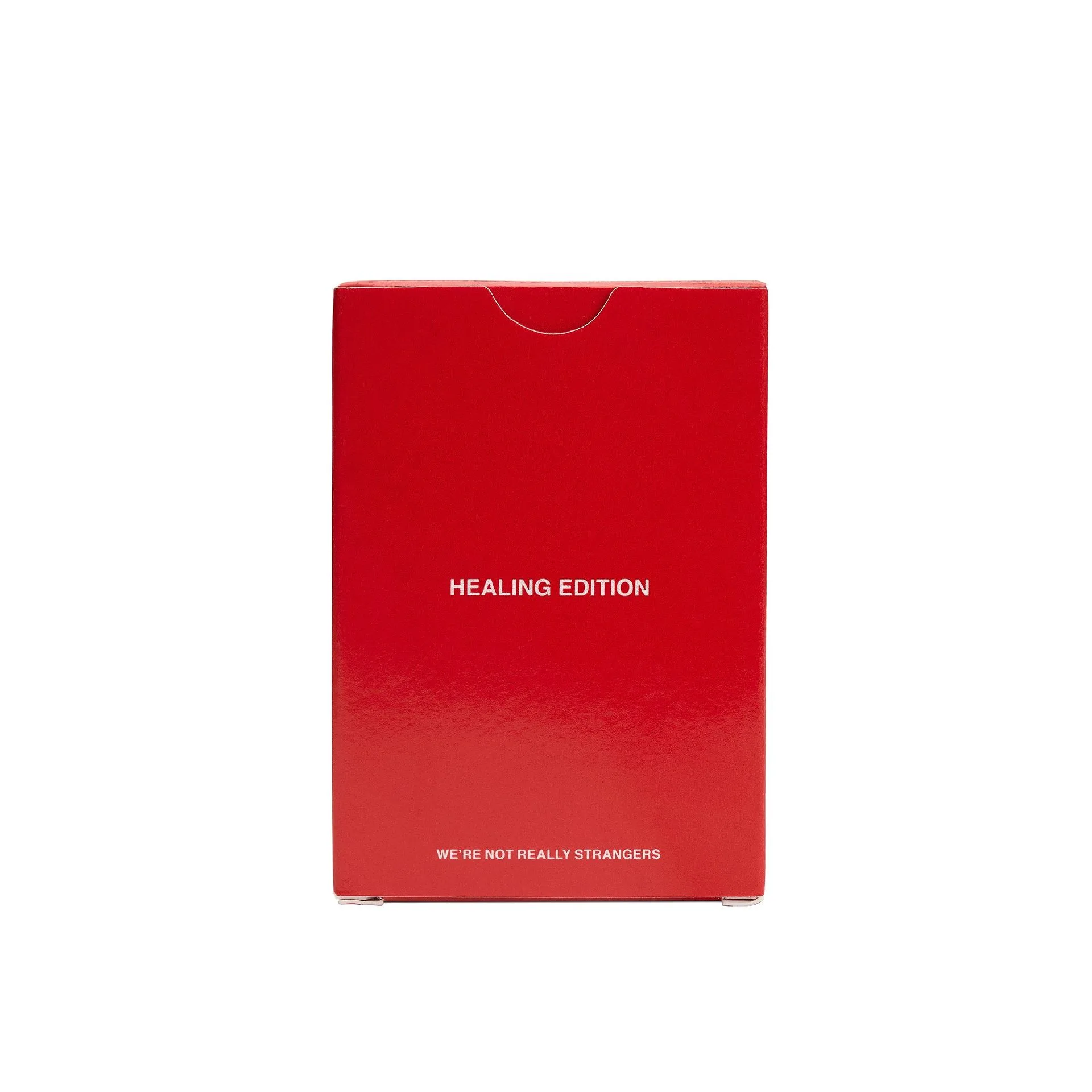
Healing Edition
If you prefer a lighter, more playful approach, the Ick Edition offers humorous yet revealing questions that can still lead to surprising insights. The key is to pick a deck that feels authentic to you. Once you have your tools, create a comfortable space where you won't be interrupted—light a candle, brew some tea, and let yourself be present.
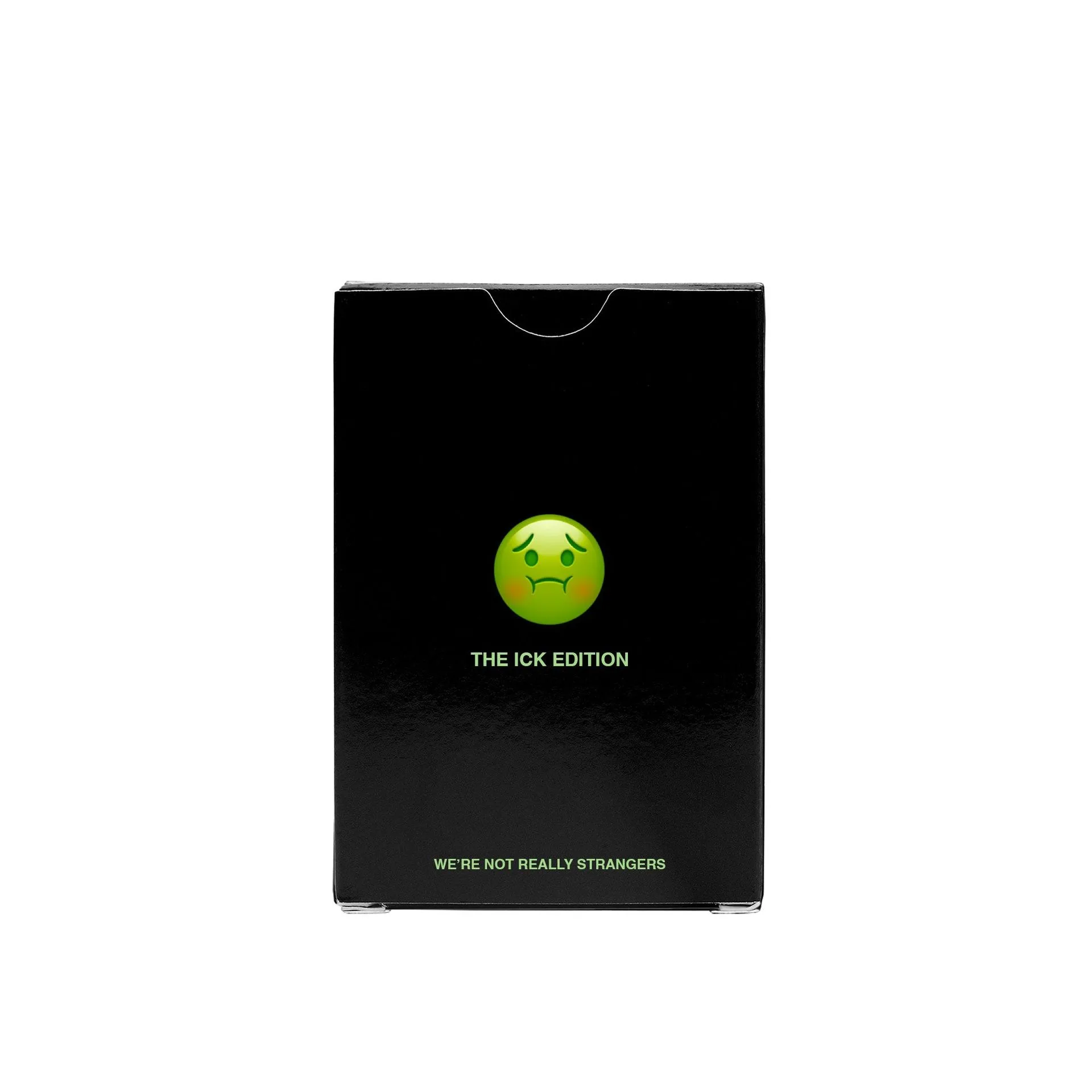
the Ick Edition
- Choose a deck aligned with your intention: healing, fun, or connection.
- Use a dedicated journal for your card-journaling sessions.
- Experiment with different decks to keep the practice fresh.
A Step-by-Step Practice for Deeper Self-Discovery
Start by shuffling your conversation card deck and drawing one card. Read the question aloud or silently, then sit with it for a moment. Let the question sink in before you speak or write. Next, answer the question verbally—either to yourself or a trusted friend. This oral step helps you hear your own voice and notice any hesitation or emotion.
After speaking, open your journal and write the question at the top of a fresh page. Then free-write for 10 to 15 minutes without stopping or editing. Let your thoughts flow, even if they seem messy. This is where the magic happens: the act of writing often uncovers feelings and memories that talking alone might not reach. Finally, review what you wrote and circle one insight or action step to carry with you.
- Draw one card per session to avoid overwhelm.
- Speak your answer first, then write it down.
- End each session with a single takeaway or goal.
Deepening Your Practice with Themed Sessions
To keep your self-discovery journey evolving, try themed sessions. For example, dedicate one week to exploring 'vulnerability' using cards from the Healing Edition. Each day, draw a card related to that theme, journal about it, and note any patterns. You might discover that vulnerability feels different in various areas of your life—work, relationships, or self-image.
Another powerful theme is 'letting go.' Use cards that prompt reflection on past hurts or habits. Journal about what you're ready to release and what support you need. For a more social twist, invite a friend to join you with their own deck and journal. Share insights afterward to deepen your connection. This practice not only boosts self-discovery but also strengthens bonds, making it a versatile tool for emotional wellness.
- Rotate themes weekly: vulnerability, gratitude, forgiveness, dreams.
- Track your insights in a separate section of your journal.
- Invite a partner or friend for shared sessions.
Overcoming Common Challenges
Some people find it hard to write consistently or feel stuck when faced with a blank page. If that's you, start small: just write one sentence in response to the card. Over time, that sentence will grow into paragraphs. Another challenge is emotional overwhelm—sometimes a card triggers strong feelings. If that happens, pause, breathe, and remind yourself that it's safe to feel. You can always put the journal down and come back later.
Consistency is also key. Try to pair your card-journaling practice with an existing habit, like your morning coffee or evening wind-down. Even five minutes a day can create momentum. And remember, there's no 'right' way to do this. Your practice is uniquely yours, so honor whatever comes up without judgment.
- Start with one sentence if writing feels hard.
- Take breaks if emotions feel too intense.
- Attach your practice to a daily habit for consistency.
Pairing conversation cards with journaling is a simple yet profound way to deepen your self-discovery journey. Whether you're exploring past wounds, celebrating growth, or simply curious about who you are, this combination offers endless possibilities. Ready to begin? The Healing Edition is a beautiful place to start—grab your deck and a journal today, and let the questions guide you inward.