Fungus gnats are one of the most common and frustrating indoor plant pests. These tiny, mosquito-like flies often appear seemingly out of nowhere, hovering around your pots and soil. While they are harmless to humans, their larvae can damage plant roots, stunt growth, and weaken your beloved greenery. The good news is that with the right approach, you can prevent and eliminate fungus gnats without resorting to harsh chemicals.
In this step-by-step guide, we will walk you through how to identify fungus gnats, understand what attracts them, and apply effective natural remedies to keep your indoor garden healthy and pest-free. Whether you are a new plant parent or a seasoned collector, these practical tips will help you maintain a thriving indoor jungle.
What Are Fungus Gnats and How to Identify Them
Fungus gnats are small, dark-colored flies about 1/8 inch long that resemble tiny mosquitoes. They are often seen flying near the soil surface or around your plant pots. Unlike fruit flies, which are attracted to overripe fruit, fungus gnats are drawn to moist soil and decaying organic matter. Their larvae live in the top few inches of potting mix and feed on plant roots, fungi, and organic debris.
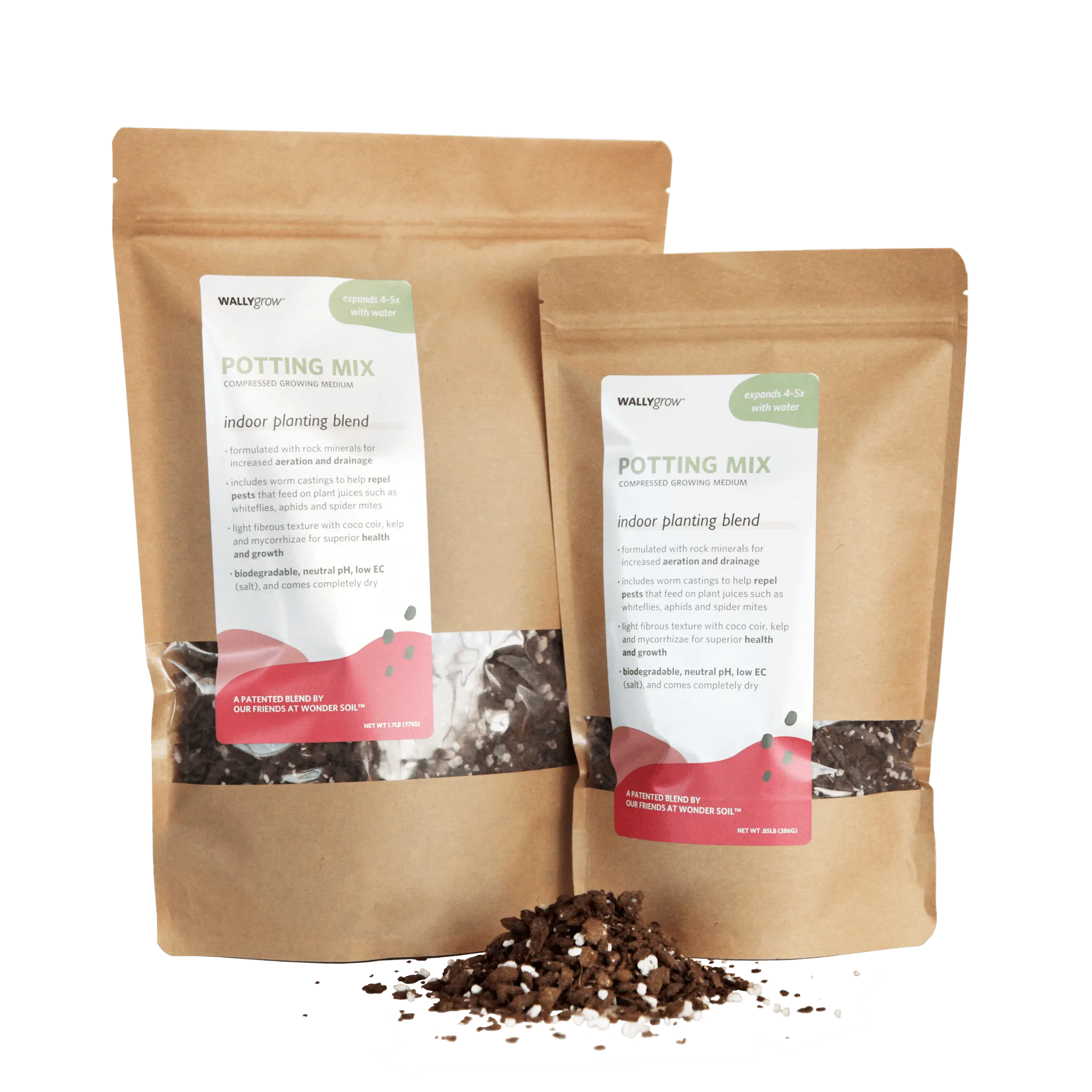
potting mix
To confirm you have fungus gnats, look for adult flies crawling on the soil or flying in a zigzag pattern. You may also see small, shiny black eggs on the soil surface. A simple test is to place a slice of raw potato on the soil; if larvae are present, they will migrate to the potato within a few hours. Early detection is key to preventing a full-blown infestation.
- Adult gnats are weak fliers and often stay close to the soil.
- Larvae are translucent with black heads, about 1/4 inch long.
- Yellowing leaves or stunted growth can indicate root damage from larvae.
Why Fungus Gnats Appear: Common Causes
Overwatering is the number one cause of fungus gnat infestations. Fungus gnats thrive in consistently damp soil, especially when pots lack proper drainage. Using soil that retains too much moisture, such as heavy garden soil or unamended potting mix, also creates an ideal breeding ground. Additionally, bringing home new plants that are already infested can introduce gnats to your collection.
Another common cause is leaving dead leaves or plant debris on the soil surface. Decaying organic matter provides food for larvae. Poor air circulation and high humidity around your plants further encourage gnat activity. By addressing these factors, you can significantly reduce the risk of an infestation.
- Allow the top two inches of soil to dry out between waterings.
- Use well-draining potting mix with perlite or coarse sand.
- Remove dead leaves and debris from the soil surface regularly.
Natural Prevention Methods for Healthy Plants
Preventing fungus gnats starts with smart watering habits. Water your plants only when the top layer of soil feels dry to the touch. Consider using a moisture meter to avoid guesswork. Bottom watering can also help, as it keeps the topsoil drier. Adding a layer of sand or fine gravel on top of the soil creates a barrier that discourages adult gnats from laying eggs.
Improve air circulation around your plants by spacing them out and using a small fan if needed. Quarantine new plants for at least two weeks before introducing them to your collection. Regularly inspect your plants for signs of pests. For an extra layer of protection, consider using sticky traps to monitor and reduce adult populations.
- Bottom water your plants to keep the soil surface dry.
- Use a 1/2-inch layer of horticultural sand or gravel on top of the soil.
- Quarantine new plants for 2 weeks to prevent introducing pests.
Step-by-Step Elimination: Natural and Chemical-Free Solutions
If you already have fungus gnats, start by placing yellow sticky traps near the soil surface to catch adult flies. These traps are highly effective at reducing the population and monitoring progress. Next, allow the soil to dry out more than usual between waterings. For severe infestations, replace the top two inches of soil with fresh, dry potting mix.
A natural remedy is to use a diluted hydrogen peroxide solution (1 part 3% hydrogen peroxide to 4 parts water) to water your plants. This kills larvae on contact without harming your plants. Another option is to apply Bacillus thuringiensis israelensis (Bti), a natural bacterium that targets gnat larvae. You can also sprinkle cinnamon powder on the soil surface; its antifungal properties help deter gnats.
- Yellow sticky traps are non-toxic and catch adult gnats effectively.
- Hydrogen peroxide solution kills larvae and aerates the soil.
- Bti is available in granular or liquid form and is safe for pets and people.
Using Sticky Traps and Other Tools for Ongoing Control
Sticky traps are an essential tool in your pest control arsenal. Place them horizontally on the soil surface or vertically near your plants to catch adult gnats. Replace them every few weeks or when they become covered. For a more comprehensive approach, combine sticky traps with soil treatments like Bti or neem oil drenches.
You can also use a simple DIY trap: fill a shallow dish with apple cider vinegar and a drop of dish soap. The gnats are attracted to the vinegar and drown in the soapy mixture. While this helps reduce adults, it does not address larvae in the soil. For best results, use multiple methods simultaneously. Remember to stay consistent with your watering routine to prevent reinfestation.
- Place sticky traps immediately after repotting or bringing new plants home.
- Change DIY vinegar traps every 3-4 days for best results.
- Combine traps with soil drying to break the gnat life cycle.
Long-Term Prevention: Maintaining a Gnat-Free Indoor Garden
Once you have eliminated fungus gnats, maintaining good habits is crucial. Stick to a watering schedule that allows the soil to dry out between waterings. Use well-draining pots with drainage holes and avoid letting water sit in saucers. Regularly inspect your plants for any signs of returning pests.
Consider adding beneficial nematodes to your soil as a biological control. These microscopic organisms prey on gnat larvae and provide long-term protection. Also, keep your plant area clean by wiping down pots and removing fallen leaves. With consistent care, you can enjoy a thriving indoor garden without the annoyance of fungus gnats.
- Beneficial nematodes are available online and are safe for all plants.
- Clean pots and tools with a diluted bleach solution to kill eggs.
- Monitor humidity levels and use a dehumidifier if needed.
Fungus gnats don't have to ruin your indoor gardening experience. By following the prevention and elimination steps outlined above, you can keep your plants healthy and pest-free. For a quick and effective monitoring tool, consider adding a set of yellow sticky traps to your plant care routine. They are easy to use and help you catch infestations early. Explore the plant care accessories at WallyGro to find everything you need for a thriving indoor garden.