Walking down the pet food aisle can feel overwhelming. With dozens of brands, flashy marketing claims, and ingredient lists that read like a science experiment, it is easy to feel lost. But understanding what is actually inside your cat's food is one of the most important steps you can take for their long-term health. Cats are obligate carnivores, meaning their bodies are designed to thrive on animal-based proteins and fats. That is why learning how to read a cat food ingredient list is essential for every pet owner.
This guide will break down the anatomy of a cat food label, explain what each section means, and give you the confidence to choose foods that support your cat's vitality. Whether you are a new cat parent or a seasoned pro, knowing how to read a cat food label will help you make informed decisions every time you shop.
Why Ingredient Lists Matter for Cats
Cats have unique nutritional requirements that differ significantly from dogs or humans. They need high levels of animal protein, specific amino acids like taurine, and certain fatty acids that are only found in animal tissues. A cat food ingredient list is your window into whether a product meets those needs. Ingredients are listed in descending order by weight, so the first few items tell you the bulk of what is in the bag or can.
Many commercial cat foods rely on fillers like corn, wheat, or soy to add bulk cheaply. While these are not toxic, they provide little nutritional value for a carnivore. By learning to spot high-quality protein sources and avoid unnecessary additives, you can dramatically improve your cat's diet. For example, a food that lists a named meat like chicken or salmon as the first ingredient is generally a better choice than one that starts with a grain or by-product meal.
- Look for whole, named proteins as the first ingredient (e.g., chicken, salmon, turkey).
- Avoid generic terms like 'meat meal' or 'poultry by-product' which can come from unknown sources.
Decoding the Guaranteed Analysis
The guaranteed analysis is a required section on every pet food label. It shows minimum percentages of crude protein and fat, and maximum percentages of fiber and moisture. For cats, look for a protein content of at least 30-40% on a dry matter basis and a fat content around 15-20%. These numbers reflect the food's ability to support muscle maintenance and energy levels.
Keep in mind that wet food has higher moisture (often 75-80%), so the guaranteed analysis looks different than dry kibble. To compare apples to apples, convert the values to dry matter basis by removing moisture. A simple formula is: (nutrient percentage) / (100% - moisture percentage) x 100. This gives you a true picture of the nutrient density. Many premium brands, including those at Open Farm, provide high-quality guaranteed analyses that align with feline nutritional needs.
- Crude protein should be the highest number after moisture is removed.
- Crude fat provides energy and supports skin and coat health.
- Fiber should be moderate (2-5% dry matter) for healthy digestion.
Key Ingredients to Look For
When scanning a cat food ingredient list, prioritize animal-based proteins. Whole meats like chicken, turkey, fish, or lamb are excellent. Meat meals (e.g., chicken meal) are concentrated protein sources because water has been removed. They are perfectly fine as long as the source is named. For example, 'salmon meal' is better than 'fish meal' because you know exactly what species is used.
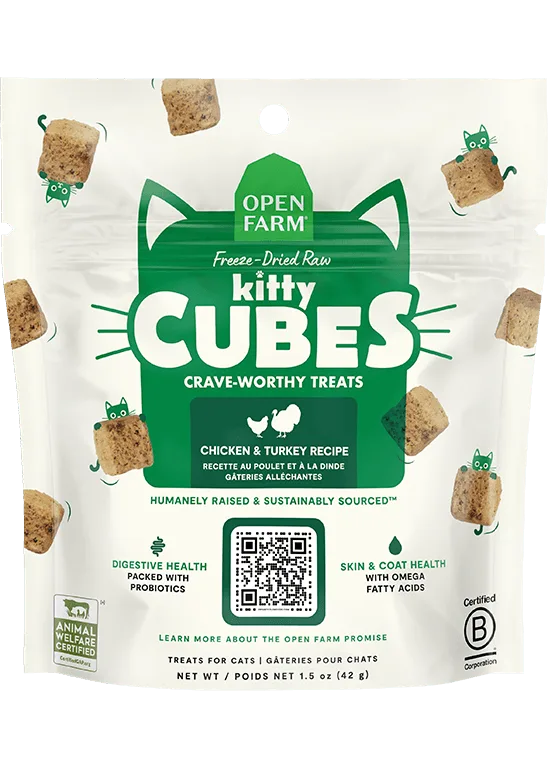
Healthy fats like chicken fat or salmon oil provide essential fatty acids, including omega-3s that support brain function and a shiny coat. Carbohydrates should come from digestible sources like sweet potatoes, peas, or lentils rather than corn or wheat. Some cat foods also include beneficial supplements like probiotics, taurine, and vitamins. For instance, the Chicken & Turkey Kitty Cube Treats are a great example of a simple, high-protein treat that aligns with a cat's natural diet.
- Named protein sources (chicken, salmon, turkey) are ideal.
- Avoid artificial colors, flavors, and preservatives like BHA, BHT, or ethoxyquin.
- Look for added taurine, an essential amino acid for heart and eye health.
Red Flags on Cat Food Labels
Not all cat food labels are created equal. Some marketing terms can be misleading. For example, 'natural' is not strictly regulated and can appear on foods with questionable ingredients. 'Grain-free' is popular but not necessarily healthier for all cats unless they have a specific allergy. More importantly, avoid foods that list 'by-product' or 'meat meal' without specifying the animal source. These can include parts like beaks, feet, or feathers.
Also watch for excessive carbohydrate content. Cats have no dietary requirement for carbs, and high-carb diets can contribute to obesity and diabetes. If the ingredient list includes multiple grains or starches in the top five ingredients, consider a different option. The Picky Pets Bundle is a curated selection that helps pet owners avoid these pitfalls by offering nutritionally balanced choices for finicky felines.
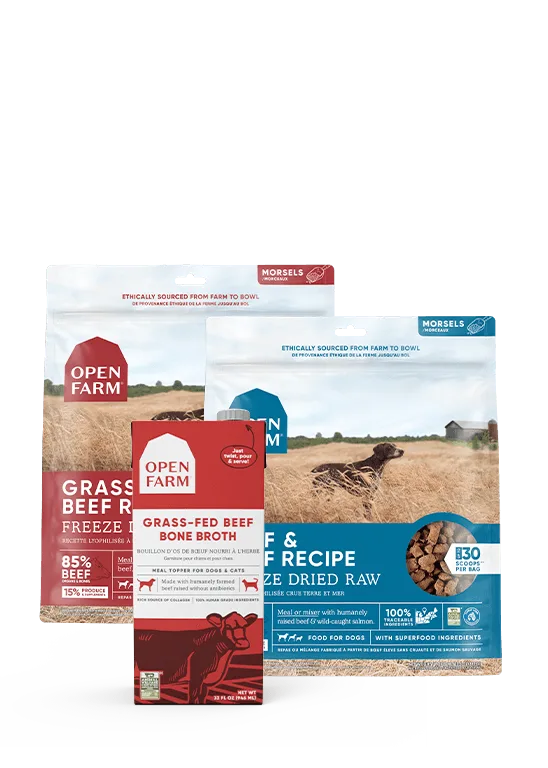
Picky Pets Bundle
- Steer clear of vague protein sources like 'animal digest' or 'poultry by-product meal'.
- Check for added sugars or sweeteners, which are unnecessary for cats.
- Be cautious of long lists of artificial additives.
How to Use the Ingredient List When Shopping
Armed with knowledge, you can now confidently pick up a bag or can of cat food and evaluate it in under a minute. Start by reading the first five ingredients. If at least two or three are named animal proteins, that is a good sign. Next, check the guaranteed analysis to ensure protein and fat levels are appropriate. Finally, scan for any red flags like artificial preservatives or unnamed by-products.
Remember that no single ingredient defines a food's quality; the overall balance matters. Brands like Open Farm provide transparent ingredient lists and source their proteins responsibly. For example, the Goodbowl Harvest Chicken Freshly Crafted Roll for Dogs is a great reference for how a high-quality pet food label should look, though it is designed for dogs. The same principles apply to cat food: clear labeling, named proteins, and minimal fillers.
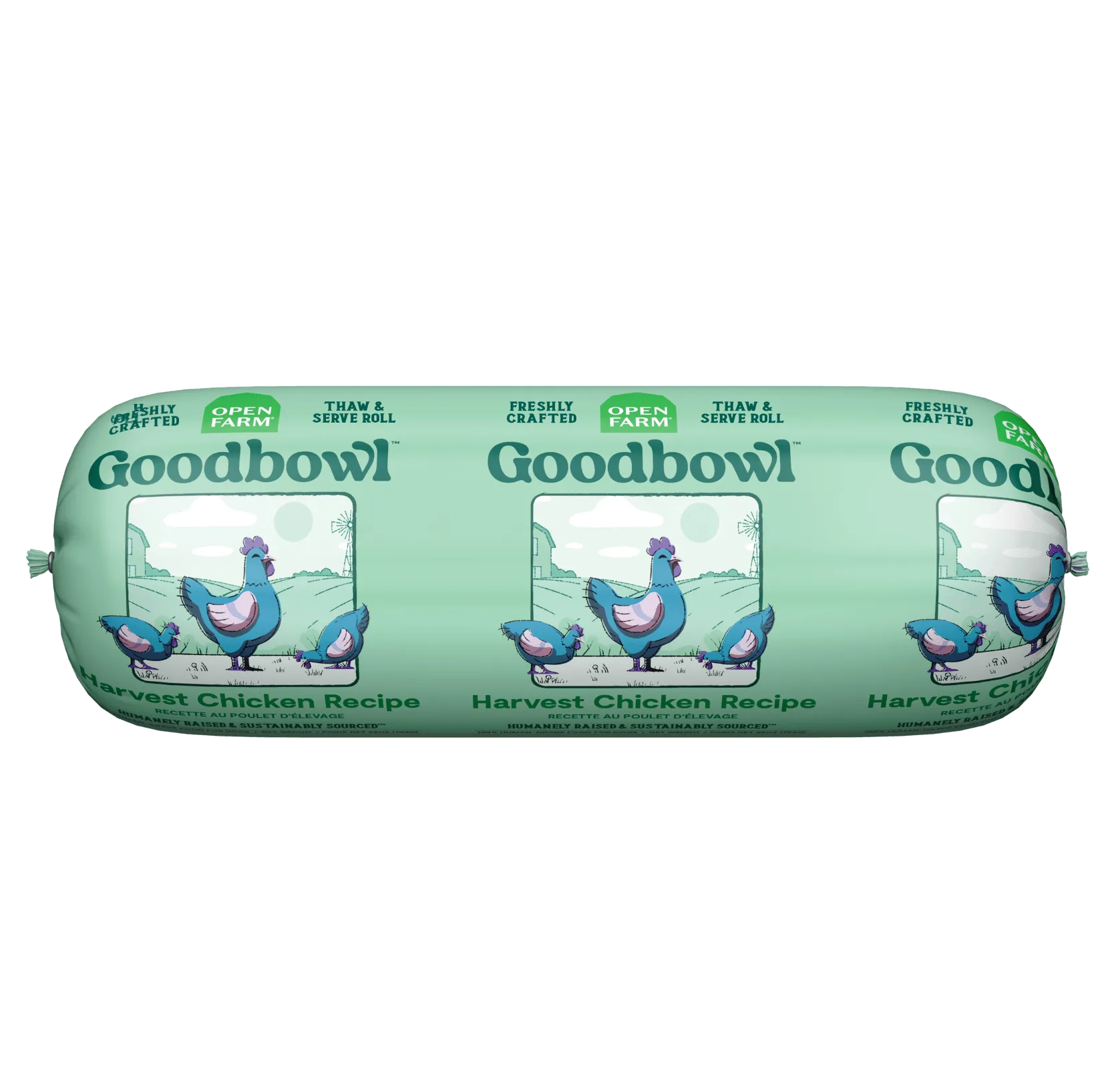
Goodbowl Harvest Chicken Freshly Crafted Roll for Dogs
- Prioritize whole foods over processed ingredients.
- Look for brands that disclose sourcing and manufacturing practices.
- Use online resources or brand websites to verify claims.
Reading a cat food ingredient list does not have to be intimidating. By focusing on named animal proteins, appropriate fat levels, and avoiding unnecessary fillers, you can choose a diet that supports your cat's health and happiness. Start by exploring high-quality options like the Chicken & Turkey Kitty Cube Treats to see how simple, wholesome ingredients can make a difference in your cat's life.