Walking down the breakfast aisle, you’re faced with dozens of oatmeal boxes, each promising health, energy, and delicious taste. But how do you separate genuinely nutritious options from those loaded with added sugar and empty calories? The answer lies in learning how to read oatmeal nutrition labels effectively.
Understanding what to look for in superfood ingredients can transform your morning bowl from a simple carb source into a powerhouse of fiber, protein, antioxidants, and essential nutrients. Whether you prefer instant cups or stovetop bags, this guide will help you decode labels and make smarter choices for your health.
Start with the Serving Size and Calories
The first thing to check on any oatmeal nutrition label is the serving size. Many packages list a small serving (like 1/2 cup dry oats) but you might eat more. Compare calories per serving to your daily needs. For a filling breakfast, aim for 150–250 calories from oatmeal itself, then add toppings like fruit or nuts.
Also watch for servings per container. A bag that looks like one meal might actually contain two or three servings. This is especially common with oatmeal cups—the listed nutrition facts often apply to the dry mix, not the prepared bowl. Always double-check before assuming the whole container is a single serving.
- Look for oatmeal with at least 3–5 grams of fiber per serving to support digestion and fullness.
- Choose options with less than 10 grams of added sugar; ideally under 5 grams for a plain base.
Spot Superfood Ingredients on the Label
Superfood ingredients are what elevate oatmeal from basic to extraordinary. On the ingredient list, look for items like chia seeds, flaxseeds, hemp hearts, quinoa, amaranth, or ancient grains. These add protein, omega-3s, and fiber. Berries (blueberries, raspberries) and nuts (almonds, walnuts) are also common superfood additions.
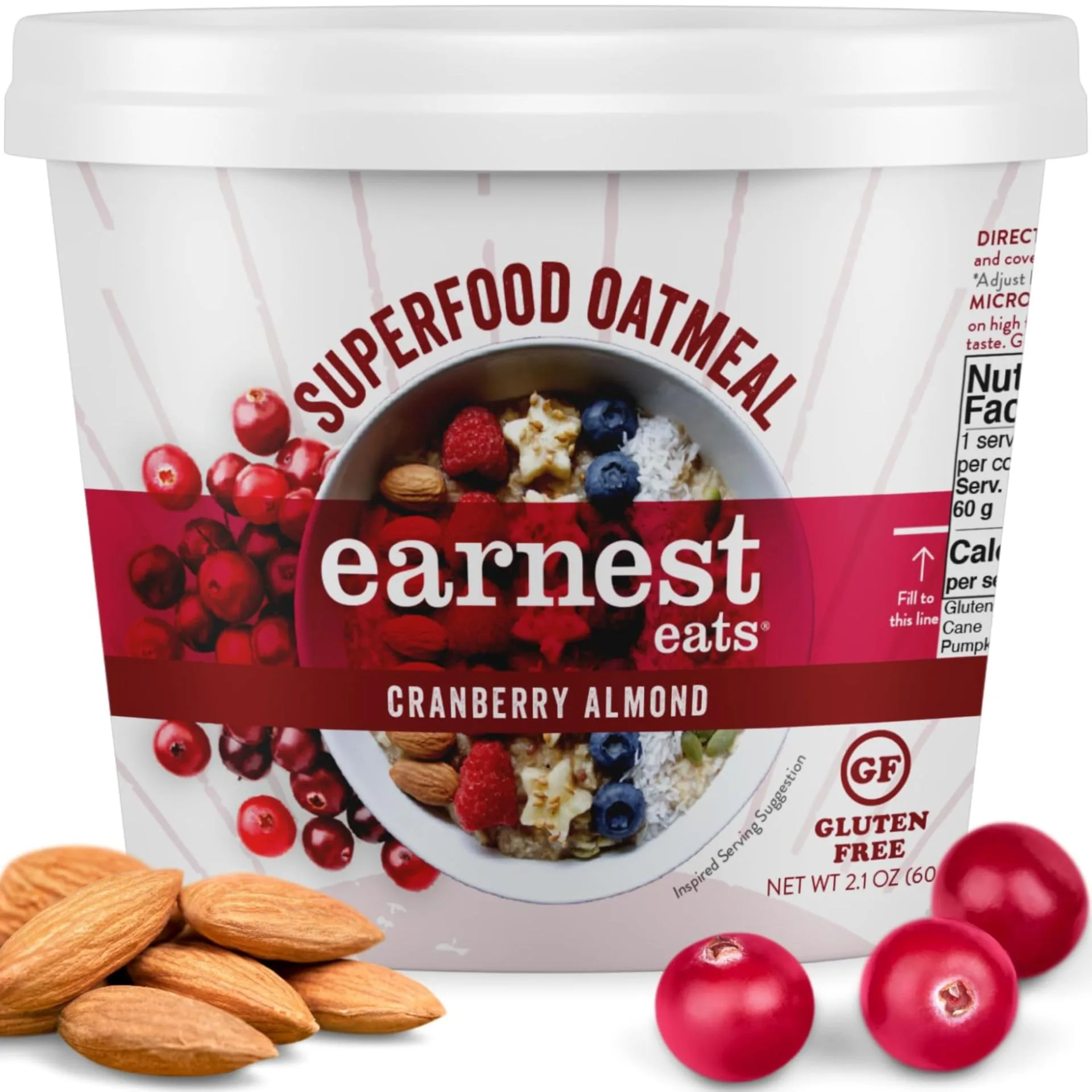
For example, the Cranberry Almond Superfood Oatmeal Cups combine tart cranberries with crunchy almonds and nutrient-dense oats. Similarly, the Blueberry Chia Superfood Oatmeal Bags pack antioxidant-rich blueberries and omega-3-loaded chia seeds into every serving. These ingredients not only boost nutrition but also add natural sweetness and texture.
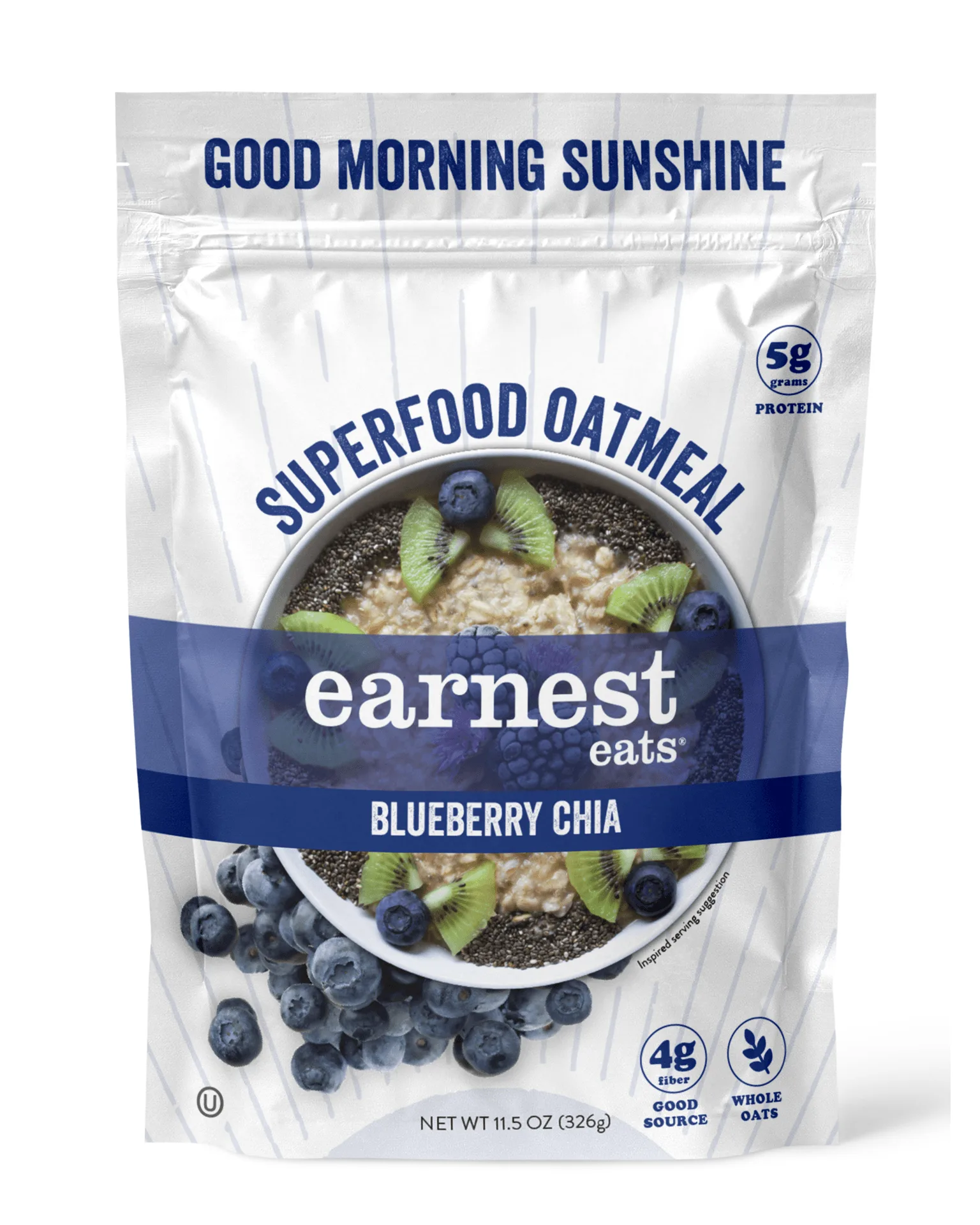
Blueberry Chia Superfood Oatmeal Bags
- Check that superfoods appear near the top of the ingredient list—not buried after sugar or fillers.
- Avoid labels that list "natural flavors" as a primary ingredient; real food should come first.
Decode Added Sugars and Sweeteners
Added sugar is one of the biggest pitfalls in flavored oatmeal. The nutrition label now clearly lists "Added Sugars" under Total Sugars. For a healthy breakfast, aim for less than 10 grams of added sugar per serving—ideally 5 grams or less. Watch out for hidden sweeteners like cane syrup, honey, agave, or fruit juice concentrate.
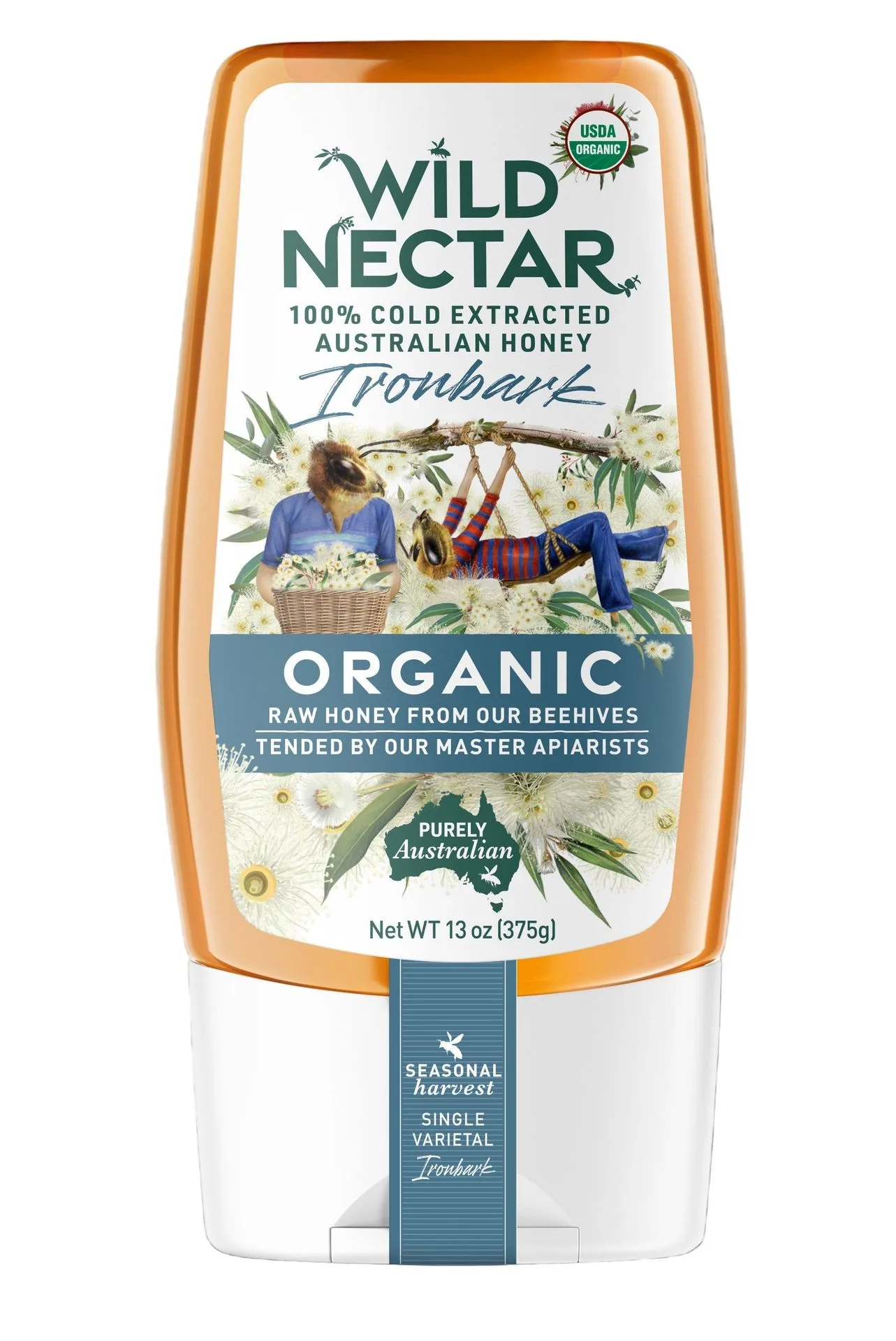
If you crave sweetness, consider adding your own natural sweetener, such as a drizzle of Wild Nectar Australian Organic Honey. This gives you control over how much sugar goes into your bowl. Some oatmeal brands use dried fruit as a sweetener—this can be a better choice, but check that fruit isn't coated in extra sugar.
- Compare flavored vs. plain oatmeal: plain often has 0–1g added sugar, while flavored can have 12–15g.
- Look for oatmeal sweetened with whole fruit or minimal added sweeteners for a cleaner option.
Fiber, Protein, and Whole Grains Matter
Fiber is oatmeal's superpower. Look for at least 3 grams of fiber per serving—ideally 5 grams or more. Whole grain oats should be the first ingredient. The label may say "100% whole grain oats" or "rolled oats." Avoid products where "enriched flour" or "wheat flour" appears before oats.
Protein content varies widely. Standard oatmeal has about 5 grams per serving, but adding superfood seeds or nuts can push it higher. The Blueberry Chia Superfood Oatmeal Cups, for instance, provide a solid protein boost from chia and oats. If you need more protein, top your bowl with Greek yogurt, a scoop of protein powder, or a handful of almonds.
- Check for the Whole Grains Council stamp—it guarantees at least 8g of whole grains per serving.
- Pair oatmeal with a protein source (nuts, seeds, or yogurt) to create a balanced, blood-sugar-friendly meal.
Watch Out for Sodium and Unhealthy Fats
Oatmeal is naturally low in sodium, but some instant varieties add salt for flavor. Aim for less than 150 mg of sodium per serving. Also check for unhealthy fats—partially hydrogenated oils or palm oil. Many flavored oatmeals contain added fats to improve texture, but these can be inflammatory.
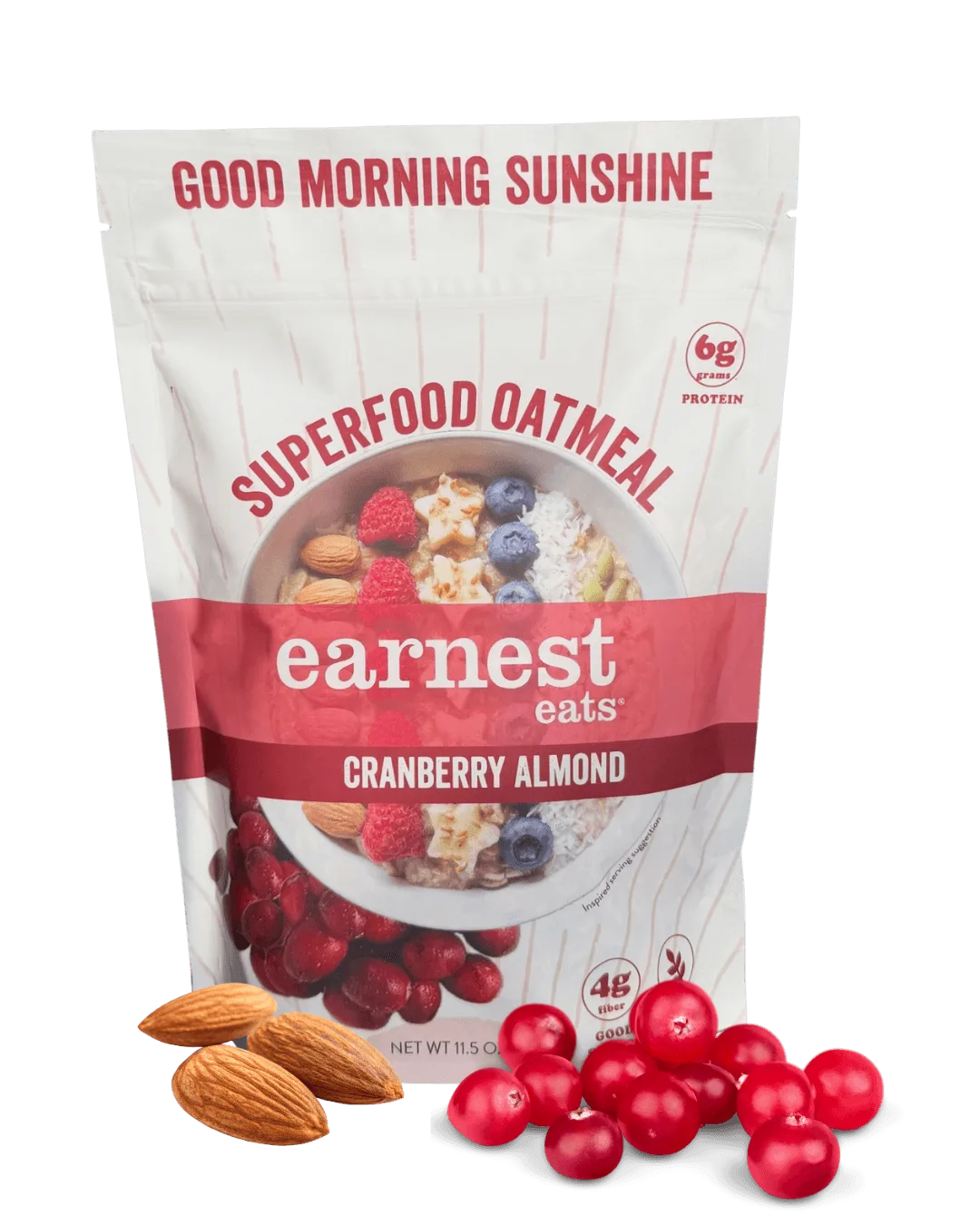
Instead, choose oatmeal with healthy fats from nuts, seeds, or coconut. The Cranberry Almond Superfood Oatmeal Bags deliver heart-healthy fats from almonds, plus fiber and antioxidants. Always scan the ingredient list for any hydrogenated oils, and opt for products with simple, recognizable ingredients.
- Avoid oatmeal with more than 1 gram of saturated fat per serving unless it comes from whole food sources.
- Look for "0g trans fat" on the label, and check the ingredients list for any partially hydrogenated oils.
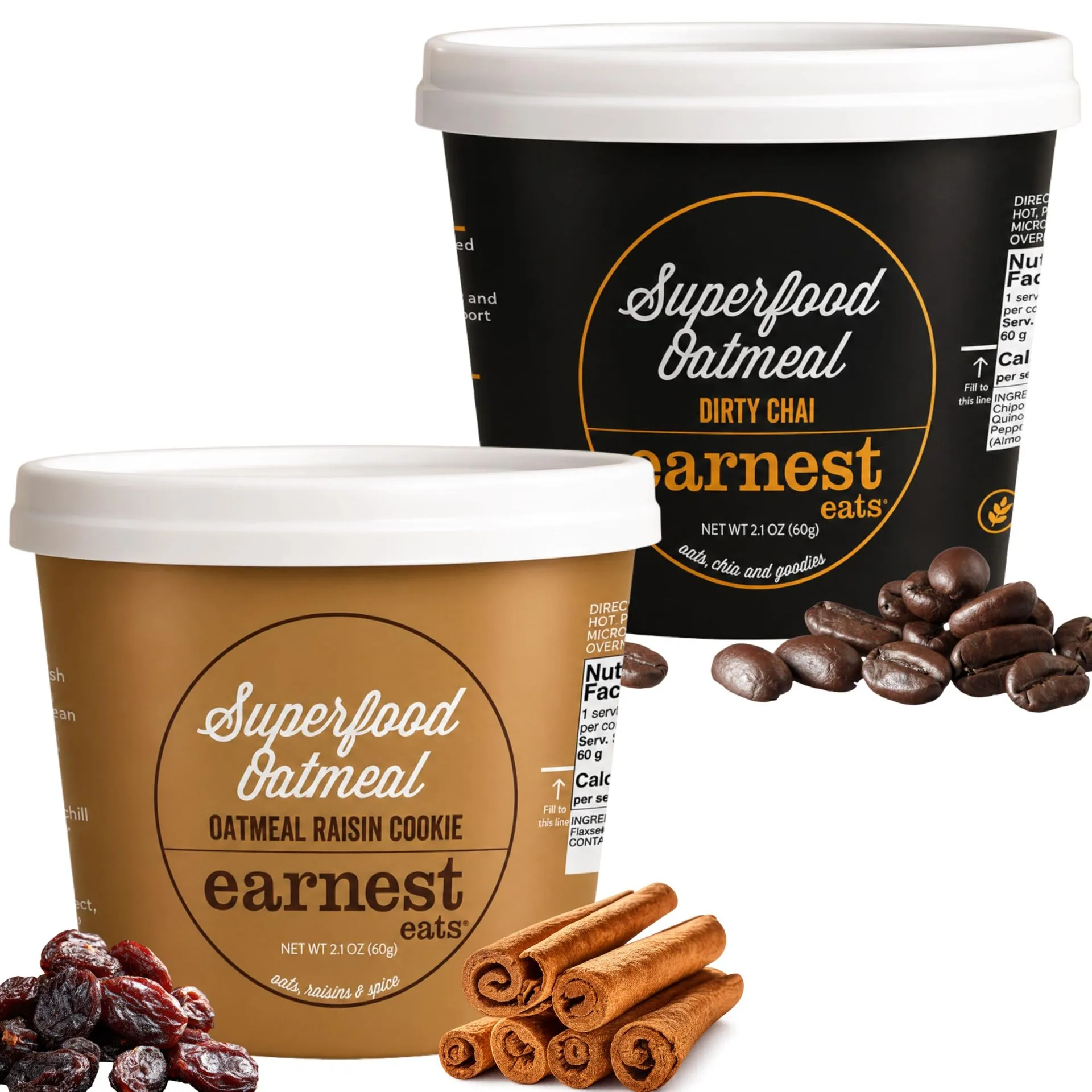
Mastering oatmeal nutrition labels empowers you to choose breakfasts that fuel your body with real, superfood ingredients. Start by focusing on fiber, protein, and added sugars, then look for nutrient-dense add-ins like chia, berries, and nuts. For a convenient and wholesome option, explore the Superfood Oatmeal Cups Breakfast Lovers Pack, which combines several of these superfood ingredients in one delicious variety pack.