If you love spicy noodles, you've probably noticed numbers like "500 SHU" or "1,200 SHU" on packaging. These are Scoville ratings, but what do they actually tell you about the heat? Understanding the Scoville scale can help you choose noodles that match your spice tolerance, avoid unpleasant surprises, and even discover new favorite flavors.
In this guide, we'll break down how Scoville units work, what different ratings mean for noodle dishes, and how to read labels like a pro. Whether you're a mild-mannered noodle lover or a heat-seeking chili head, knowing the scale will transform your shopping experience.
What Is the Scoville Scale? A Quick Primer
The Scoville scale measures the pungency (spiciness) of chili peppers and foods containing them. It was invented by pharmacist Wilbur Scoville in 1912. The scale assigns a number of Scoville Heat Units (SHU) based on the concentration of capsaicin, the compound that creates the burning sensation. Pure capsaicin sits at 16,000,000 SHU, while a bell pepper is 0 SHU.
For noodle products, you'll typically see SHU values ranging from 100 (very mild) up to 10,000 or more for extreme heat. The rating on the package reflects the total heat contributed by all chili ingredients in the sauce or seasoning. Brands like A-Sha Noodles often print SHU on their spicy varieties to help customers gauge intensity.
- Tip: Compare SHU across different noodle brands to find your sweet spot. A 1,000 SHU noodle is generally mild, while 5,000+ is noticeably hot.
How to Read Scoville Ratings on Noodle Packages
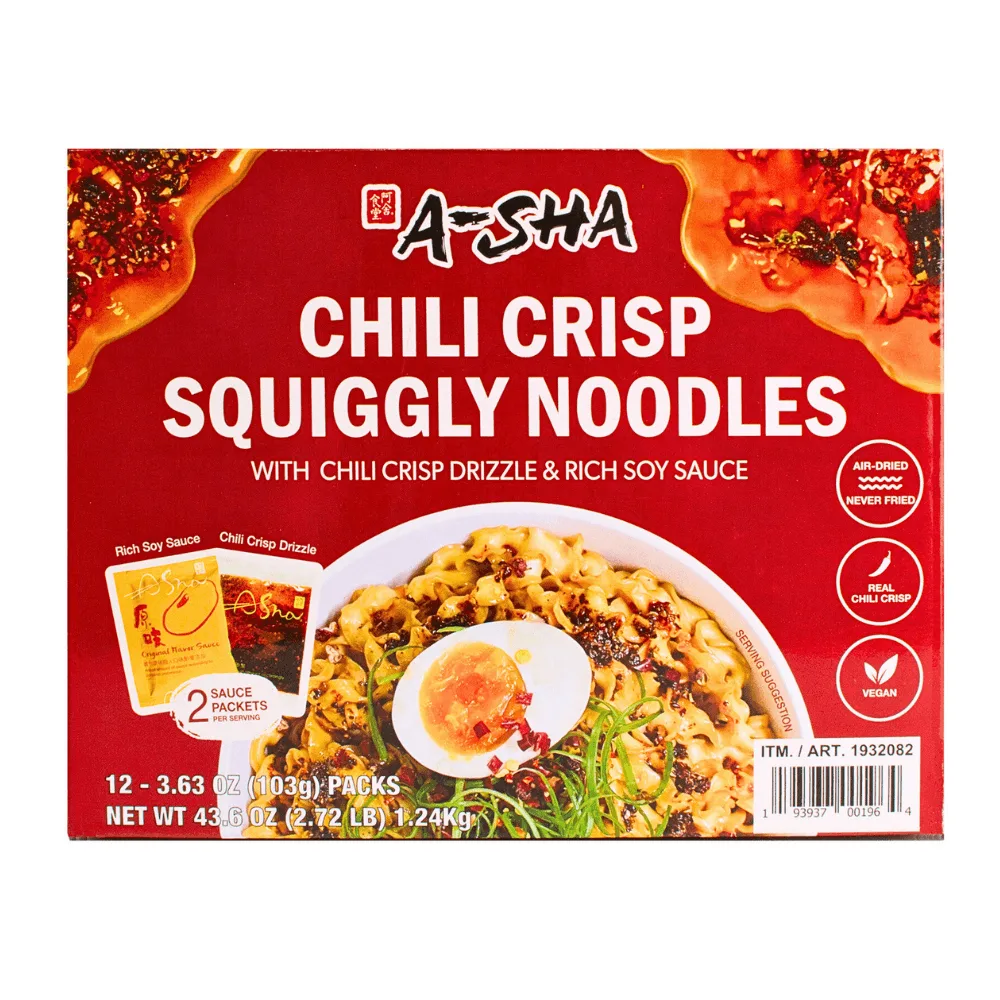
When you pick up a spicy noodle pack, look for the SHU number usually near the ingredient list or on the front label. Some brands use a simple pepper icon scale (1 to 5 flames) alongside the SHU. For example, A-Sha Meteor Noodles with Dan Dan Sauce might show a moderate SHU, while their Chili Crisp Squiggly Noodle could be higher. The key is to understand that SHU is not the same as "heat level" on a 1-10 scale—it's a scientific measurement.
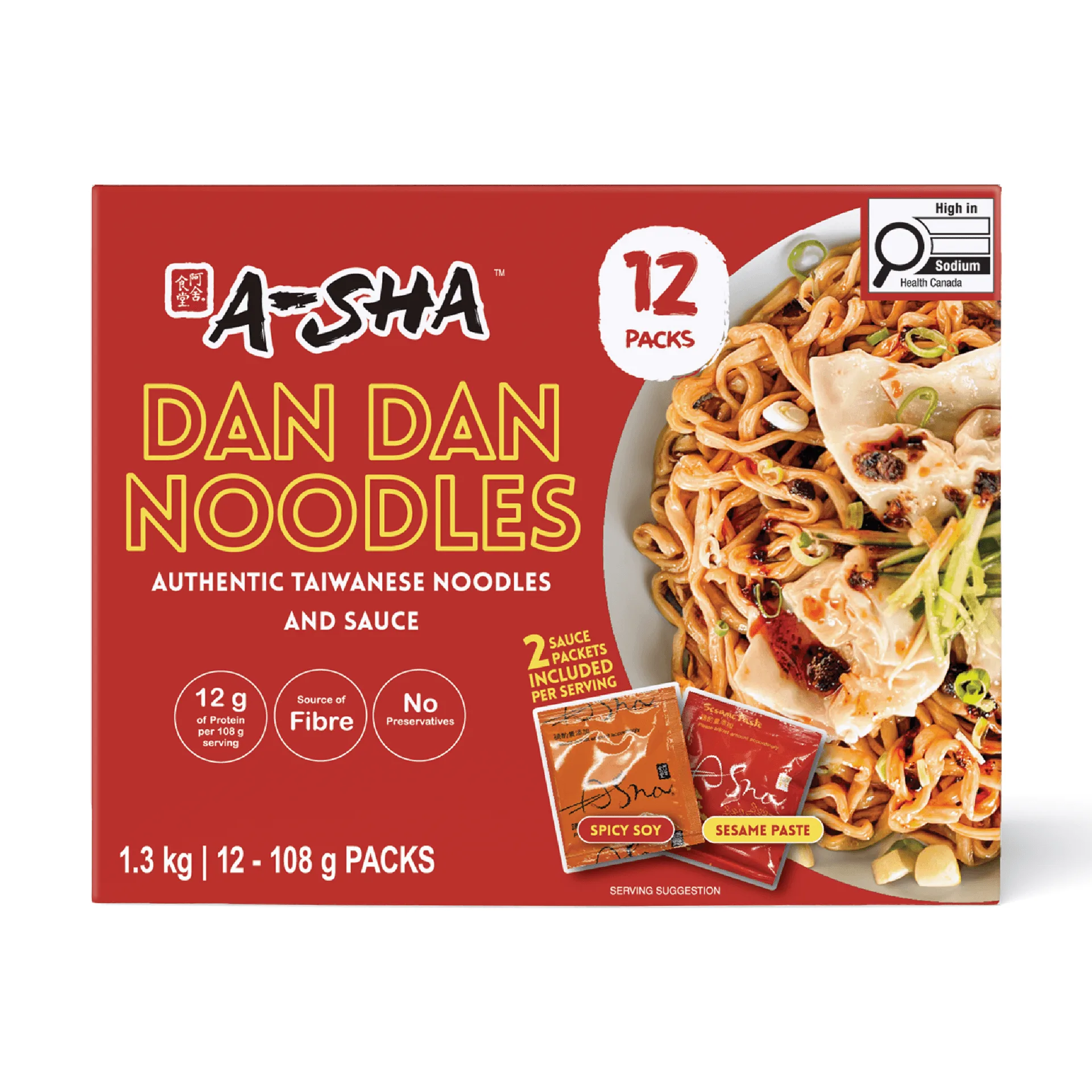
A-Sha Meteor Noodles with Dan Dan Sauce
Don't confuse SHU with the amount of chili powder or extract. A noodle with 1,500 SHU from natural chili flakes will taste different from one with 1,500 SHU from capsaicin extract. The former offers a more rounded flavor with some fruitiness, while the latter can taste sharp and one-dimensional. Always check the ingredient list to see what type of chili is used.
- Look for SHU on the nutrition panel or near the flavor description.
- If no SHU is listed, check the pepper icon scale or flavor notes like "medium hot."
- Remember: higher SHU doesn't always mean better flavor—balance is key.
Common Scoville Ranges for Spicy Noodles and What They Feel Like
To make sense of SHU, here's a practical breakdown of what different ranges feel like when eating noodles. Mild noodles (0–1,000 SHU) offer a gentle warmth without sweat or tears. Think of a light chili oil. Medium heat (1,000–3,000 SHU) brings a noticeable kick that builds slowly, like a spicy stir-fry. Hot noodles (3,000–8,000 SHU) will make your nose run and your mouth tingle—perfect for thrill-seekers.
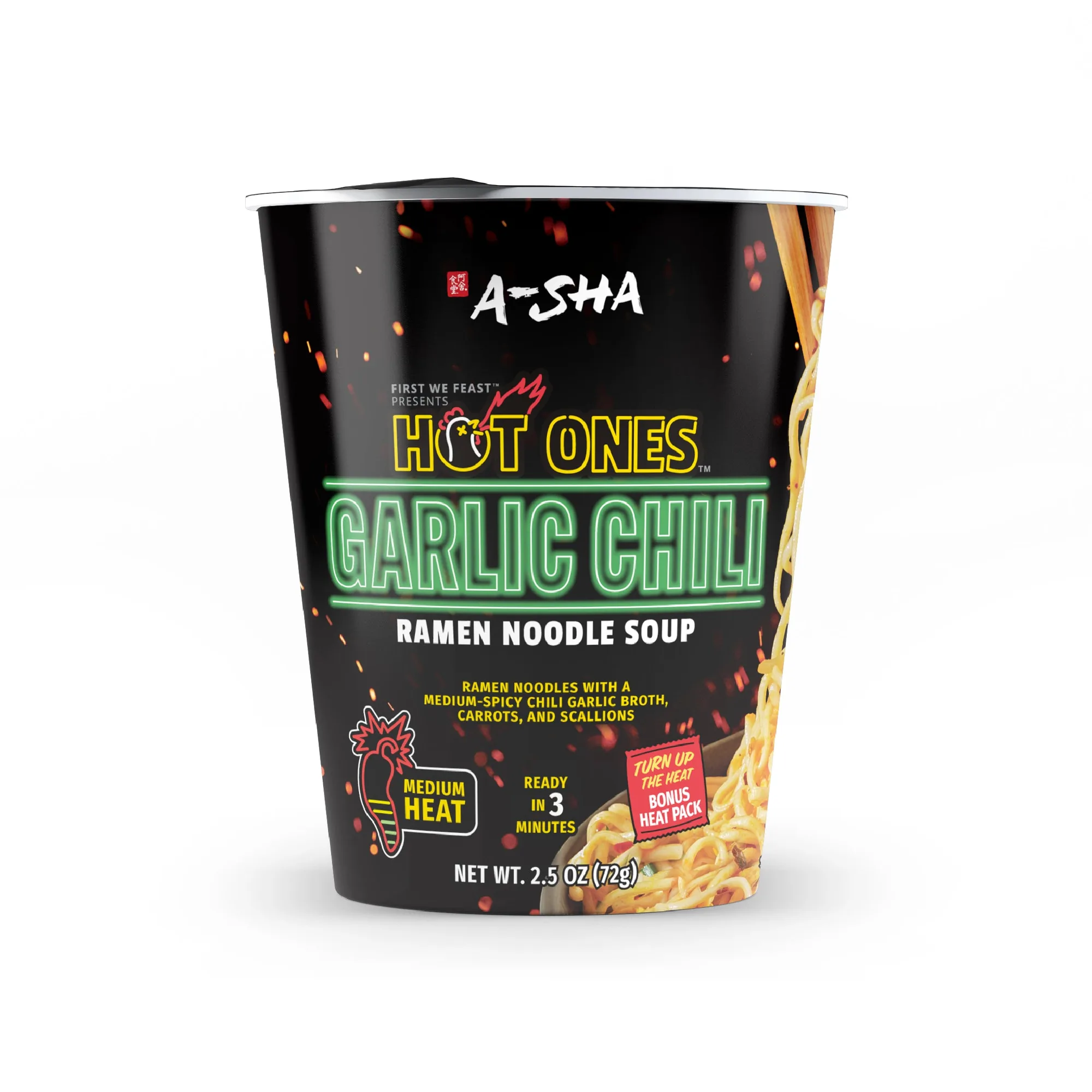
Extreme heat (8,000–15,000 SHU) is for seasoned chili heads only. These noodles can cause sweating, hiccups, and a strong endorphin rush. Products like A-Sha x Hot Ones Sweet Chili Noodles or A-Sha Chili Crisp Squiggly Noodle often fall into the medium to hot range, offering a flavorful burn that doesn't overwhelm. Always start lower if you're unsure.
- 0–1,000 SHU: Mild (warm, no pain)
- 1,000–3,000 SHU: Medium (noticeable kick)
- 3,000–8,000 SHU: Hot (sweating, runny nose)
- 8,000–15,000 SHU: Extreme (for experts only)
Factors That Affect Perceived Heat in Noodles
The SHU on the package isn't the only thing that determines how hot the noodles taste. The amount of liquid, the presence of fat (like oil or cream), and even the temperature of the dish can change the burn. Broth-based noodles dilute the capsaicin, making them feel milder than dry stir-fried noodles with the same SHU. Adding milk, yogurt, or coconut milk can tame the heat significantly.
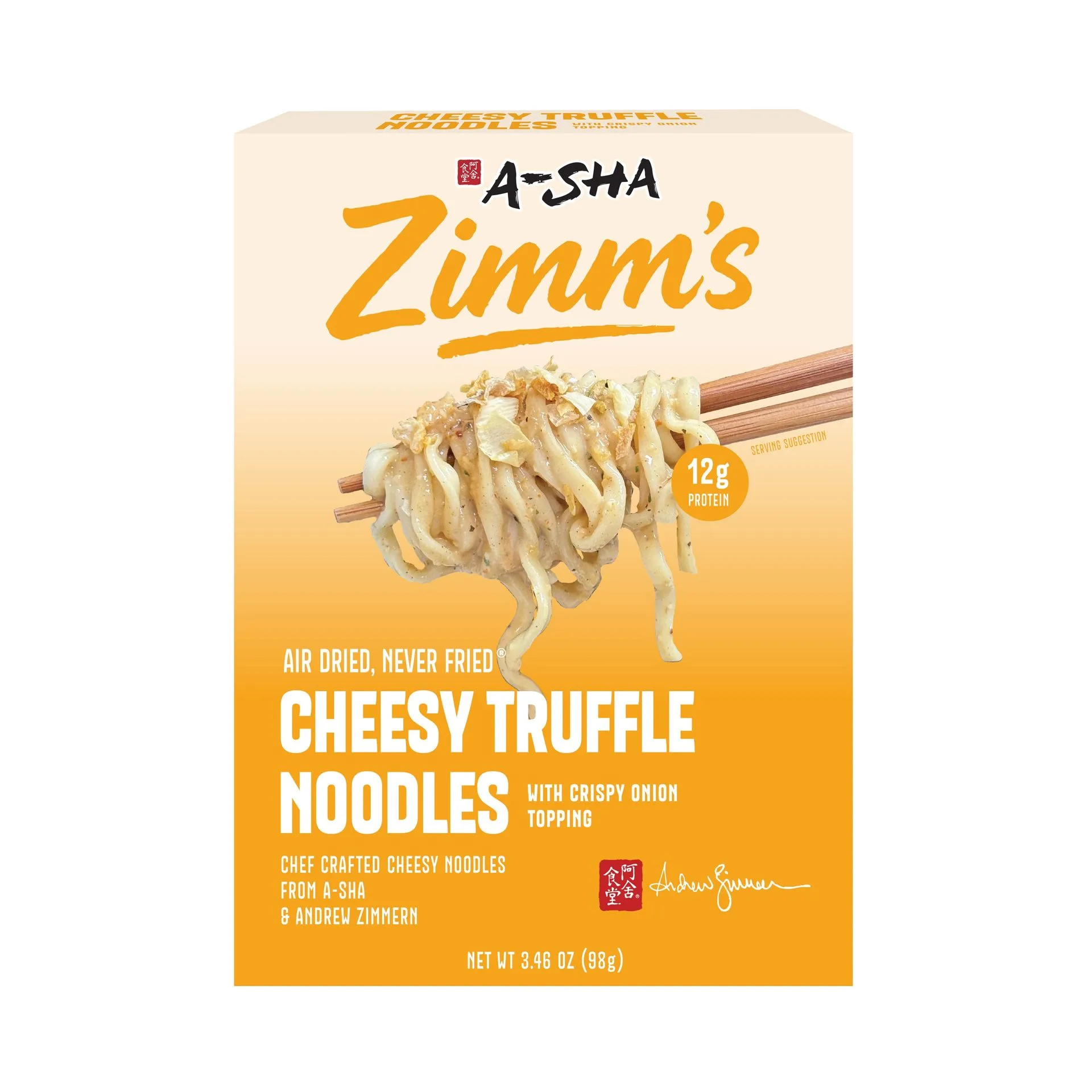
Also, your personal tolerance matters. Some people can handle 5,000 SHU easily, while others struggle with 500. The same noodle can taste different depending on whether you eat it on an empty stomach or after a meal. If you're trying a new spicy noodle like A-Sha Zimm's Vermont Cheddar Noodles (which is mild), you can safely start there and work your way up.
- Tip: To reduce heat, add a squeeze of lime or a dollop of sour cream to your bowl.
- Tip: Eat spicy noodles with a side of plain rice or bread to absorb capsaicin.
How to Choose the Right Spicy Noodle Based on Scoville
Start by assessing your own spice tolerance. If you enjoy mild salsa, stick with noodles under 1,000 SHU. If you regularly eat jalapeños, try 1,000–3,000 SHU. For those who love habanero-level heat, 3,000–8,000 SHU is your zone. Don't jump straight to 10,000+ unless you've tried similar heat before. Many noodle brands offer sample packs or variety bundles like The Signature Noodles Collection, which lets you test different heat levels without committing to a full box.
Also consider the flavor profile. A high SHU noodle can still be enjoyable if the chili is balanced with sweetness, acidity, or umami. For example, a sweet chili noodle might have a moderate SHU but taste less intense because of sugar. Read reviews and look for phrases like "smoky heat" or "lingering burn" to get a sense of the experience.
- Beginner: Try A-Sha Meteor Noodles with Dan Dan Sauce (mild to medium).
- Intermediate: Go for A-Sha Chili Crisp Squiggly Noodle (medium to hot).
- Advanced: Challenge yourself with a high-SHU variety from the Hot Ones line.
Understanding Scoville ratings takes the guesswork out of buying spicy noodles. Next time you're shopping, glance at the SHU and match it to your mood. For a balanced introduction to spicy noodles, explore the A-Sha Chili Crisp Squiggly Noodle—it offers a flavorful medium heat that's perfect for building your tolerance.