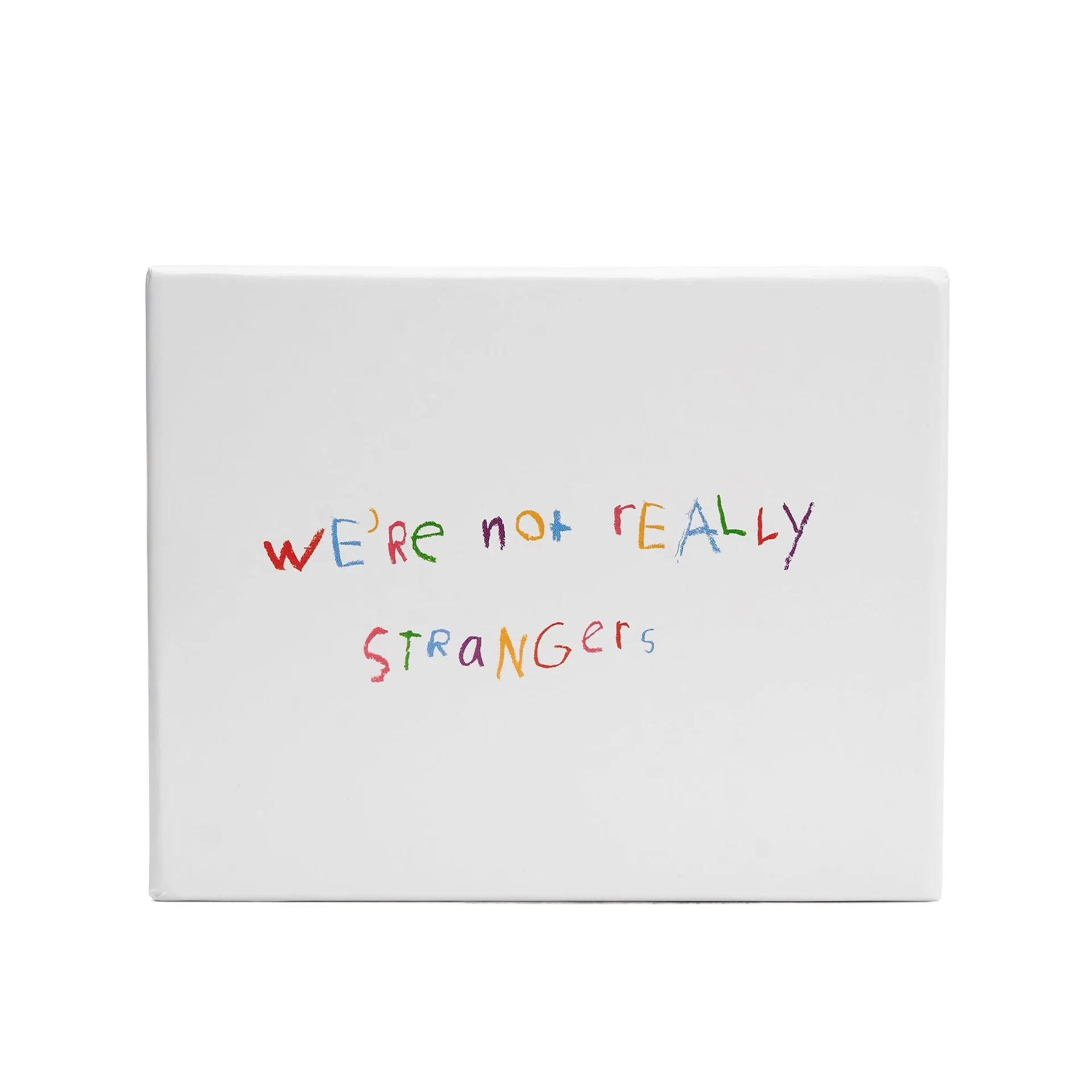
In a world where digital interactions often replace face-to-face connection, starting a conversation card club can be a powerful way to build genuine community. Whether you're looking to deepen friendships, spark meaningful dialogue, or simply create a regular gathering that everyone looks forward to, a card club centered around conversation cards offers a structured yet flexible format for authentic connection.
Conversation card games like those from We're Not Really Strangers are designed to move beyond small talk and into the territory of real vulnerability and understanding. By forming a club, you create a safe space where participants can explore questions they might never ask in casual conversation. This guide will walk you through every step—from recruiting members to choosing the right card deck—so you can launch a club that transforms your social circle.
Step 1: Define Your Club's Purpose and Audience
Before you invite anyone, clarify why you want to start this club. Is it to strengthen existing friendships? To meet new people in your neighborhood? To provide a regular emotional check-in for a group of like-minded individuals? Your purpose will shape everything from the frequency of meetings to the types of cards you use. For example, a club focused on deep self-reflection might benefit from a deck like the Will You Cards, which asks powerful questions about commitment and intention.

Will You Cards
Next, decide who you want to invite. A small group of 4–8 people works best for intimate conversations. You can start with close friends and ask them to bring one or two others, or you can post in local community groups. Be clear about the club's focus—whether it's personal growth, relationship building, or simply a fun way to spend an evening—so potential members know what to expect.
- Write a one-sentence mission for your club (e.g., 'A monthly gathering to explore deep questions and build trust').
- Consider a mix of introverts and extroverts for balanced conversation dynamics.
Step 2: Choose the Right Conversation Card Deck
The heart of your club is the card deck you use. We're Not Really Strangers offers several themed decks that cater to different group dynamics and goals. For a general club focused on building connections from scratch, the Original Edition is a classic choice. If your group is more established and ready for deeper vulnerability, the Couples Edition (which also works for close friends) can unlock powerful conversations.

Couples Edition
You might also rotate decks to keep things fresh. The expansion packs add variety, and you can even let members vote on which deck to use each session. Having a dedicated deck that everyone looks forward to using creates a sense of ritual and anticipation.
- Start with one core deck and add expansion packs as the club grows.
- Consider the 'All In Bundle' for a comprehensive set that covers multiple relationship stages.
Step 3: Set a Regular Schedule and Venue
Consistency is key to building a thriving club. Choose a recurring day and time—such as the first Friday of every month at 7 PM—and stick to it. This makes it easy for members to plan ahead and prioritizes the gathering. Decide on a venue: rotate homes among members, meet at a quiet café, or host virtually via video call if your group is spread out.
If meeting in person, create a cozy atmosphere with soft lighting, comfortable seating, and perhaps some snacks or tea. A relaxed environment encourages openness. For virtual meetings, encourage cameras on and minimize distractions. The goal is to make the space feel safe and welcoming, so everyone can focus on the conversation.
- Send a recurring calendar invite with a reminder 24 hours before each meeting.
- Keep sessions to 60–90 minutes to maintain energy and depth without fatigue.
Step 4: Establish Ground Rules for Safe Sharing
Deep conversations require trust. At your first meeting, collectively establish a few simple guidelines. For example, what's shared in the club stays in the club. No interrupting or judging responses. Everyone has the right to pass on a question without explanation. These rules create a container where vulnerability feels safe.
You can also decide on a signal—like a gentle hand raise or a pause—if someone needs a moment. The facilitator (which can rotate each session) should gently guide the flow, ensuring everyone has a chance to speak. Remember, the goal is connection, not pressure. Some of the most powerful moments come from silence and reflection.
- Write the ground rules on a card or poster to display at each meeting.
- Start each session with a brief check-in to help everyone arrive fully present.
Step 5: Structure Your Meeting Flow
A typical conversation card club meeting can follow a simple arc. Begin with a warm-up round: each person shares one word describing their current emotional state. Then, draw cards from the deck one at a time. One person reads the question aloud, and everyone takes a turn answering. You can go around the circle or let people answer in any order.
After several rounds, take a short break to reset. Then, move into a deeper round where you might use cards that require more thought or vulnerability. End with a closing ritual—perhaps each person shares one takeaway or something they appreciate about another member. This structure keeps the evening focused yet flexible.
- Use a timer if needed to ensure everyone gets equal speaking time.
- Mix in lighter cards from the deck to balance heavy topics with laughter.
Step 6: Keep the Momentum Going Between Meetings
The connection doesn't have to end when the meeting does. Create a private group chat or email thread where members can share reflections, follow up on topics, or send a card that reminded them of someone. You can even assign a 'card of the week' for members to ponder on their own.
Occasionally, plan special events like a joint meeting with another card club, a themed night (e.g., gratitude or forgiveness), or a retreat. These extras deepen bonds and give members something to look forward to. The club becomes more than a monthly event—it becomes a supportive community.
- Share a photo of the cards drawn that night in the group chat for ongoing reflection.
- Celebrate milestones like the one-year anniversary of the club with a special gathering.
Starting a conversation card club is one of the most rewarding ways to build authentic community in an increasingly disconnected world. With the right deck, a welcoming space, and a commitment to vulnerability, you can create a circle of friends who truly know and support each other. If you're ready to begin, consider picking up the Will You Cards to start your first meeting with intention and heart.