When the snow melts and the temperatures rise, it's tempting to toss your winter gloves into the back of a closet and forget about them until next December. But improper off-season storage can lead to cracked leather, stretched cuffs, musty odors, and even mold growth. Whether you own a pair of premium leather driving gloves or cozy knitted mittens, taking a few minutes to store your gloves properly will extend their lifespan and keep them looking fresh for years to come.
In this guide, we'll walk you through the best methods for cleaning, conditioning, and storing gloves of all materials. We'll also highlight a few stylish options from SPRAYGROUND® that deserve extra care—like the edgy BLACK SHARK MOUTH GLOVES and the luxurious $KY HIGH SEEKERS AVIATOR HAT—so your winter accessories stay in top shape through every off-season.
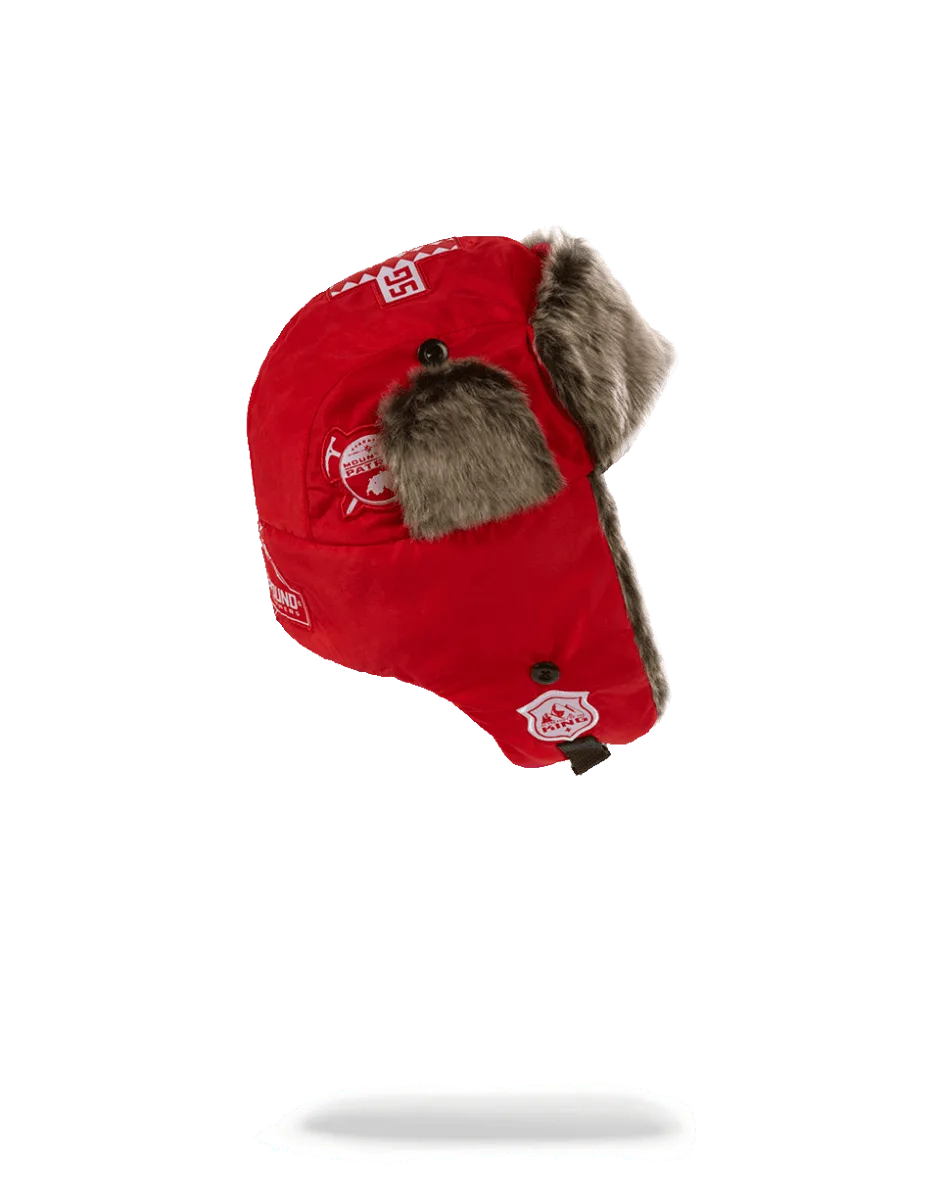
$KY HIGH SEEKERS AVIATOR HAT
Why Proper Glove Storage Matters
Gloves are often an afterthought when it comes to seasonal gear maintenance, but they endure a lot of wear and tear. From gripping icy steering wheels to brushing against wet snow, gloves absorb moisture, dirt, and oils from your hands. If left uncleaned and improperly stored, these residues can break down fibers, cause discoloration, and create an environment for bacteria and mildew. For leather gloves, improper storage can lead to stiffness and cracking, while knit gloves may lose their shape or develop holes.
Taking the time to store your gloves correctly not only preserves their appearance but also saves you money in the long run. Instead of buying new gloves every winter, you can rotate a well-cared-for collection that includes statement pieces like the BLACK SHARK MOUTH GLOVES, which feature bold shark-mouth graphics that deserve to stay vibrant. Proper storage also ensures that your gloves are ready to wear the moment cold weather returns.
- Prevents material degradation (cracking, stretching, fading)
- Avoids mold, mildew, and unpleasant odors
- Maintains fit and elasticity for better comfort
- Extends the life of specialty gloves (touchscreen, waterproof, etc.)
Step 1: Clean Your Gloves Thoroughly Before Storage
Before you even think about putting your gloves away, they must be clean. Dirt and sweat left on the fabric can cause permanent stains and attract pests. For leather gloves, use a damp cloth with a mild leather cleaner to wipe away grime, then condition with a leather balm to keep the material supple. For fabric or knit gloves, hand wash in cold water with a gentle detergent, then lay flat to dry—never wring them out, as this can distort the shape.
If your gloves have any special features like touchscreen fingertips or reinforced palms, be extra gentle during cleaning. The BLACK SHARK MOUTH GLOVES, for example, often have printed designs that can fade if scrubbed too hard. Always check the care label, and when in doubt, spot clean rather than fully submerging. Once clean, allow gloves to air dry completely—any residual moisture can lead to mold during months of storage.
- Leather: wipe with damp cloth and condition with leather balm
- Knit/fabric: hand wash cold, lay flat to dry
- Always check care labels for specific instructions
- Ensure gloves are 100% dry before storing
Step 2: Choose the Right Storage Environment
The location where you store your gloves is just as important as how you prepare them. Avoid attics, basements, or garages where temperature and humidity fluctuate wildly. Instead, opt for a cool, dry, and dark place—like a bedroom closet or a dedicated storage bin under the bed. Direct sunlight can fade colors and weaken fibers over time, so keep gloves away from windows.
Humidity is the enemy of glove storage. If you live in a humid climate, consider adding silica gel packets or a small dehumidifier to your storage area. For extra protection, place your gloves in a breathable cotton bag or a cardboard box—never seal them in plastic, as this traps moisture and encourages mildew. A dedicated accessory drawer or a hat-and-glove organizer can also keep pairs together and prevent crushing.
- Store in a cool, dark, dry place (closet, drawer, or bin)
- Avoid attics, basements, and garages
- Use silica gel packets to control moisture
- Never store in plastic bags—use breathable fabric or cardboard
Step 3: Maintain Shape and Prevent Creasing
Gloves that are crumpled or folded for months will develop permanent creases and lose their fit. To maintain their shape, stuff each glove with acid-free tissue paper or soft cotton cloth. This is especially important for leather gloves, which can crease easily. For longer gloves that extend past the wrist, consider using glove forms or simply rolling a small towel inside to keep the cuff area from collapsing.
Lay gloves flat in a single layer if possible, rather than stacking heavy items on top of them. If you have multiple pairs, store them side by side in a drawer or use a divided storage box. The $KY HIGH SEEKERS AVIATOR HAT, while not a glove, is a winter accessory that benefits from similar shape-preserving storage—using a hat form or stuffing it with tissue helps maintain its structured crown and brim. Treat your gloves with the same respect.
- Stuff gloves with acid-free tissue paper or soft cloth
- Lay flat in a single layer to avoid crushing
- Use glove forms for leather or long gloves
- Store similar accessories together (e.g., gloves and hats)
Step 4: Protect Against Pests and Odors
Moths and other fabric pests love natural fibers like wool, cashmere, and even some leathers. To keep them away, add natural repellents such as cedar blocks, lavender sachets, or rosemary sprigs to your storage container. Avoid using mothballs, as their strong chemical smell can linger in the gloves and be difficult to remove. For synthetic gloves, pests are less of a concern, but odors from stale air can still develop.
If you notice any musty smell when you retrieve your gloves next season, a quick airing outdoors on a breezy day usually freshens them up. For persistent odors, sprinkle baking soda inside the gloves, let it sit overnight, then shake it out. The BLACK SHARK MOUTH GLOVES, with their bold design and synthetic materials, are less prone to pest damage but still benefit from these preventive measures to keep them smelling clean.
- Use natural repellents: cedar, lavender, rosemary
- Avoid mothballs—they leave a strong chemical odor
- Air out gloves seasonally to prevent mustiness
- Baking soda can neutralize odors if needed
Bonus Tips for Specialty Gloves and Accessories
If you own touchscreen gloves, store them away from magnets or electronic devices that could interfere with the conductive fibers. For waterproof gloves, ensure the membrane is completely dry before storage to prevent delamination. Gloves with decorative elements like studs, zippers, or logos should be stored with the decorative side up to avoid scratching or snagging.
Remember that other winter accessories deserve similar care. The $KY HIGH SEEKERS AVIATOR HAT, for example, should be stored on a hat stand or stuffed with tissue to maintain its shape. By creating a dedicated off-season storage system for all your cold-weather gear, you'll save time and frustration when the first frost arrives. A little effort now means your favorite pieces—from the stylish BLACK SHARK MOUTH GLOVES to your coziest beanies—will be ready to perform and impress.
- Touchscreen gloves: keep away from magnets and electronics
- Waterproof gloves: ensure membrane is fully dry
- Store decorative gloves face up to avoid damage
- Coordinate storage with hats and scarves for easy access
Proper off-season glove storage is a simple habit that pays off with longer-lasting, better-looking accessories. By cleaning, drying, shaping, and protecting your gloves, you'll ensure they're ready to perform when the cold returns. Whether you're storing edgy streetwear pieces like the BLACK SHARK MOUTH GLOVES or classic leather pairs, these steps keep your winter gear in prime condition. Take a few minutes today to store your gloves the right way—your future self will thank you when you pull out a fresh, perfectly shaped pair next winter.