When you’re building an emergency kit or bug-out bag, a reliable water filter is one of the most critical items you can include. LifeStraw filters are famous for their durability and effectiveness, but even the best gear needs proper storage to perform when you need it most. Whether you’re preparing for a natural disaster, a long camping trip, or just want peace of mind at home, knowing how to store your LifeStraw for long-term emergency preparedness can make the difference between clean water and a failed filter.
In this guide, we’ll cover everything from pre-storage cleaning and drying to ideal environmental conditions and rotation schedules. We’ll also discuss specific products like the LifeStraw Sip Essential Water Filter straw and the LifeStraw Peak Series Gravity Filter System – 8L, so you can tailor your storage plan to your gear. Follow these steps to ensure your LifeStraw is ready to deliver safe drinking water whenever you need it.
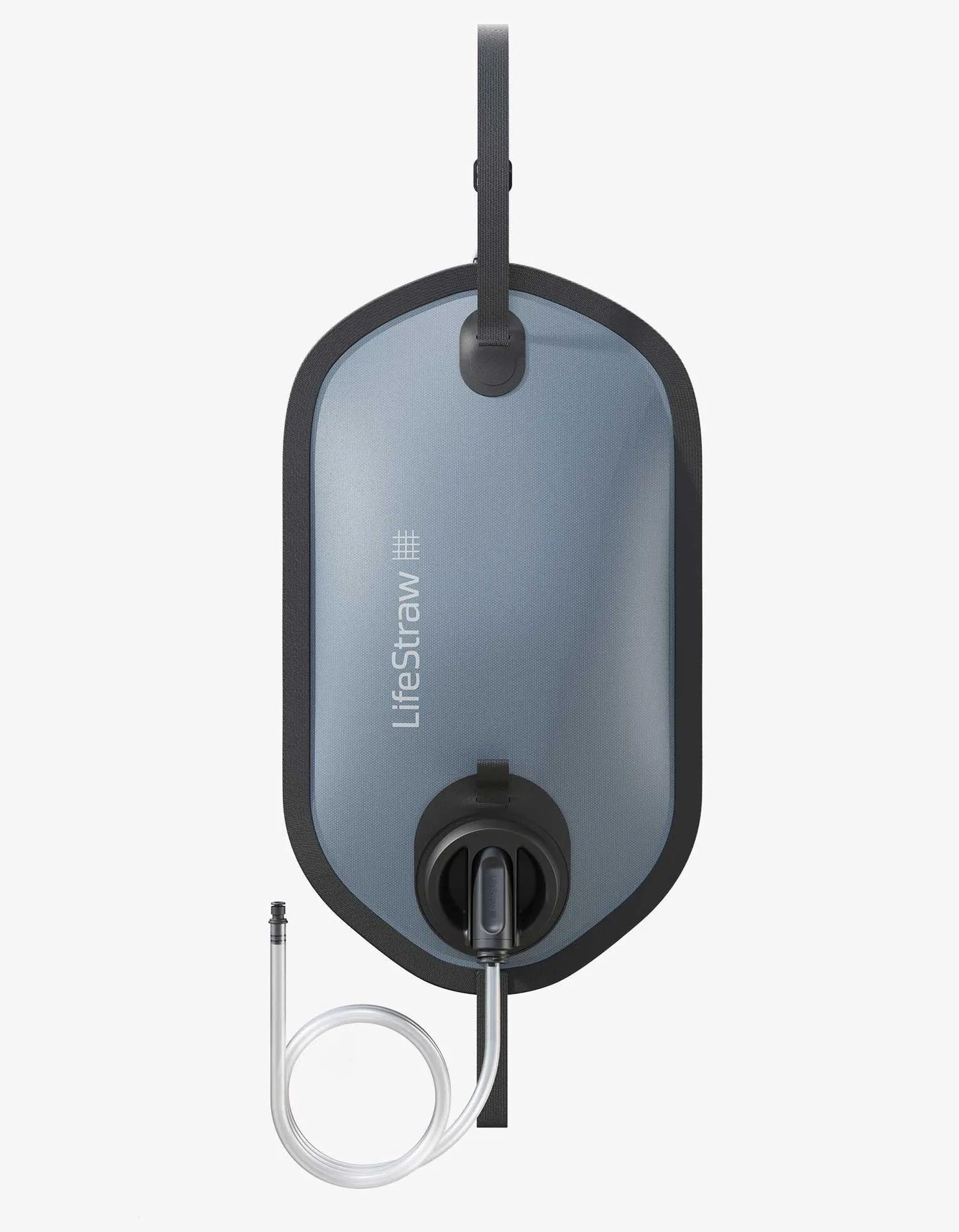
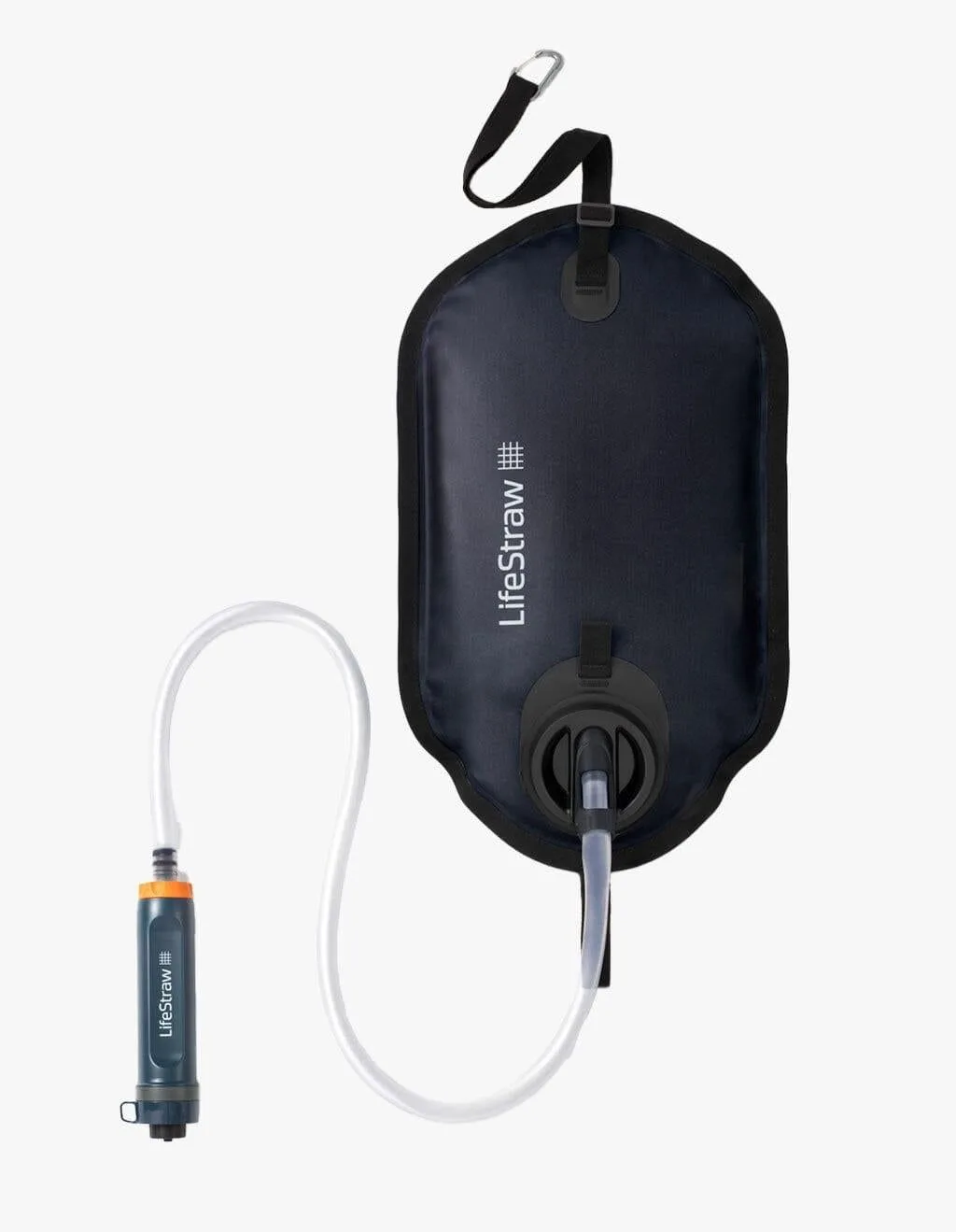
LifeStraw Peak Series Gravity Filter System – 8L
Why Proper Storage Matters for Emergency Water Filters
A LifeStraw filter uses advanced hollow fiber membrane technology to remove bacteria, parasites, and microplastics. If stored improperly—especially when wet—the fibers can become a breeding ground for mold, bacteria, or mildew. This not only compromises the filter’s performance but can also make you sick. For emergency preparedness, your filter might sit unused for months or years, so preventing biological growth is essential.
Additionally, extreme temperatures and humidity can degrade the plastic housing and seals. A cracked housing or a compromised seal means your filter won’t function correctly, potentially letting contaminants through. By following simple storage guidelines, you can extend the lifespan of your filter and ensure it works when you need it most.
- Always dry the filter completely before long-term storage to prevent mold.
- Avoid storing in direct sunlight or areas with temperature swings above 140°F (60°C).
- Check the filter’s expiration date and plan for periodic replacement.
Step 1: Clean and Dry Your LifeStraw Before Storage
Before putting your LifeStraw away for an extended period, you must clean it thoroughly. For straw-style filters like the LifeStraw Sip Essential Water Filter straw, backflush it with clean water according to the manufacturer’s instructions. This removes any trapped particles from the hollow fibers. Then, shake out excess water and blow through the mouthpiece to expel moisture from the inside.
For larger systems such as the LifeStraw Peak Series Gravity Filter System – 8L, disassemble the filter, clean the reservoir and tubing with mild soap and water, and rinse thoroughly. Allow all components to air dry completely in a clean, well-ventilated area. This step is crucial because any residual moisture can lead to microbial growth during storage.
- Use only clean, filtered water for backflushing to avoid introducing new contaminants.
- Allow at least 24 hours of air drying in a cool, dry place.
- For gravity systems, dry the filter cartridge separately from the reservoir.
Step 2: Choose the Right Storage Environment
The ideal storage location for your LifeStraw is cool, dry, and dark. A temperature range between 40°F and 80°F (4°C–27°C) is optimal. Avoid attics, garages, or car trunks where temperatures can spike in summer or drop below freezing in winter. Freezing can damage the hollow fiber membranes, while excessive heat can warp plastic parts.
Humidity is another enemy. Store your filter in a sealed plastic bag or airtight container with a desiccant pack (like silica gel) to absorb moisture. This is especially important if you live in a humid climate. For bug-out bags, consider using a dry bag or a waterproof pouch to protect the filter from unexpected rain or spills.
- A cool basement or climate-controlled closet is ideal for long-term storage.
- Use a desiccant pack inside the storage container to keep humidity low.
- Never store a wet filter in a sealed bag—this invites mold growth.
Step 3: Rotate and Inspect Your Filter Regularly
Even with perfect storage, LifeStraw filters have a shelf life. Most models, including the LifeStraw Sip Essential Water Filter straw, are rated for up to 5 years when stored properly, but the manufacturer recommends replacing the filter after that period. Set a calendar reminder to inspect your emergency filter every 6 to 12 months.
During inspection, check for any cracks, discoloration, or unusual odors. If you notice any signs of damage or mold, replace the filter immediately. For gravity systems, also inspect the tubing and connectors for wear. Regular rotation ensures that when an emergency strikes, your gear is ready to go.
- Mark the purchase date on the filter with a permanent marker for easy tracking.
- Consider buying a replacement filter at the same time as your original to have on hand.
- For family-sized kits, rotate filters in a staggered schedule so not all expire at once.
Step 4: Pack Your LifeStraw for a Bug-Out Bag
If you’re including a LifeStraw in your bug-out bag, packaging matters. Keep the filter in its original packaging or a dedicated pouch to protect it from abrasion and punctures. The LifeStraw Personal Straw Filter Carry Case is a great accessory for this purpose, offering a padded compartment that keeps your straw safe.
For gravity systems, pack the filter cartridge separately from the dirty water bag to avoid cross-contamination. Use zip-top bags to keep small parts together. Also, include a spare filter if you have one, such as the LifeStraw Go Series Replacement Filter - 1 Year pack, which is compact enough to stash in a side pocket. Label your bag with the filter’s expiration date so you know when to swap it out.
- Store the filter in a waterproof compartment or dry bag within your backpack.
- Avoid packing heavy items on top of the filter to prevent crushing.
- Include a printed copy of the user manual for quick reference in the field.
Common Storage Mistakes to Avoid
Many people assume that a filter can be stored indefinitely if it’s never used. That’s not true. Even unused filters can degrade over time due to environmental factors. Another common mistake is storing the filter while it’s still wet, thinking it will dry inside the bag. This almost always leads to mold growth that ruins the filter.
Also, don’t store your LifeStraw near chemicals, gasoline, or strong odors. The plastic housing can absorb volatile compounds, which may leach into your water later. Finally, avoid storing the filter in direct sunlight for long periods, as UV rays can weaken the plastic and damage the membrane fibers.
- Never store a filter in a damp basement or bathroom.
- Keep filters away from pesticides, cleaning supplies, or fuel.
- Don’t rely on the filter’s original packaging alone—add an extra layer of protection.
Proper storage is the key to ensuring your LifeStraw delivers safe, clean water when an emergency strikes. By cleaning and drying your filter thoroughly, choosing the right environment, inspecting it regularly, and packing it smartly for your bug-out bag, you can extend its lifespan and reliability. Start your emergency preparedness today with a LifeStraw Sip Essential Water Filter straw, and rest easy knowing you’ve taken a crucial step toward water security. Explore our full range of LifeStraw products to build the perfect emergency kit for your needs.