Switching your dog to a raw food diet can unlock remarkable health benefits: shinier coats, cleaner teeth, higher energy levels, and improved digestion. Yet many pet parents hesitate, worried about nutritional imbalances or digestive upset. The truth is that transitioning to raw dog food doesn’t have to be stressful or risky when you follow a structured, gradual approach.
This guide walks you through the entire process—from understanding the basics of raw feeding to creating a safe transition schedule. Whether you’re considering freeze-dried raw, homemade raw, or commercial raw patties, these steps will help your dog adjust comfortably while you monitor their progress.
Why Choose a Raw Food Diet for Your Dog?
A raw food diet for dogs mirrors what their ancestors ate in the wild: uncooked meat, bones, organs, and small amounts of vegetables and fruits. Proponents report that raw-fed dogs often have fewer allergies, healthier skin, better weight management, and reduced stool volume. The high moisture content in raw food also supports kidney and urinary tract health, which is especially beneficial for senior dogs.
However, raw feeding isn’t a one-size-fits-all solution. Some dogs thrive on a complete and balanced raw diet, while others may need extra time to adjust due to sensitive stomachs or pre-existing health conditions. Always consult your veterinarian before making any major dietary change, especially if your dog has chronic illnesses or is on medication.
- Improved coat shine and skin health
- Better dental hygiene through natural chewing
- Higher energy levels and lean muscle maintenance
- Smaller, less smelly stools
The Two Main Approaches: Freeze-Dried Raw vs. Homemade Raw
When transitioning to raw dog food, you’ll likely choose between freeze-dried raw and homemade raw. Freeze-dried raw diets are convenient, shelf-stable, and nutritionally complete—they require only rehydration with water. Brands like those offered at Maxbone provide balanced formulas that take the guesswork out of raw feeding. Homemade raw diets give you full control over ingredients but require careful research to ensure you’re meeting AAFCO nutrient profiles, often needing supplements like calcium, omega-3s, and taurine.
Many pet parents start with freeze-dried raw because it’s easier to store and portion. For example, you might combine a high-quality freeze-dried raw kibble with a small amount of fresh raw meat to ease your dog into the texture and taste. Whichever route you choose, always source ingredients from reputable suppliers to minimize bacterial risks.
- Freeze-dried raw: convenient, balanced, easy to store
- Homemade raw: customizable but requires supplement knowledge
- Commercial raw patties: great middle ground for beginners
Step-by-Step Transition Plan: 7 to 10 Days
A slow transition is the safest way to avoid gastrointestinal upset. Start by replacing 10–20% of your dog’s current food with raw, and increase that proportion every two days. For example, days 1–2: 80% old food / 20% raw; days 3–4: 60/40; days 5–6: 40/60; days 7–8: 20/80; day 9 onward: 100% raw. This gradual shift allows your dog’s gut microbiome to adapt to the new protein sources and fat content.
During the transition, monitor your dog’s stool consistency, energy levels, and appetite. Loose stools are common in the first few days, but if diarrhea persists or your dog shows signs of vomiting or lethargy, slow down the transition or consult your vet. You can also add a probiotic supplement or a spoonful of plain pumpkin puree to help settle the stomach.
- Start with a small ratio (10–20% raw) and increase every 2 days
- Keep a journal to track stool quality and behavior changes
- Add digestive aids like probiotics or pumpkin if needed
Choosing the Right Raw Food Products for Your Dog
Selecting high-quality raw food is critical for a successful transition. Look for products that list muscle meat, organ meat, and bone as primary ingredients, with minimal fillers or artificial additives. Many pet owners also appreciate the convenience of freeze-dried raw options that can be rehydrated in minutes, making meal prep simple even on busy mornings.
When you’re ready to stock up, Maxbone offers a curated selection of raw-friendly accessories and feeding tools. For instance, the Decagon Rubber Toy is perfect for stuffing with raw treats or frozen raw meat to provide mental stimulation during mealtime. And after your dog finishes eating, the Card & Waste Bag Essentials Case keeps cleanup essentials handy during post-meal walks. These small touches make the raw feeding lifestyle more enjoyable for both you and your pup.
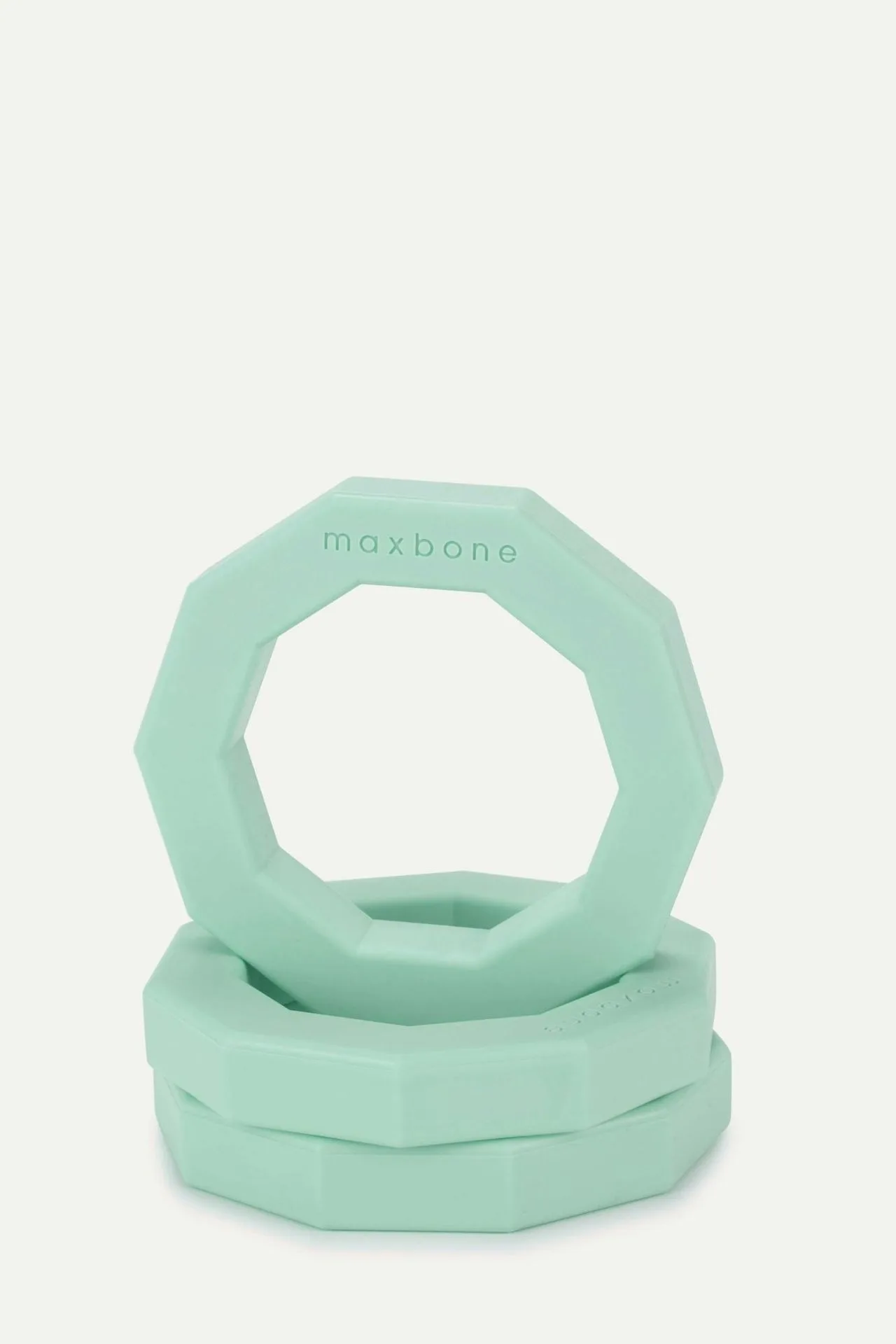
Decagon Rubber Toy
- Look for complete and balanced raw formulas with organs and bone
- Consider freeze-dried raw for convenience and shelf stability
- Use interactive feeders to slow down eating and add enrichment
Common Mistakes to Avoid When Switching to Raw
One of the biggest mistakes pet parents make is switching too quickly, which can cause vomiting, diarrhea, or refusal to eat. Another common error is feeding an unbalanced homemade raw diet without proper supplementation, leading to nutritional deficiencies over time. Additionally, some owners forget to adjust portion sizes—raw food is more nutrient-dense than kibble, so your dog may need less volume to maintain a healthy weight.
Hygiene is also paramount. Raw meat can carry bacteria like Salmonella or E. coli, so always wash your hands, bowls, and food prep surfaces thoroughly. Use separate cutting boards for raw pet food, and store raw portions in sealed containers in the freezer until ready to use. With proper handling, the risks are minimal, and the benefits can be transformative.
- Avoid abrupt switches—always transition over 7–10 days
- Don’t skip supplements if preparing homemade raw
- Practice strict hygiene to prevent bacterial contamination
Transitioning your dog to a raw food diet is one of the most rewarding steps you can take for their long-term health. By following a gradual schedule, choosing high-quality raw products, and paying close attention to your dog’s response, you’ll set them up for a vibrant, energetic life. Ready to start your raw feeding journey? Explore the Decagon Rubber Toy at Maxbone to add a fun, interactive element to your dog’s new mealtime routine.