Acne is frustrating enough while it's active, but the lingering marks—red, brown, or purple spots—can stick around for weeks or even months after the pimple itself has healed. These post-acne marks, often called hyperpigmentation or dark spots, are a common skin concern that affects people of all skin tones. Fortunately, with the right dark spots serum and a consistent skincare routine, you can significantly reduce their appearance and achieve a more even, radiant complexion.
In this comprehensive guide, we'll walk you through the science behind acne scars and dark spots, the key ingredients to look for in a brightening serum, and how to incorporate targeted treatments into your daily regimen. Whether you're dealing with recent post-acne marks or stubborn hyperpigmentation from years past, this article will help you make informed choices for your skincare journey.
Understanding Acne Scars vs. Dark Spots
Before diving into treatment, it's crucial to distinguish between true acne scars and post-inflammatory hyperpigmentation (PIH). Acne scars are permanent changes in skin texture caused by collagen damage—they appear as indentations (atrophic scars) or raised bumps (hypertrophic scars). Dark spots, on the other hand, are flat, discolored patches that result from melanin overproduction after inflammation. While scars require professional treatments like microneedling or laser therapy, dark spots can often be effectively treated with topical serums containing active ingredients.
Most people dealing with acne marks actually have PIH, which responds well to ingredients like vitamin C, niacinamide, azelaic acid, and tranexamic acid. This is great news because it means consistent use of a high-quality hyperpigmentation skincare product can make a real difference.
Key Ingredients in Targeted Serums for Dark Spots
When shopping for a dark spots serum, look for formulations that combine multiple brightening agents for synergistic effects. Here are the most effective ingredients to seek out:
- Azelaic Acid – This multitasking ingredient reduces melanin production, fights acne-causing bacteria, and soothes redness. It's especially effective for darker skin tones prone to hyperpigmentation.
- Vitamin C (Ascorbic Acid) – A potent antioxidant that brightens skin, fades dark spots, and protects against future damage. Look for stabilized forms like L-ascorbic acid or sodium ascorbyl phosphate.
- Niacinamide (Vitamin B3) – Reduces pigment transfer to skin cells, strengthens the skin barrier, and minimizes pore appearance. It's gentle enough for daily use.
- Tranexamic Acid – A newer powerhouse ingredient that inhibits melanin activation, particularly effective for stubborn brown spots.
- Hyaluronic Acid – While not a brightener, it provides deep hydration that helps other ingredients penetrate better and keeps skin plump.
- Licorice Extract, Kojic Acid, and Arbutin – Natural alternatives that gently lighten pigmentation over time.
Top Serum Recommendations for Acne Scar and Dark Spot Treatment
Based on your specific needs, here are some of the best serums and products you can incorporate into your post-acne marks routine:
1. Azelaic Acid 10% + Hyaluronic Acid Redness Soothing Serum
If you're dealing with both active breakouts and dark spots, the Azelaic Acid 10 Hyaluron Redness Soothing Serum is a fantastic choice. Its 10% azelaic acid concentration is ideal for fading pigmentation while calming redness and preventing new breakouts. The addition of hyaluronic acid ensures your skin stays hydrated, reducing irritation that can worsen hyperpigmentation. Apply 2-3 drops after cleansing and before moisturizer for best results.
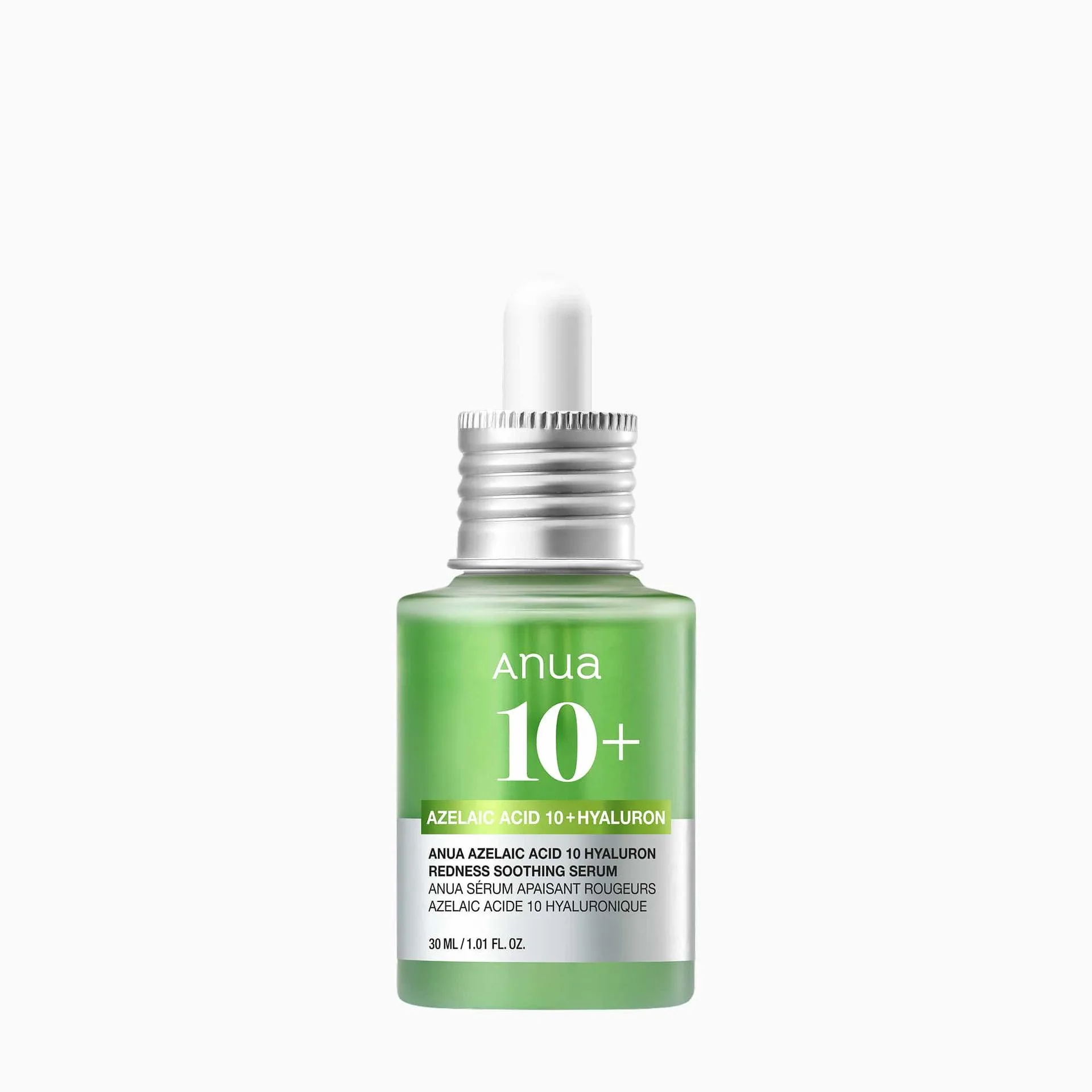
Azelaic Acid 10 Hyaluron Redness Soothing Serum
2. Peach 77 Niacin Essence Toner
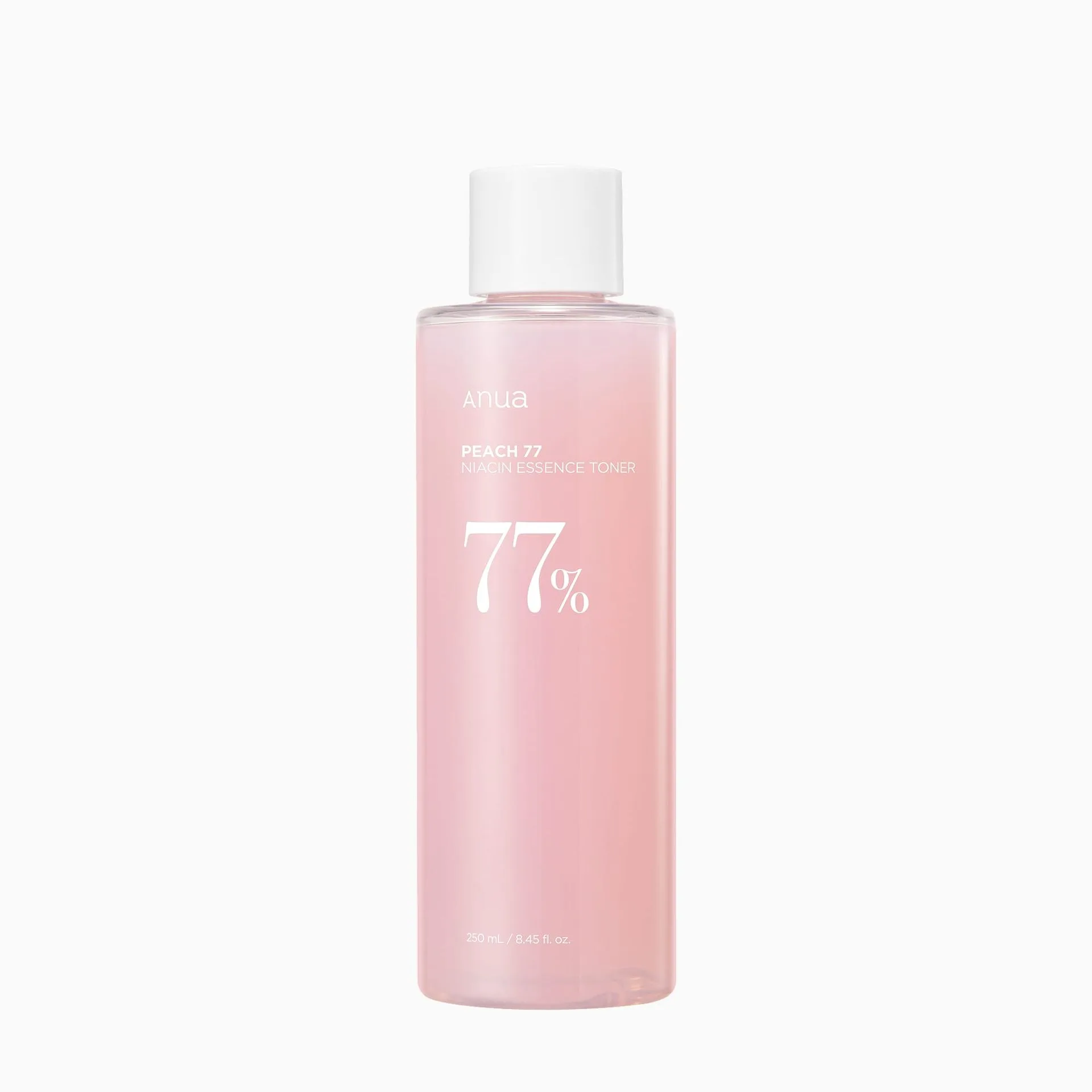
Peach 77 Niacin Essence Toner
For a lightweight, hydrating first step in your brightening routine, consider the Peach 77 Niacin Essence Toner. This toner contains niacinamide and peach extract to gently exfoliate and brighten while prepping your skin for subsequent serums. It's a great way to incorporate multiple brightening agents without overwhelming your skin.
Building a Complete Routine for Dark Spot Reduction
Treating dark spots requires a holistic approach that includes sun protection, gentle exfoliation, and consistent hydration. Here's a step-by-step routine you can follow:
Step
Product Type
Example Product
Key Benefit
1
Oil-based cleanser
Any gentle cleansing oil
Removes sunscreen and makeup
2
Water-based cleanser
Low-pH foaming cleanser
Cleanses without stripping
3
Exfoliating toner (2-3x week)
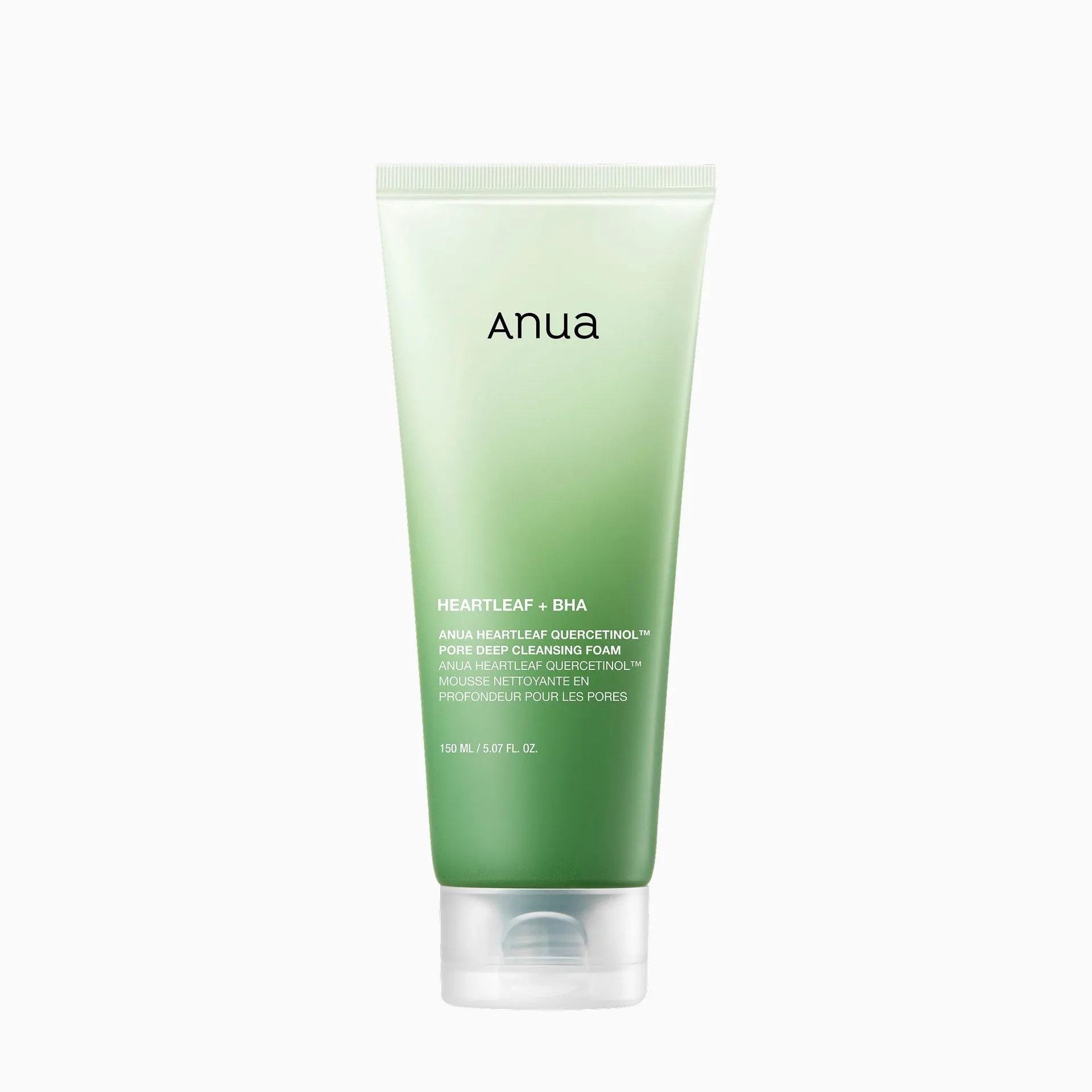
https://purebeautytools.store/products/8-hyaluronic-acid-catechin-calming-pad-515398 Hyaluronic Acid Catechin Calming Pad
Gentle chemical exfoliation
4
Essence or toner
Peach 77 Niacin Essence Toner
Brightens and hydrates
5
Targeted serum
Azelaic Acid 10 Hyaluron Redness Soothing Serum
Fades dark spots
6
Moisturizer
https://purebeautytools.store/products/heartleaf-70-intense-calming-cream-51500Heartleaf 70% Intense Calming Cream
Locks in hydration
7
Sunscreen (AM only)
Broad spectrum SPF 50+
Prevents further pigmentation
Why Sunscreen Is Non-Negotiable for Hyperpigmentation
No matter how effective your dark spots serum is, it will be wasted without daily sunscreen. UV exposure triggers melanin production, making dark spots darker and harder to treat. Choose a broad-spectrum sunscreen with at least SPF 30, apply it every morning, and reapply every two hours if you're outside. This single step can speed up your results by months.
How to Layer Serums for Maximum Absorption
Layering serums correctly ensures each product penetrates effectively. Follow the golden rule: apply products from thinnest to thickest consistency. Start with watery essences or toners, then move to serums, and finish with creams. If using multiple serums, wait 30-60 seconds between layers to allow absorption. Avoid mixing strong actives like vitamin C and retinol at the same time—use vitamin C in the morning and retinol at night.
Advanced Tips for Stubborn Dark Spots
If you've been using a brightening serum for 8-12 weeks without significant improvement, consider these advanced strategies:
- Add a retinol – Retinoids speed up cell turnover, helping pigmented cells shed faster. Start with a low concentration (0.3% or less) and use it only at night.
- Try professional treatments – Chemical peels, microdermabrasion, or laser therapy can target deeper pigmentation.
- Use a spot patch – For active pimples, hydrocoloid patches prevent picking, which reduces the risk of scarring.
- Consider a complete set – The PDRN Deep Hydrating Prep & Boost Duo pairs a hydrating toner with a nourishing serum to support skin recovery and amplify brightening results.
Common Mistakes to Avoid
Many people unintentionally worsen their dark spots by making these errors:
- Skipping sunscreen – This is the #1 mistake. Without SPF, your efforts are futile.
- Over-exfoliating – Using too many acids or scrubs can damage the skin barrier, leading to more inflammation and pigmentation.
- Expecting overnight results – Dark spot treatment takes patience. Visible improvement typically requires 4-12 weeks of consistent use.
- Using too many actives at once – Combining multiple strong ingredients can cause irritation. Introduce new products one at a time.
When to See a Dermatologist
If your dark spots are deep, widespread, or not responding to over-the-counter treatments after 3-4 months, consult a dermatologist. They can prescribe stronger formulations like hydroquinone or recommend in-office procedures. Also, if you notice an irregular shape or color in a spot, get it checked for skin cancer—especially if you have a history of sun exposure.
Frequently Asked Questions
Can serums completely remove acne scars?
No, topical serums cannot eliminate true acne scars (textural changes). However, they can significantly reduce the appearance of dark spots and improve overall skin tone. For scars, consider professional treatments like microneedling or laser therapy.
How long does it take for dark spots to fade?
With consistent use of a good dark spots serum and sunscreen, most PIH fades within 8-12 weeks. Deeper spots may take 6-12 months. Patience is key.
Can I use multiple brightening serums together?
Yes, but do so carefully. Pair compatible ingredients like vitamin C (morning) and niacinamide (night) or azelaic acid with hyaluronic acid. Always patch test first.
Conclusion: Your Path to Clearer, Brighter Skin
Treating acne scars and dark spots is a journey that requires patience, consistency, and the right products. By incorporating a targeted dark spots serum into your daily routine, protecting your skin from the sun, and avoiding common pitfalls, you can achieve a more even complexion over time. Remember, everyone's skin responds differently, so give your chosen products at least 2-3 months to show results.
Ready to start fading your dark spots? Explore the Azelaic Acid 10 Hyaluron Redness Soothing Serum today—a powerful yet gentle option that combines azelaic acid with hyaluronic acid for effective brightening and hydration. Your skin deserves the best care, and with the right tools, you can say goodbye to post-acne marks for good.