Imagine you’re deep in the backcountry, miles from the nearest tap, and your water bottles are empty. You hear the gurgle of a mountain stream nearby. With a LifeStraw in your pack, you can drink directly from that source without worrying about bacteria, parasites, or microplastics. But knowing exactly how to use a LifeStraw straw correctly is key to staying safe and getting the most out of your filter.
This visual guide walks you through every step of using a LifeStraw straw directly from a natural water source — from unboxing and setup to drinking technique and post-use maintenance. Whether you’re a first-time user or a seasoned adventurer, these instructions will help you filter water confidently on every outing.
What You Need Before You Start
Before you head out, make sure you have a genuine LifeStraw product. The classic LifeStraw Personal Water Filter Straw is designed for direct drinking from any freshwater source — streams, rivers, lakes, or even a tap in a pinch. It requires no batteries, pumps, or chemicals. Just the straw and a clean water source.
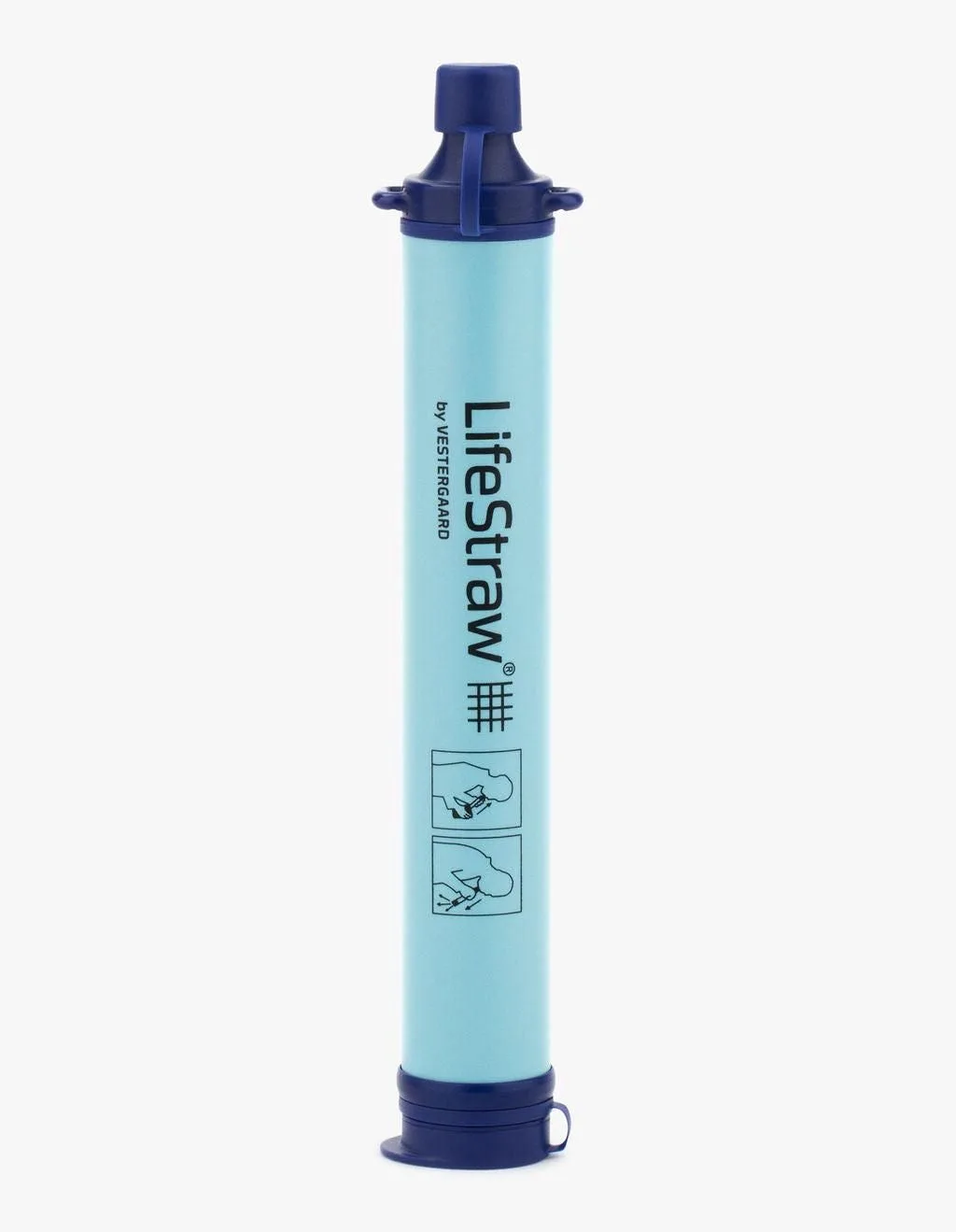
LifeStraw Personal Water Filter Straw
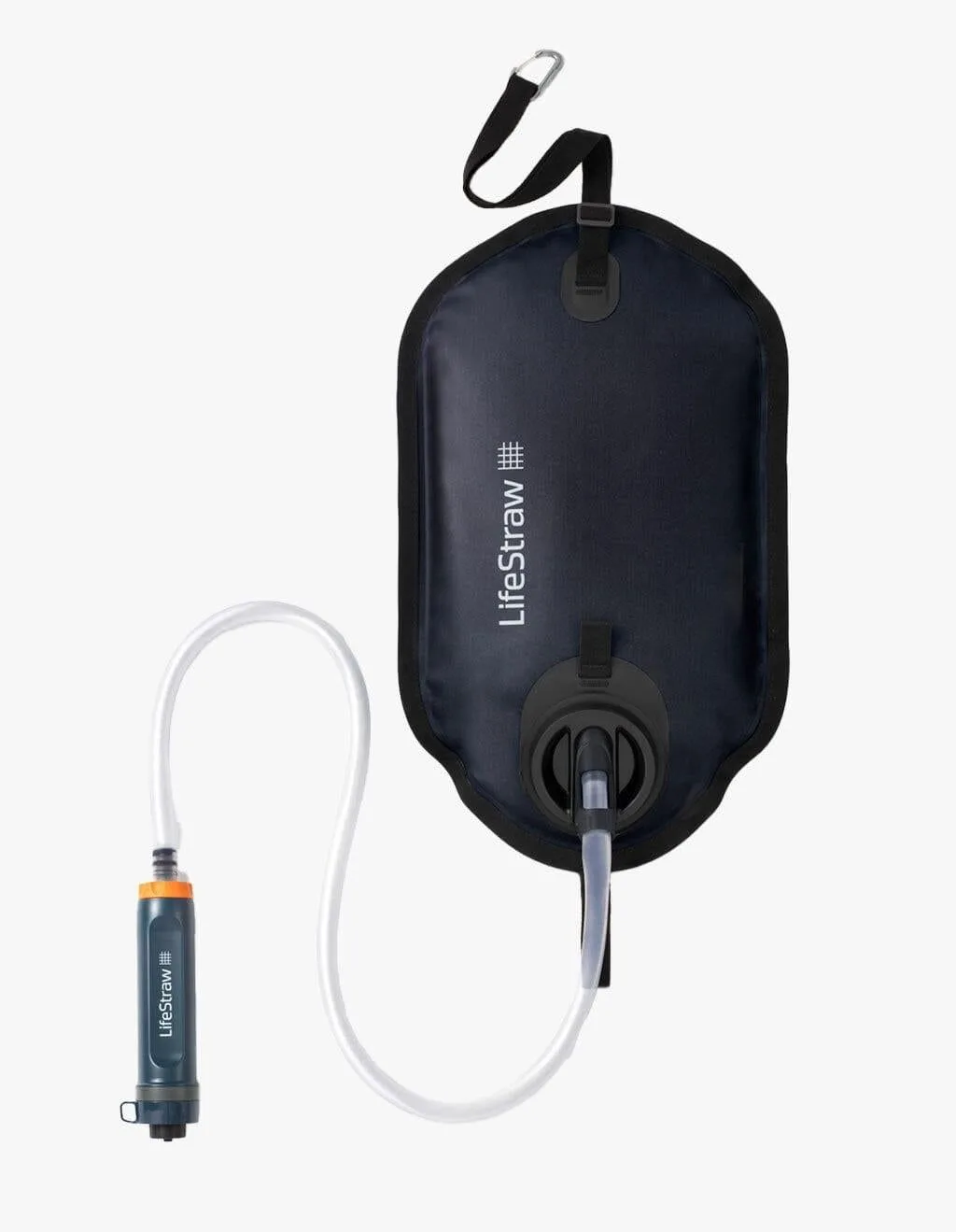
For extended trips, consider carrying a backup or replacement filter. The LifeStraw Go Series Replacement Membrane Microfilter is compatible with most LifeStraw bottle systems, and the LifeStraw Peak Series Solo offers a higher flow rate for longer adventures. But for this guide, we’ll focus on the standard straw model.
- LifeStraw Personal Water Filter Straw (or compatible model)
- Clean water source (stream, lake, tap, or collected rainwater)
- Optional: pre-filter cloth or bandana for very murky water
- Optional: backflushing syringe (included with some models)
Step 1: Inspect and Prepare Your LifeStraw
First, remove your LifeStraw from its packaging. Check that the filter is intact and that the mouthpiece and intake tube are clean. If it’s a brand-new straw, you may notice a slight taste from manufacturing — this is normal. Rinse the outside with clean water, but do not submerge the filter or run water through it backwards.
For first-time use, it’s a good idea to prime the filter by sucking on the mouthpiece while the intake end is submerged in clean water. You’ll feel a slight resistance, then water will flow. This ensures the hollow fiber membranes are fully wetted and ready to filter. If you’re using a https://outdoorvault.store/products/lifestraw-peak-series-straw-and-carry-case-bundle-63353LifeStraw Peak Series Straw and Carry Case Bundle, the process is identical.
Step 2: Find a Suitable Water Source
LifeStraw filters remove 99.9999% of bacteria (like E. coli and Salmonella) and 99.9% of protozoan parasites (like Giardia and Cryptosporidium). It does not remove viruses, heavy metals, or chemicals. Choose clear, flowing water whenever possible. Avoid stagnant ponds or water with visible algae blooms.
If the water is murky or silty, you can pre-filter it through a clean bandana or coffee filter to remove large particles. This extends the life of your LifeStraw and improves flow rate. For heavily sedimented sources, consider using a LifeStraw Max, which has a higher capacity and a pre-filter cap, but the standard straw still works with a little extra care.
- Tip: Look for water moving over rocks or in a shaded area — it’s usually cooler and less likely to contain harmful pathogens.
- Tip: Avoid water near agricultural runoff, animal carcasses, or downstream from campsites.
Step 3: Submerge the Intake End and Drink
Hold the LifeStraw by the mouthpiece and submerge the bottom intake tube into the water. The intake end has small holes that let water in while keeping debris out. Place your lips around the mouthpiece and suck gently but steadily. You should feel water flowing through the filter within a second or two.
Do not blow air back into the straw while drinking — this can force unfiltered water back through the membrane. If you need to stop, simply remove the straw from your mouth. You can drink directly from the source or use it to fill a water bottle by holding the straw upside down and letting gravity do the work. For group use, the LifeStraw Community is a better option, but for solo use, the straw is perfect.
- Tip: If the flow slows down, you may need to backflush the filter (see Step 5).
- Tip: For cold water (below 32°F/0°C), the filter may be less effective. Let the water warm slightly or use a different method.
Step 4: After Drinking – Store and Dry Properly
Once you’ve finished drinking, shake off excess water from the outside of the straw. Do not store the LifeStraw with water inside the filter, as this can promote mold or bacterial growth. Instead, blow gently through the mouthpiece to expel any remaining water from the hollow fibers.
Store the straw in a clean, dry place, ideally in its original case or a zip-top bag. Avoid leaving it in direct sunlight for extended periods, as UV rays can degrade the plastic. If you’re on a multi-day trip, you can keep the straw attached to your pack strap for easy access.
- Tip: Never store a wet LifeStraw in a sealed container — it needs airflow to dry completely.
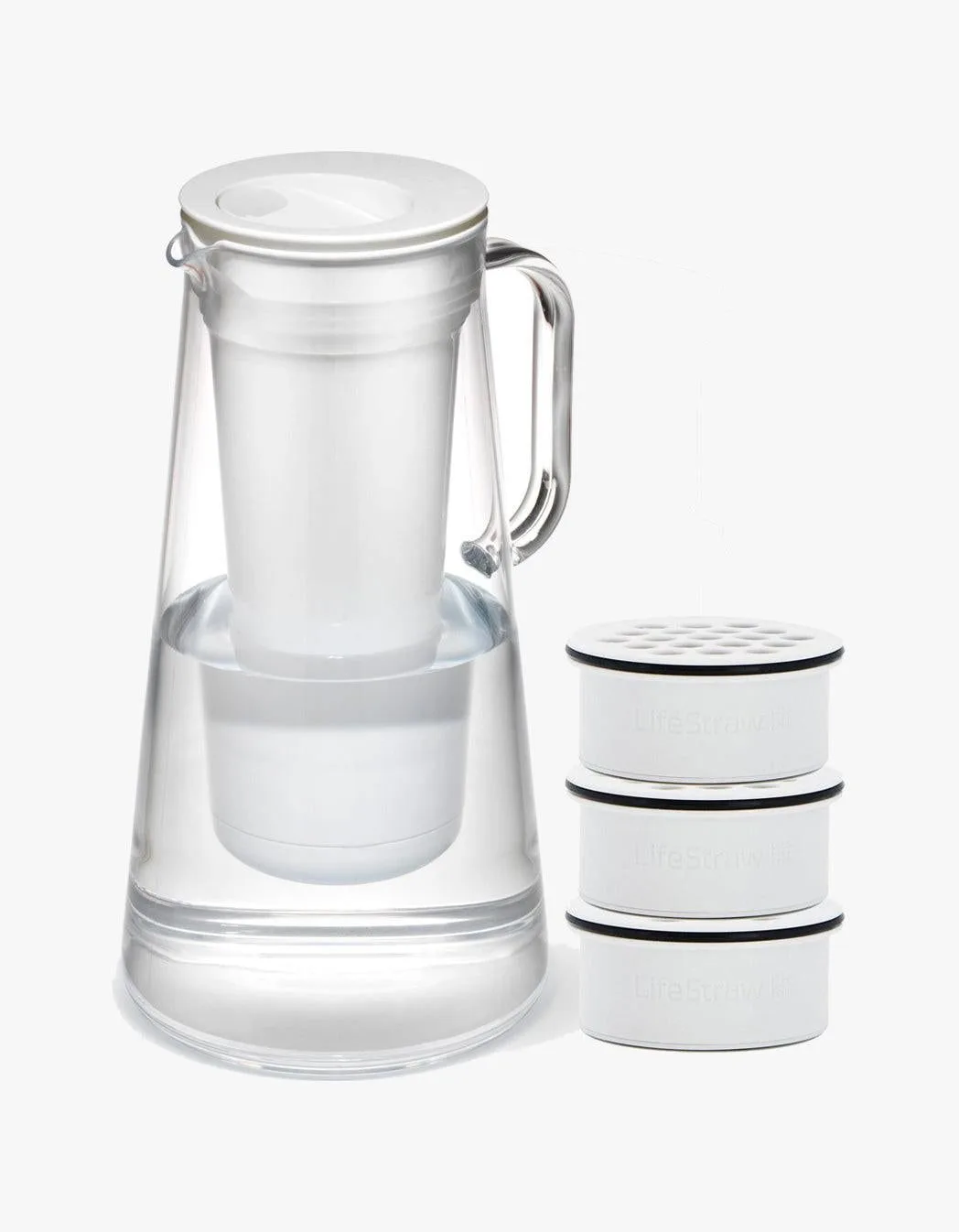
- Tip: If you won’t use the straw for a month or more, consider replacing the filter with a LifeStraw Home Replacement Filters for your home system, but for the straw, just keep it dry.
Step 5: Cleaning and Maintenance (Including Backflushing)
Over time, the filter may clog with sediment or organic matter. To restore flow, you can backflush the LifeStraw using the included syringe (or a clean water bottle with a narrow nozzle). Fill the syringe with clean water, attach it to the mouthpiece end, and push water through backwards. Repeat until the water runs clear.
If you don’t have a syringe, you can also tap the straw gently against a rock or your palm while submerged to dislodge particles. For deeper cleaning, soak the intake end in a 1:10 vinegar-water solution for 10 minutes, then rinse thoroughly. Never use soap or bleach, as these can damage the hollow fiber membranes.
- Tip: Backflush after every 10-15 uses or whenever flow drops noticeably.
- Tip: Replace the filter after filtering 1,000 gallons (4,000 liters) or if you notice any cracks or damage. The LifeStraw Escape Replacement Carbon Filter is available for other models, but for the straw, you’ll need a new straw unit.
Common Mistakes to Avoid
Many new users accidentally blow air into the straw while drinking, which can push unfiltered water back into the clean side. Always sip gently and avoid forceful inhalation or exhalation. Another mistake is using the straw in saltwater — LifeStraw filters do not remove salt, so it will taste terrible and may damage the filter over time.
Also, don’t use the LifeStraw in water that has been chemically treated (e.g., with iodine or chlorine) unless you’re sure the chemicals are safe for the membrane. Finally, never use the straw as a snorkel or for prolonged submersion — it’s designed for intermittent drinking, not continuous underwater use.
- Mistake: Drinking from a water bottle through the straw without submerging the intake — it won’t filter properly.
- Mistake: Leaving the straw in a hot car — heat can warp the plastic and damage the filter.
When to Replace Your LifeStraw
The LifeStraw Personal Water Filter Straw is rated for 1,000 gallons (4,000 liters) of filtered water. That’s enough for several years of weekend trips. However, if you notice a significant drop in flow rate that backflushing doesn’t fix, or if the straw develops cracks or a foul taste, it’s time to replace it.
For those using the LifeStraw Go Series or Peak Series bottles, you can simply swap the filter cartridge. The LifeStraw Go Series Replacement Membrane Microfilter is a direct replacement. For the standard straw, you’ll need to purchase a new unit. Always carry a backup for extended expeditions.
Using a LifeStraw straw directly from a water source is one of the simplest and most reliable ways to stay hydrated in the outdoors. With proper technique — submerge, sip, and store dry — you can trust this compact filter to remove dangerous pathogens from virtually any freshwater stream or lake. Ready to hit the trail? Check out the LifeStraw Personal Water Filter Straw to add lightweight, dependable protection to your pack.