Finger puppets are one of the simplest yet most powerful toys you can introduce to your baby. These tiny characters can captivate your little one's attention, spark their imagination, and support key developmental milestones. Whether you're a new parent or looking for fresh infant play ideas, finger puppets offer a world of benefits for language and motor skills.
In this guide, we'll explore why finger puppets are so effective for babies from 6 to 18 months, how to use them to boost communication and dexterity, and which products from Mushie can complement your puppet play sessions.
Why Finger Puppets Are Perfect for Baby Development
Finger puppets engage multiple senses at once. The bright colors and soft textures capture your baby's visual and tactile attention, while the movement of the puppet encourages them to track objects with their eyes. This visual tracking is a foundational skill for reading and attention later on.
When you bring a finger puppet close to your face and speak in a playful voice, your baby naturally focuses on your mouth and the puppet. This dual focus helps them connect sounds with visual cues, supporting early language development. The repetitive motions of the puppet also stimulate the brain areas responsible for cause and effect learning.
- Start with a single puppet and use a simple, high-pitched voice to make it 'talk'.
- Move the puppet slowly from side to side to encourage your baby to follow it with their eyes.
- Let your baby touch and explore the puppet's fabric to build tactile awareness.
How Finger Puppets Boost Language Skills in Babies
Language development in the first year is all about exposure to sounds, rhythms, and facial expressions. Finger puppets provide a non-intimidating way to practice turn-taking in conversation. When you make the puppet 'speak' and then pause, your baby may coo or babble back, learning the back-and-forth pattern of dialogue.
You can also use finger puppets to name objects or actions. For example, have a puppet say 'ball' while pointing to a ball, or 'up' while lifting the puppet. This pairing of word and action reinforces vocabulary. The playful context makes learning feel like a game, which increases your baby's motivation to engage.
For babies who are a bit older, around 12 to 18 months, you can introduce simple storylines. A puppet that 'hides' behind your hand and then pops out teaches object permanence and builds anticipation. These early narrative skills are the building blocks of comprehension and storytelling.
- Use exaggerated facial expressions and varied tones to keep your baby interested.
- Repeat the same words and phrases during puppet play to reinforce learning.
- Let your baby hold the puppet on their own finger once they can grasp—this builds fine motor control.
Fine Motor Skills: How Finger Puppets Help Little Hands
Fine motor skills involve the small muscles in the hands and fingers. Finger puppets are excellent tools for practicing pincer grasp and hand-eye coordination. When your baby reaches for a puppet, they learn to coordinate their hand movement with what they see. As they grow, they may try to put the puppet on their own finger, which requires precision and control.
You can pair finger puppet play with other sensory-rich toys to create a well-rounded motor skill experience. For example, after a puppet session, offer your baby a teether like the Rainbow Teether to chew on and explore with their hands. The varied textures and shapes help strengthen the same muscles used in puppet play.
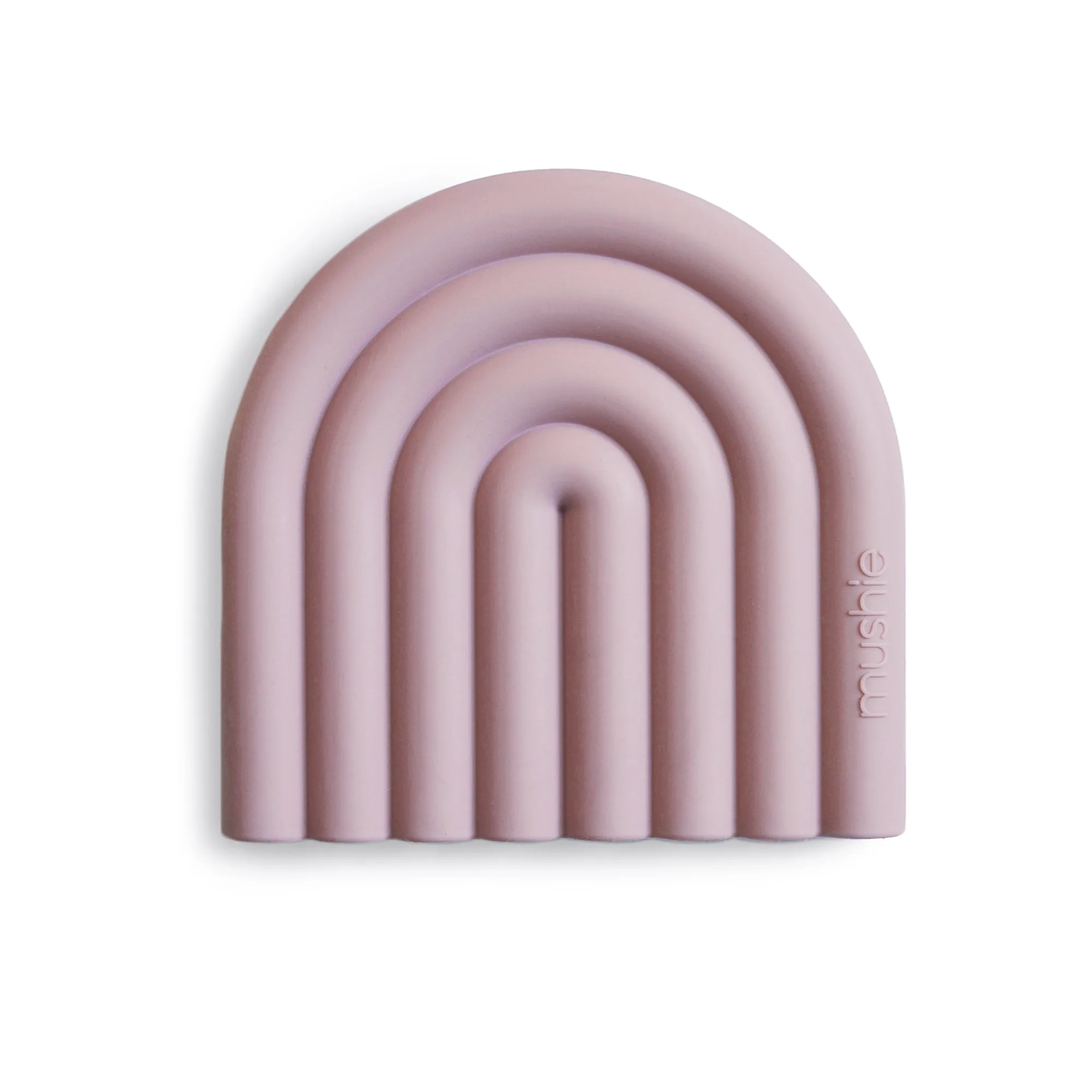
Rainbow Teether
Another great companion for fine motor development is the Figurine Teether. Its small, graspable design encourages your baby to practice holding and transferring objects between hands. Alternating between finger puppets and teethers keeps your baby engaged while targeting different aspects of dexterity.
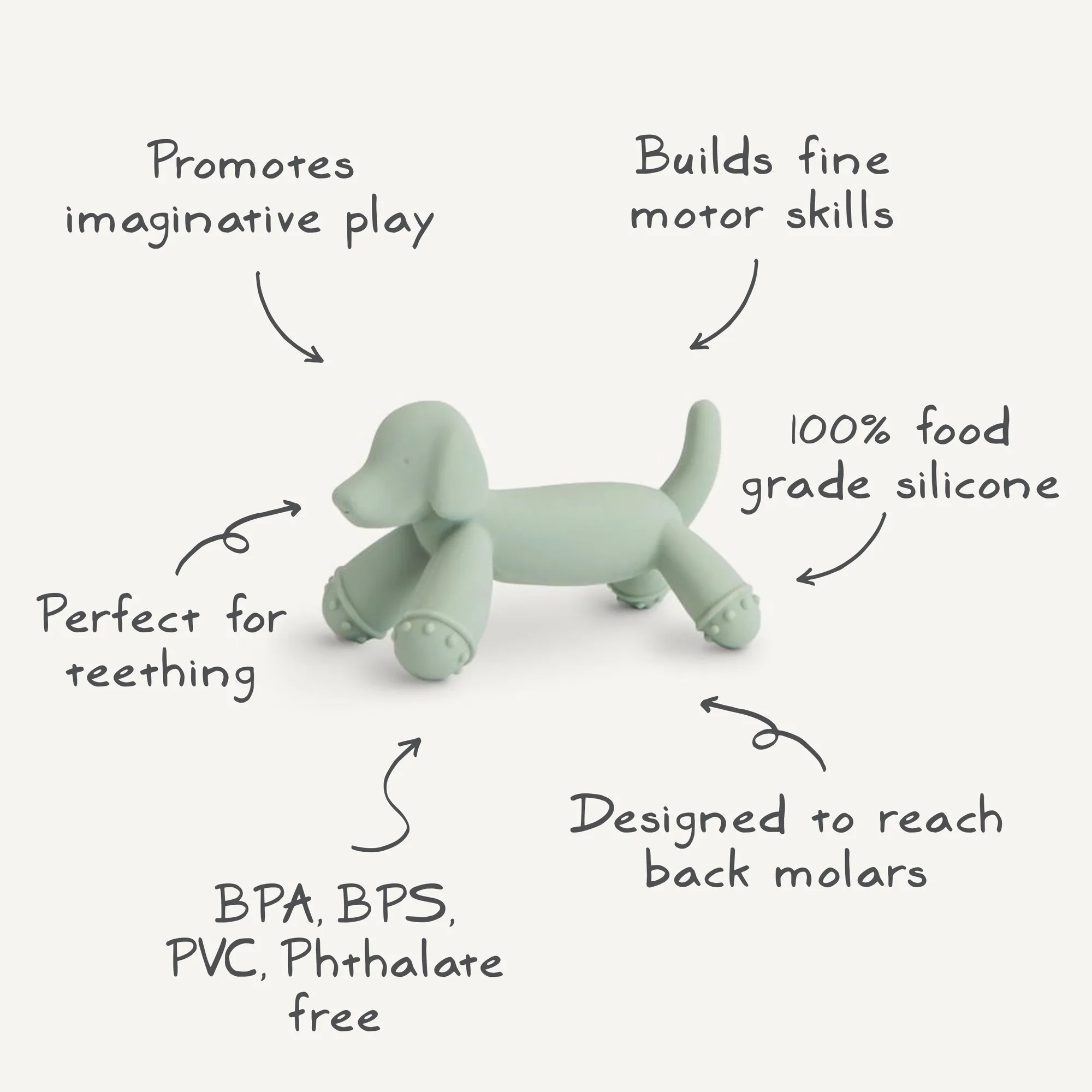
Figurine Teether
- Place the puppet just out of reach to encourage your baby to stretch and grab.
- Let your baby hold the puppet while you move your finger inside it—this teaches cause and effect.
- Use puppets with different textures (fuzzy, smooth, bumpy) to stimulate sensory exploration.
Simple Finger Puppet Play Ideas for Babies 6–18 Months
You don't need a elaborate setup to enjoy finger puppets with your baby. Here are a few easy play ideas that support language and motor skills:
Peek-a-boo puppet: Hide the puppet behind your back or under a blanket, then pop it out with a cheerful 'peek-a-boo!' This game teaches object permanence and causes delighted reactions. Sing-along puppet: Use a puppet to 'lead' a simple song like 'Itsy Bitsy Spider' or 'Twinkle Twinkle Little Star.' The puppet's movements help your baby connect rhythm with action.
Puppet and mirror: Sit your baby in front of a safe mirror and have the puppet 'talk' to their reflection. This builds self-awareness and social skills. Storytime puppet: Use a puppet to 'read' a board book by pointing to pictures and making sounds for the animals or objects. This makes reading interactive and fun.
- Keep sessions short—5 to 10 minutes is plenty for young babies.
- Follow your baby's cues: if they lose interest, try again later.
- Rotate puppets to maintain novelty and prevent boredom.
Choosing the Right Finger Puppets and Complementary Toys
When selecting finger puppets, look for ones made from safe, non-toxic materials that are easy to clean. Soft fabric puppets with simple faces are best for young babies, while older toddlers may enjoy puppets with more details. Avoid small parts that could become choking hazards.
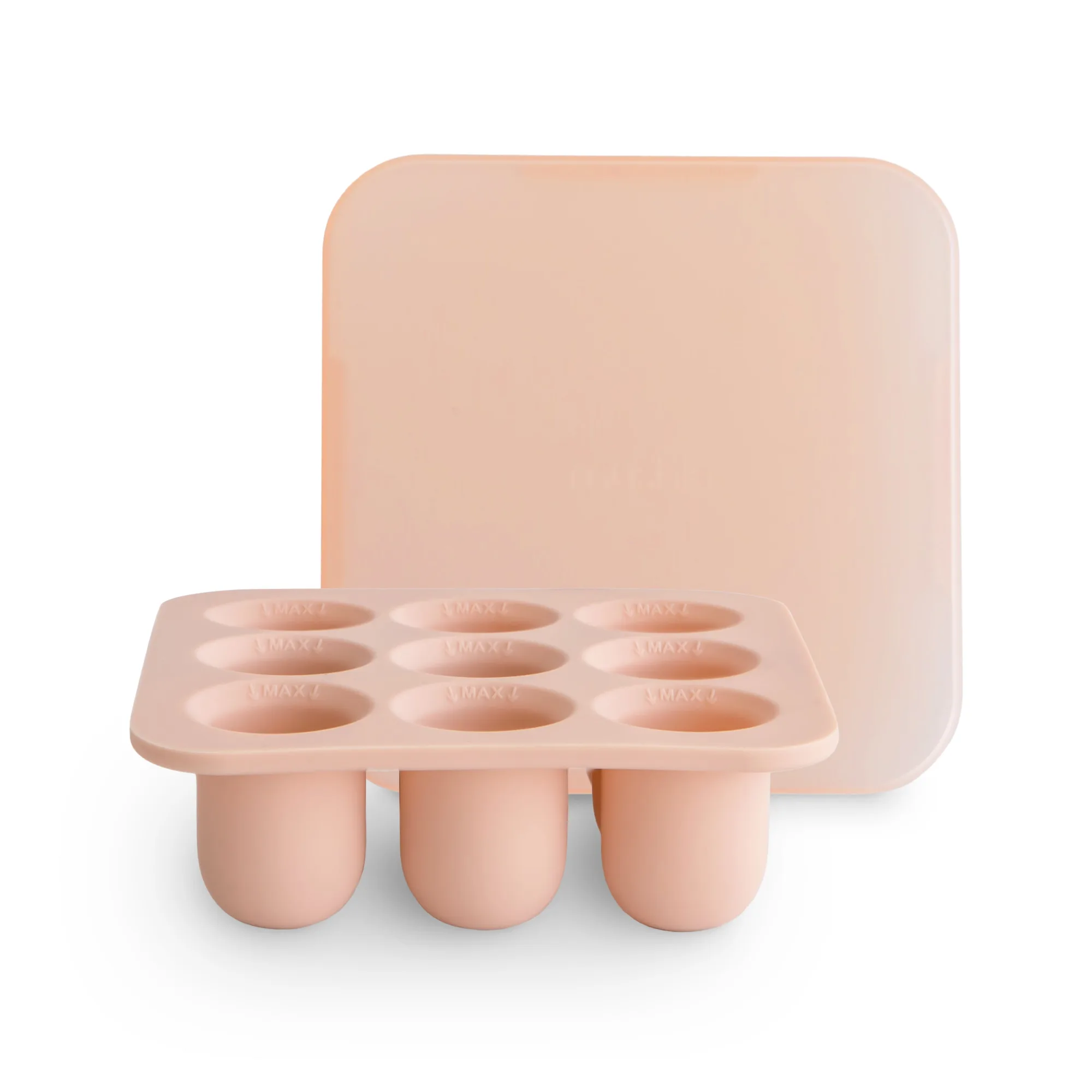
To enhance your baby's play experience, consider adding other sensory toys from Mushie. The Silicone Baby Food Containers can double as stacking cups or sound shakers during puppet play. Fill one with a few dry beans (securely sealed) and let your baby shake it while the puppet 'dances'—this adds an auditory element to the fun.
Another great addition is the Pour and Play Bath Set. While not a puppet, its water-friendly design encourages pouring and scooping, which further develops hand strength and coordination. Combining different types of play ensures your baby gets a full range of sensory and motor stimulation.
- Check that puppets are machine washable or easy to wipe clean.
- Choose puppets with contrasting colors for visual stimulation.
- Avoid puppets with long strings or loose buttons.
Finger puppets are a simple, affordable, and highly effective tool for supporting your baby's language and fine motor development. By incorporating them into daily play, you create opportunities for bonding, learning, and laughter. For more sensory-rich toys that complement puppet play, explore the Silicone Baby Food Containers and other thoughtfully designed products at Mushie.