When it comes to gravity water filters for home use and off-grid living, two names often dominate the conversation: LifeStraw and Berkey. Both promise to remove bacteria, parasites, and sediment without electricity or plumbing, but they approach filtration in very different ways. Whether you're outfitting a cabin in the woods, prepping for emergencies, or just want cleaner tap water, choosing the right system can feel overwhelming.
In this head-to-head comparison, we’ll break down the key differences in filtration technology, flow rate, capacity, maintenance, and cost. We’ll also highlight specific LifeStraw models—like the LifeStraw Home 10-Cup and the https://outdoorvault.store/products/lifestraw-community-replacement-taps-63388LifeStraw Community replacement taps—so you can see how they stack up against Berkey’s popular offerings. By the end, you’ll know exactly which gravity filter fits your lifestyle and your water quality needs.
Filtration Technology: How They Remove Contaminants
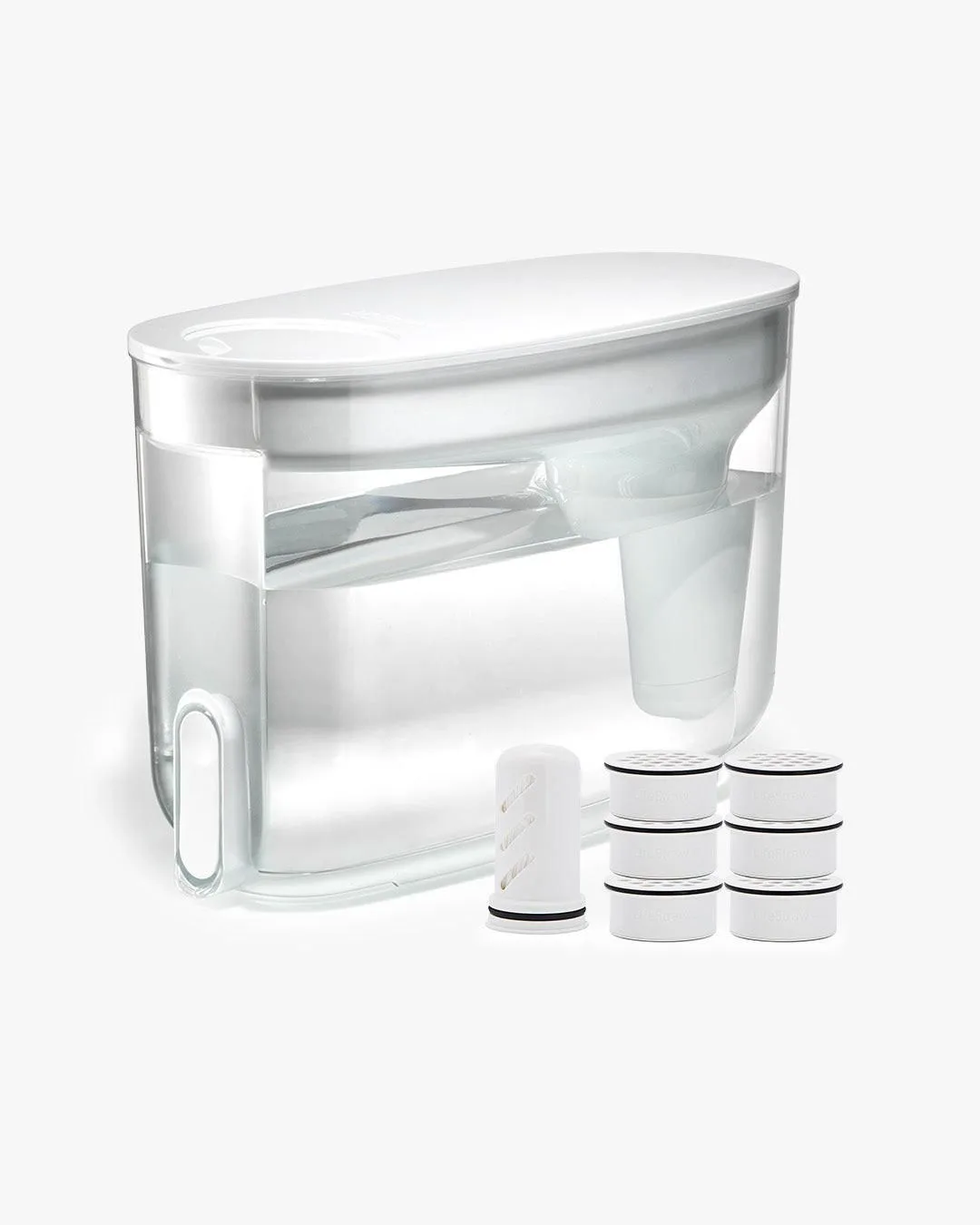
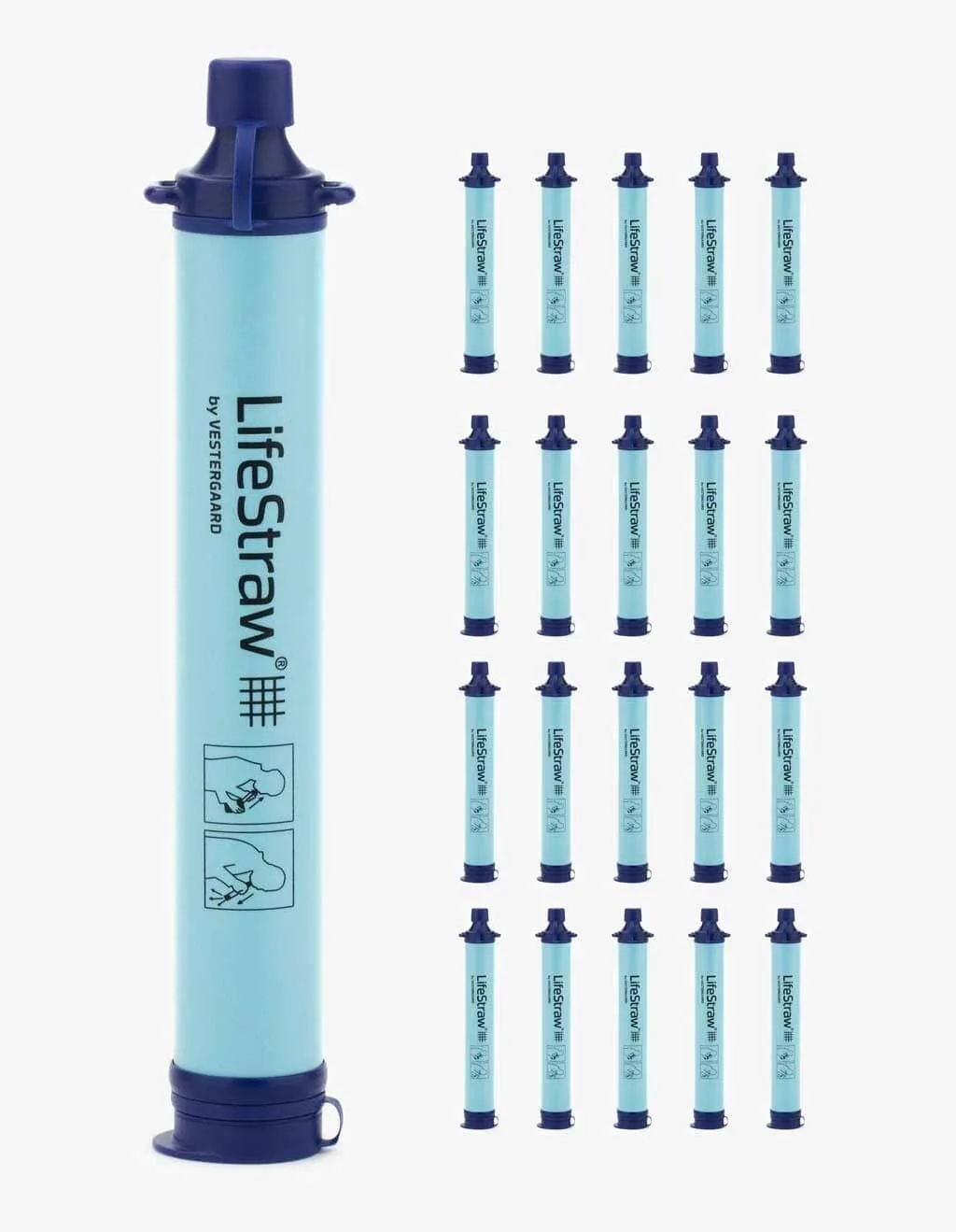
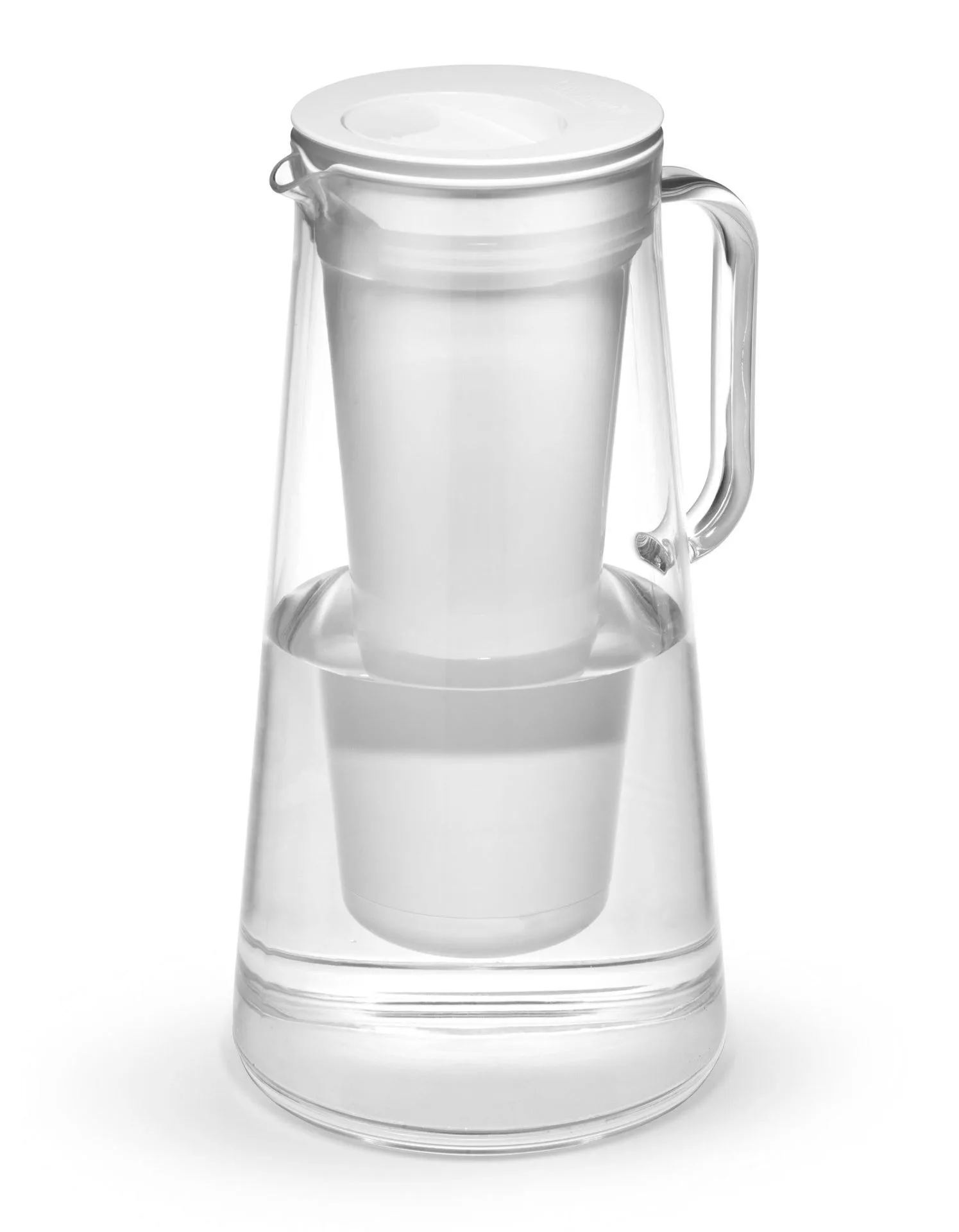
LifeStraw gravity filters use hollow fiber membrane technology, the same advanced system found in their portable straws. The membranes have microscopic pores (0.2 microns) that physically block bacteria, protozoa, and sediment. Some models, like the LifeStraw Home 10-Cup, also incorporate activated carbon to reduce chlorine, taste, and odor, making it ideal for everyday home use. This dual-stage approach ensures microbiologically safe water while improving palatability.
Berkey filters, on the other hand, rely on gravity-fed ceramic and carbon elements. Their proprietary Black Berkey elements use a combination of microporous filtration and adsorption to remove bacteria, viruses, heavy metals, and chemicals. Berkey’s pore size is slightly larger (around 0.3 microns), but the addition of an ionic adsorption process allows them to capture viruses and some dissolved contaminants that LifeStraw’s membrane alone may not address. However, Berkey systems are generally bulkier and require more frequent cleaning of the ceramic elements.
- LifeStraw: 0.2-micron hollow fiber membrane + activated carbon (Home models). Removes bacteria, protozoa, sediment, chlorine, taste/odor.
- Berkey: 0.3-micron ceramic + activated carbon + ionic adsorption. Removes bacteria, viruses, heavy metals, chemicals, and turbidity.
- Key difference: Berkey claims virus removal; LifeStraw Home models focus on bacteria/protozoa and chemical reduction.
Flow Rate and Capacity: How Fast Can You Filter Water?
Flow rate is critical when you’re relying on gravity filtration for daily hydration. The LifeStraw Home 10-Cup pitcher holds about 2.5 liters and can filter a full batch in roughly 8–10 minutes. That’s fast enough for a family meal or refilling water bottles throughout the day. For larger groups, LifeStraw’s gravity systems (like the Peak Series or Mission) can produce up to 2 liters per minute, though the Home pitcher is designed for countertop convenience.
Berkey systems come in various sizes, from the Travel Berkey (3.25 gallons) to the Big Berkey (2.25 gallons) and Royal Berkey (4.5 gallons). Flow rates are slower—about 1–2 liters per hour per element—but the larger storage capacity means you can filter a day’s worth of water in one go. For off-grid living where you might need to filter 5+ gallons daily, Berkey’s larger reservoirs are a clear advantage. However, the trade-off is size and weight; a fully assembled Berkey is far less portable than a LifeStraw pitcher.
- LifeStraw Home 10-Cup: 2.5L capacity, ~10 min per batch. Great for countertop use.
- Berkey (Big Berkey): 2.25 gal capacity, ~1-2 L/hour per element. Better for bulk storage.
- For off-grid: Berkey wins on total daily output; LifeStraw wins on speed per batch.
Portability and Setup: Which Is Easier to Move and Maintain?
One of LifeStraw’s biggest strengths is portability. The LifeStraw Home 10-Cup is a lightweight, BPA-free plastic pitcher that fits neatly in a refrigerator door. It requires no tools to assemble—just insert the filter cartridge and fill. For off-grid living where you might move between cabins or RV sites, LifeStraw’s compact design is a major plus. Additionally, replacement filters are simple to swap out, and the LifeStraw Community replacement taps offer a low-cost way to maintain larger gravity systems for group use.
Berkey systems are far less portable. The stainless steel chambers are heavy, and the ceramic elements need to be scrubbed periodically to maintain flow. Setting up a Berkey involves priming the filters (a messy process), assembling the stand, and ensuring a tight seal. While Berkey filters last longer (up to 3,000 gallons per set vs. LifeStraw’s 1,000 gallons), the maintenance is more hands-on. For a permanent off-grid home, Berkey’s longevity may be worth the hassle, but for renters or frequent movers, LifeStraw is far more practical.
- LifeStraw: Lightweight, tool-free setup, easy filter swaps. Ideal for RVs, apartments, and travel.
- Berkey: Heavy stainless steel, requires priming and scrubbing. Best for stationary off-grid homes.
- Maintenance: LifeStraw filters last ~1,000 gallons; Berkey elements last ~3,000 gallons but need more cleaning.
Cost Comparison: Upfront Price vs. Long-Term Value
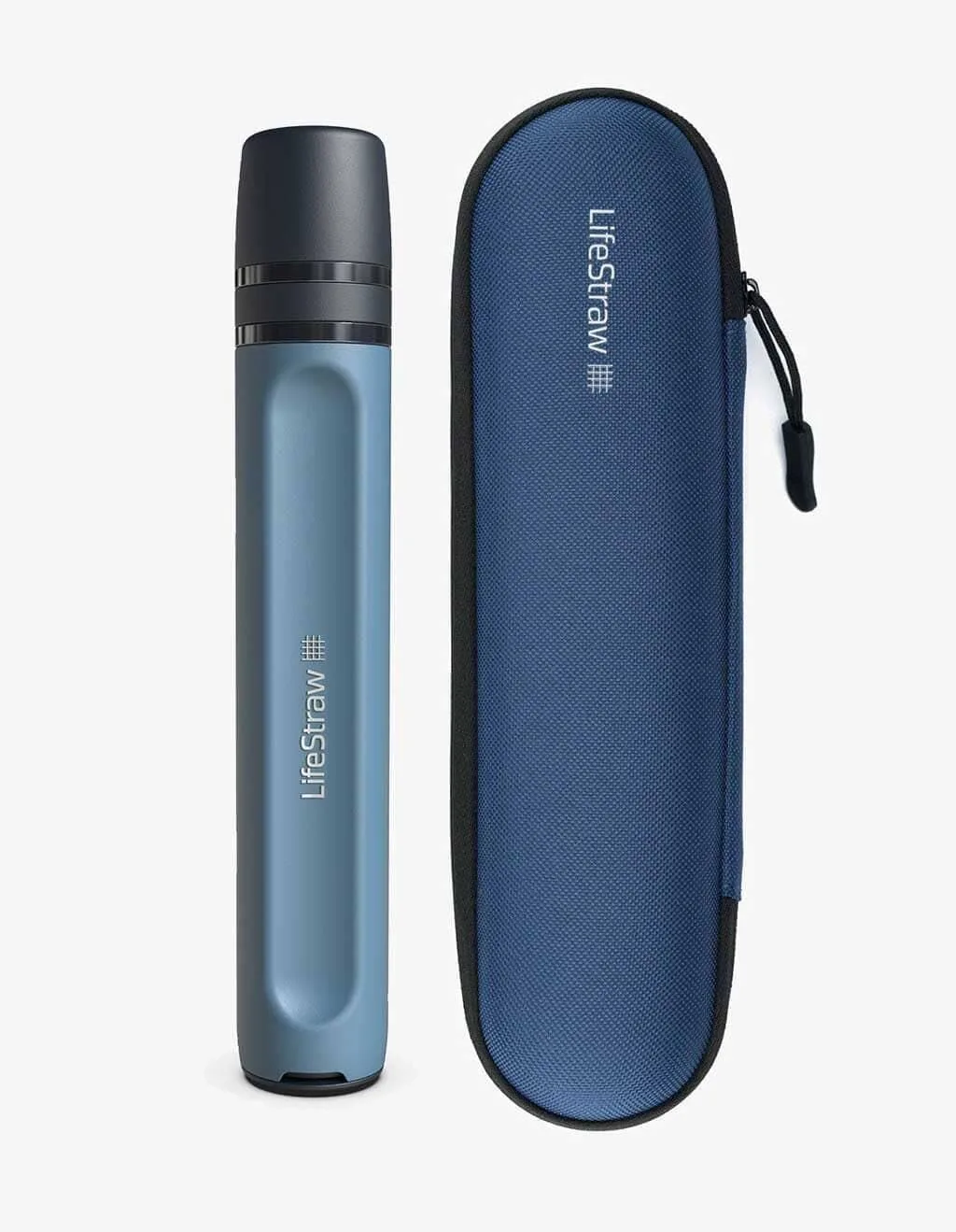
Initial cost is often a deciding factor. The LifeStraw Home 10-Cup is priced affordably, usually under $70, with replacement filters costing around $20–$25 each. For a family of four, that translates to about $40–$50 per year in filter replacements (depending on usage). LifeStraw also offers bundles like the https://outdoorvault.store/products/lifestraw-peak-series-straw-and-carry-case-bundle-63353LifeStraw Peak Series Straw and Carry Case Bundle, which combines a portable straw with a carrying case for under $40—perfect for backpacking or emergency kits.
Berkey systems have a much higher upfront cost. A Big Berkey with two Black Berkey elements starts around $280–$350, and replacement elements are about $100–$130 per pair. However, those elements last 3,000 gallons, so the per-gallon cost is lower over time—roughly $0.04 per gallon for Berkey vs. $0.05–$0.07 per gallon for LifeStraw Home filters. For heavy daily use over many years, Berkey can be more economical. But if you’re on a tight budget or only need occasional filtration, LifeStraw offers better value.
- LifeStraw Home 10-Cup: ~$70 upfront, ~$25/year for replacements (1,000 gal).
- Big Berkey: ~$300 upfront, ~$100/3,000 gal for elements.
- Best for budget: LifeStraw wins on low entry cost. Best for long-term off-grid: Berkey wins on per-gallon cost.
Which One Should You Choose? A Quick Decision Guide
If you live in a city apartment, travel frequently, or want a simple countertop solution for better-tasting tap water, the LifeStraw Home 10-Cup is the clear winner. It’s fast, lightweight, and requires almost no maintenance. For off-grid living where you need to filter large volumes of untreated water (from a lake, river, or rainwater collection), Berkey’s higher capacity and longer filter life make it a stronger contender—provided you’re willing to deal with the bulk and upkeep.
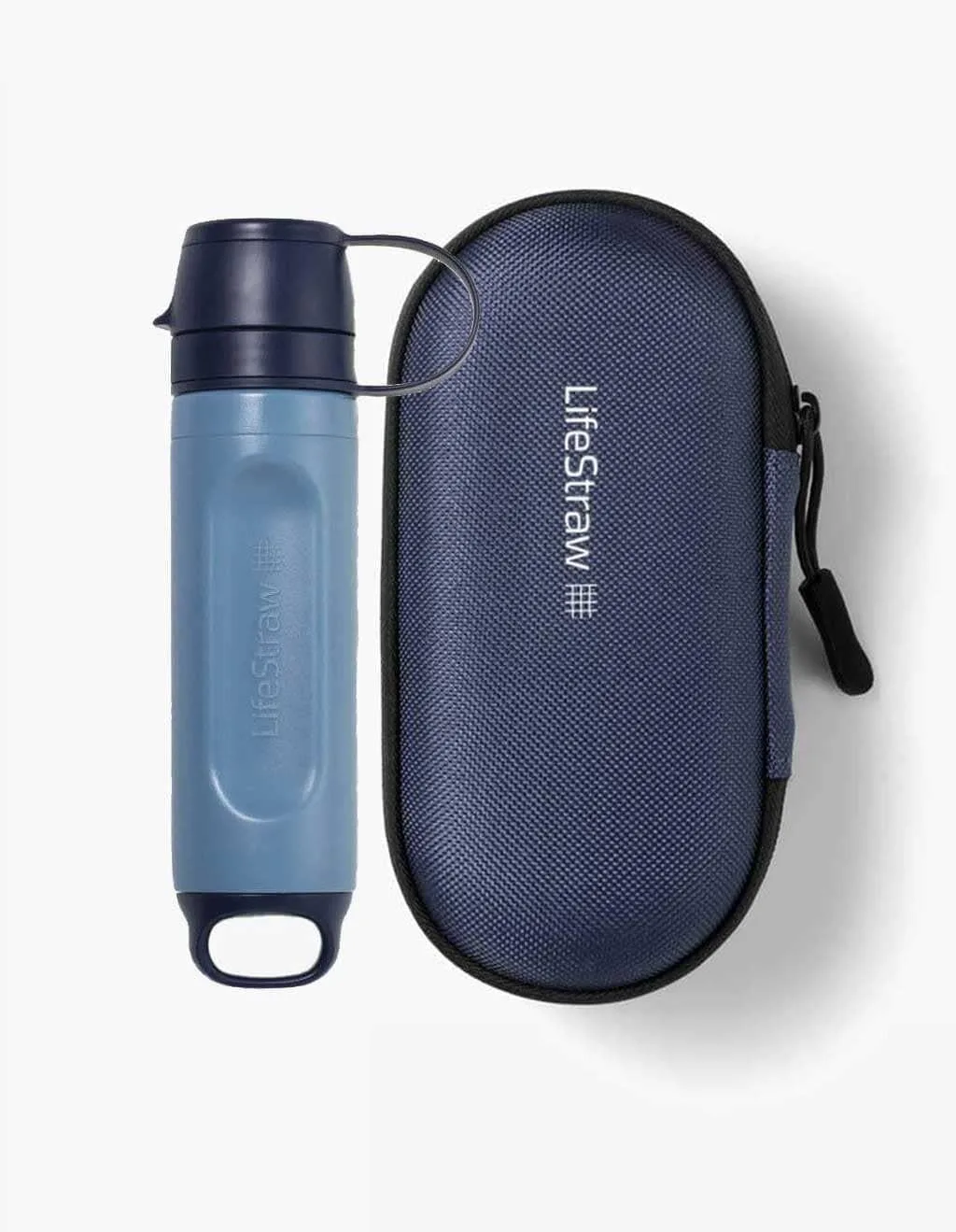
For emergency preparedness, consider pairing a LifeStraw gravity system with a portable option like the LifeStraw Personal Straw Filter Carry Case. This gives you both home and on-the-go filtration without breaking the bank. Ultimately, your choice depends on your water source, daily volume, and how much you value portability over long-term cost savings.
LifeStraw filters are certified to meet EPA and NSF standards for bacteria and protozoa removal, while Berkey’s claims for virus and chemical removal are based on third-party testing but not always NSF-certified. Always check your local water quality reports before making a final decision.
- Choose LifeStraw if: You need fast, portable, low-maintenance filtration for home or travel.
- Choose Berkey if: You have a permanent off-grid setup, need high daily volume, and want long-lasting elements.
- Pro tip: For emergency kits, a LifeStraw straw + Home pitcher combo covers both personal and family needs.
Whether you prioritize speed and portability or long-term capacity and chemical removal, both LifeStraw and Berkey offer reliable gravity filtration. For most home users and off-grid beginners, the LifeStraw Home 10-Cup delivers exceptional value with minimal fuss. Explore the LifeStraw Home 10-Cup today and enjoy clean, great-tasting water straight from your countertop.