When you're miles into the backcountry and your water bottle runs dry, the next stream or lake looks like a lifesaver. But drinking untreated water can expose you to bacteria, protozoa, and viruses that cause serious illness. Backpackers have long relied on boiling as the gold standard for water purification, but portable filters like LifeStraw have become incredibly popular in recent years. So which method truly wins for hiking water safety?
In this article, we compare LifeStraw vs boiling water across key factors: effectiveness against pathogens, convenience on the trail, weight and packability, cost over time, and taste. Whether you're a weekend warrior or a thru-hiker, understanding the trade-offs will help you make an informed choice for your next adventure.
Effectiveness: How Well Do They Remove Pathogens?
Boiling water is a time-tested method that kills nearly all pathogens when brought to a rolling boil for at least one minute (or three minutes at high altitude). It effectively destroys bacteria, viruses, protozoa, and parasites. However, boiling does not remove chemical contaminants, sediment, or heavy metals. You'll still have murky or bad-tasting water if the source is polluted with runoff or minerals.
LifeStraw filters use hollow fiber membrane technology to physically remove 99.9999% of bacteria, 99.99% of viruses, and 99.999% of protozoa, depending on the model. For example, the LifeStraw Go Series 22 oz and LifeStraw Peak Series Collapsible Squeeze 1L Bottle with Filter are both tested against EPA standards. They also reduce microplastics and sediment, improving clarity and taste. But they don't eliminate chemical pollutants or heavy metals unless you use an activated carbon attachment like the LifeStraw Peak Series - Activated Carbon Filter Attachment. In short, both methods are highly effective against biological dangers, but filters add physical removal that boiling lacks.
- Boiling kills all biological pathogens but does not remove sediment or chemicals.
- LifeStraw filters remove bacteria, protozoa, and microplastics, and some models reduce chemicals with carbon attachments.
Convenience on the Trail: Time, Fuel, and Effort
Boiling requires a heat source, a pot, and time. You need to collect water, build or light a stove, wait for the water to reach a rolling boil, then let it cool before drinking. In cold weather or at high altitude, this process can take 15–20 minutes or more. It also consumes fuel, which adds weight and requires planning for resupply. If you're hiking in a dry area where fire is restricted, boiling may not even be an option.
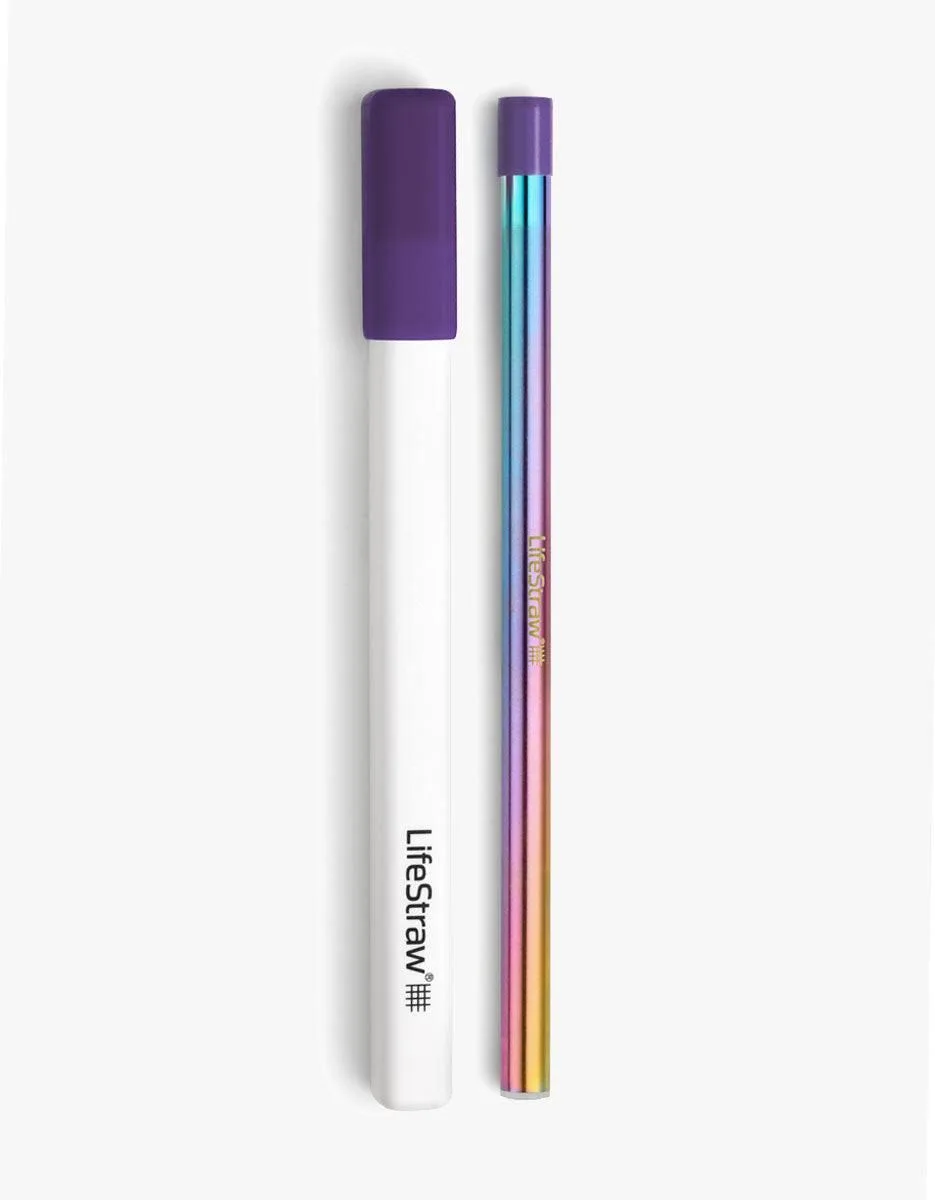
A LifeStraw filter is nearly instant. With the LifeStraw Sip Water Filter Straw, you can drink directly from a stream without pumping or waiting. Bottle-based systems like the LifeStraw Go Series Stainless Steel | Silicone base 18 oz let you fill up and sip through the integrated straw. The LifeStraw Peak Series Collapsible Squeeze 1L Bottle with Filter is especially convenient for squeezing water into a bottle or hydration pack. No fuel, no waiting, no cooling—just clean water on demand. For long days on the trail, this time savings can be a game-changer.
- Boiling takes 15–20 minutes per liter including setup and cooling.
- LifeStraw filters provide instant water without fuel or waiting.
Weight and Packability: What Goes in Your Pack?
Boiling gear adds significant weight. A typical camping stove, fuel canister, pot, and lighter can weigh 1–2 pounds or more. For ultralight backpackers, every ounce counts. You also need to carry enough fuel for the duration of your trip, which can be bulky. If you're melting snow or treating large volumes, fuel consumption increases quickly.
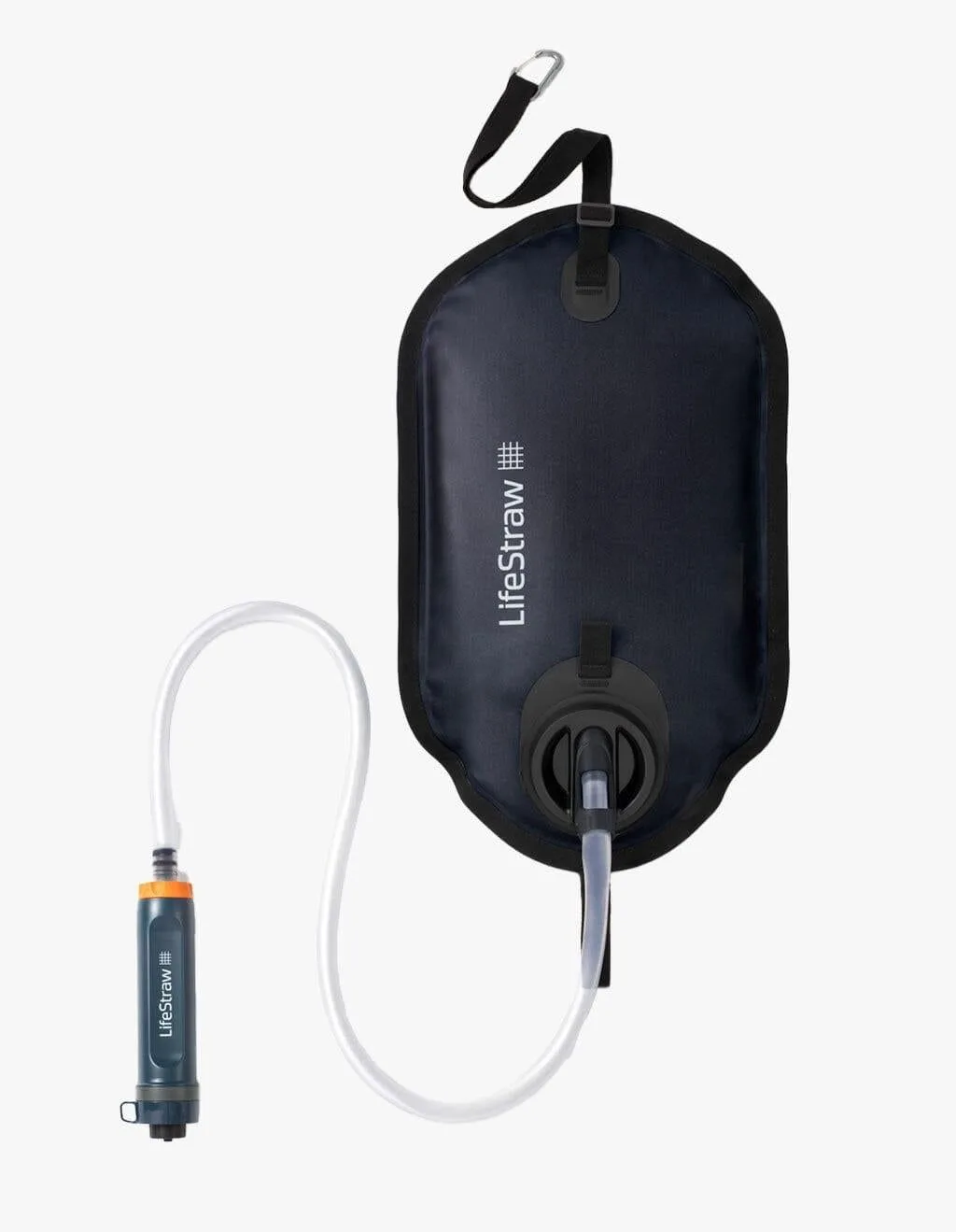
LifeStraw products are designed to be lightweight and compact. The LifeStraw Sip Water Filter Straw weighs just 2 ounces and is about the size of a large pen. The LifeStraw Go Series 22 oz bottle with filter is around 8 ounces and replaces both your water bottle and treatment system. For group trips, the LifeStraw Peak Series Gravity Filter System – 3L weighs about 11 ounces and filters up to 8 liters per hour without pumping. In terms of packability, filters win hands down.
- Boiling gear: 1–2+ pounds plus fuel weight.
- LifeStraw filters: 2–11 ounces depending on model, no fuel needed.
Cost Over Time: Initial Investment and Maintenance
Boiling requires an upfront cost for a stove, pot, and fuel, but fuel is relatively cheap per trip. However, if you hike frequently, fuel costs add up. A single canister of isobutane costs $5–10 and lasts 2–4 days of cooking. Over a season, you might spend $30–60 on fuel alone. The gear itself can last for years with care.
LifeStraw filters have a higher initial cost but lower ongoing expenses. The Adventure soulmates - LifeStraw Go Series 22 oz bundle is a great value for couples or hiking partners. Individual filters last for up to 1,000 gallons (depending on model) before needing replacement. Replacement filters cost around $20–30, which is far cheaper than buying bottled water or fuel for boiling. For example, the LifeStraw Go Series 22 oz filter lasts for 1,000 gallons, making it extremely cost-effective for regular use.
- Boiling: $30–60 per season in fuel costs, plus initial gear investment.
- LifeStraw: $20–30 per filter replacement every 1,000 gallons; no fuel costs.
Taste and Water Quality: Does It Affect Your Experience?
Boiling can make water taste flat because it removes dissolved oxygen. Some hikers find this unappealing, especially after a long climb. You can improve the taste by pouring water between two containers or adding an electrolyte tablet, but that adds weight and steps. Boiling also doesn't remove any earthy or metallic flavors from the source water.
LifeStraw filters improve taste by removing sediment, chlorine (if using a carbon version), and organic compounds that cause bad flavors. The LifeStraw Peak Series - Activated Carbon Filter Attachment further reduces chlorine and improves taste for those who are sensitive. Many users report that filtered water tastes fresh and clean, similar to bottled spring water. For a more pleasant hydration experience on the trail, filters generally outperform boiling.
- Boiling: flat taste, no removal of sediment or chemicals.
- LifeStraw: removes sediment and improves taste, especially with carbon attachments.
Both boiling and LifeStraw filters are reliable methods for backpacking water treatment, but they suit different needs. Boiling is a solid backup if your filter fails or if you're treating water with chemical contamination. However, for most hikers, a portable filter offers unmatched convenience, weight savings, and instant access to clean water. If you're ready to upgrade your hiking kit, explore the LifeStraw Go Series 22 oz or the LifeStraw Peak Series Collapsible Squeeze 1L Bottle with Filter to stay safe and hydrated on every adventure.