When you're counting every gram in your pack, the choice of a water filter can make or break your backcountry experience. Ultralight backpackers need a squeeze water filter that is lightweight, fast-flowing, and reliable enough to keep you hydrated without adding bulk. Two of the most popular contenders in this space are LifeStraw and Platypus. Both brands offer squeeze-style filters designed for trail use, but they approach the challenge differently. In this article, we'll pit LifeStraw against Platypus to see which squeeze water filter truly earns a spot in your ultralight kit.
We'll compare key factors like weight, flow rate, filter lifespan, ease of use on the trail, and overall durability. Whether you're a thru-hiker, weekend warrior, or emergency prepper, understanding the differences between these two systems will help you make an informed decision. Let's dive into the details and find out which portable water filter is best for your ultralight backpacking needs.
Weight and Packability: The Ultralight Showdown
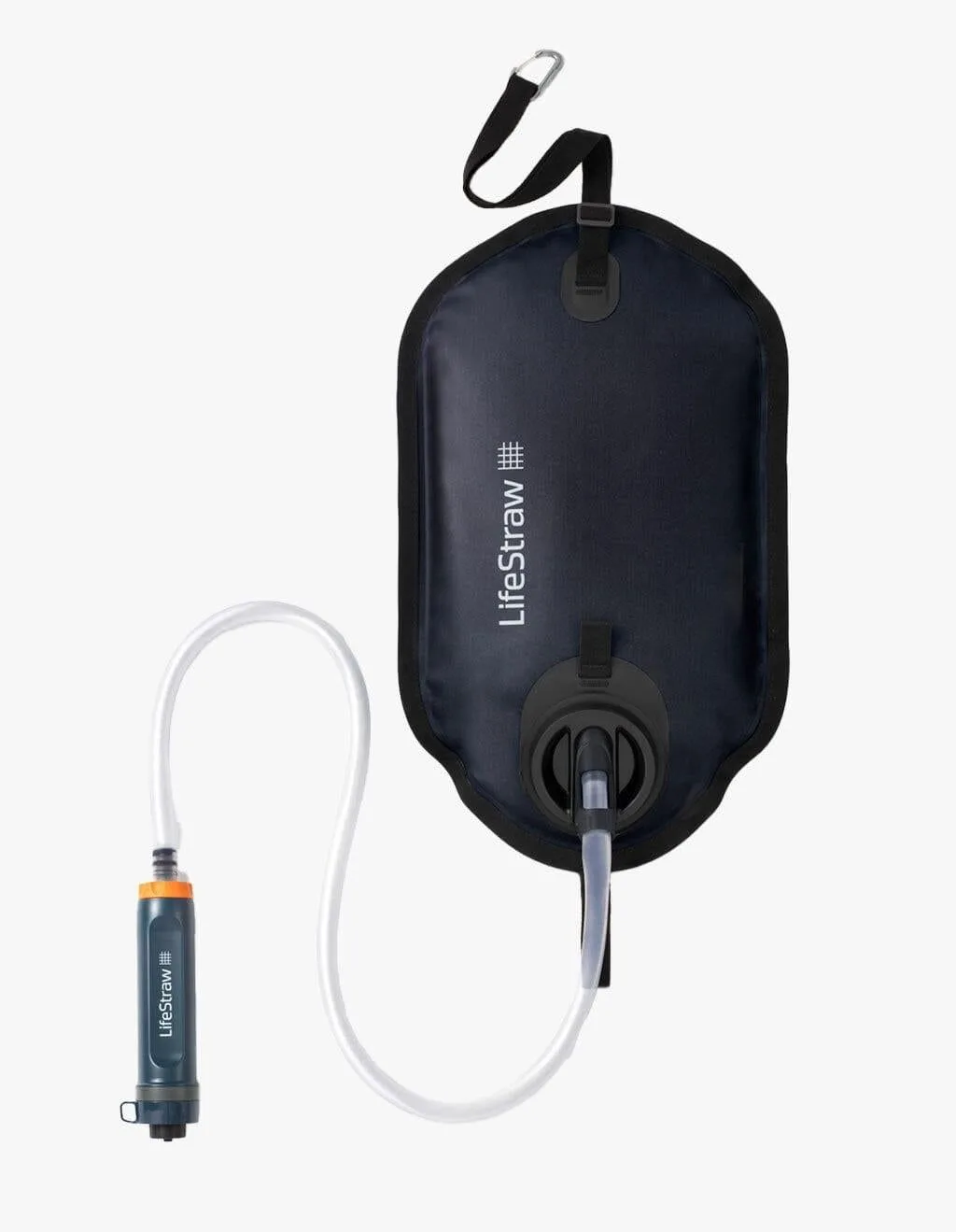
For ultralight backpackers, every ounce matters. The LifeStraw squeeze filters, such as the LifeStraw Escape, are designed to be compact and lightweight, often weighing around 2.5 ounces. They integrate directly into a squeeze bag or bottle system, making them easy to stash in a side pocket or hip belt pouch. The LifeStraw Escape, in particular, offers a streamlined design that fits comfortably in your hand and packs down small, ideal for minimalist trips where space is at a premium.
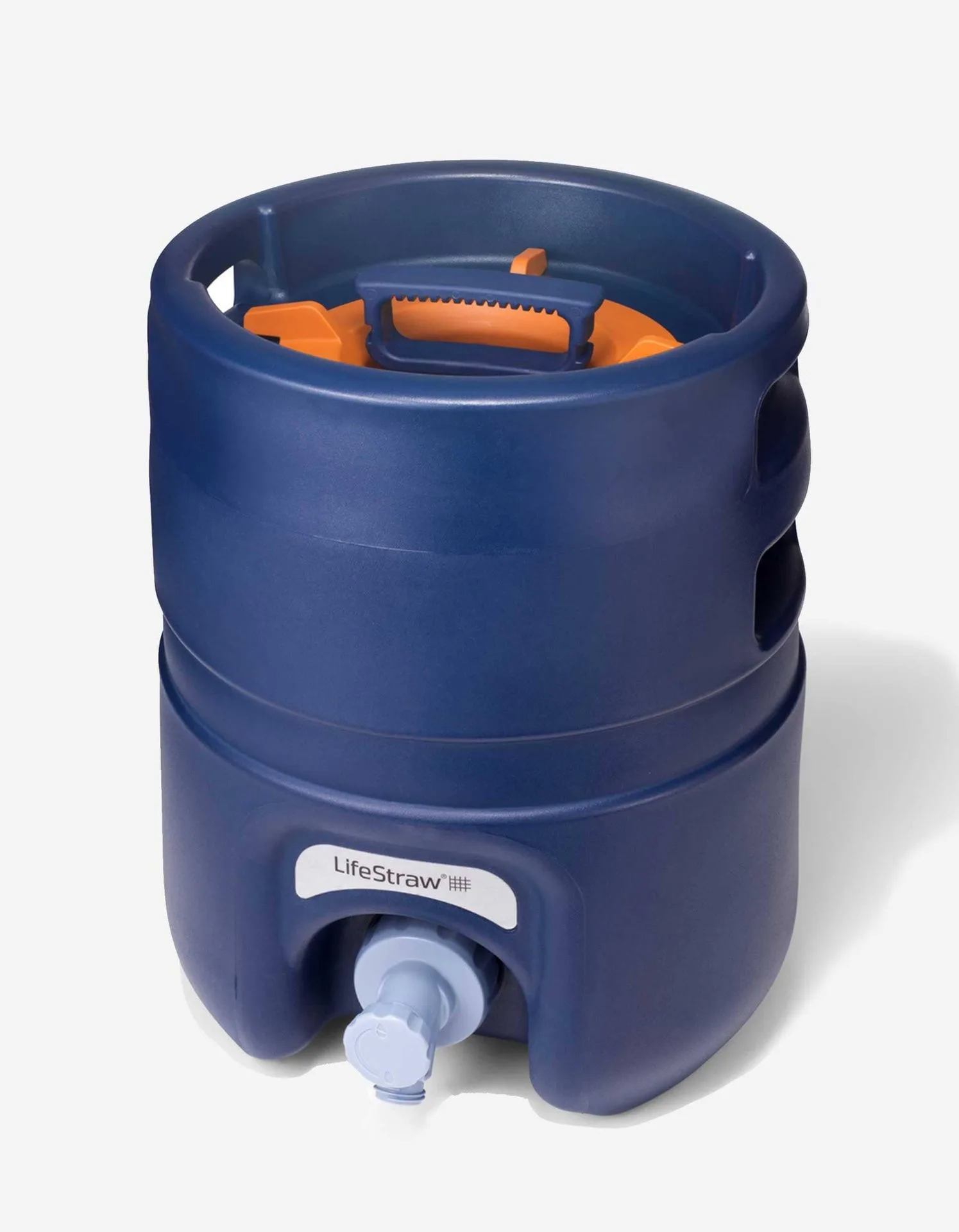
LifeStraw Escape
Platypus filters, on the other hand, tend to be slightly heavier—around 3.5 ounces for the standard QuickDraw system. However, they feature a unique hollow-fiber membrane that can be backflushed easily, and the system includes a dedicated squeeze bottle that doubles as a dirty water container. While the extra ounce might matter on a long thru-hike, many users appreciate the integrated bottle design for its convenience. Ultimately, if weight is your absolute priority, LifeStraw has a slight edge, but the difference is marginal for most adventurers.
- Pro tip: If you're pairing your filter with a LifeStraw Go Series Tumbler 18 oz for camp hydration, you can save weight by using the tumbler as a clean water reservoir instead of carrying a separate bottle.
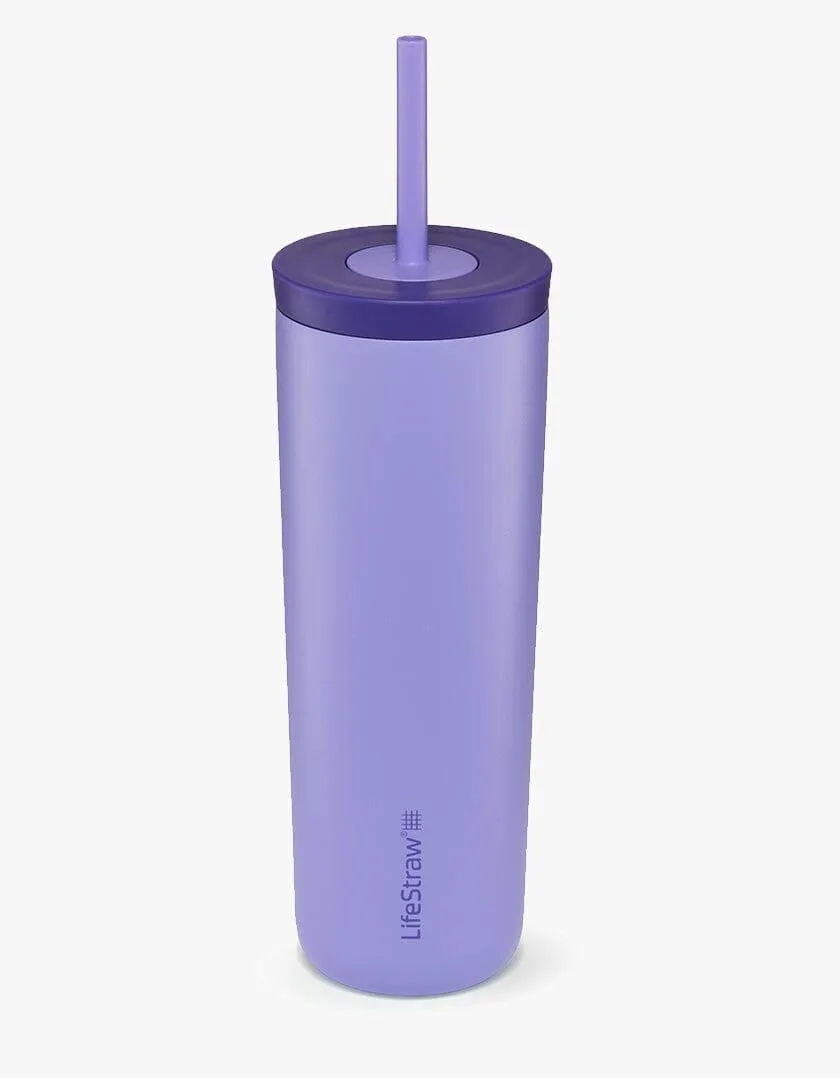
LifeStraw Go Series Tumbler 18 oz
Flow Rate and Filtration Speed: How Fast Can You Drink?
Flow rate is critical when you're thirsty after a long climb. LifeStraw squeeze filters typically deliver around 2 liters per minute, which is respectable for a portable system. The LifeStraw Escape, for instance, uses a membrane ultrafilter that removes bacteria, protozoa, and microplastics while maintaining a steady flow. However, some users report that the flow slows down over time if the filter isn't cleaned regularly, so maintenance is key.
Platypus claims a faster flow rate of up to 3 liters per minute with their QuickDraw system, thanks to a larger surface area hollow-fiber membrane. In practice, the difference is noticeable—especially when filling a large water bottle or cooking pot. Platypus also includes a cleanable pre-filter that extends the life of the main filter. If speed is your priority and you don't mind the extra half-ounce, Platypus may be the better choice. But for most solo backpackers, LifeStraw's flow is more than adequate.
- Remember to backwash your filter after each trip to maintain optimal flow. LifeStraw offers replacement filters like the LifeStraw Escape Membrane Ultrafilter Replacement to keep your system performing like new.
Filter Lifespan and Replacement Costs
Long-term value matters when you're investing in a filter. LifeStraw squeeze filters are rated for up to 1,000 gallons (about 4,000 liters) per filter, which is impressive for such a lightweight device. The LifeStraw Escape, for example, uses a membrane ultrafilter that can be cleaned multiple times before needing replacement. Replacement filters are reasonably priced and easy to swap out, making this a cost-effective option for frequent backpackers.
Platypus filters are rated for a similar lifespan (around 1,000 liters), but the replacement cartridges tend to be slightly more expensive. However, Platypus offers a field-repairable design that allows you to backflush without any tools, which can extend the filter's life significantly. Both brands offer good value, but LifeStraw's lower replacement cost gives it a slight edge for budget-conscious adventurers. For group trips, consider the LifeStraw 5-Pack for an economical way to outfit your crew.
- Check your filter's condition before every trip. If you notice a significant drop in flow or a strange taste, it's time to replace the filter element.
Durability and Trail Reliability
On the trail, your filter needs to withstand drops, dirt, and freezing temperatures. LifeStraw filters are built with robust plastic housings and are tested to military standards for impact resistance. The LifeStraw Escape, in particular, features a reinforced shell that can handle rough handling. However, like all squeeze filters, you should avoid letting it freeze, as ice crystals can damage the membrane fibers.
Platypus filters are also durable, but their integrated bottle system means the bottle itself can be punctured or crushed if you're not careful. The filter cartridge is protected inside the bottle cap, which adds some security. In terms of long-term reliability, both brands perform well under normal conditions. LifeStraw's simpler design (fewer parts) may offer a slight advantage in terms of fewer failure points, but Platypus's backflush capability can save you from having to replace the filter mid-trip.
- Always store your filter in a warm, dry place between trips. If you're camping in sub-zero conditions, keep the filter inside your sleeping bag to prevent freezing.
Ease of Use in the Backcountry
When you're tired and hungry, the last thing you want is a complicated water filtration process. LifeStraw squeeze filters are straightforward: fill a dirty bag, screw on the filter, and squeeze directly into your mouth or a clean bottle. The LifeStraw Escape can also be used inline with a hydration bladder for hands-free drinking. This simplicity is a major plus for ultralight backpackers who want to minimize gear fiddling.
Platypus's system is similarly intuitive, but it requires you to use their proprietary squeeze bottle. While this works well, it can be a limitation if you lose or damage the bottle. Platypus does offer a universal adapter, but it's an extra piece to carry. LifeStraw's flexibility to work with standard disposable bottles (like a 1-liter soda bottle) is a huge advantage for international travel or emergency situations. For day hikes, the LifeStraw Go Series Tumbler 18 oz doubles as a clean drinking vessel, further simplifying your setup.
- Practice using your filter at home before your first trip. Knowing how to assemble and backflush your system will save you time and frustration on the trail.
Price and Overall Value
Price is always a factor, especially for budget-conscious backpackers. LifeStraw squeeze filters are generally more affordable upfront, with the LifeStraw Escape priced competitively compared to Platypus's QuickDraw. Additionally, LifeStraw's replacement filters are cheaper, which reduces the total cost of ownership over several seasons. For those who want a complete system, the LifeStraw Go Series Tumbler 24 oz offers an integrated filter and drinking vessel in one package.
Platypus commands a premium price, but you get a faster flow rate and a field-repairable design. If you're a heavy user who values speed and convenience, the extra cost may be justified. However, for most ultralight backpackers, LifeStraw offers the best balance of weight, performance, and price. The LifeStraw Escape is a standout choice for anyone looking to shed grams without sacrificing reliability.
- Consider your typical trip length and water sources. If you mostly hike in areas with clear streams, a simpler filter like LifeStraw works perfectly. For silty or murky water, Platypus's pre-filter may be worth the extra investment.
Choosing between LifeStraw and Platypus for ultralight backpacking ultimately comes down to your priorities. If weight and cost are your main concerns, LifeStraw's squeeze filters—especially the LifeStraw Escape—offer an unbeatable combination of portability, durability, and value. If you prioritize flow rate and field repairability, Platypus is a strong contender. Whichever you choose, both brands provide safe, reliable water in the backcountry. Ready to lighten your load? Check out the LifeStraw Escape and see how it fits into your ultralight setup.