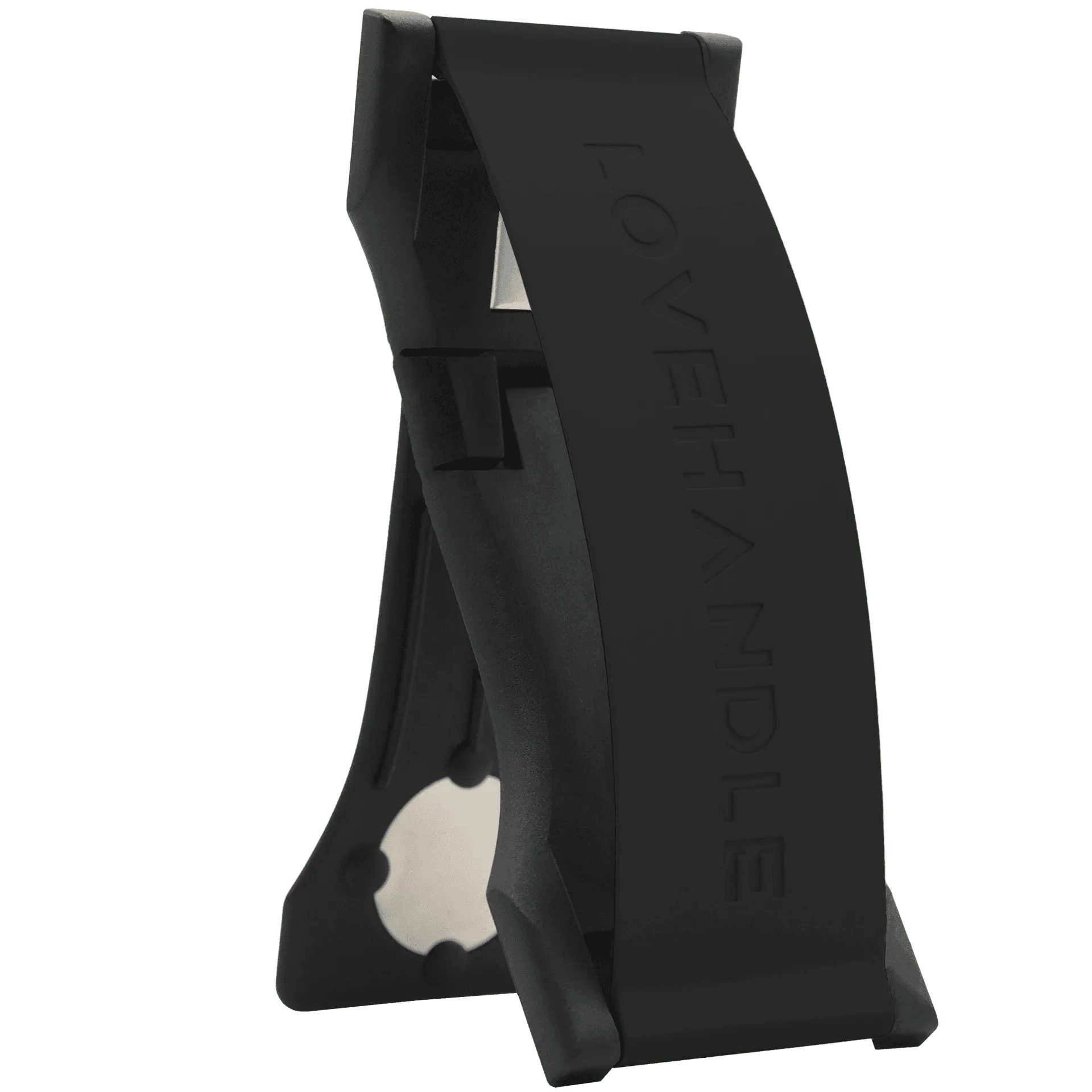
When it comes to organizing your keys, the debate between magnetic keychains and traditional key holders has never been more relevant. Both options aim to reduce pocket bulk and improve daily convenience, but they achieve this in very different ways. Magnetic keychains rely on strong magnets to keep keys together, while traditional key holders use screws, clips, or loops to secure them. Understanding the pros and cons of each can help you choose the best keychain for your lifestyle in 2025.
In this guide, we’ll break down the key differences, explore real-world uses, and highlight some of the best key organizers on the market. Whether you’re a minimalist, a frequent traveler, or someone who carries multiple keys daily, this comparison will help you make an informed decision.
How Magnetic Keychains Work: Convenience and Risks
Magnetic keychains use powerful neodymium magnets to hold keys together in a compact bundle. They typically consist of a small magnetic base that attaches to a key ring or directly to the keys themselves. The main advantage is speed: you can quickly separate keys from the bundle and reattach them without fiddling with screws or clips. This makes magnetic keychains ideal for people who frequently use different keys throughout the day, such as delivery drivers or facility managers.
However, magnetic keychains have notable drawbacks. The magnetic force can weaken over time, especially if the keychain is exposed to heat or physical shock. Additionally, the magnets may interfere with credit cards, hotel key cards, or pacemakers. They can also attract metal debris like paperclips or coins, adding unwanted bulk. For those who prioritize reliability and security, the risk of the bundle accidentally separating—especially in a bag or during physical activity—can be a dealbreaker.
- Quick access and reattachment without tools.
- Potential magnetic interference with electronics and medical devices.
- May attract metal debris and weaken over time.
Traditional Key Holders: The Proven Standard
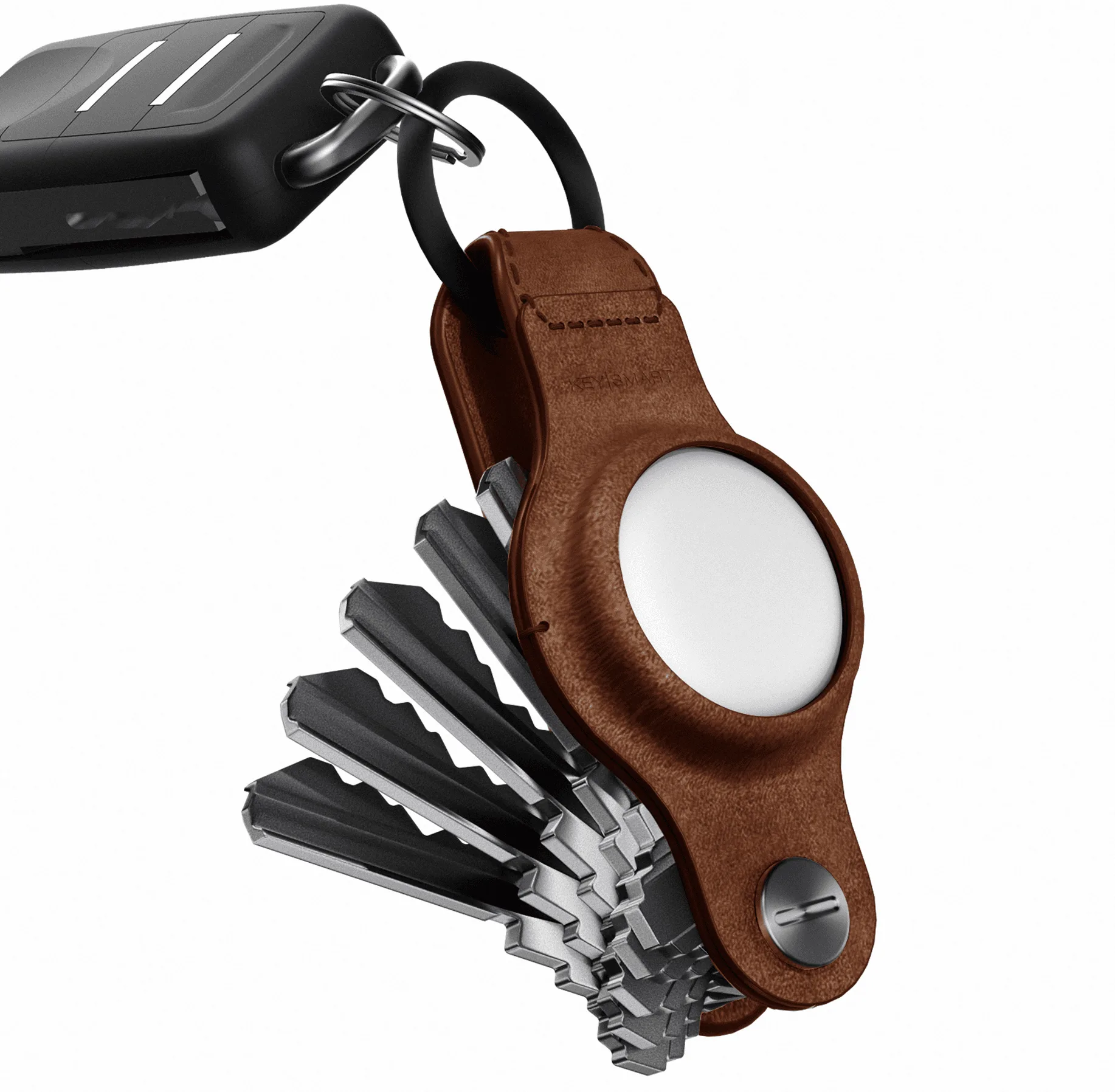
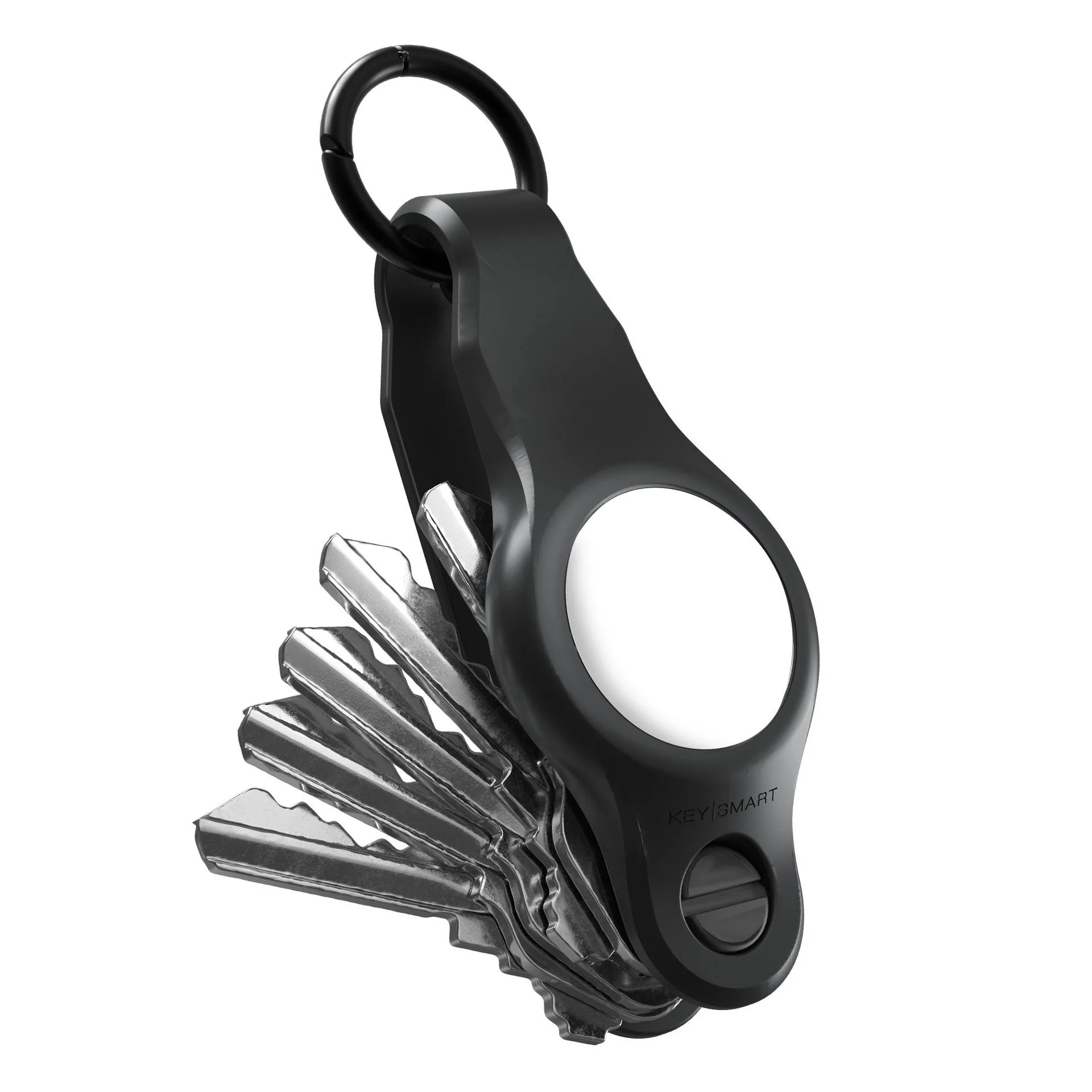
Traditional key holders, such as the Keysmart Loop, use a locking screw mechanism to securely stack and organize keys. These holders offer a rigid, compact form factor that prevents keys from jingling or scratching other items in your pocket. The Keysmart Loop, for example, can organize up to five keys and features a built-in loop for attaching to a bag or belt. Unlike magnetic options, traditional key holders provide a fixed arrangement that stays put until you intentionally loosen the screws.
The main trade-off is that adding or removing keys requires a small screwdriver or coin, which can be inconvenient if you need to swap keys frequently. However, for most users, the stability and peace of mind outweigh this minor hassle. Traditional key holders also allow for expansion, as seen with the Expansion Pack, which lets you increase capacity without buying a whole new unit. This modularity makes them a favorite among EDC enthusiasts who want a tailored setup.
- Secure, non-magnetic design prevents accidental separation.
- Requires a tool to add or remove keys, but offers long-term stability.
- Expandable with accessories for growing key collections.
Comparing Key Features: Magnetic vs Traditional Key Organizers
When deciding between a magnetic keychain and a traditional key holder, consider your daily routine. Magnetic keychains excel in scenarios where you need to detach and reattach keys multiple times per hour, such as in a warehouse or while driving. Traditional holders are better for everyday carry where you mostly use the same keys and want a sleek, quiet profile. Below is a comparison table to help you weigh the options.
Best Uses for Each Type of Keychain in 2025
Magnetic keychains shine in professional environments where keys are frequently exchanged, such as in property management or automotive service. They’re also popular among runners or gym-goers who want to quickly detach a single key without stopping. On the other hand, traditional key holders are ideal for daily commuters, travelers, and anyone who carries multiple keys and wants to avoid the jingle. The Keysmart Loop, for instance, is perfect for organizing house keys, office keys, and a car key fob in one slim package.
For those who want the best of both worlds, some users combine a traditional key holder with a magnetic quick-release attachment. This hybrid approach gives you the stability of a screw-based system with the convenience of magnetic detachment for specific keys. However, this adds complexity and bulk, so it’s best for advanced EDC users.
- Magnetic: Best for frequent key swapping in work or fitness settings.
- Traditional: Best for stable, quiet everyday carry and travel.
- Hybrid: Combines both but adds bulk and complexity.
Top Traditional Key Holders to Consider in 2025
If you lean toward traditional key holders, the Keysmart Loop is a standout choice. It organizes up to five keys with locking screws, and its compact design fits easily in a pocket or bag. For those with more keys, the Expansion Pack allows you to add extra spacers and screws, effectively doubling or tripling the capacity. This modular approach means you can start small and grow your key organizer as needed.
Another excellent option is the Keysmart Loop Red, which offers the same functionality in a bold color. Both models are made from durable materials and include a built-in loop for attaching to a keychain or carabiner. These holders are compatible with most standard keys and can also accommodate small tools like a bottle opener or USB drive.
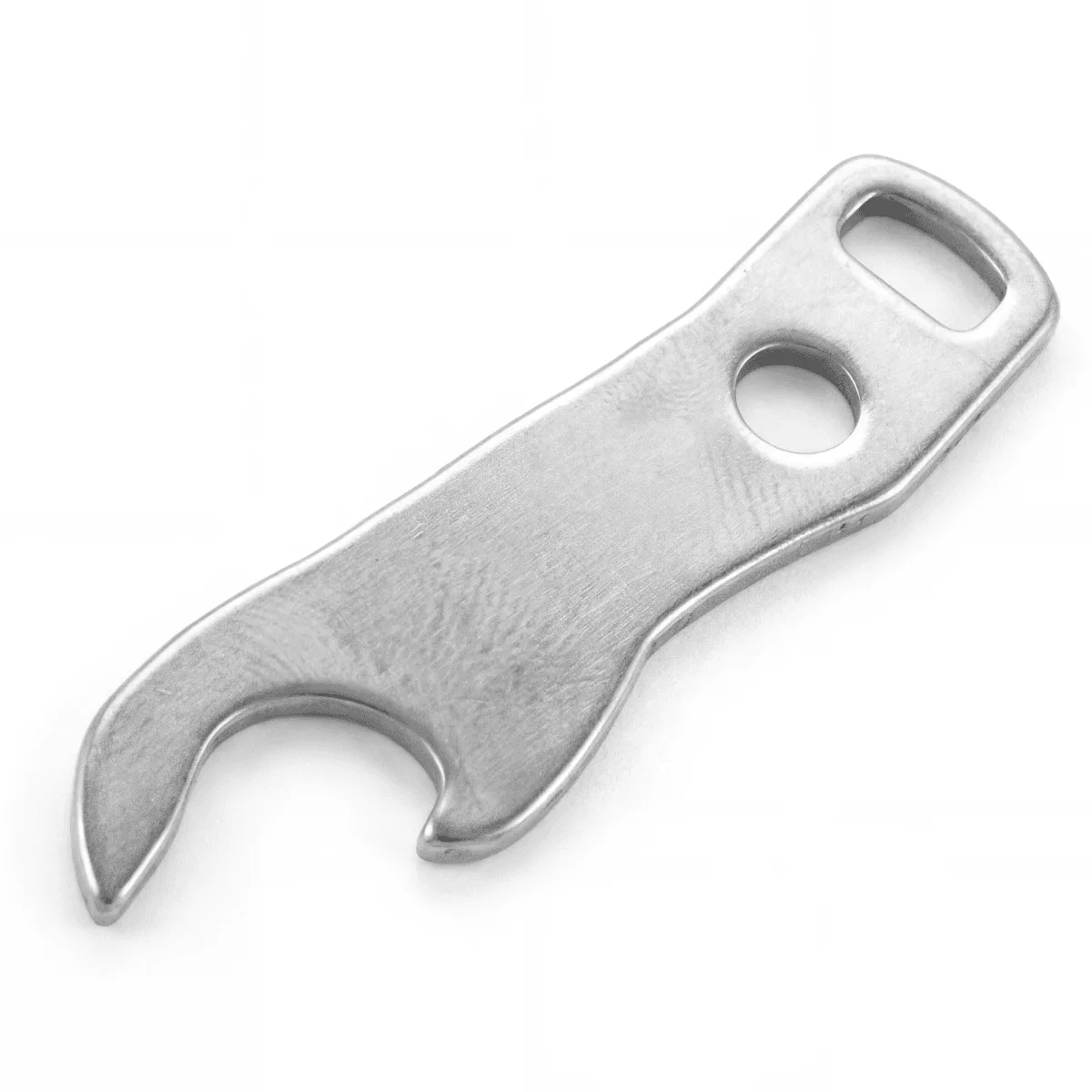
bottle opener
- Keysmart Loop: Holds up to 5 keys, locking screws, compact.
- Expansion Pack: Adds capacity for larger key sets.
- Keysmart Loop Red: Same features in a vibrant finish.
Why Traditional Key Holders Are Often the Better Choice for EDC
For most everyday carry scenarios, traditional key holders provide a better balance of security, durability, and organization. The risk of losing keys due to a weak magnet is eliminated, and the rigid stack prevents keys from bending or scratching your phone. Additionally, traditional holders can be customized with accessories like a pocket clip or a quick-release ring, giving you more flexibility than a standalone magnetic solution.
Magnetic keychains have their place, but they often fall short for long-term reliability. If you’re investing in a key organizer for daily use, a model like the Keysmart Loop is a proven choice that will last for years. Pair it with a compact charger like the Statik 360 Pro White for a complete EDC setup that covers both key management and device charging.
Choosing between a magnetic keychain and a traditional key holder ultimately depends on your daily needs. If you value quick, tool-free access and don’t mind occasional magnetic quirks, a magnetic keychain might work. But for most people, a traditional key holder like the Keysmart Loop offers superior security, expandability, and peace of mind. Explore the Keysmart Loop to see how it can transform your daily carry into a streamlined, jingle-free experience.