Creating a beautifully set table is about more than just placing plates and cutlery. The harmony between your dinner napkins and dinnerware can elevate an ordinary meal into a memorable dining experience. Whether you're hosting a casual family dinner or an elaborate holiday gathering, the right napkin pairing brings balance, texture, and personality to your table.
In this guide, you'll learn practical strategies for matching napkins with plates, bowls, and flatware. From color theory to fabric choices, we'll cover everything you need to build a cohesive look that feels intentional and inviting. And we'll highlight a few key products from Material that make pairing effortless.
Start with Your Dinnerware: The Foundation of Your Tablescape
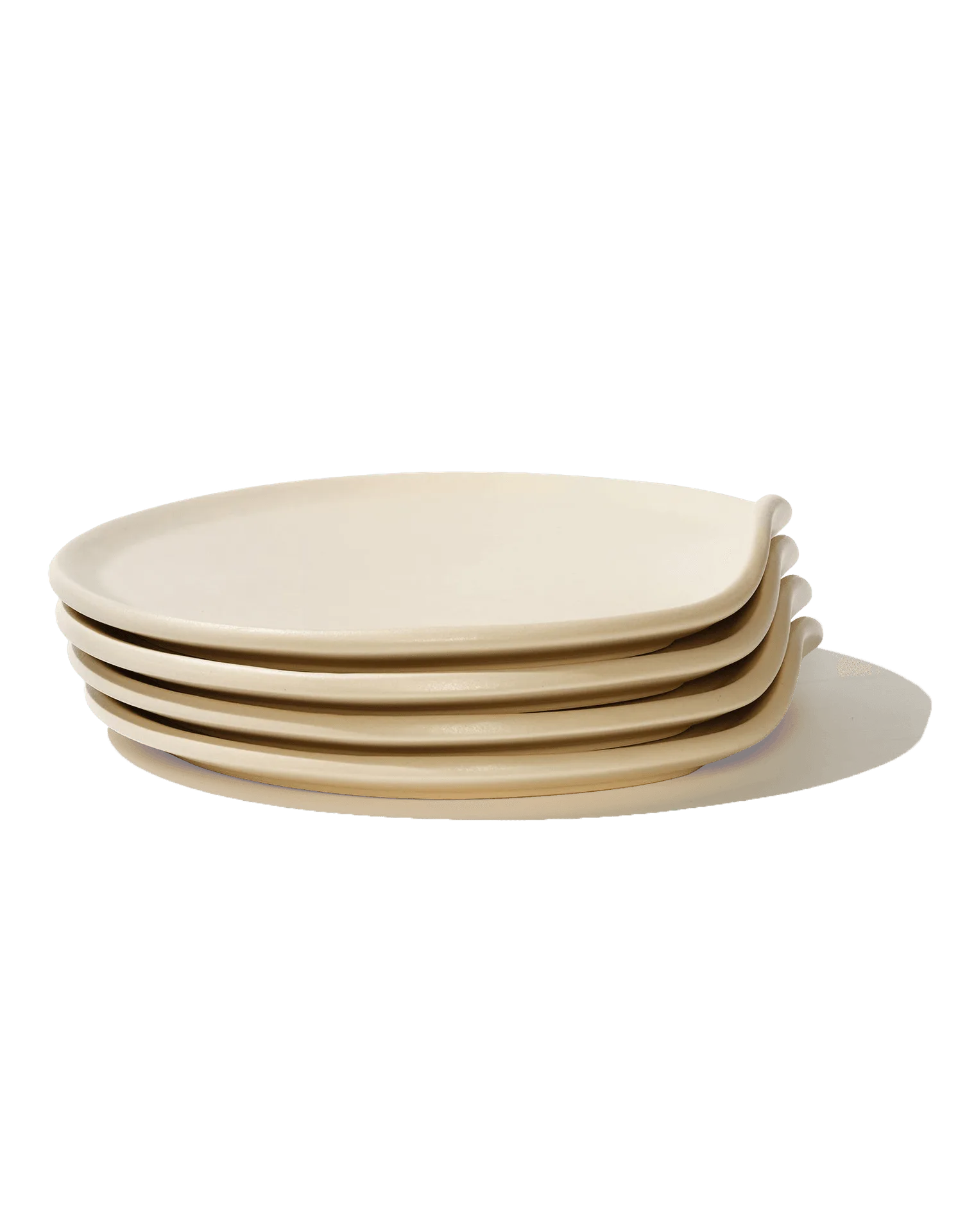
Your plates, bowls, and serving pieces set the visual tone for the table. Before choosing napkins, take a close look at your dinnerware's color, finish, and shape. A minimalist white plate offers a blank canvas, while a handcrafted ceramic bowl with reactive glaze introduces subtle variation. For example, the Dinner Plate Single from Material features a clean, modern silhouette that works beautifully with both bold and neutral napkins. If your dinnerware has a matte or textured surface, consider pairing it with linen napkins to echo that organic feel.
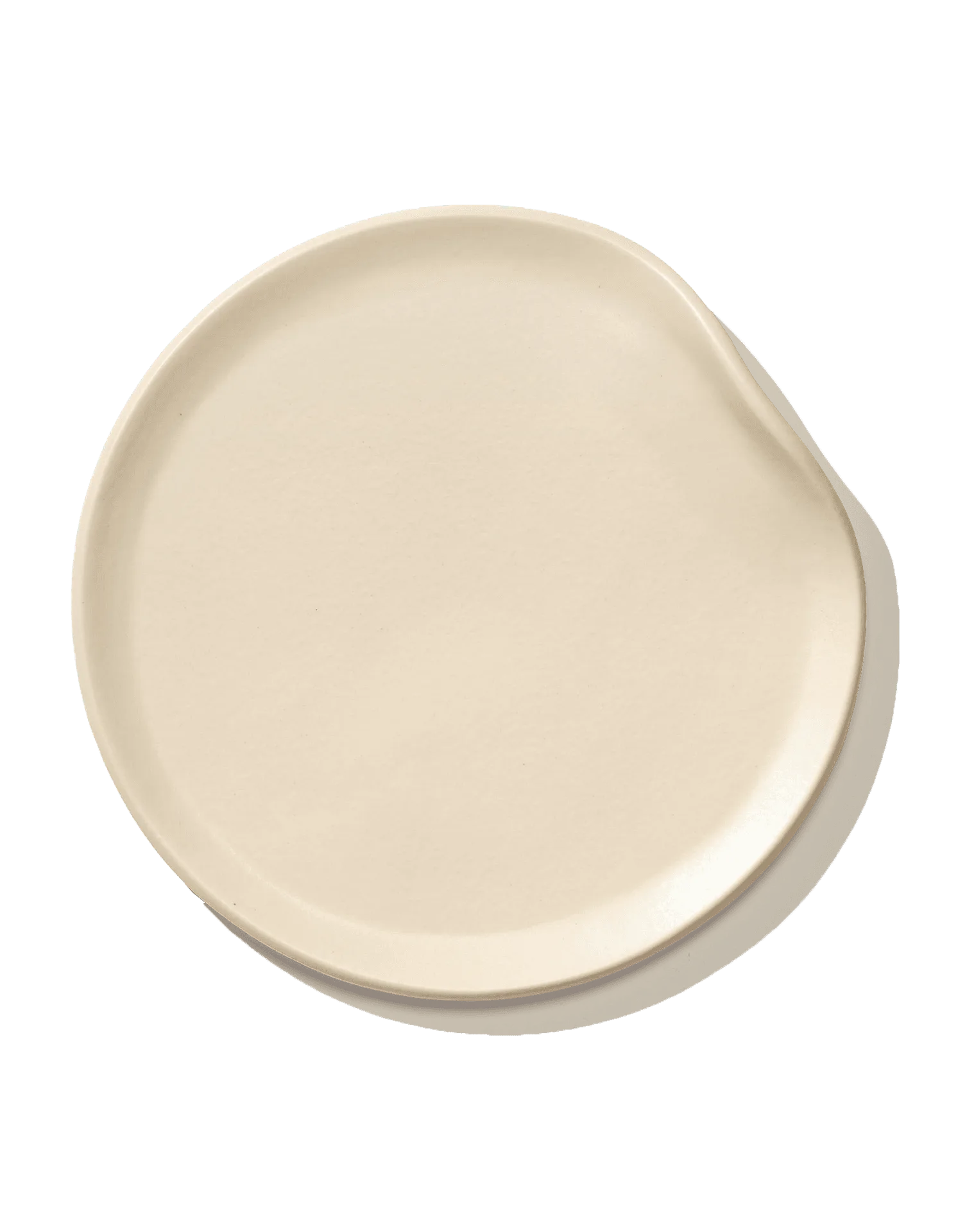
Dinner Plate Single
Think about the overall mood you want to create. Crisp white plates call for napkins that add warmth or contrast, such as earthy tones or soft stripes. Stoneware with speckled glaze pairs well with muted solids or subtle patterns. The key is to let your dinnerware lead, then choose napkins that complement without competing.
- Match the napkin's weight to the plate's heft: heavier stoneware pairs nicely with substantial linen napkins.
- For patterned dinnerware, choose solid napkins that pick up one of the accent colors in the pattern.
Color Theory Made Simple: Harmonizing Napkins and Plates
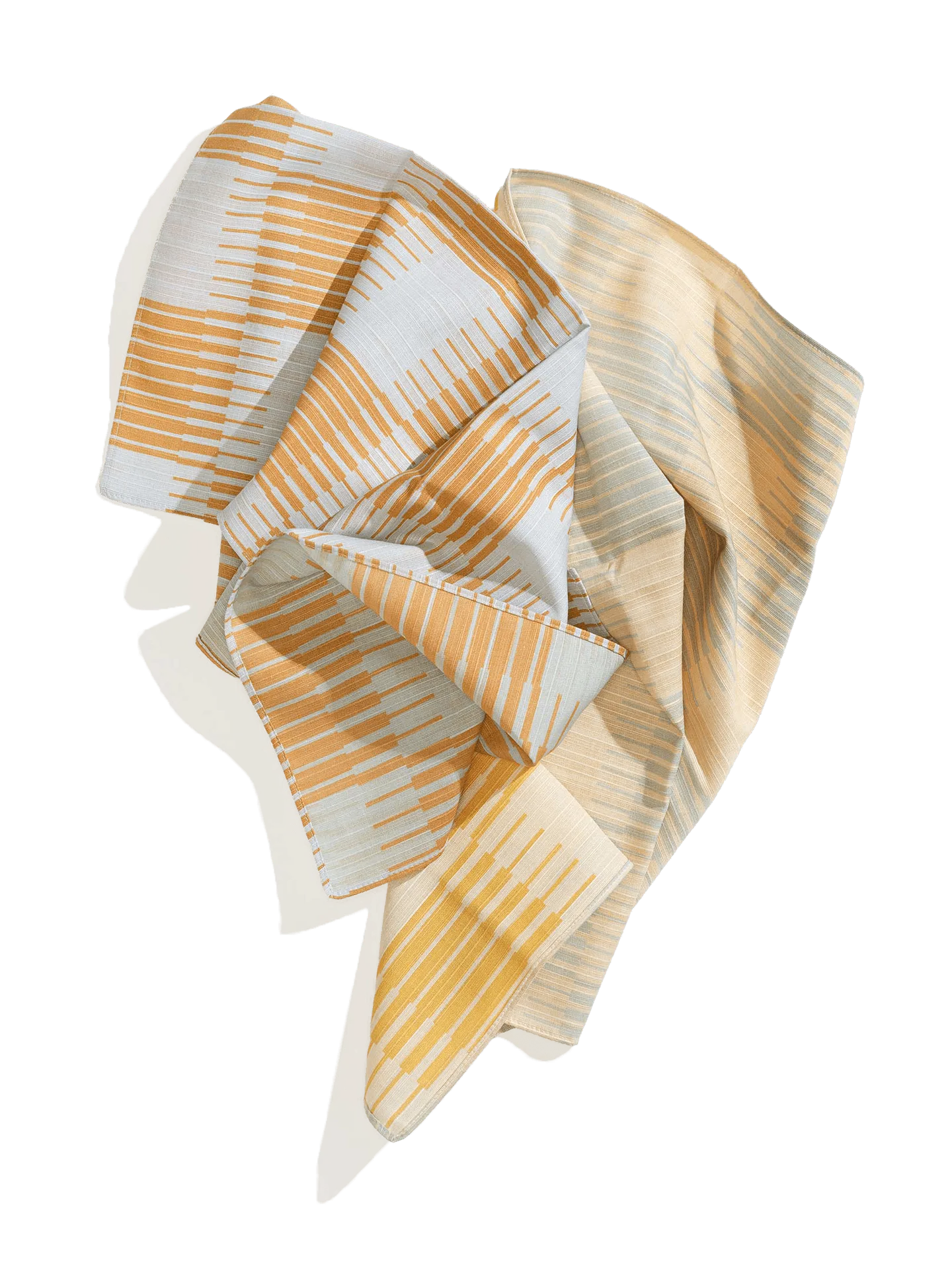
Color is the most powerful tool for creating a cohesive look. Start with a base palette from your dinnerware. If your plates are neutral white or beige, you have the freedom to experiment with any napkin color. For a serene, monochromatic table, choose napkins in the same color family but a few shades lighter or darker. This approach is especially effective with the Dinner Napkins Double Sided Stripe - Quiet Season, which offers two tones in one napkin, allowing you to flip between a lighter and darker side depending on your mood.
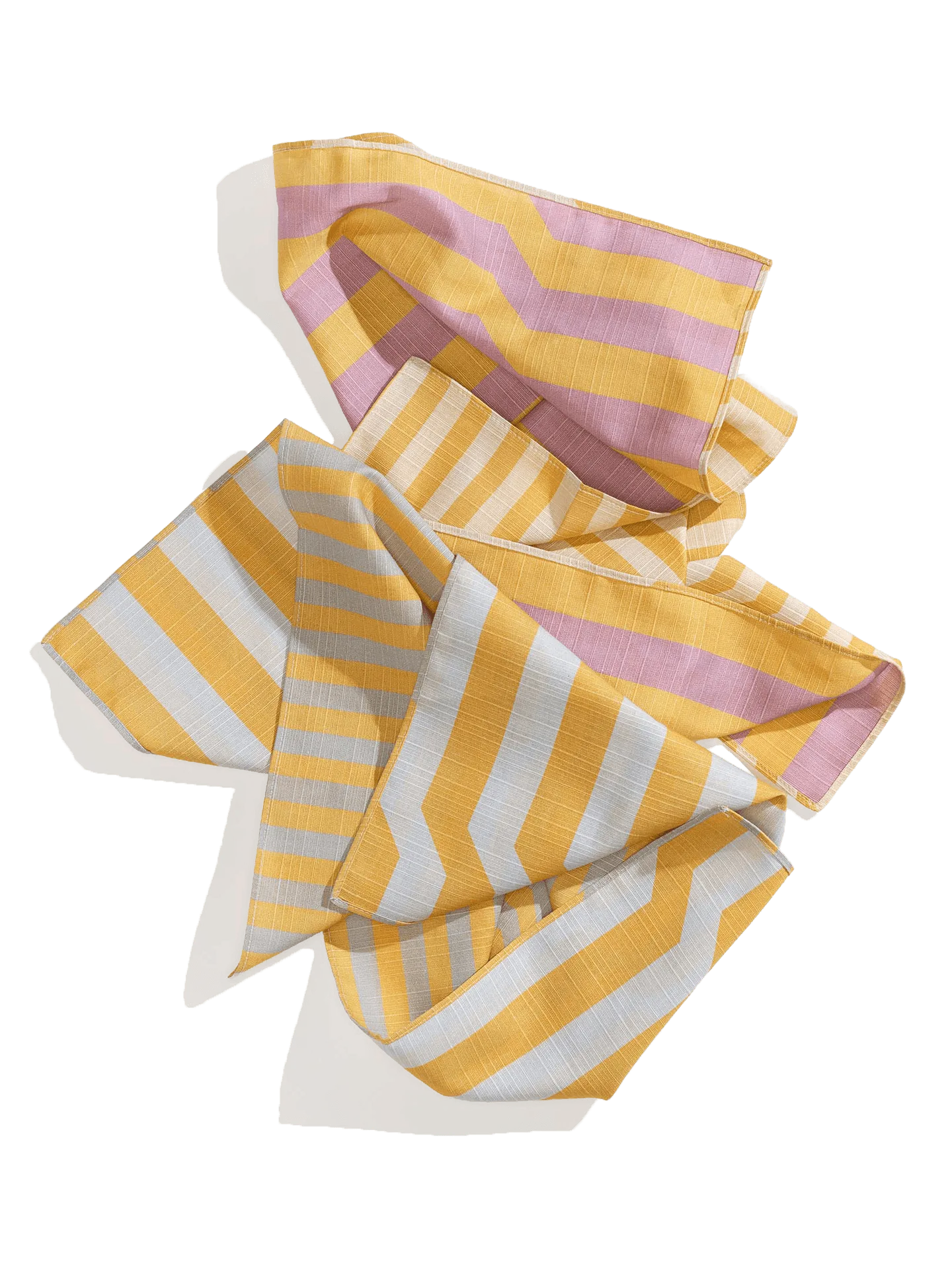
Dinner Napkins Double Sided Stripe - Quiet Season
If your dinnerware features a bold color or pattern, select napkins that are either complementary (opposite on the color wheel) or analogous (next to each other). For example, deep blue plates pair beautifully with warm terracotta or soft cream napkins. A safe and stylish rule is to use one neutral and one accent color: let your plates be the neutral and your napkins the accent, or vice versa.
- Use a color wheel app to find complementary hues for your existing dinnerware.
- When in doubt, opt for a neutral napkin with subtle texture to let colorful plates shine.
Texture and Fabric: Adding Depth to Your Table
Texture is the secret ingredient that prevents a tablescape from feeling flat. Combining different materials — smooth porcelain, rustic linen, polished flatware — creates visual interest and tactile pleasure. For dinner napkins, fabric choice matters as much as color. Linen napkins offer a relaxed, natural look that softens the formality of fine china. Cotton napkins are crisp and versatile, while double-sided napkins give you two textures in one.
Consider the Dinner Napkins Sabi Mixed Sets, which feature a blend of earthy tones and subtle patterns. Their soft, lived-in texture pairs wonderfully with matte stoneware or glazed ceramic plates. If your dinnerware is glossy, contrast it with matte linen napkins to break up the shine. Conversely, if your plates are matte, a slightly lustrous cotton napkin can add a touch of elegance.
- Mix napkin textures with your tablecloth: a smooth linen tablecloth pairs well with nubby cotton napkins.
- Folded napkin shapes (like a simple rectangle or a knot) also add textural variety.
Pattern Play: When to Mix and When to Match
Patterns can inject personality into a table, but they require a careful hand. The golden rule is to vary the scale of patterns. If your dinnerware has a large, bold pattern, choose napkins with a small, subtle pattern or a solid color. If your plates are solid, you can go bolder with the napkins. Stripes are particularly forgiving: they read as a neutral pattern and work with almost any dinnerware style.
The Dinner Napkins Double Sided Stripe - Quiet Season exemplifies this versatility. Its reversible design lets you choose between a subtle stripe and a solid, giving you two looks from one napkin. Pair it with simple white plates for a classic nautical feel, or with earthy bowls for a more rustic aesthetic. Remember, a cohesive look doesn't mean everything matches perfectly — it means everything belongs together.
- Limit patterns to two per table: one on the dinnerware and one on the napkins or tablecloth.
- Use a solid-colored tablecloth as a neutral backdrop when mixing multiple patterns.
Seasonal and Occasion-Based Pairing Ideas
Your napkin-and-dinnerware pairing can shift with the seasons or the occasion. For spring brunches, pair light-colored dinnerware with pastel or floral napkins. Summer barbecues call for bright, cheerful colors and durable fabrics. Autumn tables benefit from warm earth tones like rust, olive, and mustard, which complement stoneware plates beautifully. Winter holidays invite richer hues like deep burgundy, forest green, or classic white-on-white.
For everyday dining, stick with a versatile neutral palette that works year-round. The Dinner Napkins Sabi Mixed Sets offer a curated mix of muted tones that transition seamlessly from a weekday dinner to a weekend gathering. When hosting a special event, you can always layer in a seasonal accent — a folded napkin ring, a sprig of herbs, or a coordinating tablecloth.
- Keep a set of neutral napkins for daily use and a few patterned sets for holidays.
- Reversible napkins are cost-effective because they give you two looks in one product.
Pairing dinner napkins with your dinnerware doesn't have to be complicated. By considering color, texture, pattern, and occasion, you can create tablescapes that feel both curated and personal. Start with a foundational piece like the Dinner Plate Single, then explore napkin options that speak to your style. For a versatile, season-spanning choice, the Dinner Napkins Sabi Mixed Sets offer a beautiful blend of tones that complement almost any dinnerware. Experiment, have fun, and let your table tell your story.