In the ever-evolving world of skincare, 2025 has brought two powerhouse anti-aging ingredients to the forefront: PDRN (polydeoxyribonucleotide) and peptides. Both promise rejuvenation, firmness, and a youthful glow, but they work in fundamentally different ways. If you're wondering which one deserves a spot in your routine, you're not alone. This guide breaks down the science behind PDRN vs peptides, their benefits, and how to choose the best option for your skin goals.
While peptides have been a staple in anti-aging formulations for years, PDRN—derived from salmon DNA—has surged in popularity thanks to its regenerative properties. In 2025, Korean skincare brands are blending these ingredients into innovative products, making it easier than ever to target fine lines, loss of elasticity, and dullness. Let's dive into the key differences and discover which ingredient might be your skin's new best friend.
What Is PDRN and How Does It Rejuvenate Skin?
PDRN, or polydeoxyribonucleotide, is a compound extracted from salmon sperm cells. It's rich in nucleotides, the building blocks of DNA, which help stimulate cell regeneration and repair. When applied topically or delivered via microneedling, PDRN signals skin cells to produce more collagen, elastin, and hyaluronic acid. This leads to improved hydration, reduced inflammation, and a visible plumping effect.
What sets PDRN apart in 2025 is its ability to deeply repair damaged skin barriers. It's particularly effective for those with aging concerns combined with sensitivity or redness. Products like the https://purebeautytools.store/products/pdrn-100-hyaluronic-acid-glow-pad-51538PDRN 100 Hyaluronic Acid Glow Pad combine the regenerative power of PDRN with hyaluronic acid for a soothing, hydrating boost that smooths texture and restores radiance.
- Stimulates collagen and elastin production
- Reduces inflammation and redness
- Improves skin hydration and barrier function
- Ideal for sensitive, aging, or damaged skin
What Are Peptides and How Do They Work?
Peptides are short chains of amino acids that act as building blocks for proteins like collagen and elastin. When applied to the skin, they send signals to cells to produce more of these structural proteins, helping to firm and smooth the skin. There are many types of peptides—signal, carrier, enzyme-inhibitor—each with a specific function, but all aim to combat signs of aging.
Peptides are generally well-tolerated and can be paired with other active ingredients. In 2025, multi-peptide formulations are trending, offering a cocktail of benefits from wrinkle reduction to improved skin tone. For a powerful anti-aging duo, consider a regimen that includes a peptide-rich serum alongside a retinol product, such as the Retinol Anti-Aging Duo, which combines retinol with supportive ingredients to minimize irritation while maximizing results.
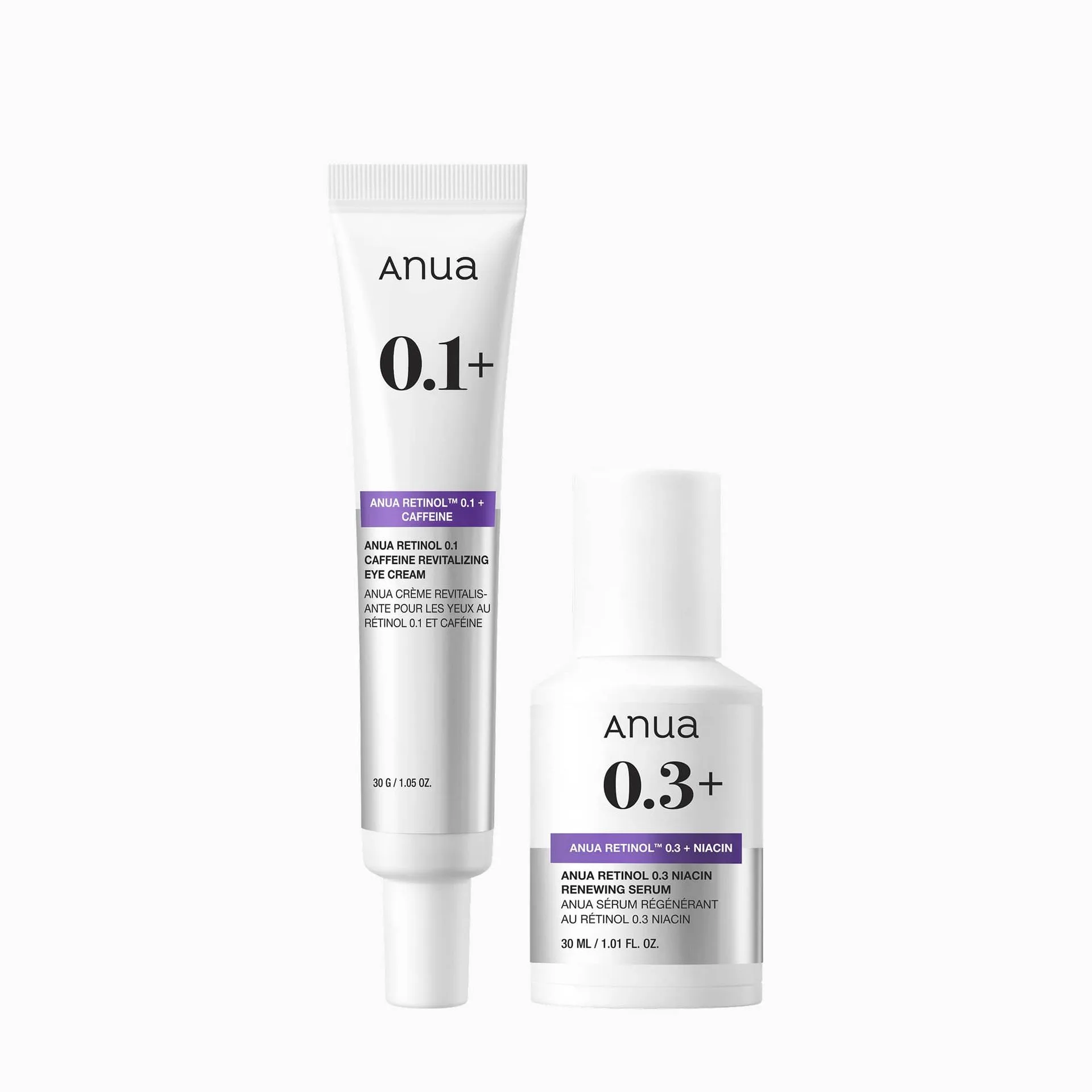
Retinol Anti-Aging Duo
- Boosts collagen and elastin synthesis
- Supports skin firmness and elasticity
- Helps reduce the appearance of fine lines and wrinkles
- Compatible with most other skincare actives
PDRN vs Peptides: Key Differences at a Glance
To help you decide, here's a straightforward comparison of PDRN and peptides based on their mechanisms, best uses, and skin type compatibility. Both are excellent for anti-aging, but they shine in different areas.
- PDRN: Works by providing nucleotides to repair and regenerate cells; best for damaged, dehydrated, or sensitive skin; often used in professional treatments but now available in at-home products like pads and serums.
- Peptides: Act as signaling molecules to stimulate collagen production; best for maintaining firmness and preventing early signs of aging; widely available in serums, moisturizers, and masks.
- PDRN tends to offer more dramatic results for skin repair, while peptides are excellent for long-term maintenance and prevention.
- For redness or irritation, PDRN is often more soothing; peptides are generally non-irritating but may not calm inflammation as effectively.
How to Choose Between PDRN and Peptides for Your Routine
Your choice should depend on your primary skin concerns. If you're dealing with significant signs of aging like deep wrinkles, loss of elasticity, or a compromised skin barrier, PDRN might be the more powerful option. Its regenerative properties can accelerate healing and bring back a youthful plumpness. On the other hand, if you're looking for a gentle, preventative approach to maintain skin health and smooth fine lines, peptides are a reliable, research-backed choice.
Many experts in 2025 recommend combining both ingredients for a comprehensive anti-aging strategy. For example, you could use a PDRN-infused toner or pad in the evening to repair, followed by a peptide serum in the morning to protect and firm. Always patch-test new products, especially if you have sensitive skin, and consider layering them with a soothing moisturizer like https://purebeautytools.store/products/heartleaf-70-intense-calming-cream-51500Heartleaf 70% Intense Calming Cream to support barrier function.
- For deep repair and regeneration: choose PDRN
- For prevention and maintenance: choose peptides
- For best results: consider using both in a layered routine
- Always follow with sunscreen during the day to protect collagen
Both PDRN and peptides are game-changers in the world of anti-aging skincare, but they serve different needs. In 2025, the trend is toward personalized routines that combine the best of both worlds. If you're ready to explore PDRN's rejuvenating power, start with the PDRN 100 Hyaluronic Acid Glow Pad to experience smoother, more radiant skin. Pair it with a peptide-rich product for a complete anti-aging arsenal that keeps your skin looking young and healthy for years to come.